
 By admin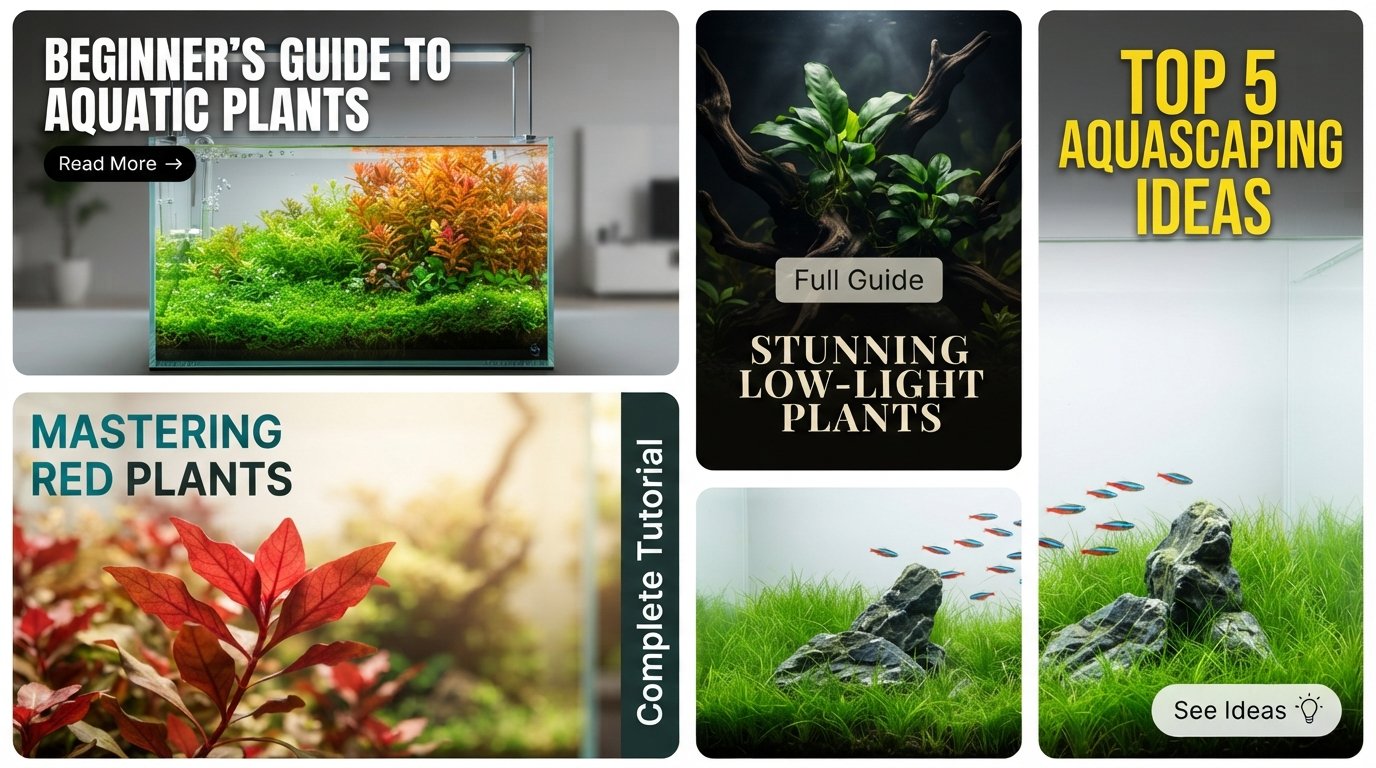
Freshwater aquarium plants are more than just beautiful decorations—they play a vital role in creating a healthy and balanced aquarium ecosystem. Live plants improve water quality, provide shelter for fish, reduce algae growth, and transform an ordinary fish tank into a vibrant underwater landscape. Whether you’re setting up your first planted aquarium or upgrading an existing tank, selecting the right freshwater aquarium plants can make a significant difference in both the appearance and health of your aquarium.
This comprehensive guide covers everything you need to know about freshwater aquarium plants, including the best plant species, lighting requirements, substrate options, fertilization, maintenance, and aquascaping ideas.
Why Choose Freshwater Aquarium Plants?
Live aquatic plants offer numerous benefits that artificial decorations cannot match.
Advantages include:
- Improve water quality by absorbing nitrates
- Produce oxygen during photosynthesis
- Provide hiding places for fish and shrimp
- Help reduce algae growth
- Create a natural-looking environment
- Support beneficial bacteria
- Enhance the beauty of the aquarium
- Reduce stress in fish
A well-planted aquarium closely resembles natural freshwater habitats and provides a healthier environment for aquatic life.
Types of Freshwater Aquarium Plants
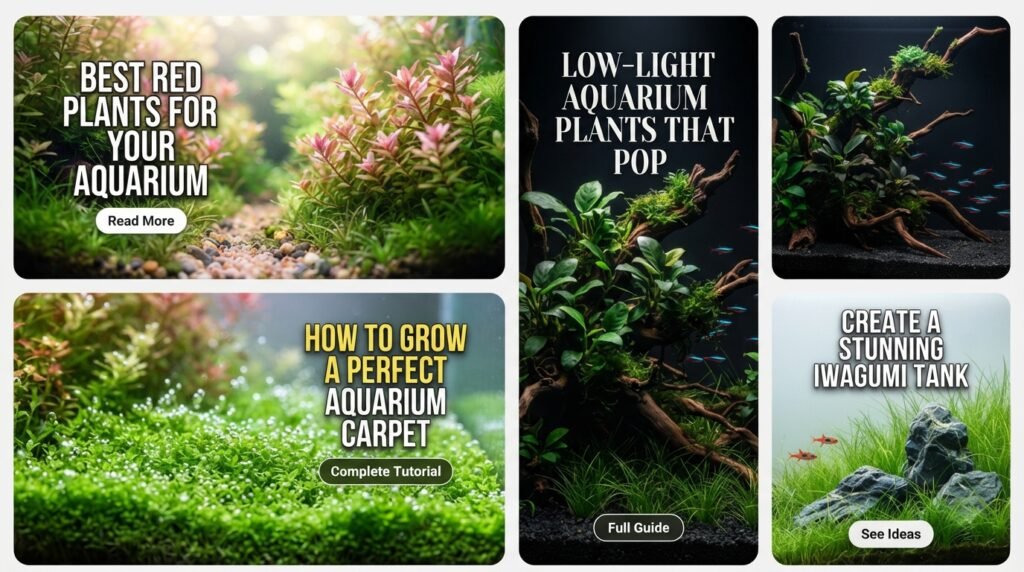
Aquatic plants are generally grouped based on where they grow within the aquarium.
Foreground Plants
These plants stay short and create a carpet-like appearance.
Popular choices include:
- Dwarf Hairgrass
- Monte Carlo
- Glossostigma
- Dwarf Baby Tears
- Marsilea species
Foreground plants are ideal for creating lush green lawns in aquascapes.
Midground Plants
Midground plants add texture and connect the foreground with the background.
Excellent options include:
- Anubias Nana
- Cryptocoryne Wendtii
- Bucephalandra
- Staurogyne repens
- Java Fern (small varieties)
Background Plants
Tall plants provide depth and hide equipment.
Popular species include:
- Vallisneria
- Amazon Sword
- Rotala Rotundifolia
- Ludwigia Repens
- Hygrophila Polysperma
- Water Wisteria
Best Freshwater Aquarium Plants for Beginners
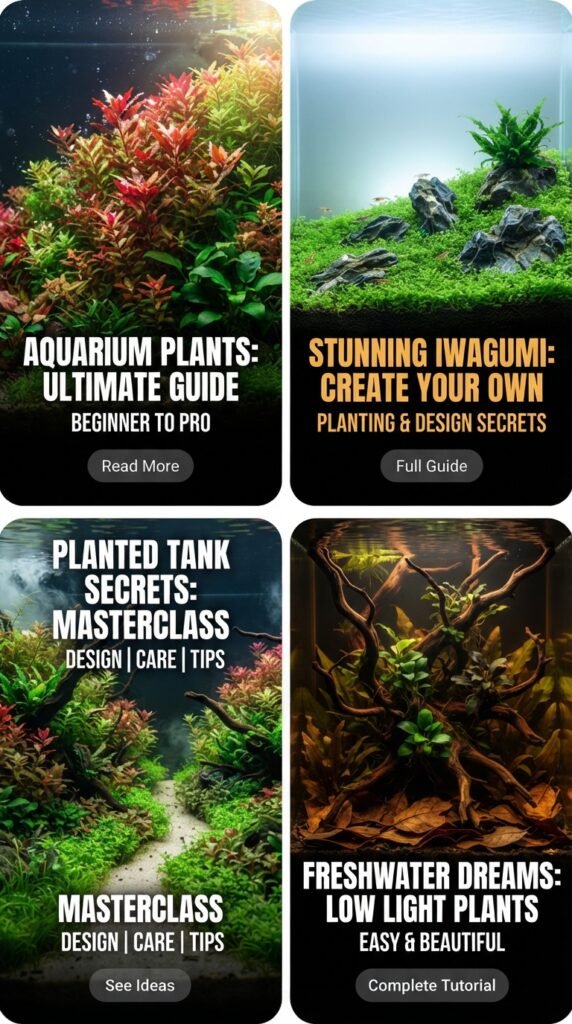
Some plants are especially easy to grow and require very little maintenance.
Java Fern
Java Fern is one of the easiest aquarium plants to keep.
Benefits include:
- Low light requirements
- Slow growth
- Hardy leaves
- Easy attachment to rocks and driftwood
Anubias
Anubias is perfect for beginners because it tolerates a wide range of water conditions.
Advantages:
- Slow-growing
- Requires minimal maintenance
- Excellent for driftwood
- Resistant to most fish damage
Amazon Sword
Amazon Sword is a popular centerpiece plant known for its large green leaves.
It requires:
- Nutrient-rich substrate
- Moderate lighting
- Occasional root fertilizer
Vallisneria
Vallisneria creates a beautiful grassy background.
Features include:
- Rapid growth
- Easy propagation
- Excellent background coverage
Java Moss
Java Moss is extremely versatile.
It can be attached to:
- Rocks
- Driftwood
- Decorations
- Aquarium mesh
It provides excellent shelter for shrimp and baby fish.
Red Freshwater Aquarium Plants
Red plants create striking contrast in planted aquariums.
Popular species include:
- Alternanthera reineckii
- Ludwigia repens
- Rotala rotundifolia (under strong lighting)
- Red Tiger Lotus
- Cryptocoryne species with bronze or reddish leaves
These plants typically require stronger lighting and balanced nutrients to maintain vibrant coloration.
Floating Aquarium Plants
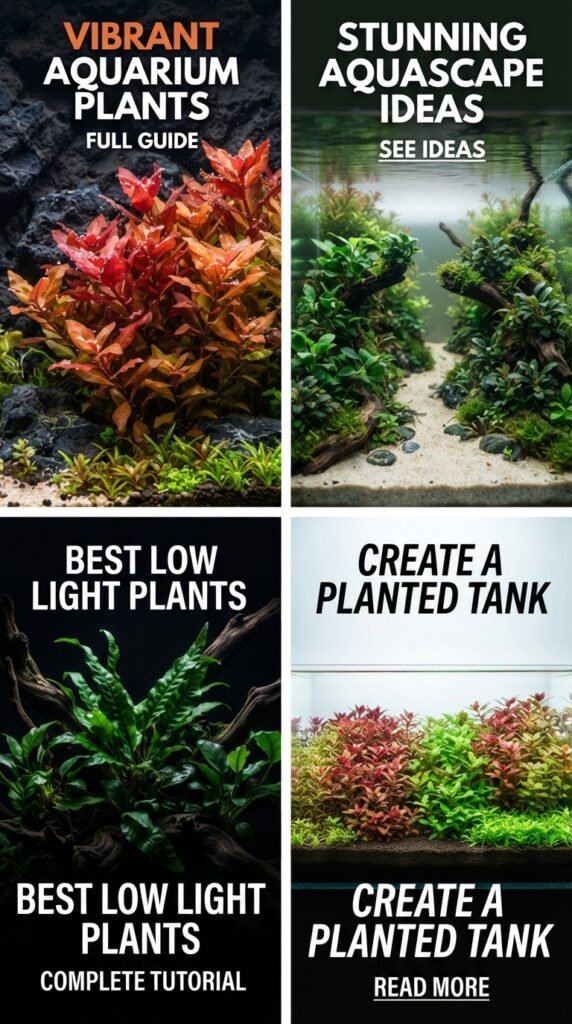
Floating plants help shade the aquarium and absorb excess nutrients.
Popular choices include:
- Amazon Frogbit
- Red Root Floater
- Salvinia
- Duckweed
- Water Lettuce
Floating plants also provide shelter for shy fish and fry.
Mosses for Freshwater Aquariums
Aquarium mosses are ideal for aquascaping.
Popular mosses include:
- Java Moss
- Christmas Moss
- Weeping Moss
- Flame Moss
- Peacock Moss
These plants are commonly used on driftwood and rocks to create natural-looking landscapes.
Choosing the Right Substrate
Healthy plants begin with the right substrate.
Common options include:
Aquasoil
Ideal for heavily planted aquariums because it contains nutrients that support root growth.
Gravel
Suitable for hardy plants when combined with root tabs.
Sand
Fine sand creates a natural appearance but may require additional fertilization for rooted plants.
Nutrient-Rich Plant Substrate
Designed specifically for planted aquariums and promotes strong root development.
Lighting Requirements
Light is one of the most important factors for healthy plant growth.
Low-Light Plants
Suitable for:
- Java Fern
- Anubias
- Java Moss
- Cryptocoryne
Medium-Light Plants
Suitable for:
- Amazon Sword
- Vallisneria
- Water Wisteria
High-Light Plants
Suitable for:
- Monte Carlo
- Dwarf Baby Tears
- Alternanthera reineckii
- Rotala species
Most planted aquariums benefit from 6–8 hours of quality LED lighting each day. Adjust the duration based on plant growth and algae levels.
CO₂ for Aquarium Plants
Carbon dioxide supports photosynthesis and promotes vigorous plant growth.
Benefits include:
- Faster growth
- Richer colors
- Dense carpeting plants
- Healthier leaves
- Reduced algae competition
While many beginner-friendly plants grow well without supplemental CO₂, demanding species often benefit from it.
Fertilizers
Aquarium plants require nutrients for healthy growth.
Common fertilizers include:
Liquid Fertilizers
Supply nutrients directly to the water for plants that absorb nutrients through their leaves.
Root Tabs
Provide nutrients for plants with extensive root systems, such as Amazon Swords and Cryptocorynes.
A balanced fertilization routine supports healthy growth while minimizing deficiencies.
Best Fish for Planted Aquariums
Many peaceful fish thrive in planted aquariums.
Excellent choices include:
- Neon Tetras
- Cardinal Tetras
- Harlequin Rasboras
- Corydoras Catfish
- Otocinclus
- Guppies
- Honey Gouramis
- Betta Fish (in appropriate setups)
Avoid fish known for uprooting or consuming plants if your goal is a lush aquascape.
Shrimp and Snails
Shrimp and snails help maintain planted aquariums.
Recommended species include:
- Amano Shrimp
- Cherry Shrimp
- Nerite Snails
- Mystery Snails
These animals help control algae and clean plant surfaces.
Freshwater Aquarium Plant Care
Routine maintenance keeps plants healthy.
Trim Regularly
Remove damaged leaves and prune fast-growing species.
Remove Dead Leaves
Decaying leaves can affect water quality.
Clean Algae
Gently remove algae from plant leaves when necessary.
Monitor Nutrients
Watch for signs of nutrient deficiencies, such as yellowing or holes in leaves.
Perform Water Changes
Replace 20–30% of the water weekly to maintain stable water chemistry.
Common Problems
Yellow Leaves
Often caused by nutrient deficiencies or inadequate lighting.
Slow Growth
May result from insufficient light, carbon dioxide, or nutrients.
Algae Growth
Usually caused by excessive light, nutrient imbalance, or poor maintenance.
Melting Plants
Some newly introduced plants temporarily lose old leaves while adapting to the aquarium.
Aquascaping Ideas
Nature Aquarium
Use driftwood, stones, and lush greenery to mimic natural rivers and forests.
Dutch Aquarium
Arrange colorful plants in organized groups to create a vibrant underwater garden.
Jungle Aquarium
Allow plants to grow densely for a wild, natural appearance.
Iwagumi Style
Feature rocks as the focal point with a carpet of low-growing plants.
Island Layout
Create a central mound of plants surrounded by open swimming areas.
Benefits of Live Plants
Freshwater aquarium plants provide numerous long-term advantages.
- Natural beauty
- Improved water quality
- Oxygen production
- Reduced fish stress
- Algae control
- Better breeding conditions
- Enhanced biological filtration
- More stable aquarium ecosystem
A healthy planted aquarium often requires less intervention once it becomes established.
Conclusion
Freshwater aquarium plants are an essential part of creating a beautiful, healthy, and balanced aquarium. From hardy beginner plants like Java Fern and Anubias to vibrant red species and lush carpeting plants, there are options for every skill level and aquarium style.
By choosing appropriate plants, providing quality lighting, using a suitable substrate, maintaining stable water conditions, and performing regular care, you can enjoy a thriving planted aquarium that supports both aquatic life and stunning aquascaping. With patience and consistent maintenance, your freshwater aquarium can develop into a vibrant underwater garden that brings years of enjoyment.
Frequently Asked Questions
What are the easiest freshwater aquarium plants for beginners?
Java Fern, Anubias, Java Moss, Vallisneria, Amazon Sword, and Cryptocoryne are among the easiest plants to grow because they tolerate a wide range of aquarium conditions.
Do freshwater aquarium plants need CO₂?
Not always. Many beginner-friendly plants grow well without supplemental CO₂, while more demanding species benefit from added carbon dioxide for faster growth and richer coloration.
How many hours of light do aquarium plants need?
Most freshwater aquarium plants thrive with 6–8 hours of quality LED lighting per day. Too much light can encourage algae growth.
What is the best substrate for aquarium plants?
Nutrient-rich aquasoil is often the best choice for heavily planted aquariums, while gravel or sand can also work when supplemented with root tabs.
Can aquarium plants reduce algae?
Yes. Healthy live plants compete with algae for nutrients, helping reduce algae growth when combined with balanced lighting and proper maintenance.
How often should I trim freshwater aquarium plants?
Fast-growing plants may need trimming every one to three weeks, while slow-growing species such as Anubias and Java Fern require much less frequent pruning.