
 By admin
Aquarium glass is one of the most important components of any fish tank. The type, thickness, and quality of the glass directly affect the aquarium’s durability, clarity, and overall appearance. Whether you’re buying a new tank, building a DIY aquarium, or replacing damaged panels, understanding aquarium glass can help you make the best choice.
This complete guide covers everything you need to know about aquarium glass, including types of glass, thickness recommendations, advantages, maintenance tips, and common mistakes to avoid.
What Is Aquarium Glass?
Aquarium glass is specially designed glass used to hold water safely while providing a clear view of the underwater environment. It is manufactured to withstand the pressure created by thousands of pounds of water in larger aquariums.
High-quality aquarium glass should provide:
- Excellent clarity
- Strong structural integrity
- Resistance to scratches and damage
- Long-term durability
- Safe support for aquatic life
Why Is Aquarium Glass Important?
The glass determines:
- The tank’s strength
- Viewing clarity
- Safety of fish and equipment
- Longevity of the aquarium
- Overall appearance of the setup
Choosing the right glass is essential for both small and large aquariums.
Types of Aquarium Glass
Standard Float Glass
This is the most common type of aquarium glass.
Benefits:
- Affordable
- Widely available
- Durable
- Easy to replace
Drawbacks:
- Slight green tint
- Less clarity than premium glass
Standard float glass is suitable for most freshwater aquariums.
Low-Iron Glass
Low-iron glass is often used in premium aquariums.
Benefits:
- Crystal-clear appearance
- Minimal green tint
- Better color accuracy
- Luxurious appearance
Drawbacks:
- More expensive
- Slightly easier to scratch than some standard glass products
Low-iron glass is extremely popular for high-end planted aquariums and reef tanks.
Tempered Glass
Tempered glass undergoes a special heat treatment process.
Benefits:
- Very strong
- Resistant to impacts
- Often used for aquarium bottoms
Drawbacks:
- Cannot be drilled after tempering
- Shatters into many pieces if broken
Many aquarium manufacturers use tempered glass for specific panels.
Laminated Glass
Laminated glass consists of multiple layers bonded together.
Benefits:
- High safety
- Additional strength
- Often used in very large public aquariums
Drawbacks:
- Expensive
- Heavier than standard glass
Large custom aquariums sometimes use laminated panels.
Acrylic vs. Glass Aquariums
Many hobbyists compare glass and acrylic tanks.
| Feature | Glass | Acrylic |
|---|---|---|
| Scratch Resistance | Excellent | Lower |
| Weight | Heavy | Lightweight |
| Clarity | Very Good | Excellent |
| Cost | Moderate | Often Higher |
| Durability | Excellent | Excellent |
Both materials have advantages depending on your needs.
Aquarium Glass Thickness Guide
Glass thickness depends on tank size and water pressure.
General recommendations:
| Aquarium Size | Common Glass Thickness |
|---|---|
| 5–10 Gallons | 4–5 mm |
| 20–30 Gallons | 6 mm |
| 40–55 Gallons | 8 mm |
| 75–125 Gallons | 10–12 mm |
| Larger Custom Tanks | Determined by engineering requirements |
Large aquariums should always be designed using appropriate safety calculations.
Rimless Aquarium Glass
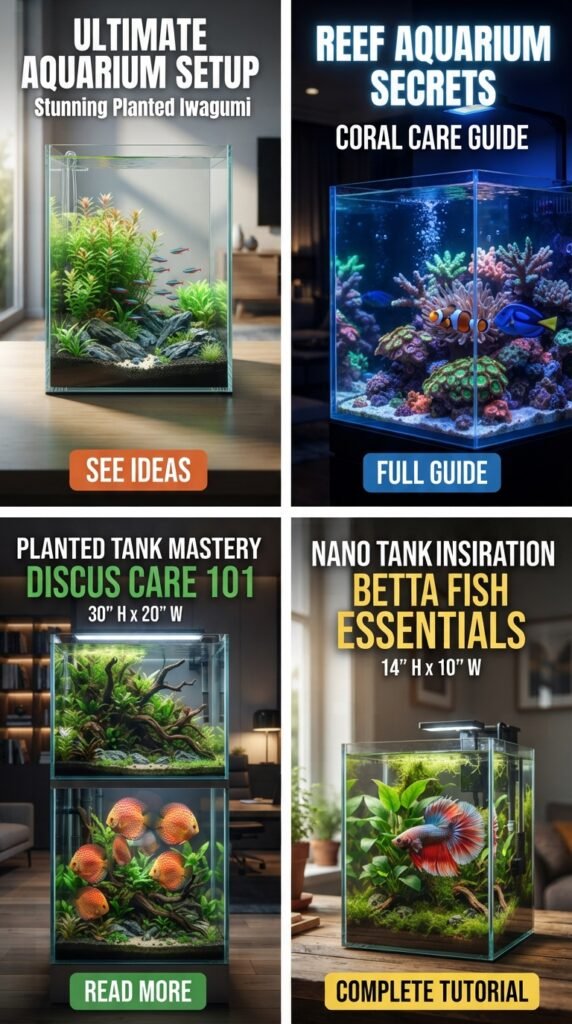
Rimless aquariums have become extremely popular.
Benefits:
- Modern appearance
- Minimalist design
- Better viewing experience
Requirements:
- High-quality glass
- Precise construction
- Proper glass thickness
Rimless aquariums often use low-iron glass for maximum clarity.
Glass for Planted Aquariums
Planted tanks benefit from clear viewing panels.
Many aquascapers prefer:
- Low-iron glass
- Rimless designs
- High transparency
These features make plant colors appear more vibrant.
Glass for Saltwater Aquariums
Marine aquariums often require:
- Thick glass
- High-quality silicone seams
- Scratch-resistant surfaces
- Excellent clarity
Large reef tanks may use low-iron or laminated glass.
DIY Aquarium Glass
Many hobbyists build custom aquariums.
Materials needed include:
- Glass panels
- Aquarium-safe silicone
- Measuring tools
- Clamps
- Cleaning supplies
Accurate measurements and proper silicone application are essential.
Cleaning Aquarium Glass
Clean glass improves the appearance of your aquarium.
Interior Cleaning
Use:
- Algae scrapers
- Magnetic cleaners
- Soft pads
Exterior Cleaning
Use:
- Soft microfiber cloth
- Aquarium-safe glass cleaners applied away from the tank
Avoid harsh chemicals that could contaminate the aquarium.
Preventing Scratches
Scratches can reduce viewing quality.
Tips:
- Keep sand away from magnetic cleaners.
- Use soft cleaning tools.
- Avoid metal scrapers on glass.
- Move decorations carefully.
Common Aquarium Glass Problems
Scratches
Often caused by improper cleaning.
Chips
Usually occur during transportation or maintenance.
Cracks
Can result from impacts or structural stress.
Silicone Failure
Older aquariums may eventually require resealing.
Inspect your aquarium regularly for signs of damage.
Signs You Should Replace an Aquarium
Consider replacement if you notice:
- Large cracks
- Leaking seams
- Major chips
- Failing silicone
- Structural instability
A damaged aquarium can become a serious risk if left unrepaired.
Best Aquarium Glass for Different Setups
Budget Aquarium
Standard float glass.
Luxury Display Tank
Low-iron glass.
Large Custom Aquarium
Thick laminated or engineered glass.
Planted Aquarium
Low-iron rimless glass.
Beginner Aquarium
Standard glass with a framed design.
Benefits of High-Quality Aquarium Glass
A quality aquarium provides:
- Better visibility
- Greater durability
- Enhanced appearance
- Improved safety
- Long-term reliability
Investing in good glass can significantly improve your aquarium experience.
Conclusion
Aquarium glass is the foundation of every fish tank. Choosing the right type of glass, proper thickness, and quality construction ensures that your aquarium remains safe, beautiful, and durable for many years.
Whether you prefer a simple standard aquarium or a premium low-iron rimless display, understanding aquarium glass will help you build or purchase the perfect tank for your aquatic pets.
Frequently Asked Questions
What is the best glass for an aquarium?
Low-iron glass is often considered the best for clarity, while standard float glass offers excellent value and durability.
Is tempered glass safe for aquariums?
Yes. Tempered glass is commonly used in aquarium construction, particularly for certain panels such as the bottom.
Which is better: glass or acrylic?
Glass is more scratch-resistant, while acrylic is lighter and easier to shape.
How thick should aquarium glass be?
The required thickness depends on the aquarium’s size and design. Larger tanks require significantly thicker glass.
Can scratched aquarium glass be repaired?
Minor scratches may sometimes be reduced, but deep scratches are often permanent.
How long does aquarium glass last?
A well-built aquarium can last for decades when properly maintained and regularly inspected for damage.