
 By admin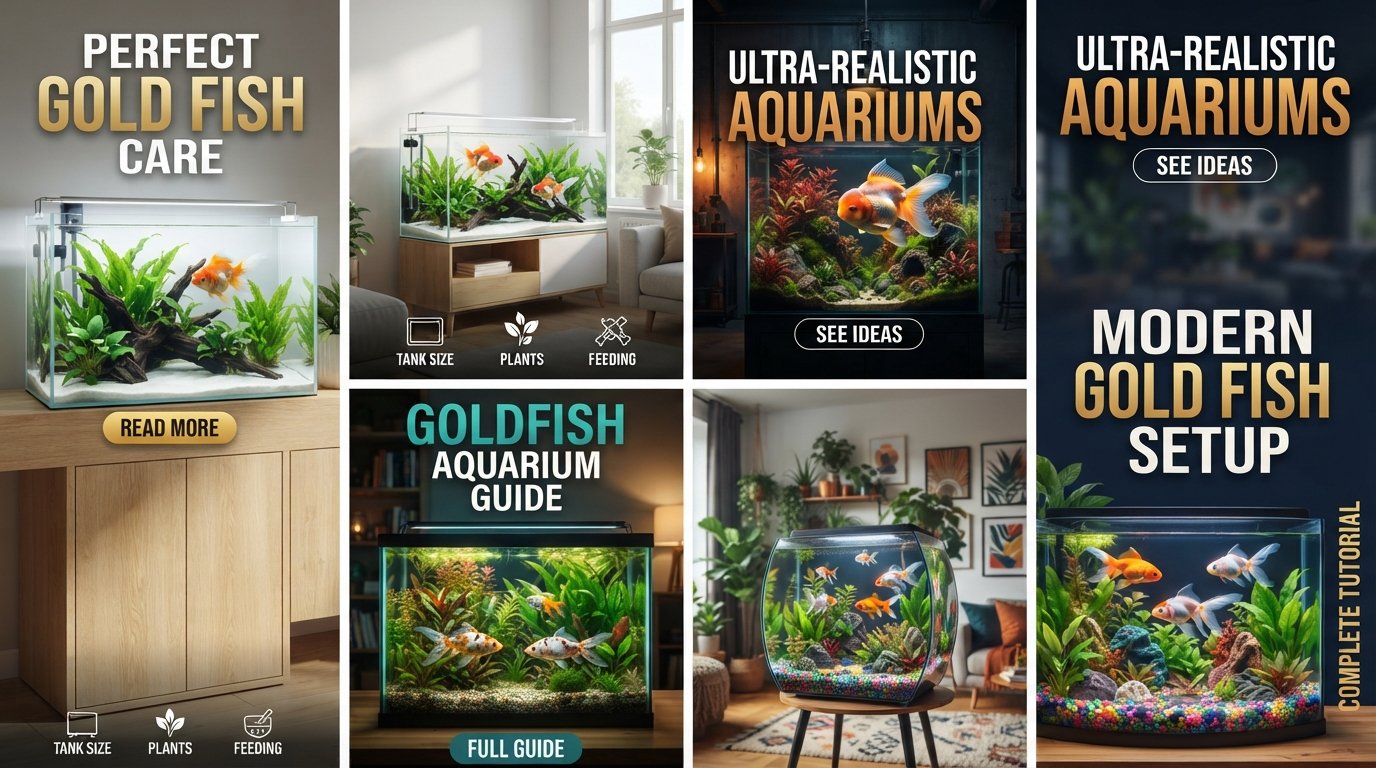
A goldfish aquarium is one of the most rewarding and attractive freshwater setups you can create. Goldfish are among the world’s most popular pet fish because of their bright colors, playful personalities, and long lifespans. However, many people underestimate their care requirements. Goldfish need spacious aquariums, excellent filtration, and regular maintenance to thrive.
This complete guide covers everything you need to know about setting up a goldfish aquarium, including tank size, equipment, decorations, plants, feeding, and maintenance tips.
Why Choose a Goldfish Aquarium?
Goldfish make excellent pets for both beginners and experienced fish keepers.
Benefits include:
- Beautiful colors and patterns
- Active and interactive behavior
- Long lifespan
- Hardy and adaptable
- Suitable for indoor aquariums and ponds
- Wide variety of breeds
A properly maintained goldfish aquarium can provide years of enjoyment.
Understanding Goldfish Types
Goldfish generally fall into two categories.
Single-Tailed Goldfish
Examples include:
- Common Goldfish
- Comet Goldfish
- Shubunkin Goldfish
These varieties grow large and are often best suited for very large aquariums or ponds.
Fancy Goldfish
Examples include:
- Oranda
- Ryukin
- Fantail
- Black Moor
- Ranchu
- Pearlscale
Fancy goldfish usually have shorter bodies and slower swimming speeds than single-tailed varieties.
Choosing the Right Aquarium Size
One of the biggest mistakes is keeping goldfish in tanks that are too small.
Fancy Goldfish
- Minimum of 20 gallons for the first fish.
- Add approximately 10–20 gallons for each additional fish, depending on the variety and filtration.
Single-Tailed Goldfish
These fish become very large and often require aquariums of 55 gallons or more, with larger setups preferred for multiple fish.
Larger aquariums are generally easier to maintain and provide more stable water conditions.
Choosing the Best Aquarium Shape
Long Aquariums
Provide more swimming space and better oxygen exchange.
Rectangular Tanks
Ideal for most goldfish setups.
Avoid Small Bowls
Goldfish bowls do not provide adequate space or filtration for long-term care.
Essential Equipment
Powerful Filter
Goldfish produce a significant amount of waste.
Good options include:
- Canister filters
- Hang-on-back filters
- Sponge filters as supplemental filtration
Many hobbyists choose filters rated for tanks larger than the aquarium itself.
Heater
Goldfish are cool-water fish and usually do not require heating in homes where room temperatures remain within their suitable range. However, stable temperatures are important.
Thermometer
A thermometer helps monitor temperature changes.
Air Pump
Additional aeration can improve oxygen levels.
Best Substrate for Goldfish
Bare Bottom
Easy to clean and maintain.
Fine Sand
A popular choice because goldfish enjoy foraging in it.
Large Smooth Gravel
Can work if the pieces are too large to be swallowed.
Avoid small gravel that may become lodged in a goldfish’s mouth.
Decorations for a Goldfish Aquarium
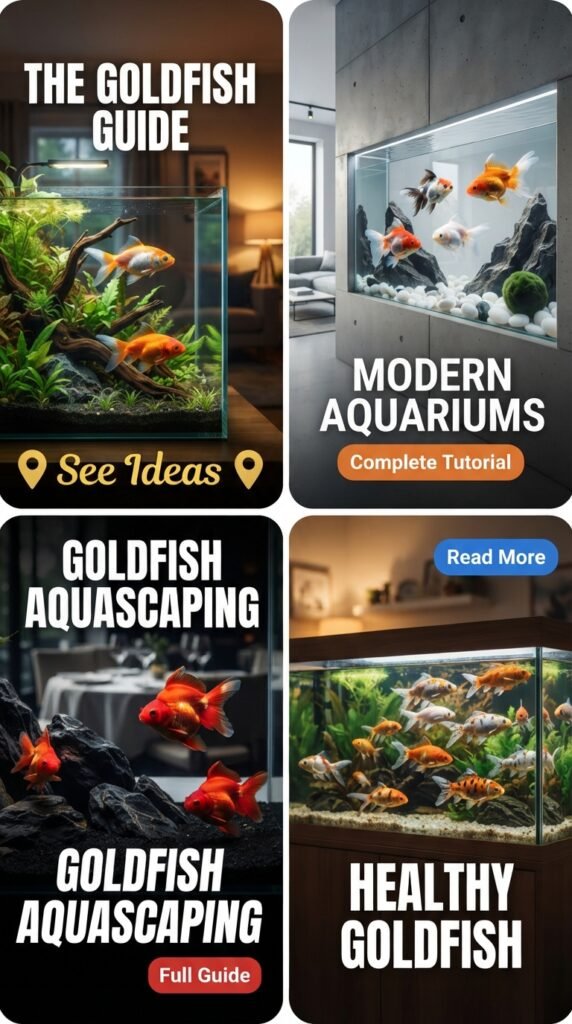
Goldfish enjoy open swimming space.
Good decorations include:
- Smooth rocks
- Driftwood with no sharp edges
- Large caves
- Natural stones
Avoid decorations with sharp edges that may damage delicate fins.
Best Plants for Goldfish Aquariums
Goldfish often nibble on plants, but some hardy species can still be used.
Recommended plants include:
- Anubias
- Java Fern
- Hornwort
- Anacharis
- Marimo Moss Balls
Expect some plants to be eaten or uprooted.
Goldfish Aquarium Themes
Natural River Aquarium
Use:
- Sand substrate
- Smooth stones
- Driftwood
- Hardy plants
Zen Aquarium
Features:
- White sand
- Minimal decorations
- Open swimming areas
Modern Aquarium
Use:
- Black background
- Bright lighting
- Simple décor
Planted Aquarium
Choose hardy plants and leave plenty of swimming space.
Water Parameters
Goldfish prefer stable, clean water.
General guidelines include:
| Parameter | Recommended Range |
|---|---|
| Temperature | 65–75°F (18–24°C) |
| pH | 7.0–8.0 |
| Ammonia | 0 ppm |
| Nitrite | 0 ppm |
| Nitrate | Below 20–40 ppm |
Always monitor water quality regularly.
Feeding Goldfish
Feed a varied and balanced diet.
Good foods include:
- High-quality goldfish pellets
- Gel foods
- Blanched vegetables
- Frozen foods
- Occasional treats such as bloodworms
Feed small amounts that your fish can consume within a few minutes.
Suitable Tank Mates
Goldfish do best with fish that prefer similar temperatures and are not aggressive.
Possible companions may include:
- Other goldfish of similar type and size
- White Cloud Mountain Minnows in some setups
- Certain peaceful cool-water species, depending on the aquarium size and conditions
Research compatibility carefully before adding tank mates.
Lighting Ideas
Use lighting to showcase your aquarium.
Popular choices include:
- LED aquarium lights
- Adjustable lighting systems
- Natural daylight spectrum LEDs
Provide a consistent day-night cycle.
Weekly Maintenance
Goldfish aquariums require regular cleaning.
Water Changes
Replace 25–50% of the water weekly, depending on stocking and filtration.
Vacuum the Substrate
Remove waste and uneaten food.
Clean the Glass
Remove algae buildup.
Test Water Parameters
Monitor ammonia, nitrite, nitrate, and pH.
Maintain Equipment
Inspect filters and air pumps regularly.
Common Mistakes to Avoid
Keeping Goldfish in Bowls
Bowls are generally too small and lack adequate filtration.
Overstocking
Goldfish need plenty of space.
Poor Filtration
Their heavy waste production requires strong filtration.
Overfeeding
Excess food can quickly affect water quality.
Mixing Fancy and Single-Tailed Goldfish
Their swimming abilities and care needs often differ.
Best Places for a Goldfish Aquarium
A goldfish aquarium looks beautiful in:
- Living rooms
- Home offices
- Dining rooms
- Bedrooms
- Reception areas
- Study rooms
Place the aquarium away from direct sunlight and heat sources.
Benefits of a Goldfish Aquarium
A well-maintained goldfish aquarium offers many advantages.
- Beautiful home décor
- Relaxing atmosphere
- Interactive pets
- Suitable for many skill levels
- Long-term enjoyment
- Endless decorating possibilities
With proper care, goldfish can live for many years and become beloved pets.
Conclusion
A goldfish aquarium is much more than a simple fish tank. Goldfish require spacious aquariums, powerful filtration, excellent water quality, and thoughtful care to thrive. By choosing the right tank size, maintaining clean water, and providing a safe environment with appropriate decorations and nutrition, you can create a stunning aquarium that both you and your goldfish will enjoy for many years.
Frequently Asked Questions
What size tank do goldfish need?
Fancy goldfish generally require at least 20 gallons for the first fish, while single-tailed varieties often need 55 gallons or larger aquariums.
Can goldfish live in bowls?
No. Bowls do not provide enough space or filtration for healthy long-term care.
What is the best filter for goldfish?
Canister filters and high-capacity hang-on-back filters are popular choices because goldfish produce a lot of waste.
Can I keep live plants with goldfish?
Yes, but goldfish may eat or uproot some plants. Hardy species such as Anubias and Java Fern are often good choices.
How often should I clean a goldfish aquarium?
Most goldfish aquariums benefit from weekly water changes, substrate cleaning, and regular equipment maintenance.
How long do goldfish live?
With proper care, many goldfish can live for 10–20 years or even longer.