
 By admin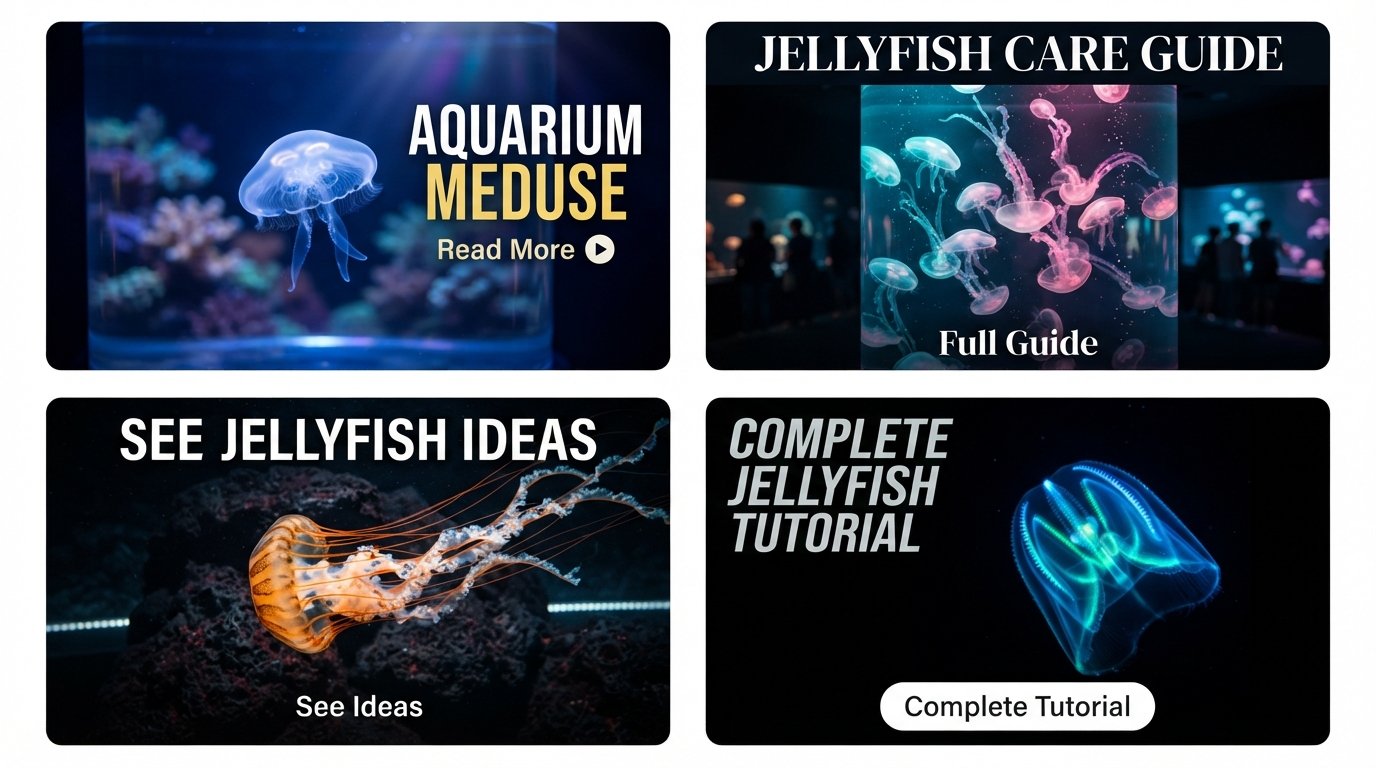
An aquarium méduse (French for “jellyfish aquarium”) is a specialized tank designed to house jellyfish safely and beautifully. Jellyfish are mesmerizing creatures that seem to float effortlessly through the water, making them one of the most fascinating aquatic pets. However, they require unique care and equipment that differ significantly from traditional fish aquariums.
This complete guide covers everything you need to know about jellyfish aquariums, including tank design, equipment, suitable species, feeding, and maintenance.
What Is an Aquarium Méduse?
A jellyfish aquarium is a specially designed aquarium that creates a gentle circular water flow, allowing jellyfish to remain suspended in the water without getting trapped against corners or filtration equipment.
Unlike regular aquariums, jellyfish tanks typically feature:
- Rounded or cylindrical designs
- Gentle water circulation
- Specialized filtration systems
- Low-flow environments
- Careful temperature control
These features help protect the delicate bodies of jellyfish.
Why Are Special Aquariums Necessary?
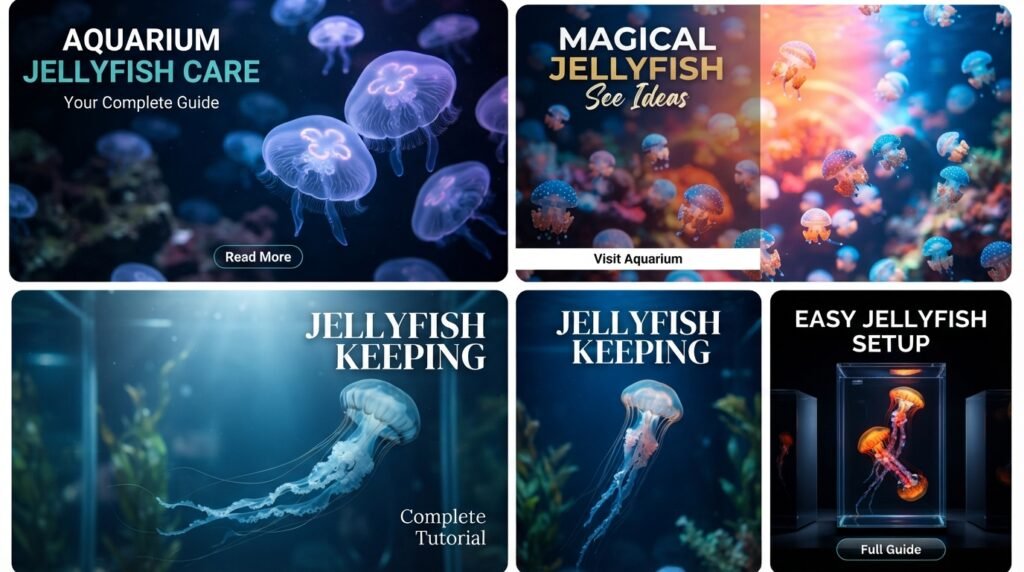
Jellyfish have extremely soft bodies that can easily be damaged.
Traditional aquariums often have:
- Sharp corners
- Strong water currents
- Intake openings
- Decorations that can injure jellyfish
Specialized jellyfish aquariums eliminate many of these risks.
Best Jellyfish Species for Aquariums
Not all jellyfish are suitable for home aquariums.
Moon Jellyfish
Moon Jellyfish
Moon jellyfish are the most popular species for home aquariums because they are relatively hardy and adapt well to captive environments.
Characteristics:
- Transparent appearance
- Gentle swimming behavior
- Beautiful glowing patterns under blue lighting
Spotted Lagoon Jellyfish
Spotted Lagoon Jellyfish
Known for their attractive spotted appearance and unique coloration.
Blue Blubber Jellyfish
Blue Blubber Jellyfish
An eye-catching species that requires experienced care.
Choosing the Right Aquarium Size
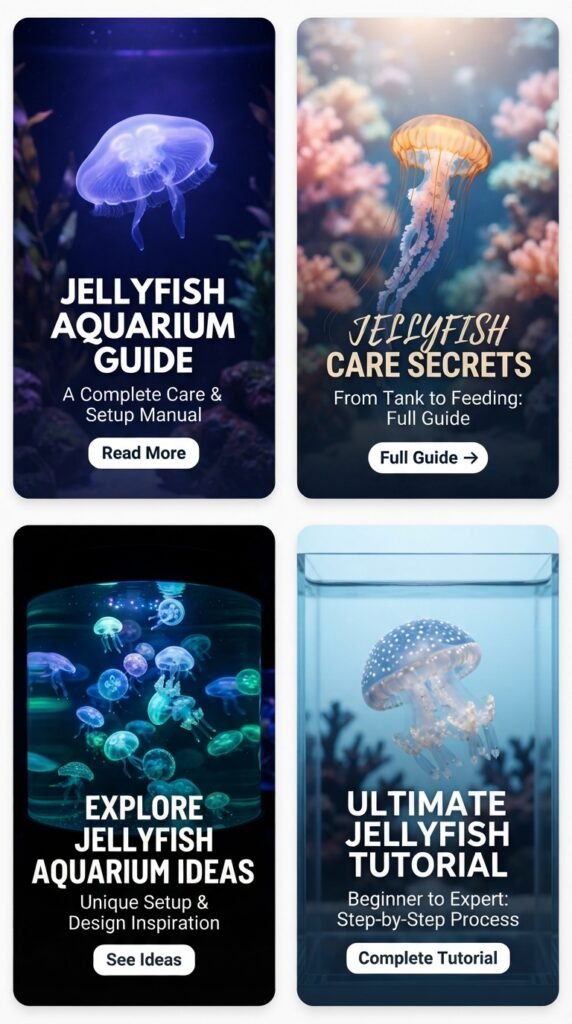
Small Jellyfish Tanks
Suitable for:
- One or two moon jellyfish
- Decorative desktop displays
Medium Aquariums
Ideal for:
- Small jellyfish groups
- Home display aquariums
Large Aquariums
Perfect for:
- Multiple jellyfish
- Public displays
- Advanced hobbyists
Larger aquariums generally provide more stable water conditions.
Types of Jellyfish Aquariums
Cylindrical Aquarium
Provides smooth water circulation and is one of the most popular designs.
Kreisel Aquarium
A specialized design created specifically for delicate marine animals such as jellyfish.
Pseudo-Kreisel Aquarium
A simplified version often used in home jellyfish systems.
Essential Equipment
Filtration System
Jellyfish require gentle filtration that does not create strong currents.
Water Pump
A low-flow pump helps maintain circular water movement.
Protein Skimmer
Larger marine systems may benefit from additional filtration equipment.
Thermometer
Monitoring water temperature is essential.
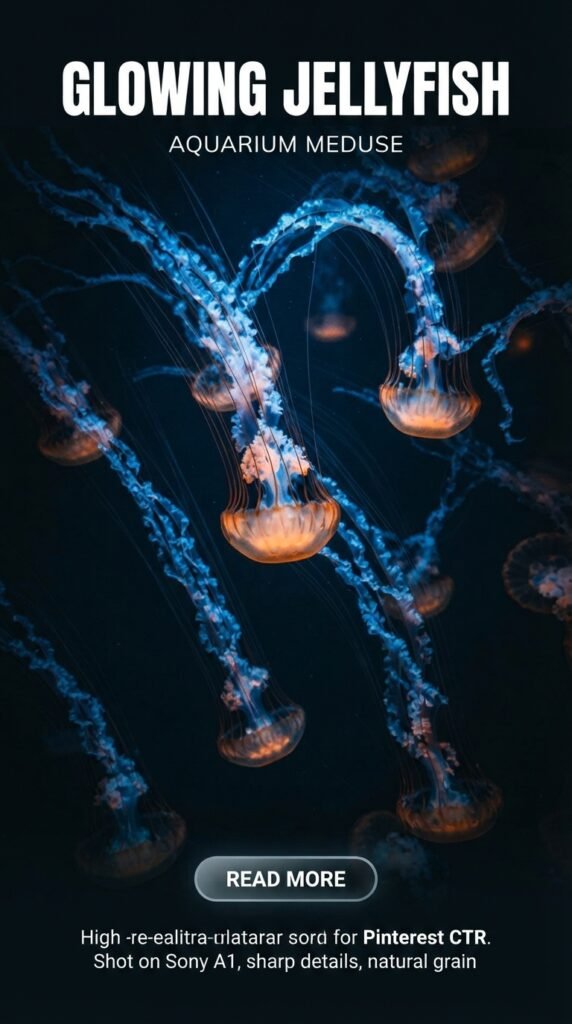
LED Lighting
Blue LED lighting makes jellyfish look particularly stunning.
Water Parameters
Most jellyfish species require stable marine conditions.
General guidelines include:
| Parameter | Recommended Range |
|---|---|
| Salinity | 1.023–1.026 Specific Gravity |
| pH | 8.0–8.4 |
| Temperature | Species dependent |
| Ammonia | 0 ppm |
| Nitrite | 0 ppm |
| Nitrate | As low as possible |
Research the exact requirements of your chosen species.
Feeding Jellyfish
Jellyfish need regular feeding.
Popular foods include:
- Newly hatched brine shrimp
- Specialized jellyfish food products
- Other suitable plankton-based foods
Feed according to the needs of your species and avoid overfeeding.
Aquarium Lighting Ideas
Jellyfish look spectacular under specialized lighting.
Popular options include:
- Blue LEDs
- Color-changing LEDs
- Soft white lighting
- Moonlight settings
Lighting can dramatically enhance the appearance of the aquarium.
Decorations
Most jellyfish aquariums contain very few decorations.
Avoid:
- Sharp rocks
- Driftwood
- Artificial plants
- Objects that could injure jellyfish
A simple design is usually best.
Placement Ideas
An aquarium méduse looks beautiful in:
- Living rooms
- Offices
- Reception areas
- Bedrooms
- Waiting rooms
- Study spaces
Their slow, graceful movement creates a calming atmosphere.
Maintenance Tips
Test Water Regularly
Marine systems require stable water parameters.
Perform Water Changes
Regular water changes help maintain excellent water quality.
Clean Equipment
Inspect pumps and filtration systems frequently.
Monitor Water Flow
Proper circulation is essential for jellyfish health.
Feed Consistently
Provide a regular feeding schedule.
Common Mistakes to Avoid
Using a Standard Aquarium
Traditional tanks are generally unsuitable for jellyfish.
Strong Water Flow
Powerful currents can damage delicate jellyfish.
Poor Water Quality
Jellyfish require clean, stable marine conditions.
Overstocking
Provide adequate space for each jellyfish.
Inadequate Research
Different species have different requirements.
Benefits of a Jellyfish Aquarium
A well-maintained aquarium méduse offers many advantages.
- Stunning visual display
- Relaxing movement
- Unique conversation piece
- Beautiful lighting effects
- Educational experience
- Modern home décor feature
Few aquariums are as mesmerizing as a properly designed jellyfish tank.
Conclusion
An aquarium méduse is one of the most unique and beautiful marine displays you can own. However, jellyfish require specialized care, carefully designed aquariums, stable water conditions, and regular maintenance.
By choosing the right species, providing proper water flow, and maintaining excellent water quality, you can create a breathtaking jellyfish aquarium that brings elegance and tranquility to your home or office.
Frequently Asked Questions
Can jellyfish live in a regular aquarium?
No. Most jellyfish require specialized aquariums with gentle circular water flow.
What is the best jellyfish for beginners?
The Moon Jellyfish is generally considered the most suitable species for beginner jellyfish keepers.
Do jellyfish need saltwater?
Yes. Most species commonly kept in aquariums are marine animals and require saltwater conditions.
Are jellyfish difficult to care for?
They require specialized equipment and stable water conditions, making them more challenging than many freshwater fish.
How long do jellyfish live?
Lifespan varies depending on the species and environmental conditions.
Are jellyfish aquariums worth it?
For aquarists seeking a unique and mesmerizing display, a jellyfish aquarium can be an incredibly rewarding and beautiful addition to a home or office.