
 By admin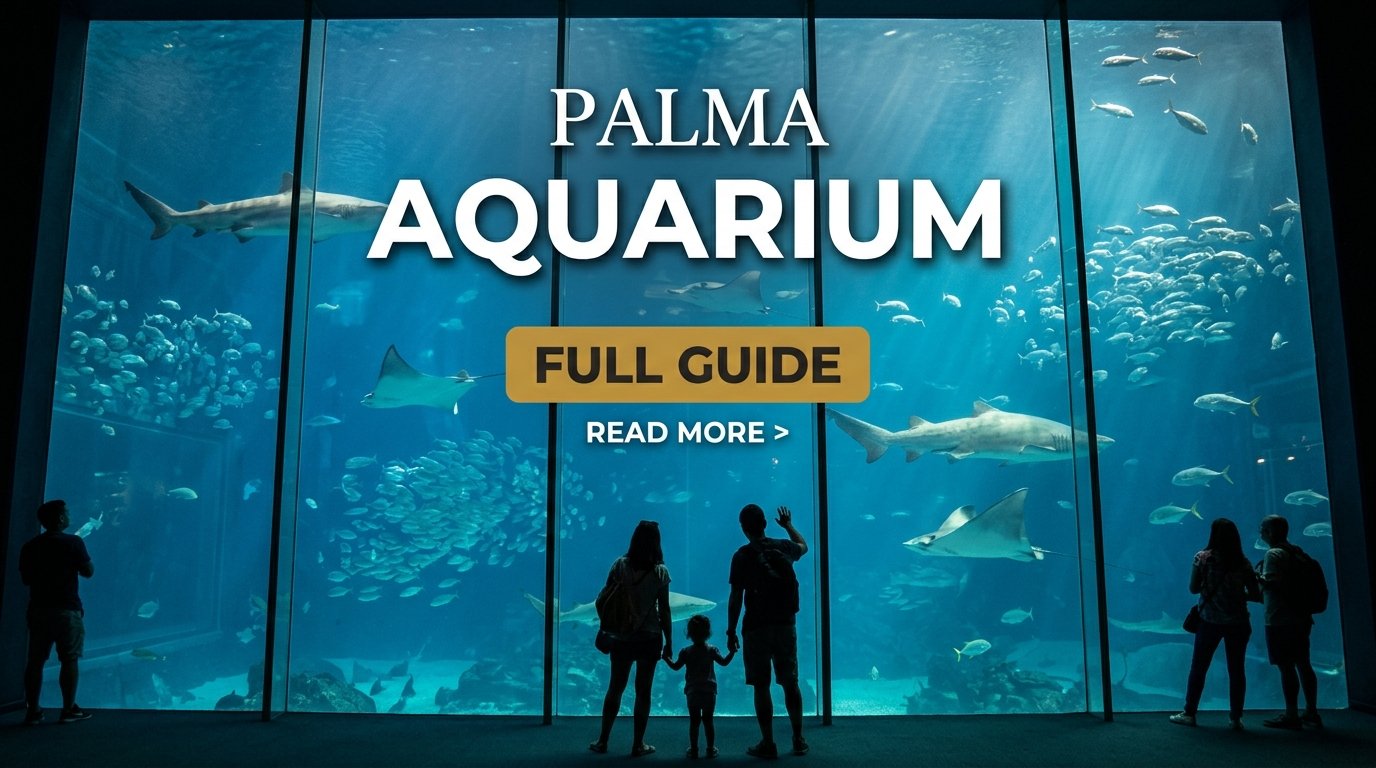
Palma Aquarium is a popular marine attraction in Palma de Mallorca, Spain, where visitors can explore the underwater world through a variety of aquariums, marine habitats, and educational exhibits. Located near the island’s coastline, this attraction offers an opportunity to discover colorful tropical fish, Mediterranean marine life, sharks, rays, and other fascinating aquatic animals.
Whether you are planning a family holiday, searching for an educational activity, or simply interested in marine life, Palma Aquarium offers an experience that combines entertainment with environmental awareness. Its exhibits introduce visitors to different aquatic environments and explain why protecting oceans and marine ecosystems is important.
This guide covers Palma Aquarium’s location, marine exhibits, highlights, family activities, conservation work, and useful tips for planning a visit.
What Is Palma Aquarium?
Palma Aquarium is a marine park and aquarium located in Palma, the capital of Mallorca in Spain’s Balearic Islands. It opened in 2007 and is designed to introduce visitors to marine biodiversity through aquariums, habitat displays, and educational experiences.
The attraction focuses on aquatic environments ranging from Mediterranean waters to tropical seas. Visitors can observe marine animals up close while learning about their habitats, feeding behavior, and ecological importance.
Unlike a traditional aquarium that focuses only on displaying fish, Palma Aquarium also emphasizes ocean education and conservation. Its exhibits help explain the relationships between marine species and the environments in which they live.
Where Is Palma Aquarium Located?
Palma Aquarium is situated in the Can Pastilla area of Palma de Mallorca, close to the island’s southern coastline and Palma de Mallorca Airport. Its location makes it a convenient attraction for tourists staying in Palma or nearby coastal resorts.
Visitors can generally reach the aquarium by car, taxi, public transportation, or organized excursions, depending on their starting point. Travel time varies according to traffic, transport connections, and the season.
Before traveling, check current transport schedules, opening hours, and admission arrangements. These details may change during holidays or different times of the year.
What Can You See at Palma Aquarium?
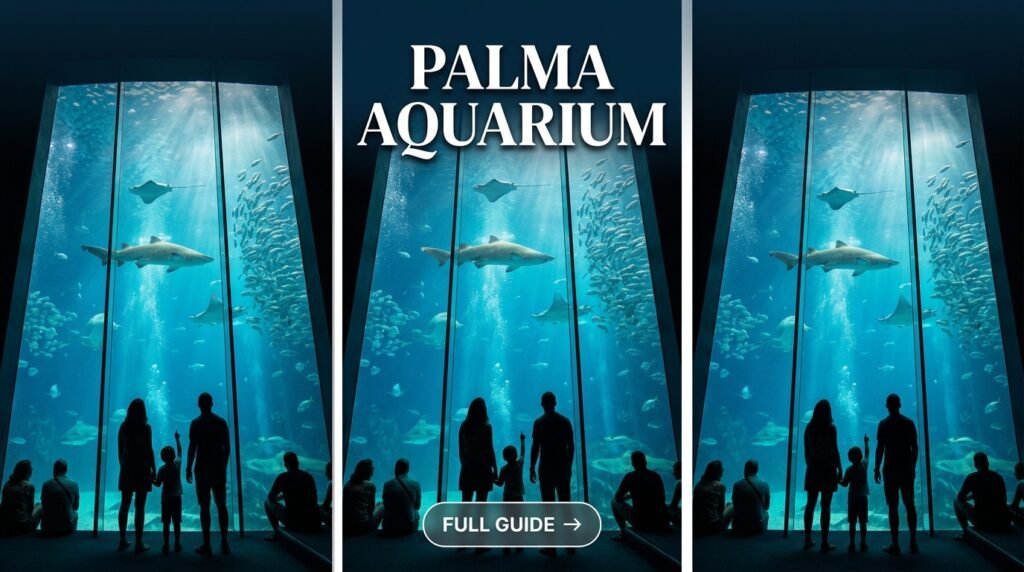
Palma Aquarium features a variety of marine exhibits designed to introduce visitors to aquatic environments around the world. The exact exhibits and experiences available may change, but several themes are central to the attraction.
Mediterranean Marine Life
The Mediterranean Sea surrounds much of Mallorca and supports a diverse range of marine species. Mediterranean-themed exhibits help visitors understand the wildlife found in regional waters and the importance of protecting local marine habitats.
Depending on the exhibits available, visitors may see fish and invertebrates associated with rocky coastlines, seagrass meadows, and other Mediterranean environments.
These displays can be particularly interesting for people visiting Mallorca because they connect the aquarium experience with the surrounding sea.
Tropical Aquariums
Tropical marine environments contain some of the world’s most colorful fish and coral-associated species. Tropical aquariums showcase the variety of life found in warm ocean waters.
Visitors may encounter brightly colored reef fish and other aquatic animals adapted to tropical habitats. These exhibits demonstrate how different species depend on suitable water conditions, shelter, food sources, and healthy ecosystems.
Tropical marine displays also provide an opportunity to learn about the threats facing coral reefs, including warming oceans, pollution, and habitat degradation.
Shark Exhibits
Sharks are among the most recognizable animals associated with large public aquariums. Palma Aquarium is known for its large shark display, which gives visitors a chance to observe these predators in an aquarium environment.
Watching sharks swim through a large viewing area can help visitors appreciate their movement, body shape, and role in marine food webs.
Sharks are important predators in many ocean ecosystems. Educational exhibits can help correct common misconceptions and explain why some shark populations face pressure from overfishing and habitat changes.
The species displayed and viewing arrangements may vary, so visitors interested in a particular shark should confirm current exhibit information before their trip.
Rays and Other Marine Animals
Rays are close relatives of sharks and have flattened bodies adapted for moving along or near the seabed. They are fascinating to observe because of their graceful swimming movements.
Aquariums may also feature a variety of other marine animals, including smaller fish and invertebrates. Their displays help explain the diversity of ocean life and the specialized adaptations different species use to survive.
Visitors should follow aquarium rules and never attempt to touch animals unless an activity is specifically supervised and authorized by the facility.
Jellyfish and Other Unique Species
Jellyfish are among the most visually striking animals found in some aquarium exhibits. Their transparent bodies and flowing movements can create a distinctive viewing experience.
Educational displays about jellyfish and other unusual marine animals help visitors understand their life cycles, feeding strategies, and roles in aquatic food webs.
Exhibit availability can change, so it is worth checking the current aquarium map or visitor information when planning a visit.
The Big Blue Aquarium
One of Palma Aquarium’s best-known highlights is its large shark aquarium, often referred to as the Big Blue. It has been promoted as a major attraction within the facility, allowing visitors to observe large marine animals in a substantial viewing environment.
Large aquariums provide space to display animals that need more swimming room than small tanks can offer. They also allow visitors to see how fish move through the water and interact with the environment around them.
For aquarium enthusiasts, large marine exhibits can be especially interesting because they require careful attention to water quality, filtration, circulation, and animal care. Maintaining a large aquarium is considerably more complex than maintaining a typical home fish tank.
Palma Aquarium for Families and Children
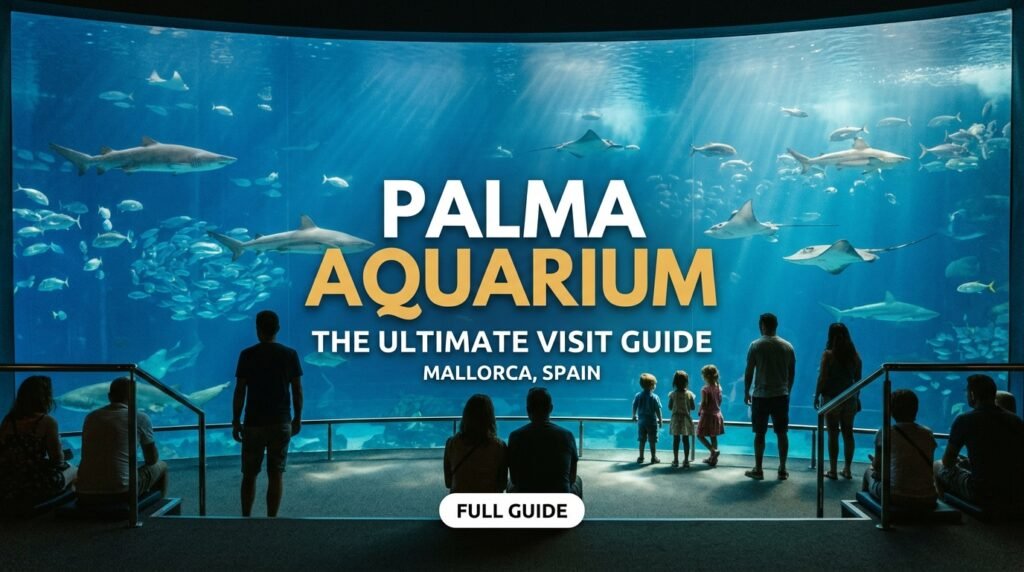
Palma Aquarium can be an engaging destination for families because it combines animal displays with opportunities to learn about nature. Children can discover different kinds of fish, explore marine habitats, and develop an interest in ocean conservation.
A visit can also encourage conversations about plastic pollution, responsible seafood choices, marine wildlife protection, and the importance of keeping oceans healthy.
Families should plan breaks according to the needs of younger children and check which activities are available for their ages. Some experiences may have height, age, health, or supervision requirements.
It is also useful to review the facility’s accessibility information if anyone in the group has mobility requirements.
Educational Activities and Ocean Conservation
Aquariums can play an important role in marine education by helping people understand ecosystems they may never experience directly.
Palma Aquarium offers educational opportunities related to marine biodiversity and the conservation of ocean habitats. Its exhibits can introduce visitors to the environmental challenges facing marine life and the actions that individuals and communities can take to reduce their impact.
Important conservation topics include:
Plastic pollution: Plastic waste can injure marine animals, damage habitats, and break down into smaller particles that spread through the environment.
Climate change: Rising ocean temperatures and changing ocean chemistry affect coral reefs, marine food webs, and the distribution of many species.
Habitat protection: Seagrass meadows, rocky reefs, wetlands, and other coastal habitats provide food, shelter, and breeding grounds for marine organisms.
Responsible behavior: Visitors can support marine conservation by reducing disposable plastic use, respecting wildlife, and following responsible tourism practices.
Learning about these issues can make an aquarium visit more meaningful by connecting individual animal exhibits with the wider health of the ocean.
How Long Does a Visit to Palma Aquarium Take?
The time required to explore Palma Aquarium depends on your pace, interest in the exhibits, and participation in additional activities.
A visit of around three to four hours may be a reasonable planning estimate for many visitors, but families and marine-life enthusiasts may wish to spend longer. Special experiences, seasonal programs, or additional attractions can change the amount of time needed.
To make the most of your visit, allow enough time to explore the main exhibits without rushing. If you are traveling with children, include time for breaks and meals.
Check the official visitor information for the current opening schedule and the latest guidance on how much time to allow.
Best Time to Visit Palma Aquarium
The best time to visit depends on your travel plans and preferred atmosphere.
Visiting During the Morning
Arriving near opening time may give you more flexibility to explore exhibits before the busiest periods. Morning visits can be convenient for families who want to finish their activities earlier in the day.
Visiting During Peak Tourist Season
Mallorca attracts many visitors during warmer months and school holidays. The aquarium may be busier during these periods, so advance planning is useful.
Check whether timed admission or advance ticket purchases are recommended for your selected date.
Visiting Outside Peak Season
Traveling outside the busiest holiday periods may provide a more relaxed experience, although opening schedules and available activities can vary by season.
Always confirm the operating schedule before traveling, particularly during public holidays or the winter season.
Palma Aquarium Tickets and Admission
Admission prices and ticket options can change depending on the date, visitor category, promotions, and additional experiences.
Before purchasing tickets, review the current admission information and check what is included in the standard ticket. Some special activities may require separate reservations or additional payment.
Families should check whether child tickets, family packages, or other discounts are available for their intended visit. Review cancellation policies and any timed-entry conditions before completing a purchase.
Avoid relying on old ticket prices found in outdated travel articles because they may no longer be accurate.
How to Get to Palma Aquarium
Palma Aquarium is located near Palma de Mallorca Airport and the Can Pastilla area, making it accessible from several parts of the island.
By car: Driving can be convenient for visitors staying outside Palma. Check parking arrangements before departure.
By taxi: A taxi may be a practical option from nearby hotels, the airport, or central Palma.
By public transportation: Local bus connections may be available depending on your starting location and the current timetable. Check the latest route information before traveling.
By organized excursion: Some tour providers may offer transport or combined activities. Confirm the itinerary, pickup location, and return arrangements before booking.
Because traffic and public transportation schedules can change, allow extra time if you have other activities planned for the same day.
Tips for Enjoying Palma Aquarium
A little preparation can make your visit more comfortable and enjoyable.
- Check opening hours and ticket availability before leaving your hotel.
- Review the aquarium map so you can identify the exhibits that interest you most.
- Allow several hours rather than trying to rush through every display.
- Follow all instructions around animal exhibits and supervised activities.
- Wear comfortable footwear if you expect to spend several hours walking.
- Check accessibility facilities if someone in your group needs them.
- Confirm whether food, drink, photography, and outside items are subject to restrictions.
- Review the rules for any additional experiences before booking them.
- Encourage children to observe animals without tapping on glass or disturbing other visitors.
- Check current transport options and return arrangements in advance.
Is Palma Aquarium Worth Visiting?
Palma Aquarium can be a worthwhile attraction for people interested in marine animals, ocean education, and family-friendly activities. Its combination of Mediterranean and tropical marine exhibits offers an opportunity to discover species from different aquatic environments in one location.
The attraction may be especially appealing to families with children, travelers looking for an indoor activity, and visitors who enjoy observing marine life.
Whether it is the right choice for you depends on your interests, available time, ticket cost, and the other activities you plan during your stay in Mallorca. Reviewing current visitor information can help you decide whether the aquarium fits your itinerary.
Frequently Asked Questions
Where is Palma Aquarium located?
Palma Aquarium is located in the Can Pastilla area of Palma de Mallorca, Spain, near the island’s southern coastline and Palma de Mallorca Airport.
What is Palma Aquarium famous for?
It is known for its Mediterranean and tropical marine exhibits, shark displays, aquatic biodiversity, and educational focus on ocean conservation.
How long should I spend at Palma Aquarium?
Around three to four hours is a useful planning estimate for many visitors. You may need additional time for special activities, breaks, or a more detailed exploration.
Is Palma Aquarium suitable for children?
Yes, it can be an engaging family attraction where children can discover marine animals and learn about ocean ecosystems. Check current age requirements for any special activities.
Can I see sharks at Palma Aquarium?
Palma Aquarium is known for its large shark aquarium. However, specific species and exhibit arrangements may change, so check current information if you want to see a particular animal.
Does Palma Aquarium have tropical fish?
Yes, tropical marine life is an important part of its aquarium displays. The exhibits introduce visitors to species associated with warm ocean environments.
When is the best time to visit Palma Aquarium?
Morning visits may offer more flexibility, while the busiest periods often coincide with major holidays and peak tourist season. Check opening hours and admission arrangements for your preferred date.
Do I need to book Palma Aquarium tickets in advance?
Advance booking may be useful during busy periods or when you want to participate in a special activity. Check the current ticket policy before your visit.
How can I get to Palma Aquarium from Palma Airport?
The aquarium is located near Palma de Mallorca Airport. Depending on your needs, you may be able to travel by taxi, car, or public transportation. Check current routes and journey times before leaving.
Is Palma Aquarium focused on conservation?
Marine education and conservation are important themes of the attraction. Its exhibits help visitors understand marine biodiversity and environmental challenges such as pollution and habitat loss.
Conclusion
Palma Aquarium is a well-known marine attraction in Mallorca, Spain, offering visitors the chance to explore Mediterranean and tropical aquatic environments, observe fascinating marine animals, and learn about ocean conservation.
From large shark displays to colorful fish and educational exhibits, the aquarium provides an experience for families, tourists, and marine-life enthusiasts. Planning ahead by checking current tickets, opening hours, transport options, and available activities can help you make the most of your visit.
For anyone interested in discovering marine biodiversity while visiting Palma de Mallorca, Palma Aquarium is an attraction worth considering.