
 By admin
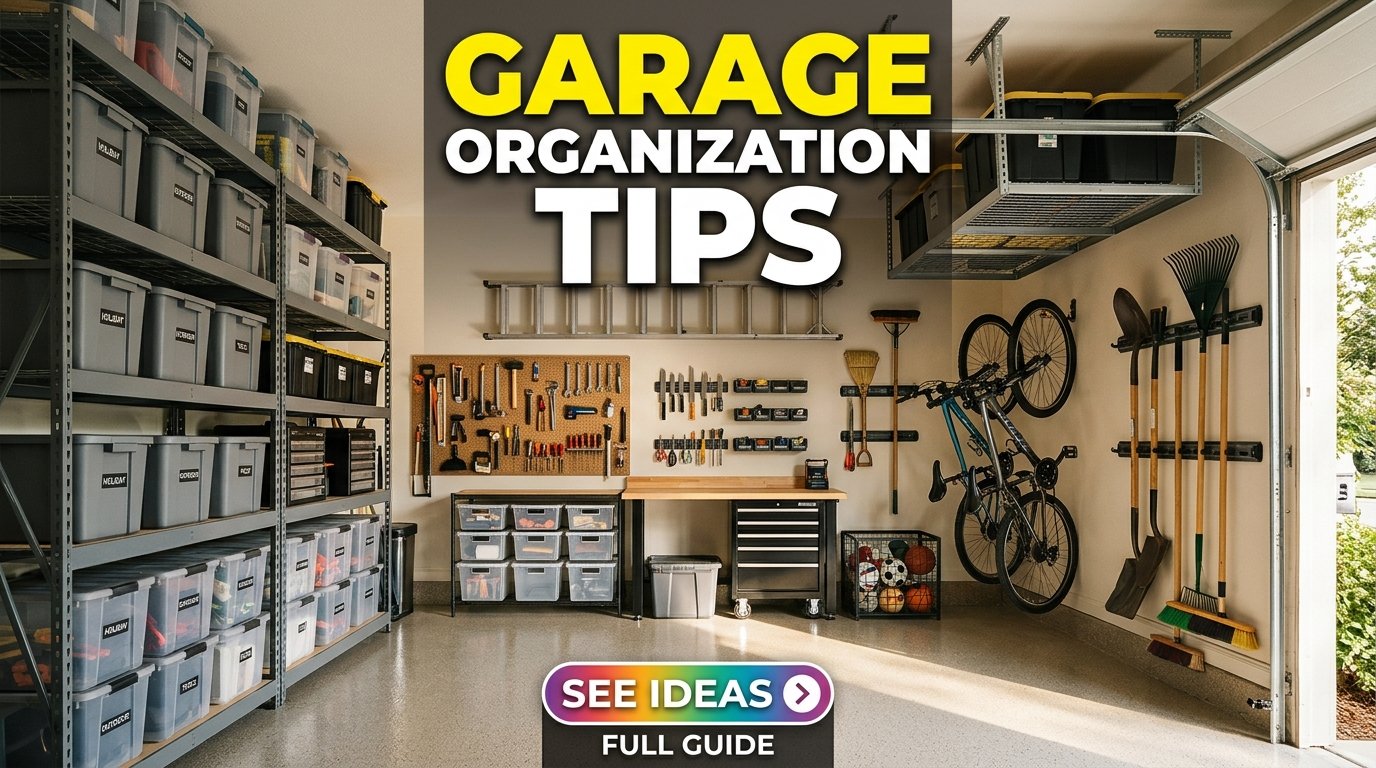
Garage organization tips can help you turn a messy, overcrowded garage into a clean, functional, and well-organized space. Whether you use your garage for parking, household storage, DIY projects, gardening equipment, or vehicle maintenance, having a proper organization system makes everyday tasks easier.
Over time, garages often become storage areas for items that do not have a designated place inside the home. Tools, bicycles, seasonal decorations, sports equipment, cleaning supplies, and cardboard boxes can quickly take over the available space. Without a practical system, finding even a small item can become frustrating.
The good news is that organizing a garage does not have to be expensive or complicated. A few smart changes, such as decluttering, using vertical storage, installing shelves, labeling containers, and creating dedicated storage zones, can make a noticeable difference.
In this guide, you will discover 25 useful garage organization tips to maximize space, improve accessibility, and maintain a neat garage throughout the year.
1. Start by Decluttering Everything
The first step toward a well-organized garage is removing belongings you no longer need. Adding storage shelves and cabinets before decluttering can waste money and create unnecessary clutter.
Begin by sorting your belongings into four categories: keep, donate, sell, and discard. Separate tools, gardening supplies, sports equipment, automotive products, seasonal decorations, and household items.
Be honest about what you actually use. If an item has been sitting untouched for years and has no practical value, consider letting it go.
Once you have removed unnecessary belongings, clean the floor, shelves, corners, and walls before arranging the remaining items.
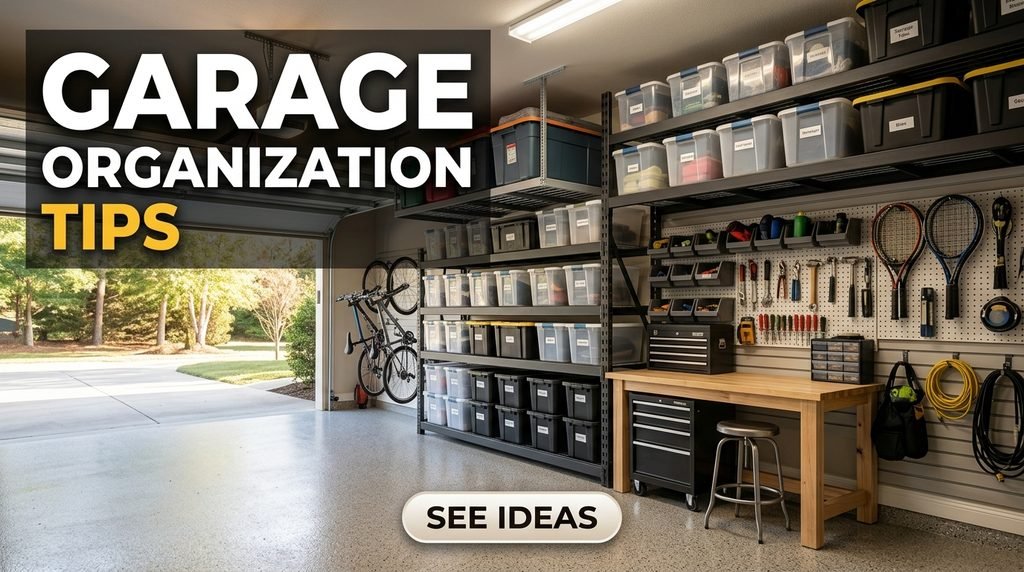
2. Divide Your Garage Into Storage Zones
One of the most effective garage organization tips is to create separate zones for different categories of belongings.
Instead of storing everything wherever space is available, assign a specific area to each type of item.
For example, you can create:
- A tool and workshop zone
- An automotive supplies zone
- A gardening equipment zone
- A sports equipment zone
- A seasonal storage zone
- A household supplies zone
Keep similar belongings together so you can find them quickly. This simple system also makes it easier for family members to return items to their correct places.
3. Make Better Use of Vertical Space
Garage walls provide valuable storage space that is often ignored. Instead of allowing tools, boxes, and equipment to occupy the floor, use suitable wall-mounted storage systems.
Install hooks, rails, shelves, pegboards, and baskets to organize belongings vertically.
Wall storage is particularly useful for bicycles, ladders, garden tools, extension cords, and frequently used equipment.
Before installing any storage system, check the wall material and use appropriate mounting hardware for the expected weight.
4. Install Strong Garage Shelving
Garage shelving helps organize storage containers, household supplies, automotive accessories, and equipment.
Choose shelves according to the weight of your belongings. Metal shelving is often suitable for heavy-duty storage, while wooden shelves can work well for lighter household items when properly supported.
Place heavy items on lower shelves and lighter containers higher up. Avoid overloading shelves, and follow the manufacturer’s weight limits.
For a cleaner appearance, use matching containers and arrange them by category.
5. Keep Frequently Used Items Within Reach
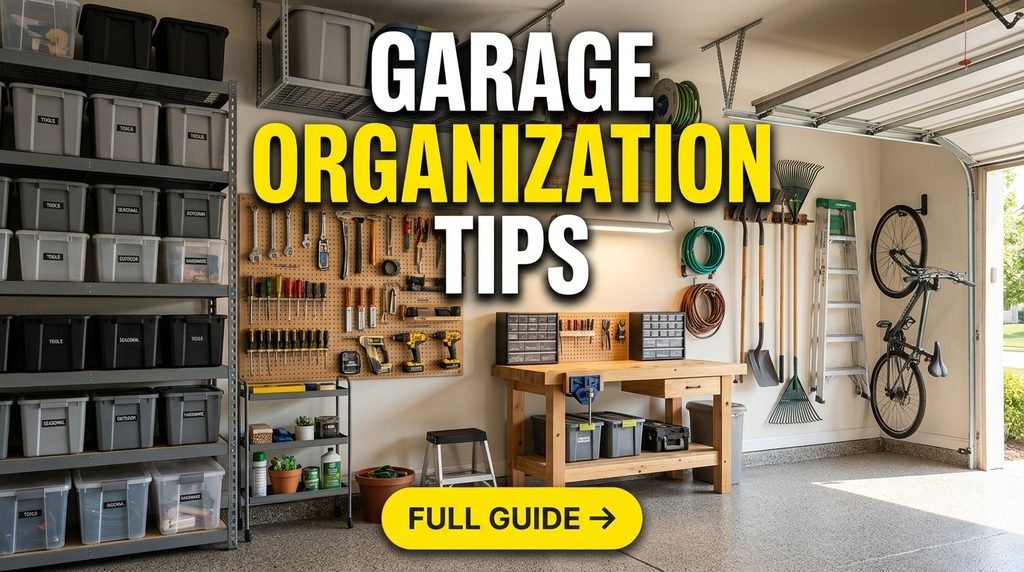
Not every item needs to be stored in the same way. Belongings you use regularly should be easier to access than seasonal or occasional-use equipment.
Keep frequently used tools, cleaning supplies, gardening accessories, and sports equipment at convenient heights.
Store occasional-use items in higher cabinets or suitable overhead storage areas.
This arrangement saves time and reduces the need to move several boxes whenever you need something.
6. Use Clear Storage Containers
Clear storage containers make it easier to identify belongings without opening every box.
They are useful for storing holiday decorations, camping equipment, household accessories, sports supplies, and small tools.
Choose stackable containers in consistent sizes to make shelves look neat. Add labels even when the containers are transparent so everyone knows where items belong.
For belongings that need protection from moisture or dust, choose appropriate sealed containers and store them in a suitable location.
7. Label Every Storage Box and Drawer
Labels are a simple but powerful organization tool. They prevent confusion and make it easier to return belongings to the correct location.
Use clear labels such as:
- Gardening Tools
- Car Cleaning Supplies
- Christmas Decorations
- Electrical Accessories
- Sports Equipment
- Hand Tools
- Camping Gear
You can use printed labels, adhesive labels, or a simple labeling machine. Keep the wording short and easy to understand.
8. Organize Tools With a Pegboard
A pegboard can make a garage workshop more organized and efficient.
Install it above your workbench and use hooks or holders to hang screwdrivers, pliers, hammers, measuring tapes, and other compatible tools.
Arrange tools by category so you can quickly find what you need. You can also outline individual tool shapes to make it easier to notice when something is missing.
Choose a pegboard and mounting system suitable for the weight of your tools.
9. Use Overhead Storage for Seasonal Items
The ceiling is an excellent place to store suitable belongings that you do not need every day.
Overhead racks can hold seasonal decorations, camping equipment, empty luggage, and other occasional-use items.
Before installing a ceiling rack, check the structural supports and follow the installation instructions. Never exceed its weight capacity or attach heavy storage directly to drywall.
Keep everyday belongings at ground level and use overhead storage carefully so it does not interfere with garage doors, vehicles, or walkways.
10. Keep the Garage Floor Clear
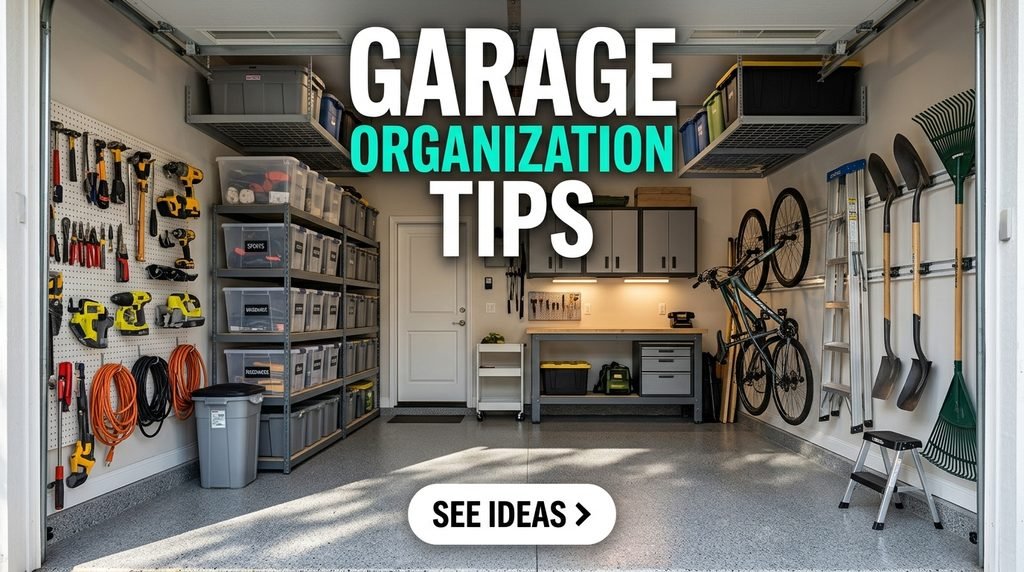
A clear garage floor makes the entire space look cleaner and more spacious.
Avoid leaving tools, boxes, shoes, sports equipment, and loose accessories on the floor. Use wall hooks, cabinets, shelving, and designated storage areas instead.
Maintain clear walking paths and make sure vehicle doors can open comfortably.
If you regularly move equipment around the garage, consider using a designated parking space for rolling carts and other mobile storage units.
11. Create a Dedicated Gardening Station
If you enjoy gardening, keep all outdoor equipment in one designated area.
Use a long-handled tool rack for shovels, rakes, and brooms. Install hooks for smaller tools and use baskets for gloves, plant ties, and accessories.
Store soil, fertilizer, and gardening products according to their packaging instructions. Keep chemicals secured and away from children and pets.
A dedicated gardening station prevents outdoor equipment from spreading throughout the garage.
12. Organize Bicycles and Sports Equipment
Bicycles, balls, helmets, rackets, and protective equipment can quickly make a garage feel crowded.
Use wall-mounted bicycle hooks or a suitable floor rack to keep bikes organized. Store balls in open baskets and hang sports bags or protective equipment on hooks.
If children use the equipment regularly, place their belongings at accessible heights while ensuring heavier items remain securely stored.
13. Install Garage Storage Cabinets
Cabinets are useful for storing items that you want to keep out of sight.
Use them for automotive accessories, cleaning products, power tools, household supplies, and other belongings that benefit from enclosed storage.
Tall cabinets can maximize vertical space, while wall-mounted cabinets can be useful above workbenches.
Choose cabinets that fit your garage dimensions and do not interfere with parking or safe movement.
14. Organize Small Items in Drawer Dividers
Screws, nails, bolts, washers, batteries, and small accessories can easily become mixed together.
Use drawer dividers or small-parts organizers to separate these items into individual compartments.
Label each section and arrange similar hardware together. This is especially useful for homeowners who regularly complete repairs and DIY projects.
15. Use Rolling Storage Carts
Rolling carts provide flexible storage because you can move them wherever you need them.
They are useful for DIY materials, cleaning supplies, automotive products, and frequently used tools.
Choose a cart with multiple shelves, strong wheels, and locking brakes. Keep heavier items on the bottom shelf to improve stability.
16. Store Extension Cords and Hoses Properly
Loose electrical cords and garden hoses can become tangled and create tripping hazards.
Install wall-mounted holders, reels, or suitable hooks to keep them organized.
Wrap cords and hoses neatly after use, inspect electrical cords for damage, and avoid storing them where vehicles can drive over them.
17. Create a Dedicated Car Care Area
Keep vehicle cleaning supplies together in one location.
Use a small cabinet, shelf, or rolling cart for microfiber towels, car shampoo, brushes, sponges, and other accessories.
Separate products into categories and label containers where necessary. Follow product safety instructions when storing automotive chemicals and keep them away from ignition sources.
18. Use the Garage Corners Wisely
Garage corners often become cluttered because they are not included in the original storage plan.
Install corner shelves, compact cabinets, or vertical racks to use these areas effectively.
Corners can be suitable for storing cleaning equipment, small household accessories, and lightweight supplies.
Choose storage products that do not obstruct vehicle access or walking paths.
19. Install Hooks for Folding Chairs and Ladders
Folding chairs, ladders, and portable tables can occupy a lot of floor space when stored randomly.
Use properly rated wall hooks or dedicated racks to store these items vertically.
Make sure the mounting hardware is suitable for the load and that stored objects cannot fall into walkways or onto vehicles.
20. Improve Garage Lighting
Good lighting makes an organized garage safer and easier to use.
Install suitable overhead lights and add task lighting above the workbench or storage areas.
Motion-sensor lights can be helpful near entrances and less frequently used sections.
Ensure electrical fixtures are appropriate for the garage environment and have electrical installations completed safely.
21. Keep Hazardous Materials Secure
Garage storage often includes paint, solvents, automotive fluids, pesticides, and cleaning chemicals.
These products require special attention. Follow the manufacturer’s storage instructions and keep them in their original, properly labeled containers whenever possible.
Store hazardous products securely, away from children, pets, food, and ignition sources. Maintain appropriate ventilation and avoid placing incompatible chemicals together.
22. Create a Recycling and Waste Station
A small recycling station can help prevent cardboard boxes, packaging, and household rubbish from spreading throughout the garage.
Use separate containers for general waste and recyclable materials according to your local collection requirements.
Choose bins that fit the available space and empty them regularly.
23. Measure Before Buying Storage Products
One common garage organization mistake is purchasing shelves and cabinets without measuring the available space.
Measure wall lengths, ceiling height, door clearance, and vehicle dimensions before buying storage products.
Think about how far vehicle doors open and leave enough room for safe walking.
A simple layout plan can prevent expensive mistakes and help you select storage solutions that actually fit your garage.
24. Avoid Storing Too Much in the Garage
A garage should remain functional rather than becoming a place for every unwanted household item.
Avoid keeping broken equipment, unused furniture, empty boxes, and belongings you no longer need.
Review your storage areas regularly and remove unnecessary items.
Keeping fewer belongings makes it easier to maintain an organized garage.
25. Follow a Regular Cleaning Routine
The final tip is to maintain your organization system.
Spend a few minutes returning items to their designated places after use. Check the floor, shelves, and workbench regularly to prevent clutter from building up.
A simple maintenance schedule can help:
| Frequency | Organization task |
|---|---|
| Daily | Return tools and equipment to their places |
| Weekly | Clear walkways and remove loose clutter |
| Monthly | Check shelves, cabinets, and storage bins |
| Every 3–6 months | Declutter and reorganize storage areas |
| Annually | Review the entire garage layout |
Garage Organization Tips for Small Spaces
A small garage requires careful planning because there is limited room for both storage and parking.
Use vertical storage wherever possible. Install narrow shelves, wall-mounted hooks, compact cabinets, and fold-down workbenches.
Choose stackable containers instead of oversized boxes. Keep the floor open and avoid placing large storage units where they interfere with vehicle doors.
Another useful idea is to create multifunctional storage areas. For example, a workbench with drawers underneath can provide both a workspace and additional storage.
Garage Organization Tips on a Budget
You do not need expensive cabinets or custom storage systems to organize your garage.
Start with affordable improvements such as:
- Reusing suitable plastic containers.
- Installing basic wall hooks.
- Building simple shelves with secure supports.
- Adding labels to existing boxes.
- Using jars or compartment boxes for small hardware.
- Creating a DIY pegboard station.
- Reorganizing existing cabinets.
- Using baskets to separate sports and gardening equipment.
Spend money on storage products only after identifying your actual needs.
Common Garage Organization Mistakes
Even with a good storage system, certain habits can make a garage messy again.
Skipping decluttering: Organizing unnecessary belongings only moves clutter from one place to another.
Ignoring vertical storage: Leaving walls unused wastes valuable storage potential.
Overloading shelves: Always follow the recommended weight limits for shelves, hooks, and overhead racks.
Blocking walkways: Storage should never prevent safe movement or vehicle access.
Mixing categories: Keep gardening, automotive, sports, and household belongings in separate zones.
Forgetting maintenance: Regular cleanup is essential for keeping the garage organized.
Conclusion
These garage organization tips can help you create a cleaner, safer, and more functional garage without spending a fortune. Start by removing unnecessary belongings, dividing the space into storage zones, and using walls and ceilings more effectively.
Simple improvements such as shelves, cabinets, pegboards, clear containers, hooks, and rolling carts can make everyday storage much easier. Remember to keep frequently used items accessible, store hazardous materials safely, and maintain clear walking paths.
The best garage organization system is one that fits your lifestyle and is easy to maintain. With a little planning and regular attention, you can keep your garage organized throughout the year.
Frequently Asked Questions
1. What is the first step in organizing a garage?
The first step is decluttering. Remove unwanted belongings, sort the remaining items into categories, and clean the space before installing storage systems.
2. How can I keep my garage organized?
Give every item a designated storage location, use labels, keep the floor clear, and return belongings to their proper places after use. Regular cleaning also helps prevent clutter.
3. What is the best way to organize a small garage?
Use vertical storage, wall hooks, narrow cabinets, stackable bins, and fold-down workbenches. Keep the center of the garage open for parking and movement.
4. Should I use open shelves or garage cabinets?
Open shelves are useful for frequently accessed belongings, while cabinets provide enclosed storage. Combining both options can create a practical and attractive garage organization system.
5. How do I organize garage tools?
Use pegboards, tool cabinets, drawer dividers, magnetic holders, and labeled organizers. Keep frequently used tools near your workbench.
6. How often should I clean my garage?
A quick weekly cleanup and a more detailed monthly inspection are helpful. Consider a complete decluttering session every three to six months.
7. How can I organize my garage without spending much money?
Reuse suitable containers, install inexpensive hooks, build basic shelves, label existing boxes, and organize small items in compartment organizers.
8. What should not be stored in a garage?
Avoid storing important documents, photographs, temperature-sensitive belongings, and perishable items in garages with unsuitable environmental conditions. Hazardous chemicals and fuels also require appropriate storage and safety precautions.
9. How can I maximize garage wall space?
Install pegboards, slatwall systems, hooks, wall-mounted shelves, and cabinets. Choose storage products that suit the wall structure and the weight of your belongings.
10. What is the best way to organize garage storage bins?
Group similar belongings together, choose stackable containers, and label each box clearly. Keep frequently used bins accessible and store occasional-use items in higher storage areas.