
 By admin
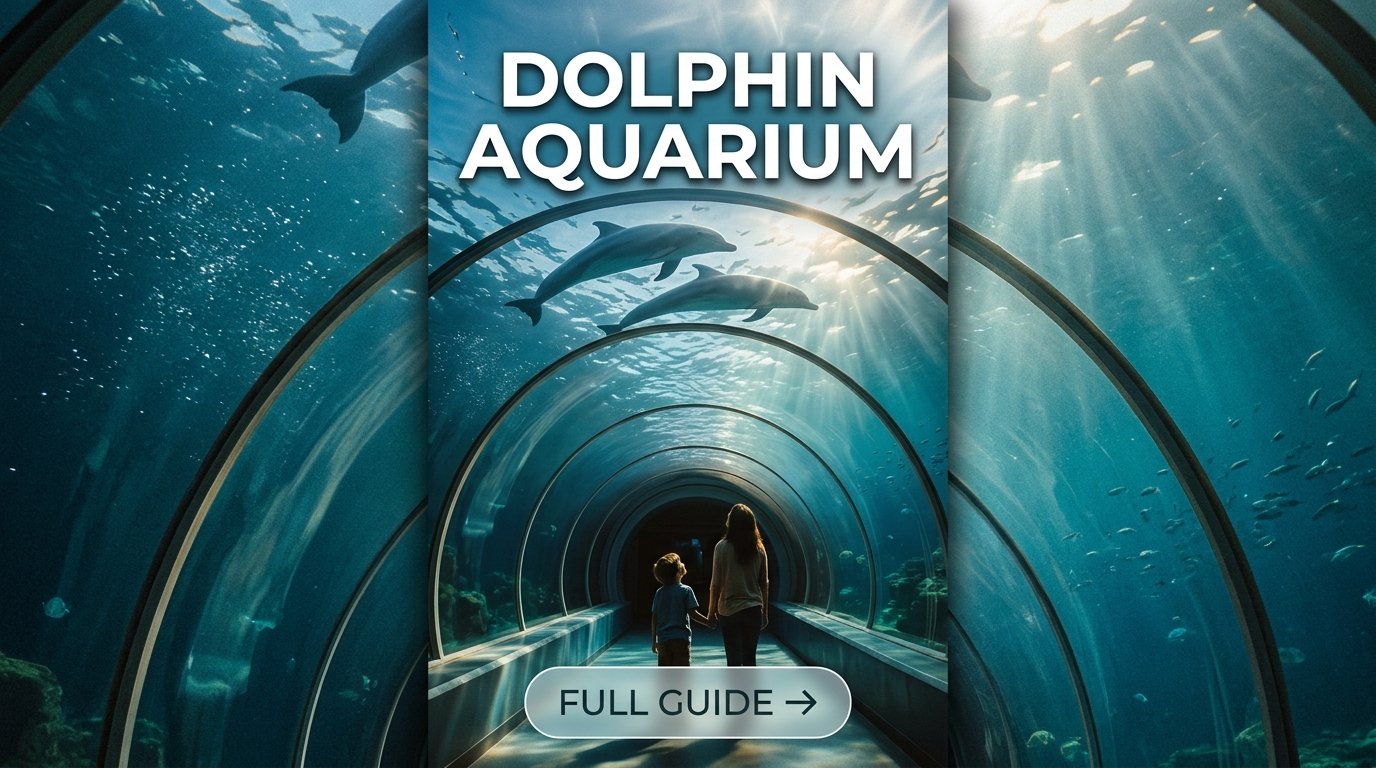
A dolphin aquarium is a popular attraction where visitors can observe dolphins, learn about their behavior, and discover more about marine life. Dolphins are intelligent, social marine mammals known for their playful personalities, communication skills, and impressive swimming abilities. Many aquariums and marine parks feature dolphin exhibits, educational presentations, and conservation programs designed to help visitors understand these fascinating animals.
Whether you are researching dolphin aquariums, planning a family visit, or simply interested in learning how dolphins live in aquatic environments, understanding these facilities can make the experience more meaningful. From large viewing pools and underwater observation areas to dolphin habitats and marine education programs, there are several features that make these attractions different from traditional fish aquariums.
What Is a Dolphin Aquarium?
A dolphin aquarium is a marine attraction or aquatic facility that provides opportunities to observe dolphins in managed environments. Unlike traditional aquariums that primarily display fish, corals, jellyfish, and other aquatic species, dolphin facilities focus on larger marine mammals.
These attractions may include large pools, underwater viewing windows, educational exhibits, and interactive presentations. Some facilities also operate rescue and rehabilitation programs for dolphins that cannot safely return to the wild.
The term dolphin aquarium is often used broadly. Some attractions are dedicated dolphinariums, while others are large marine parks that include dolphin habitats alongside traditional aquarium exhibits.
What Makes Dolphin Aquariums Special?
Dolphins have several characteristics that make them particularly interesting to observe. They are highly social animals, communicate through sounds and body movements, and use echolocation to navigate underwater environments.
A dolphin aquarium can help visitors understand these behaviors through observation and educational information.
Some features that make dolphin attractions special include:
- Underwater viewing: Visitors may observe dolphins swimming beneath the water’s surface.
- Large aquatic habitats: Dolphin facilities require much larger spaces than ordinary fish aquariums.
- Educational programs: Presentations explain dolphin behavior, anatomy, communication, and conservation.
- Marine life exhibits: Some parks combine dolphin habitats with exhibits featuring sharks, rays, turtles, and tropical fish.
- Conservation education: Responsible facilities may teach visitors about ocean pollution, habitat protection, and threats to wild dolphins.
Different Types of Dolphin Aquarium Experiences
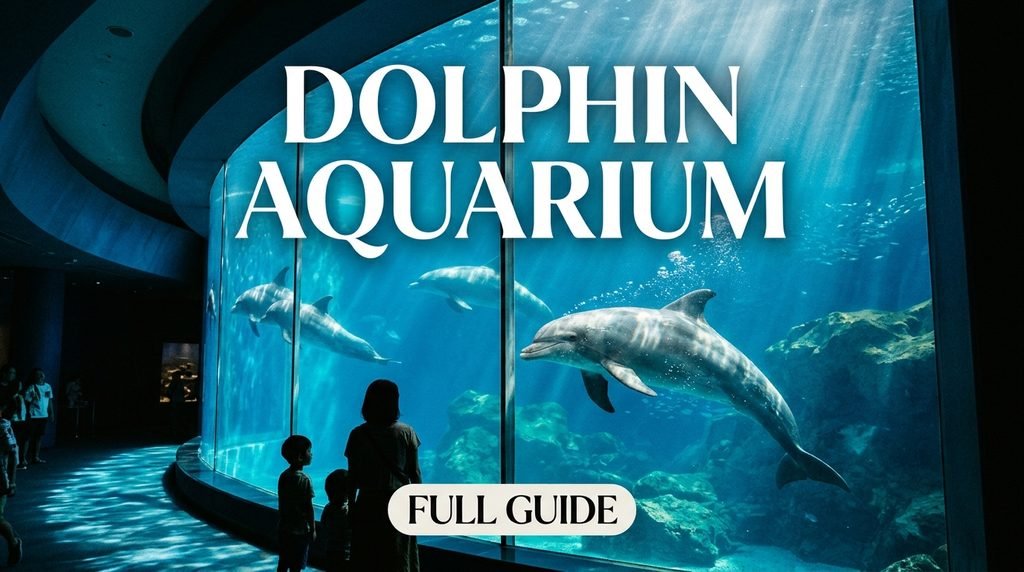
Not every dolphin attraction offers the same experience. Facilities vary in their design, educational focus, animal care practices, and visitor activities.
1. Dolphin Viewing Aquariums
Dolphin viewing facilities allow visitors to watch dolphins swimming in aquatic habitats. These areas may have underwater windows that provide views of dolphins moving through the water.
Underwater observation is particularly interesting because visitors can see how dolphins use their flippers, tails, and streamlined bodies to move efficiently.
Some facilities also provide information panels explaining dolphin anatomy and behavior.
2. Dolphin Educational Exhibits
Educational exhibits focus on teaching visitors about dolphins rather than providing entertainment alone.
These exhibits may explain how dolphins communicate, find food, care for their young, and live in social groups.
Visitors can learn about different dolphin species, their natural habitats, and the importance of protecting marine ecosystems.
3. Dolphin Rehabilitation Facilities
Some marine facilities provide temporary care for dolphins that are injured, sick, stranded, or otherwise unable to survive independently in the wild.
Rehabilitation programs may involve veterinary examinations, medical treatment, specialized feeding, and monitored recovery.
The ultimate objective, when possible, is to return rehabilitated animals to their natural habitats. Dolphins that cannot safely be released may require long-term care under appropriate professional supervision.
4. Marine Parks With Dolphin Habitats
Large marine parks sometimes include dolphin habitats alongside other aquatic exhibits.
These parks may feature tropical fish, coral displays, sharks, sea turtles, penguins, and educational areas.
A combined marine park can provide a broader learning experience by introducing visitors to different ocean environments and species.
What Do Dolphin Aquariums Look Like?
Dolphin facilities are designed differently from conventional home aquariums. Because dolphins are large, active marine mammals, their habitats require substantial space, specialized water systems, and professional animal-care facilities.
Common design features include:
| Feature | Purpose |
|---|---|
| Large swimming pools | Provide aquatic space for dolphins |
| Underwater viewing windows | Allow visitors to observe underwater behavior |
| Water filtration systems | Maintain appropriate water quality |
| Veterinary areas | Support health examinations and medical care |
| Shaded resting areas | Provide suitable environmental conditions |
| Educational displays | Teach visitors about dolphins and marine conservation |
| Food preparation areas | Support carefully managed feeding programs |
The quality of a facility depends on more than its appearance. Animal welfare, environmental enrichment, veterinary care, and responsible management are essential considerations.
Famous Dolphin Aquariums and Marine Attractions Around the World
Several well-known marine attractions around the world provide opportunities to learn about dolphins and other ocean animals. Their facilities, educational programs, and animal-care approaches vary.
1. Georgia Aquarium, United States
<escape> </escape>
The <escape>Georgia Aquarium</escape> in Atlanta is one of the world’s best-known aquarium attractions. It features extensive marine exhibits and educational experiences.
The aquarium has offered dolphin-related presentations and provides visitors with opportunities to learn about marine mammals. Its broader collection includes animals such as whale sharks, manta rays, beluga whales, and numerous fish species.
2. Okinawa Churaumi Aquarium, Japan
Okinawa Churaumi Aquarium is famous for its impressive marine exhibits, particularly its enormous Kuroshio Sea tank.
The surrounding Okinawa region also has dolphin-related attractions and marine education facilities. Visitors interested in dolphins can explore the wider area’s marine experiences while learning about ocean biodiversity.
3. SeaWorld Orlando, United States
SeaWorld Orlando is a large marine-themed attraction with dolphin-related exhibits and educational presentations.
Visitors can learn about marine mammals, observe aquatic animals, and explore exhibits focused on ocean environments. Its animal programs and practices should be evaluated through current welfare information and independent standards.
4. Lisbon Oceanarium, Portugal
Lisbon Oceanarium is a major aquarium known for its large central ocean exhibit and diverse marine species.
Although it is not primarily a dolphin aquarium, it offers an excellent opportunity to explore ocean ecosystems, marine biodiversity, and conservation education.
5. Dubai Aquarium and Underwater Zoo, United Arab Emirates
Dubai Aquarium and Underwater Zoo is a popular indoor marine attraction located in Dubai Mall.
It features a large aquarium tank containing numerous aquatic species, including sharks and rays. It is not a dedicated dolphin facility, but it is an example of how modern aquarium attractions combine underwater viewing with educational experiences.
What Do Dolphins Eat?
Dolphins are carnivorous marine mammals. Their diets vary depending on their species, natural habitat, age, and available food sources.
Common foods include:
- Fish
- Squid
- Shrimp
- Other small marine animals
Wild dolphins usually hunt for food using a combination of echolocation, teamwork, and specialized hunting techniques.
In professional marine facilities, feeding programs are developed by animal-care specialists and veterinarians. Food quantity and nutritional content are carefully managed according to each animal’s needs.
How Do Dolphins Communicate?
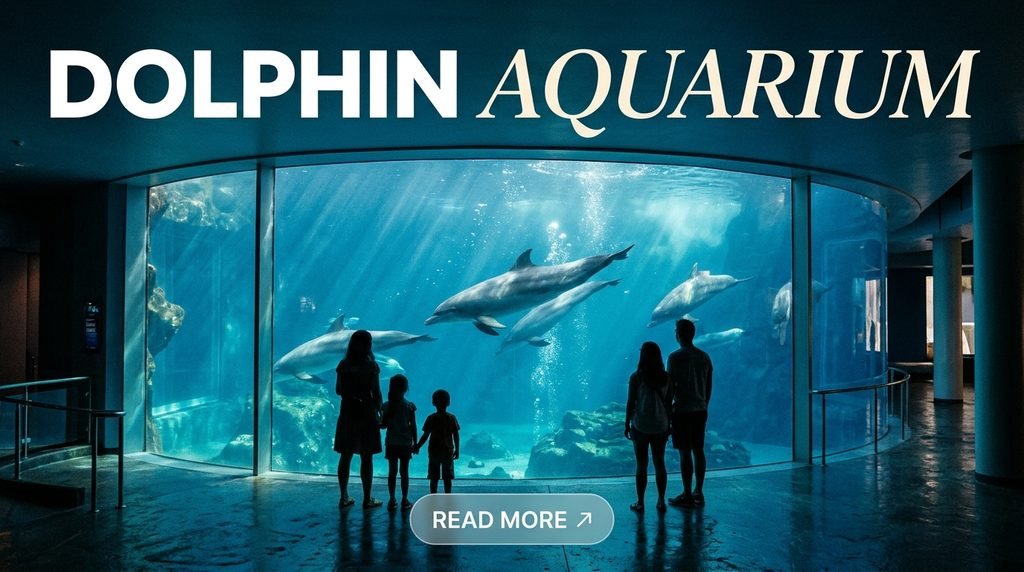
Dolphins are famous for their complex communication abilities. They produce different sounds, including clicks, whistles, and burst-pulse sounds.
Each sound can serve a different purpose.
Whistles: Dolphins use whistles for communication and social interaction. Some bottlenose dolphins develop distinctive signature whistles that help identify individuals.
Clicks: Clicking sounds are especially important for echolocation. Dolphins use returning echoes to understand their surroundings and locate objects.
Body movements: Dolphins also communicate through swimming patterns, physical contact, jumps, and other movements.
Observing these behaviors can help visitors appreciate how intelligent and socially complex dolphins are.
Why Do Dolphins Jump Out of the Water?
One of the most recognizable dolphin behaviors is jumping above the water’s surface.
Dolphins may leap for several reasons, including communication, social interaction, play, and movement between locations.
Jumping can also help them observe their surroundings. However, the exact purpose of a particular leap is not always easy to determine.
This behavior is one reason dolphin exhibits attract so much attention from visitors.
Dolphin Aquarium Design and Habitat Requirements
Creating an appropriate environment for dolphins is much more complicated than setting up a regular aquarium.
Dolphins are active, intelligent animals that require specialized care and carefully managed environments.
Large Swimming Areas
Dolphins naturally travel, swim, dive, and interact with other members of their social groups. Their habitats must account for their size, activity levels, and behavioral needs.
A responsible facility should prioritize adequate space and environmental complexity rather than focusing only on visitor visibility.
Water Quality Management
Water quality is essential for marine mammal health.
Professional facilities monitor several important parameters, including:
- Water temperature
- Salinity
- pH levels
- Water clarity
- Chemical balance
- Microbiological conditions
Filtration and water-treatment systems must be designed and maintained by qualified professionals.
Veterinary Care
Regular veterinary care helps identify health problems and maintain animal welfare.
Veterinary teams may monitor physical condition, appetite, behavior, skin health, and other indicators.
Medical facilities and trained staff are important parts of responsible dolphin care.
Environmental Enrichment
Dolphins are intelligent animals that need opportunities to engage in natural behaviors.
Environmental enrichment may include suitable objects, changing activities, problem-solving exercises, and social opportunities.
The purpose is to encourage physical activity, mental stimulation, and positive animal welfare.
Are Dolphin Aquariums Good for Education?
Dolphin aquariums and marine parks can provide educational opportunities when their programs are accurate, transparent, and focused on animal welfare and conservation.
Visitors may learn about:
- Dolphin anatomy and physiology
- Marine mammal communication
- Ocean food chains
- Dolphin social behavior
- Marine pollution
- Plastic waste and ocean conservation
- Threats facing wild dolphin populations
- Responsible wildlife observation
Educational experiences are most valuable when they explain both the fascinating abilities of dolphins and the challenges these animals face in natural environments.
Dolphin Aquarium Animal Welfare: What Should Visitors Consider?
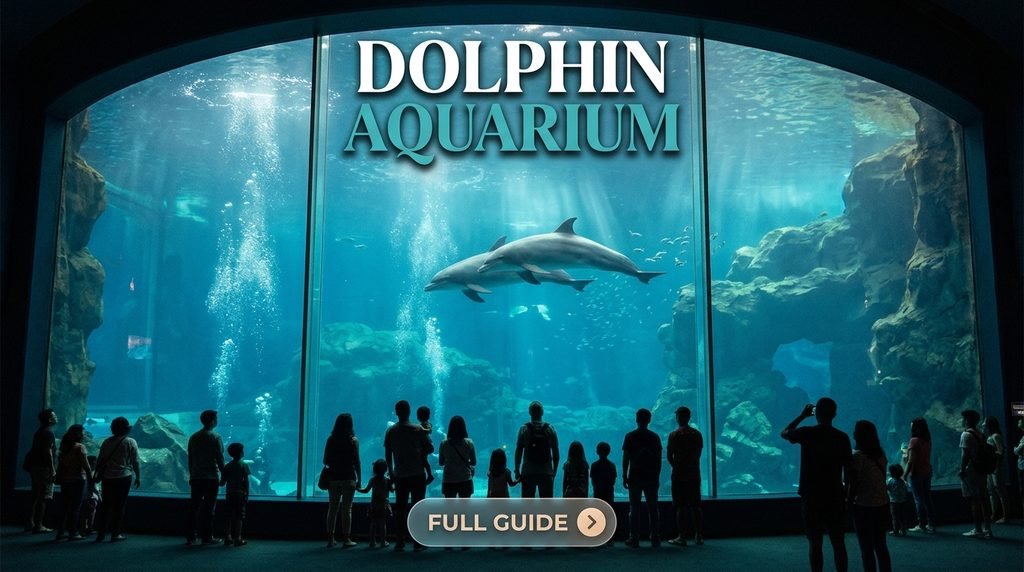
Animal welfare is one of the most important issues when choosing a dolphin attraction.
Dolphins are not ordinary aquarium fish. They are intelligent, social marine mammals with complex physical and behavioral requirements.
Before visiting a dolphin facility, consider the following factors.
1. Habitat Quality
Look for transparent information about habitat size, environmental conditions, enrichment, and opportunities for natural behavior.
2. Veterinary Standards
Responsible facilities should have access to qualified marine mammal veterinarians and appropriate medical care.
3. Social Needs
Dolphins naturally form social relationships. Their care arrangements should consider compatibility, social interaction, and individual needs.
4. Educational Purpose
Prefer facilities that provide meaningful information about dolphin biology, conservation, and threats to wild populations.
5. Responsible Visitor Activities
Consider whether the attraction prioritizes animal welfare over close-contact experiences or entertainment activities.
Swimming with dolphins, touching them, and taking photographs with them can raise welfare concerns. Visitors should research the facility’s policies and independent animal-welfare assessments before participating.
Dolphin Aquarium vs. Traditional Aquarium
Dolphin facilities and traditional aquariums have different purposes and requirements.
| Comparison | Dolphin Aquarium | Traditional Aquarium |
|---|---|---|
| Main animals | Dolphins and sometimes other marine mammals | Fish and aquatic invertebrates |
| Habitat requirements | Very large, specialized aquatic environments | Vary from small tanks to enormous exhibits |
| Animal care | Specialized marine mammal care | Species-specific aquatic animal care |
| Main attractions | Dolphin observation and education | Fish, coral, sharks, rays, and other exhibits |
| Water systems | Specialized marine mammal systems | Freshwater or saltwater filtration systems |
| Educational focus | Marine mammal behavior and conservation | Aquatic biodiversity and ecosystems |
Both types of facilities can support marine education, but their animal-care requirements are significantly different.
Can You Keep a Dolphin in a Home Aquarium?
No. Dolphins cannot be kept in ordinary home aquariums.
They are large, highly active marine mammals that need extensive aquatic environments, specialized veterinary attention, carefully managed nutrition, and appropriate social conditions.
Even a very large residential swimming pool would not provide the complete environment required for responsible dolphin care.
People who love dolphins can instead create a dolphin-themed home aquarium using suitable fish species and decorative elements.
Dolphin-Themed Aquarium Ideas for Your Home
If you love dolphins, you can bring the ocean-inspired appearance of a dolphin aquarium into your home without keeping actual dolphins.
Here are some creative ideas.
1. Blue Ocean Aquarium Theme
Use a blue background, natural-looking rocks, aquarium-safe decorations, and suitable aquatic plants to create an ocean-inspired display.
Choose decorations that do not have sharp edges or release harmful substances into the water.
2. Dolphin Aquarium Decorations
Small dolphin ornaments can create a marine-inspired appearance. Always choose aquarium-safe materials designed specifically for underwater use.
Avoid painted household decorations, metal objects, or materials that may release chemicals.
3. Dolphin-Themed LED Lighting
Blue and white lighting can create an attractive underwater atmosphere.
However, lighting should be selected according to the needs of the fish and plants in the aquarium. Excessive lighting can encourage unwanted algae growth.
4. Ocean-Inspired Background
A background featuring an underwater landscape, coral reef, or open ocean can make a freshwater aquarium look more like a miniature marine environment.
5. Natural Aquascaping
You can create a peaceful underwater landscape using rocks, driftwood, aquatic plants, and open swimming spaces.
This approach provides a natural appearance while maintaining a suitable environment for your chosen fish.
What Fish Can You Keep in a Dolphin-Themed Aquarium?
A dolphin-themed aquarium can contain peaceful freshwater fish, provided the tank size, water parameters, and compatibility requirements are appropriate.
Some possibilities include:
| Fish | General Characteristics |
|---|---|
| Guppies | Colorful, active, and suitable for appropriately sized freshwater aquariums |
| Neon tetras | Small schooling fish with bright blue and red colors |
| Zebra danios | Active freshwater fish that prefer groups |
| Corydoras catfish | Peaceful bottom-dwelling fish |
| Platies | Colorful livebearers with relatively adaptable care requirements |
| Harlequin rasboras | Peaceful schooling fish with attractive markings |
Always research the adult size, minimum group size, water requirements, and compatibility of each species before adding fish.
Are Dolphin Aquariums Suitable for Families?
Marine attractions can be enjoyable educational destinations for families.
Children may find dolphins fascinating because of their movement, intelligence, and social behavior. Underwater viewing areas can also make marine life easier to understand.
However, parents should choose facilities carefully.
Look for attractions that explain animal welfare, offer educational programs, and provide accurate information about marine conservation.
A good visit should help children understand that dolphins are wild animals with complex needs, not simply performers or entertainment objects.
How Can Dolphin Populations Be Protected?
Dolphins face several threats in the wild, including pollution, fishing-related injuries, habitat degradation, underwater noise, and climate-related changes in marine ecosystems.
People can support dolphin conservation through practical actions.
- Reduce single-use plastic consumption.
- Dispose of fishing waste responsibly.
- Support marine habitat protection.
- Choose responsible wildlife tourism.
- Learn about local dolphin species.
- Support credible marine conservation organizations.
- Avoid disturbing wild dolphins during boat trips or wildlife encounters.
Even small changes in everyday behavior can contribute to healthier marine environments.
Frequently Asked Questions About Dolphin Aquariums
What is a dolphin aquarium?
A dolphin aquarium is a marine attraction or specialized facility where visitors can observe dolphins and learn about their behavior, biology, and conservation. Some facilities also provide rehabilitation and long-term care.
Can you see dolphins in an aquarium?
Yes, some marine parks and specialized facilities have dolphin habitats with viewing areas. However, not every aquarium keeps dolphins. Many traditional aquariums focus on fish, sharks, rays, and other aquatic species.
What is the difference between a dolphinarium and an aquarium?
A dolphinarium primarily focuses on dolphins and other marine mammals, while a traditional aquarium generally displays fish and aquatic organisms. Some large marine parks combine both types of exhibits.
Do dolphins live in freshwater or saltwater?
Most dolphin species live in saltwater oceans and seas. However, some species, such as river dolphins, live in freshwater river systems.
What do dolphins eat in aquariums?
Dolphins in professional facilities generally receive carefully managed diets consisting of suitable fish and other marine food items. Their nutritional needs are monitored by trained animal-care specialists.
Are dolphins friendly to humans?
Dolphins can appear curious and playful, but they are wild animals. Their behavior can be unpredictable, and people should maintain a respectful distance from wild dolphins.
Can I keep a dolphin in a home aquarium?
No. Dolphins require extensive aquatic habitats, specialized veterinary care, suitable social conditions, and professional management. They are not appropriate pets.
Why do dolphins jump out of the water?
Dolphins jump for several possible reasons, including communication, social interaction, play, and observing their surroundings. The exact purpose depends on the situation.
Are dolphin aquariums ethical?
Their ethical standards vary. Important considerations include habitat quality, veterinary care, social needs, environmental enrichment, transparency, and whether the facility prioritizes animal welfare and conservation.
Which is the best dolphin aquarium in the world?
There is no single universally accepted best dolphin aquarium. The best facility depends on its animal-care standards, educational programs, conservation work, transparency, and visitor experience.
Do dolphin aquariums have underwater viewing windows?
Some facilities have underwater viewing windows that allow visitors to observe dolphins swimming below the surface. These windows can provide an interesting view of their movement and behavior.
How long do dolphins live?
Lifespan varies considerably by species and individual circumstances. Bottlenose dolphins, for example, can live for several decades in the wild, although survival varies with age, habitat, and environmental conditions.
Conclusion
A dolphin aquarium can introduce visitors to the fascinating world of dolphins, marine mammals, and ocean ecosystems. These intelligent animals have remarkable communication abilities, complex social relationships, and specialized physical adaptations that make them interesting to study.
From underwater viewing areas and educational exhibits to rehabilitation programs and marine conservation activities, dolphin attractions can offer valuable learning experiences. However, animal welfare should always be a priority when choosing a facility to visit.
If you love dolphins but cannot visit a marine attraction, a dolphin-themed home aquarium is another creative way to enjoy an ocean-inspired design. With suitable fish, aquarium-safe decorations, and thoughtful aquascaping, you can create a beautiful underwater display while respecting the special needs of real dolphins.