
 By admin
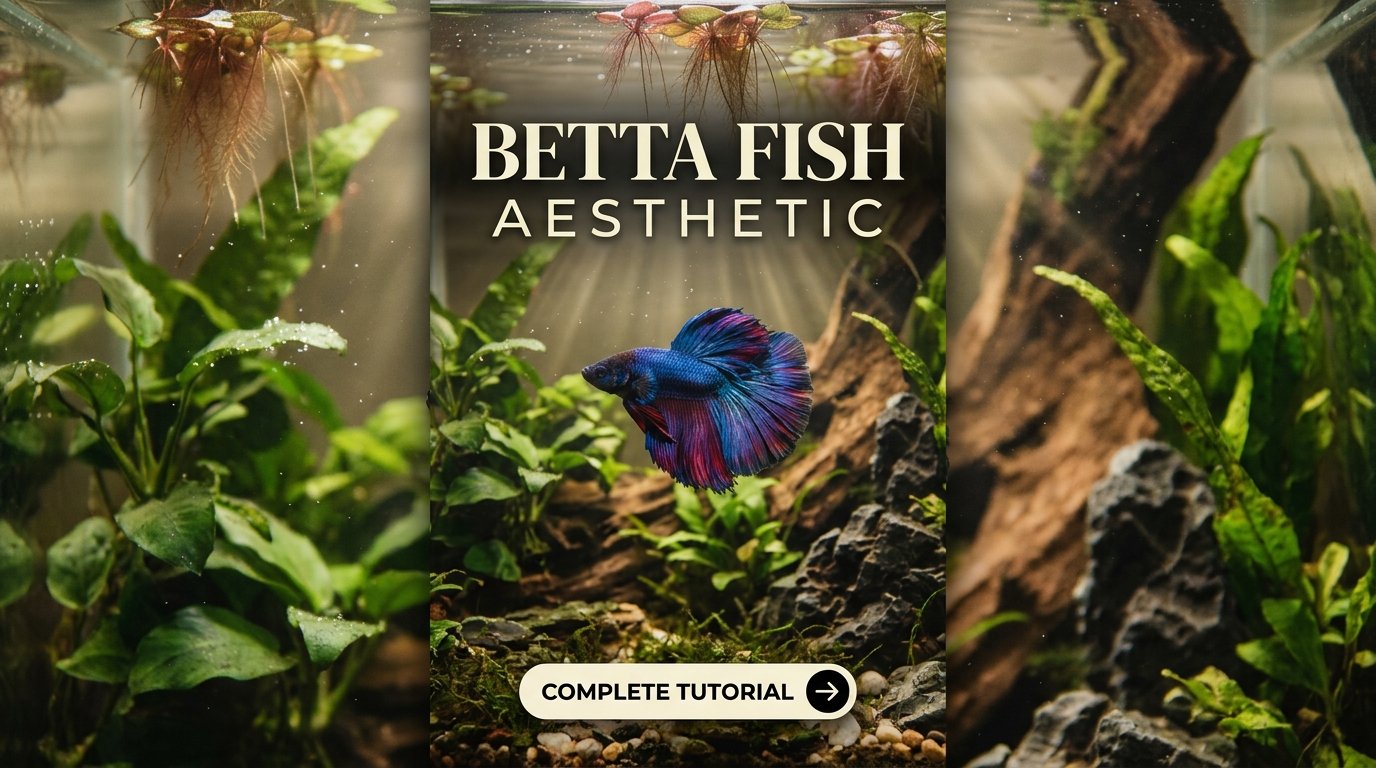
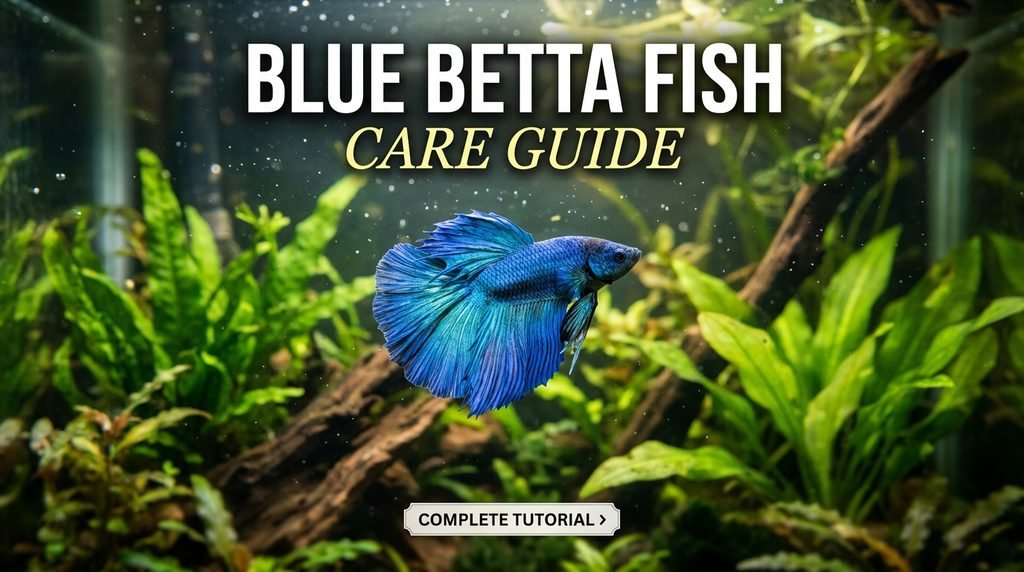
Blue betta fish are among the most beautiful freshwater aquarium fish because of their brilliant colors, flowing fins, and graceful swimming movements. Their shades range from deep royal blue and metallic turquoise to soft steel blue and vibrant sapphire. Under suitable aquarium lighting, their scales can display stunning reflections that make them stand out in almost any aquarium.
Blue bettas belong to the species Betta splendens, commonly known as Siamese fighting fish. They are popular with aquarium enthusiasts because of their attractive appearance and interesting personalities. Some have long, flowing fins, while others have shorter fins and a more compact body shape.
Whether you are considering purchasing your first blue betta or already have one, understanding its varieties, aquarium requirements, feeding habits, and general care can help you maintain a healthy and beautiful fish.
What Is a Blue Betta Fish?
A blue betta fish is a color variety of Betta splendens that displays blue pigmentation across its body, fins, or both. Blue coloration can appear in different shades depending on genetics, lighting, and the individual fish.
Some blue bettas have a solid, uniform appearance, while others display combinations of blue, turquoise, white, red, or black.
Their long fins and reflective scales make them especially attractive in planted aquariums and carefully designed freshwater setups.
Blue bettas are freshwater tropical fish and require warm, clean water, gentle filtration, and a suitable aquarium environment.
1. Royal Blue Betta Fish
Royal blue bettas are known for their rich, intense blue coloration. Their bodies and fins can display a deep blue shade that looks especially striking under neutral aquarium lighting.
Some have nearly solid blue bodies, while others show subtle metallic reflections.
Royal blue bettas look beautiful in aquariums with dark backgrounds, green aquatic plants, and natural driftwood.
2. Turquoise Blue Betta Fish

Turquoise bettas display a bright blue-green coloration that can look almost luminous.
Their scales often reflect light in different directions, creating a metallic appearance. Depending on their genetics, the body may appear more green or more blue.
Turquoise bettas look attractive against natural green plants and neutral-colored substrates.
3. Steel Blue Betta Fish
Steel blue bettas usually have a softer, cooler blue shade that may look slightly gray under certain lighting conditions.
Their coloration is often less vibrant than royal blue or turquoise varieties, but it creates an elegant appearance.
A minimalist aquarium with pale stones, driftwood, and green plants can complement their softer color beautifully.
4. Sapphire Blue Betta Fish
Sapphire blue bettas have a deep and rich blue appearance that resembles the color of a gemstone.
Their scales can display attractive reflections, particularly when aquarium lighting highlights their natural coloration.
They look especially impressive in planted aquariums with dark backgrounds and simple decorations.
5. Blue Halfmoon Betta Fish
Blue halfmoon bettas are popular because of their large, flowing tail fins.
When fully spread, the tail forms a shape approaching a 180-degree semicircle. Their fins create a dramatic appearance as they swim through the water.
Blue halfmoon bettas can display royal blue, turquoise, steel blue, or mixed metallic shades.
Because their fins are large and delicate, provide gentle filtration and decorations without sharp edges.
6. Blue Crowntail Betta Fish
Blue crowntail bettas have distinctive fins with extended rays that create a crown-like appearance.
Their fin edges look separated rather than forming a smooth, continuous shape. This gives them a unique appearance compared with other betta varieties.
Blue crowntails can look particularly attractive in simple aquariums where their unusual fins remain the main visual feature.
7. Blue Veiltail Betta Fish
Blue veiltail bettas have long, flowing tails that hang downward as they swim.
They are one of the familiar betta fin types and can display different shades of blue, including dark blue and turquoise.
Their flowing fins create an elegant appearance, especially in aquariums with gentle water movement.
Avoid strong currents because they can make swimming difficult for long-finned bettas.
8. Blue Plakat Betta Fish
Blue plakat bettas have short fins and a more compact appearance than traditional long-finned varieties.
Their shorter fins can give them a strong, active swimming style. They are available in several blue shades, including metallic and solid blue.
Plakats are attractive choices for people who prefer a betta with a shorter-fin appearance.
9. Blue Butterfly Betta Fish
Blue butterfly bettas have a distinctive pattern in which their body color transitions into different shades along the fins.
A typical butterfly pattern features a blue central fin area with lighter or contrasting outer bands. The exact pattern can vary between individual fish.
These bettas are especially popular with aquarium enthusiasts who appreciate unusual color patterns.
10. Blue Marble Betta Fish
Blue marble bettas have irregular color patterns that may include blue, white, black, and other shades.
Their appearance can change over time because of the genetics associated with marble coloration.
This means a young blue marble betta may develop a different pattern as it matures.
Every individual can have a unique appearance, making this variety especially interesting to keep.
Blue Betta Fish Color Variations
Blue bettas are not limited to one shade. Their coloration can vary depending on genetics and the combination of pigments and reflective structures in their scales.
| Blue variety | Main appearance | Distinctive feature |
|---|---|---|
| Royal blue | Deep, rich blue | Strong blue coloration |
| Turquoise blue | Blue-green | Bright metallic appearance |
| Steel blue | Soft gray-blue | Subtle, cool shade |
| Sapphire blue | Deep gemstone blue | Rich reflective scales |
| Blue butterfly | Blue with contrasting fin bands | Distinctive fin pattern |
| Blue marble | Mixed blue and other colors | Irregular changing pattern |
| Metallic blue | Shimmering blue | Reflective scales |
Blue Betta Fish Aquarium Ideas
A beautiful aquarium can make a blue betta’s coloration even more noticeable. Choosing the right background, plants, substrate, and decorations helps create an attractive underwater environment.
1. Black Background Aquarium
A black background can make a blue betta stand out because of the contrast between the fish and its surroundings.
Combine it with green plants, natural driftwood, and a simple dark substrate.
This design is particularly attractive for royal blue and sapphire blue bettas.
2. Natural Planted Aquarium
A planted aquarium creates a peaceful environment and provides resting places for your betta.
Anubias, Java fern, Java moss, and suitable floating plants are popular choices.
Arrange taller plants toward the back and sides, leaving enough open swimming space in the middle.
3. Minimalist Blue Betta Aquarium
A minimalist aquarium uses only a few carefully selected decorations.
Choose a neutral substrate, one piece of driftwood, and a small number of plants.
This design keeps attention on your blue betta and makes routine aquarium maintenance easier.
4. White and Green Aquarium
A combination of light-colored substrate and green plants can create a fresh, bright appearance.
This design works especially well with dark blue bettas because the contrast makes their coloration more noticeable.
Use aquarium-safe materials and avoid sharp decorations.
5. Blackwater Aquarium
A blackwater-inspired aquarium uses driftwood and suitable botanical materials to create a natural amber water appearance.
Indian almond leaves are commonly used to release tannins. These can create a tea-colored effect that some aquarists enjoy.
Maintain proper filtration and monitor water quality even when using natural botanical materials.
Best Tank Size for a Blue Betta Fish
Blue bettas need a properly sized aquarium with enough room for swimming and exploring.
A 5-gallon aquarium is a common minimum starting point for one betta, while a 10-gallon tank provides additional space and greater water stability.
| Aquarium size | Suitability | General recommendation |
|---|---|---|
| 1 gallon | Not recommended | Too limited for long-term care |
| 2 gallons | Not recommended | Difficult to maintain stable conditions |
| 3 gallons | Less suitable | Limited swimming space |
| 5 gallons | Common minimum | Suitable for one betta with proper care |
| 10 gallons | Excellent | More room for plants and swimming |
| 15 gallons or larger | Spacious | More aquascaping possibilities |
Avoid keeping blue bettas in tiny decorative bowls. Small containers can experience rapid temperature changes and harmful waste buildup.
Blue Betta Fish Care Requirements
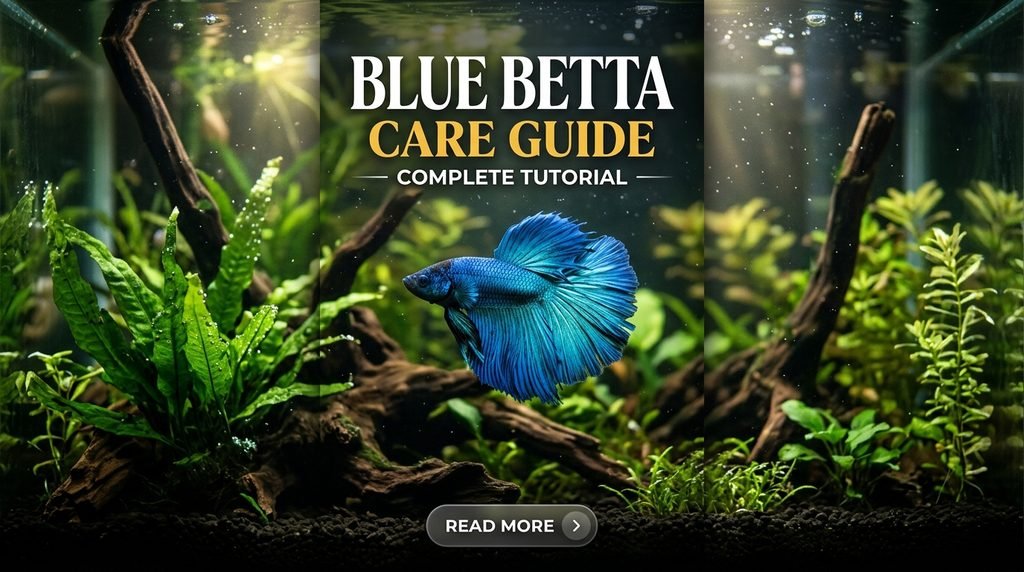
Proper care is essential for maintaining the health and vibrant appearance of a blue betta.
Water Temperature
Blue bettas are tropical fish and generally do best at approximately 78–80°F (25.5–26.5°C).
Use an adjustable aquarium heater and thermometer to maintain a stable temperature.
Sudden temperature changes can stress your fish, so avoid placing the aquarium near direct sunlight, air-conditioning vents, or other sources of rapid temperature fluctuations.
Water Quality
Clean water is important for a healthy betta.
Monitor ammonia, nitrite, and nitrate using an aquarium testing kit. In a properly cycled aquarium, ammonia and nitrite should remain at zero.
Perform regular partial water changes according to the aquarium’s size, filtration, and water conditions.
Always use a suitable water conditioner when adding tap water.
Filtration
Blue bettas benefit from gentle filtration.
A sponge filter or appropriately adjusted aquarium filter can help maintain water quality without creating a strong current.
Long-finned bettas may struggle in powerful water flow, so choose equipment carefully.
Aquarium Lighting
Use aquarium lighting that displays your betta’s natural colors and supports any live plants.
A consistent daily lighting schedule is important. Avoid leaving bright aquarium lights on overnight because fish need a regular dark period for rest.
Aquarium Decorations
Choose smooth, aquarium-safe decorations without sharp edges.
Natural driftwood, smooth stones, and live plants can create attractive environments.
Avoid rough plastic plants and decorations with narrow openings that could trap your betta.
What Do Blue Betta Fish Eat?
Blue bettas are carnivorous fish and need a diet based on suitable animal-based foods.
A high-quality betta pellet can serve as the main food source. You can also offer suitable frozen or live foods as occasional dietary variety.
Common food options include:
- High-quality betta pellets
- Frozen bloodworms as an occasional treat
- Frozen brine shrimp
- Daphnia
- Suitable live mosquito larvae from safe, controlled sources
Feed small portions appropriate for your fish and the food manufacturer’s instructions. Avoid overfeeding because leftover food can quickly affect aquarium water quality.
Remove uneaten food when necessary and maintain a consistent feeding routine.
How to Keep a Blue Betta Fish Healthy
A healthy betta usually displays active behavior, clear eyes, intact fins, and an interest in food.
Follow these care practices:
- Maintain a stable water temperature.
- Keep ammonia and nitrite at zero.
- Provide gentle filtration.
- Feed a varied, suitable diet.
- Perform regular partial water changes.
- Avoid overcrowding the aquarium.
- Provide plants and safe resting places.
- Observe your fish regularly for changes in behavior or appearance.
If you notice clamped fins, unusual swimming, loss of appetite, bloating, or visible damage, check water parameters first and investigate possible health problems.
Are Blue Betta Fish Aggressive?
Like other bettas, blue bettas can be territorial, particularly males.
Male bettas should generally be housed individually because they may attack other male bettas. Their aggressive behavior can lead to serious injuries.
Female bettas can also show territorial behavior. Keeping multiple females together is not automatically safe and requires careful planning, appropriate space, and experience.
For beginners, a single betta in a properly maintained aquarium is usually the simplest and safest option.
How Long Do Blue Betta Fish Live?
Blue bettas commonly live around 2–5 years in captivity, although their lifespan varies depending on genetics, health, and care.
Good water quality, suitable food, stable temperature, and a comfortable aquarium can support a longer and healthier life.
Buying from a responsible breeder or reputable aquarium store can also help you start with a healthy fish.
Male vs. Female Blue Betta Fish
Male and female blue bettas can both display beautiful blue coloration, but they may differ in appearance and behavior.
| Feature | Male blue betta | Female blue betta |
|---|---|---|
| Fin length | Often longer, depending on variety | Often shorter, depending on variety |
| Appearance | Frequently more dramatic flowing fins | Often more compact |
| Behavior | Can be strongly territorial | Can also be territorial |
| Color | Can be highly vibrant | Can also display vibrant colors |
| Housing | Generally kept individually | Individual housing is a simple option |
Fin length alone is not a reliable way to identify every betta’s sex because different varieties have different fin shapes.
Common Problems in Blue Betta Fish
Blue bettas can experience many of the same health problems as other betta varieties.
Fin Rot
Fin rot may cause the edges of the fins to become damaged, ragged, or discolored. Poor water quality can contribute to the problem.
Maintain clean water and investigate the cause rather than treating the fish without checking aquarium conditions.
Ich
Ich is a parasitic disease that can cause small white spots on the body and fins.
If you notice white spots or unusual behavior, check water quality and seek appropriate aquarium health guidance.
Swim Bladder Problems
A betta with buoyancy problems may struggle to swim normally or remain at the correct depth.
Possible causes include digestive issues, injury, or other health conditions. Avoid assuming every swimming problem has the same cause.
Stress
Stress may result from poor water quality, unsuitable temperature, strong currents, overcrowding, or an uncomfortable environment.
Check the aquarium conditions and make changes carefully to avoid further stress.
Interesting Facts About Blue Betta Fish
- Blue bettas belong to the species Betta splendens.
- Their coloration can range from pale steel blue to deep royal blue.
- They have a labyrinth organ that allows them to breathe atmospheric air.
- Their flowing fins come in different shapes, including halfmoon, veiltail, and crowntail.
- Some bettas display metallic reflections under aquarium lighting.
- Marble-patterned bettas can change appearance as they grow.
- Male bettas often build bubble nests at the water surface.
- Bettas can recognize feeding routines and may respond when their owner approaches.
Conclusion
Blue betta fish are beautiful freshwater aquarium fish that bring color and personality to a home aquarium. From royal blue and turquoise varieties to halfmoon, crowntail, and marble patterns, there are many attractive types to choose from.
However, keeping a blue betta healthy requires more than a beautiful aquarium design. Provide a suitable tank, stable tropical temperature, gentle filtration, clean water, and a balanced carnivorous diet.
With proper care and a thoughtfully arranged aquarium, a blue betta can remain a stunning centerpiece while enjoying a comfortable and healthy environment.
Frequently Asked Questions
1. Are blue betta fish rare?
Blue bettas are generally available in the aquarium trade, although certain shades, patterns, and fin types may be less common. Royal blue, turquoise, and metallic varieties are popular choices.
2. How much does a blue betta fish cost?
The price depends on the variety, fin type, breeder, location, and quality of the fish. Common blue bettas are generally more affordable than unusual or selectively bred varieties.
3. What is the most beautiful blue betta fish?
Royal blue, turquoise, sapphire blue, and blue butterfly bettas are popular choices. Beauty is subjective, and individual fish can have different color intensity and patterns.
4. Can blue betta fish live with other fish?
Some bettas can live with carefully selected peaceful tank mates in a sufficiently large, established aquarium. However, compatibility varies between individual fish. A single-betta aquarium is generally the simplest option.
5. What is the best tank size for a blue betta?
A 5-gallon aquarium is a common minimum starting point for one blue betta. A 10-gallon tank or larger can provide additional swimming space and more stable water conditions.
6. Do blue betta fish need a heater?
Yes. Blue bettas are tropical fish and generally need water around 78–80°F (25.5–26.5°C). An appropriately sized heater helps maintain a stable temperature.
7. What do blue betta fish eat?
They eat animal-based foods such as quality betta pellets, brine shrimp, daphnia, and suitable insect larvae. A balanced betta pellet should usually form the main part of their diet.
8. Why is my blue betta fish losing color?
Color changes can happen for several reasons, including stress, aging, illness, genetics, or changes in environmental conditions. Check water quality and temperature if the change is sudden or accompanied by unusual behavior.
9. Do blue betta fish change color?
Yes. Some bettas, particularly those with marble genetics, can develop changing color patterns as they grow. Color may also appear different under different lighting conditions.
10. How long do blue betta fish live?
Blue bettas commonly live around 2–5 years in captivity. Proper aquarium care, suitable nutrition, and stable water conditions can support a healthy lifespan.
11. Are male blue betta fish more colorful than females?
Some male varieties have especially long fins and intense coloration, but female bettas can also display brilliant blue colors. Appearance depends on genetics and the individual fish.
12. Can blue betta fish live in tap water?
They can live in properly prepared tap water if it is suitable for freshwater aquariums. Always use a water conditioner to neutralize chlorine and chloramine, and test the water to ensure appropriate conditions.