
 By admin
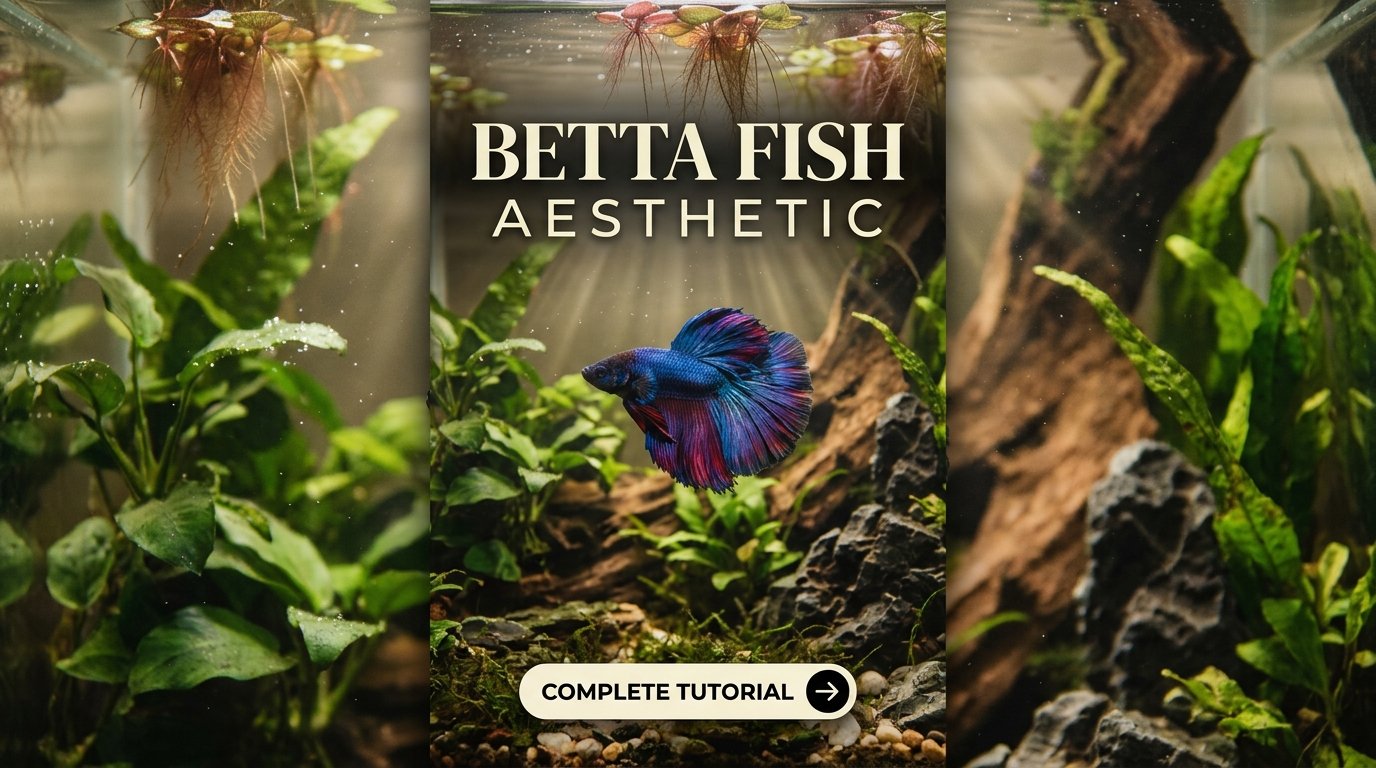
A female betta fish is a beautiful, colorful freshwater fish known for its personality, intelligence, and relatively manageable care requirements. Although female bettas are often less flashy than males, they display stunning colors, interesting patterns, and active swimming behavior that make them excellent aquarium pets. They are also known for being curious and interactive, often recognizing their owners and responding to movement outside the tank.
Female bettas belong to the species Betta splendens, commonly called Siamese fighting fish. They naturally come from Southeast Asia, where they inhabit shallow waters, rice paddies, marshes, and slow-moving streams. With proper care, a female betta can live for several years in a well-maintained aquarium.
Whether you are considering buying your first female betta or already own one, understanding her appearance, behavior, diet, tank requirements, and health needs will help you provide a comfortable environment.
What Does a Female Betta Fish Look Like?
Female betta fish come in many beautiful colors and patterns, including blue, red, white, yellow, orange, black, and purple. Some have solid colors, while others display multiple shades across their bodies and fins.
Compared with males, females generally have shorter fins and smaller bodies. Their fins may still be colorful and attractive, but they usually do not have the long, flowing appearance associated with many male bettas.
A female betta typically has a rounded body, small mouth, and an anal fin located underneath the body. A small white reproductive opening called an ovipositor may be visible near the underside of the fish, often appearing as a tiny white spot.
However, appearance alone is not always enough to identify a female accurately. Some male bettas have shorter fins, and certain female varieties have relatively long fins.
Female Betta Fish vs. Male Betta Fish
Female and male bettas share many characteristics, but several physical and behavioral differences can help distinguish them.
| Feature | Female Betta Fish | Male Betta Fish |
|---|---|---|
| Fin length | Usually shorter | Often longer |
| Body shape | Often slightly rounder | Usually more streamlined |
| Color | Can be very vibrant | Often intensely vibrant |
| Behavior | Can be territorial | Often territorial |
| Bubble nests | May occasionally build them | Commonly build them |
| Egg production | Produces eggs | Fertilizes eggs |
| Compatibility | Depends on individual temperament | Often best housed separately |
One important thing to understand is that female bettas are not automatically peaceful. They can be aggressive toward other fish, especially other bettas. Their temperament varies from one individual to another.
Popular Types of Female Betta Fish

Female bettas are available in many colors, patterns, and fin varieties. Their appearance can vary significantly depending on genetics and selective breeding.
1. Female Halfmoon Betta
Halfmoon female bettas are known for their attractive, fan-shaped tails. Their fins may spread into a wide semicircle when fully displayed, although females generally have shorter fins than male halfmoon bettas.
They can come in blue, red, white, purple, and multicolored patterns.
2. Female Koi Betta
Koi female bettas have colorful patterns inspired by koi carp. Their bodies may feature combinations of red, orange, white, black, and other shades.
Each fish can have a unique pattern, making koi bettas especially appealing to aquarium enthusiasts.
3. Female Blue Betta Fish
Blue female bettas are popular because of their beautiful shades of blue. Some display light turquoise coloring, while others have deep royal blue or metallic blue scales.
Their appearance can change slightly depending on lighting, health, and genetics.
4. Female Red Betta Fish
Red female bettas have attractive red bodies and fins. Their coloration may range from bright cherry red to deep burgundy.
Some have completely red bodies, while others display small areas of black, white, or orange.
5. Female Crowntail Betta
Crowntail female bettas have fins with separated rays that create a crown-like appearance. Their fins are usually shorter than those of male crowntails but can still display distinctive shapes.
6. Female Plakat Betta
Plakat female bettas have short fins and compact bodies. Their appearance is closer to the natural body shape of wild bettas than long-finned varieties.
They are active swimmers and are often mistaken for short-finned male bettas.
Female Betta Fish Tank Size
A suitable aquarium is essential for keeping a female betta healthy. Although bettas can survive in small containers for limited periods, tiny bowls are not appropriate permanent homes.
A 5-gallon aquarium is a practical minimum for one female betta, while a 10-gallon tank provides more swimming space and makes it easier to maintain stable water conditions.
Larger aquariums are generally more forgiving because water temperature and quality tend to fluctuate less quickly.
A good tank should include:
- A secure lid to prevent jumping.
- A gentle filtration system.
- A reliable aquarium heater.
- Live or artificial plants with smooth surfaces.
- Hiding places and resting areas.
- Open swimming space.
- A suitable aquarium light.
Avoid sharp decorations and rough plastic plants because they can damage a betta’s delicate fins.
Ideal Water Conditions for Female Betta Fish
Female bettas are tropical fish and need warm, clean, stable water. Sudden changes in temperature or water chemistry can cause stress and health problems.
| Water Parameter | Recommended Range |
|---|---|
| Temperature | 76–82°F (24–28°C) |
| pH | 6.5–7.5 |
| Ammonia | 0 ppm |
| Nitrite | 0 ppm |
| Nitrate | Preferably below 20 ppm |
| Tank size | 5 gallons or larger |
A heater with a thermostat can help maintain a stable temperature. Use an aquarium thermometer to monitor the water rather than relying on room temperature.
The aquarium should also be properly cycled before introducing the fish. Beneficial bacteria in a cycled aquarium help process toxic ammonia and nitrite.
Perform regular partial water changes and test the water to ensure that harmful compounds do not accumulate.
What Do Female Betta Fish Eat?
Female bettas are carnivorous and need a protein-rich diet. In the wild, they feed on small insects, insect larvae, and other tiny aquatic animals.
A high-quality betta pellet can serve as the main food source. You can also offer suitable frozen or freeze-dried foods as occasional additions.
Good food choices include:
- High-quality betta pellets.
- Frozen bloodworms.
- Brine shrimp.
- Daphnia.
- Mosquito larvae from safe, controlled sources.
Feed small portions that the fish can finish within a few minutes. Overfeeding can cause digestive problems, obesity, and poor water quality.
Remove uneaten food from the aquarium when possible. A varied but controlled diet helps maintain healthy coloration, activity, and overall condition.
Female Betta Fish Behavior and Personality
Female bettas are intelligent, curious fish with individual personalities. Some are calm and spend much of their time exploring the aquarium, while others are highly territorial and may flare their gills when they see another fish.
Common behaviors include swimming around plants, exploring decorations, resting on leaves, searching for food, and occasionally flaring their fins.
A female betta may also recognize feeding routines and approach the front of the aquarium when someone comes near.
Why Does a Female Betta Fish Flare?
Flaring occurs when a betta spreads its gill covers and fins. It is usually a territorial or defensive display.
A female may flare when she sees her reflection, another betta, or an unfamiliar fish. Occasional flaring is normal, but repeatedly exposing her to stressful triggers is not recommended.
Why Is My Female Betta Hiding?
Hiding can be normal, especially when a fish is new to an aquarium. However, constant hiding may indicate stress, unsuitable water conditions, illness, or bullying from tank mates.
Check the aquarium temperature, water quality, filtration, and available hiding spaces if the behavior continues.
Can Female Betta Fish Live Together?
Female bettas can sometimes live together in groups called sororities. However, this arrangement is not guaranteed to work and is not suitable for beginners.
Female bettas can establish territories and fight over space. Aggression may result in torn fins, injuries, stress, and even death.
A sorority requires a large, heavily planted aquarium, careful monitoring, and a plan to separate aggressive fish immediately. Even under suitable conditions, some individuals may never tolerate one another.
For beginners, keeping one female betta in her own aquarium is usually the safest option.
Best Tank Mates for Female Betta Fish
Some female bettas may tolerate peaceful tank mates, but compatibility depends on the individual fish and aquarium conditions.
Potential tank mates for a suitably sized aquarium include:
- Small groups of certain peaceful rasboras.
- Corydoras catfish.
- Otocinclus catfish in an established aquarium.
- Some peaceful snails.
- Certain freshwater shrimp, although they may be eaten.
Avoid aggressive fish, fin-nipping species, and other bettas. Long-finned or brightly colored tank mates may trigger territorial behavior in some individuals.
Always provide enough space and hiding places, and have a backup aquarium available if aggression occurs.
Female Betta Fish Breeding
Female bettas produce eggs, but breeding requires careful preparation and should not be attempted casually.
During breeding, the male usually builds a bubble nest near the water surface. When the pair successfully spawns, the female releases eggs, which the male fertilizes and places in the nest.
After spawning, the female is normally removed because the male may become protective of the nest and attack her.
Breeding bettas requires a separate setup, appropriate water conditions, conditioning food, and a plan for raising the fry. Young bettas also need suitable microscopic foods before they can accept larger options.
It is important to understand that breeding can be stressful and may result in injuries. It should only be attempted by someone prepared to care for the adult fish and their offspring.
Common Female Betta Fish Health Problems
Female bettas can experience several health issues, particularly when water quality is poor or their environment is unsuitable.
Fin Rot
Fin rot causes the edges of the fins to deteriorate. The fins may appear ragged, darkened, or shorter over time.
Poor water quality is a common contributing factor. Test the water, correct the underlying problem, and seek appropriate treatment if the condition progresses.
Ich
Ich is a parasitic disease that produces small white spots on the body and fins. Affected fish may rub against decorations or become less active.
Quarantine and appropriate aquarium treatment can help control the disease.
Swim Bladder Problems
A female betta with a swim bladder problem may struggle to maintain a normal swimming position. She may float near the surface, sink, or have difficulty moving normally.
Overfeeding, constipation, injury, and other illnesses can contribute to buoyancy problems. Check water quality and seek advice from an aquatic veterinarian if symptoms persist.
Stress
Stress may cause reduced appetite, hiding, faded coloration, clamped fins, or unusual swimming behavior.
Common causes include poor water quality, temperature fluctuations, aggressive tank mates, and an unsuitable aquarium.
How Long Do Female Betta Fish Live?
Female betta fish commonly live around 2–5 years when kept in suitable conditions. Their lifespan depends on genetics, diet, water quality, stress levels, and overall care.
A stable aquarium, nutritious food, regular maintenance, and early attention to health problems can support a longer and healthier life.
When purchasing a female betta, look for an active fish with clear eyes, intact fins, and no visible sores or unusual swelling.
How to Make a Female Betta Fish Happy
A healthy aquarium should provide more than clean water and food. Female bettas benefit from an environment where they can explore, rest, and display natural behaviors.
Live plants such as anubias, java fern, and Amazon sword can provide cover and resting areas when their growth requirements are met. Floating plants can also offer shade, but leave enough open surface area for the fish to breathe.
Use gentle filtration because strong currents can make swimming difficult. Add smooth decorations and maintain a consistent feeding routine.
Avoid tapping the aquarium glass or constantly changing decorations. A stable environment helps your betta feel secure.
Frequently Asked Questions About Female Betta Fish
Are female betta fish aggressive?
Yes. Female bettas can be territorial and aggressive, particularly toward other bettas. Their temperament varies, and some are more peaceful than others.
Can a female betta fish live alone?
Yes. A female betta can live happily by herself in a properly maintained aquarium. She does not need another betta for companionship.
How can you tell if a betta fish is female?
Female bettas usually have shorter fins and may have a small white ovipositor near the underside of the body. However, fin length and color are not always reliable indicators, so examine several characteristics.
Do female betta fish make bubble nests?
Yes. Female bettas can occasionally build bubble nests, although this behavior is more commonly associated with males.
What size tank does a female betta need?
A 5-gallon aquarium is a practical minimum for one female betta. A 10-gallon tank or larger offers additional swimming space and more stable water conditions.
Can two female betta fish live together?
They sometimes can, but fighting is possible. Female betta sororities require careful planning, plenty of space, dense planting, and immediate separation when aggression develops.
Do female betta fish lay eggs?
Yes. Female bettas produce eggs when they are ready to breed. The eggs are fertilized by a male during spawning.
Are female betta fish less colorful than males?
Not necessarily. Many female bettas have brilliant colors and attractive patterns. Some selectively bred females are just as colorful as males.
What is the best food for a female betta fish?
A high-quality betta pellet designed for carnivorous fish is a suitable staple. Frozen brine shrimp, daphnia, and bloodworms can provide variety.
How long can a female betta fish live?
A female betta commonly lives around 2–5 years with good care. Genetics and aquarium conditions have a major influence on lifespan.
Final Thoughts
Female betta fish are beautiful, intelligent, and interesting freshwater pets. Their colorful bodies, unique personalities, and relatively simple care requirements make them appealing to both new and experienced aquarium keepers.
The most important part of keeping a healthy female betta is providing a suitable aquarium with stable warm water, gentle filtration, nutritious food, and enough space to swim. Although some females can live with carefully selected tank mates, keeping one female in her own aquarium is often the easiest and safest choice.
With consistent care and a comfortable environment, a female betta fish can become a colorful and entertaining part of your home aquarium for years.