
 By admin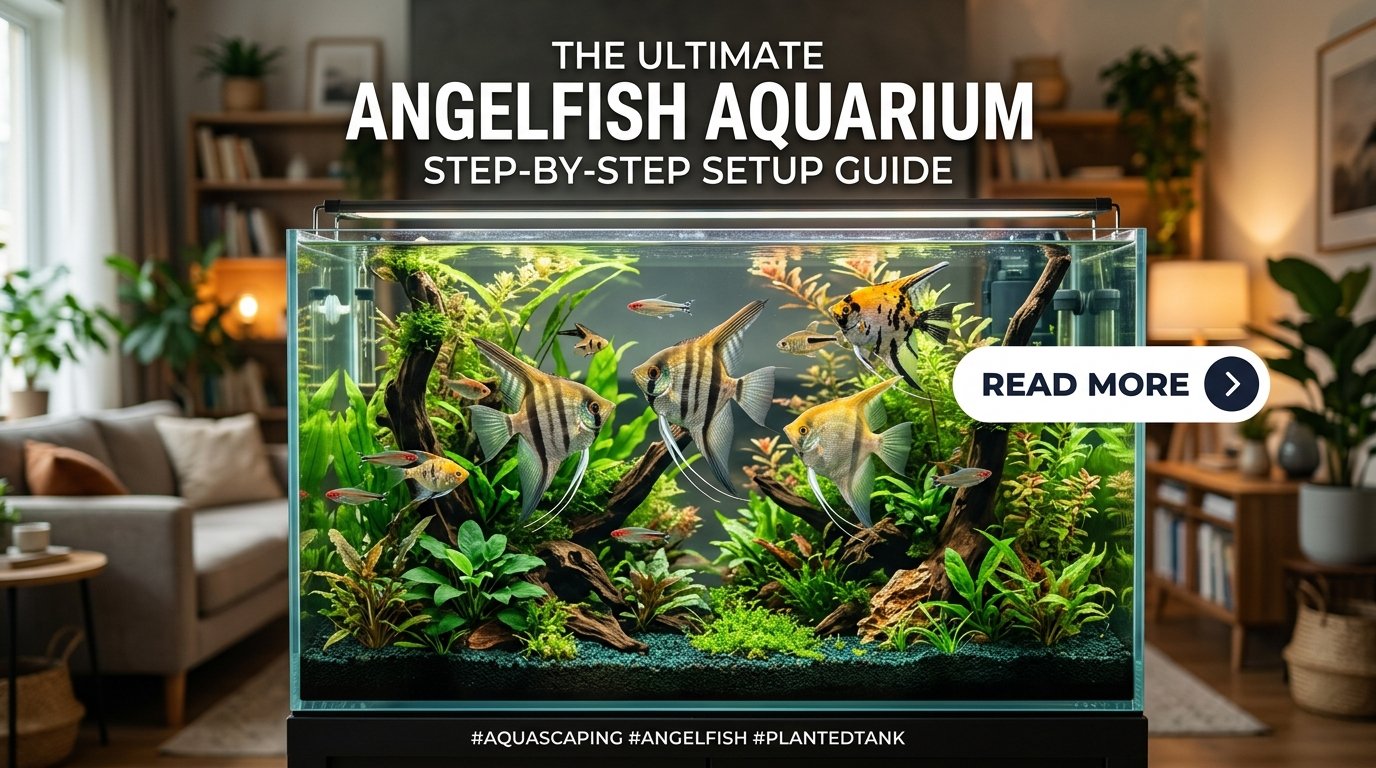
An angelfish aquarium is one of the most elegant and visually stunning freshwater aquarium setups you can create. Known for their graceful swimming, triangular body shape, and flowing fins, angelfish are among the most popular aquarium fish in the world. Their beauty, intelligence, and variety of colors make them a favorite choice for both beginner and experienced aquarists.
Creating a successful angelfish aquarium involves more than simply adding fish to a tank. Angelfish require proper tank size, suitable water conditions, compatible tank mates, and thoughtful aquascaping to thrive. With the right setup, your angelfish aquarium can become a breathtaking centerpiece that showcases the natural beauty of these majestic fish.
What Is an Angelfish Aquarium?
An angelfish aquarium is a freshwater aquarium specifically designed to meet the needs of freshwater angelfish. These fish belong to the cichlid family and originate from the slow-moving rivers and floodplains of the Amazon Basin in South America.
A well-designed angelfish aquarium typically includes:
- Spacious tank
- Efficient filtration
- Live plants
- Natural decorations
- Stable water conditions
- Appropriate tank mates
The goal is to recreate a comfortable environment that encourages healthy growth and natural behavior.
Why Angelfish Are Popular Aquarium Fish
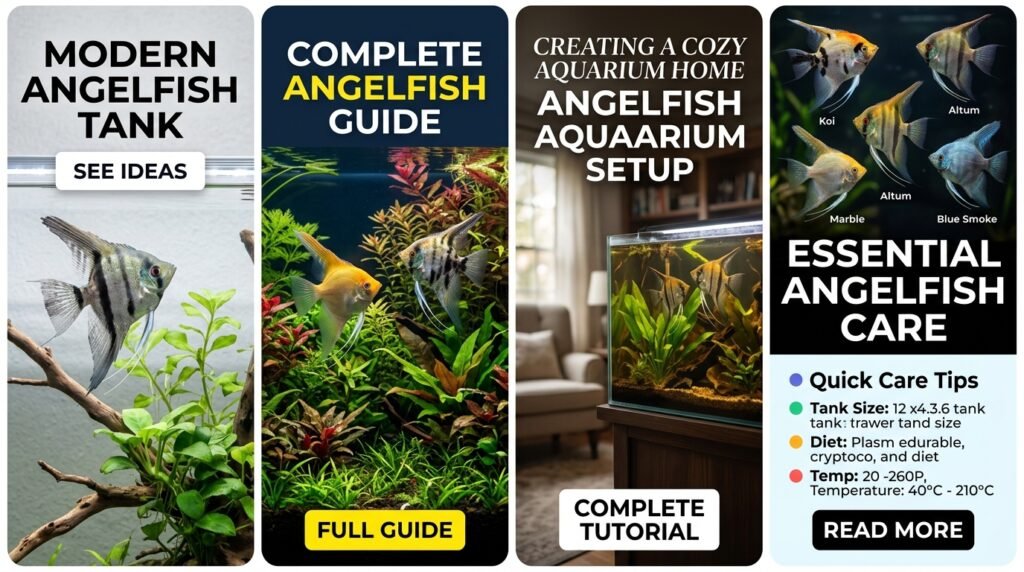
Angelfish have remained popular for decades due to their unique combination of beauty and personality.
Elegant Appearance
Their tall bodies and long fins create a graceful presence in any aquarium.
Variety of Colors
Popular varieties include:
- Silver Angelfish
- Marble Angelfish
- Koi Angelfish
- Black Angelfish
- Gold Angelfish
- Albino Angelfish
Intelligent Behavior
Angelfish often recognize their owners and display curious behavior.
Impressive Size
Unlike many small tropical fish, angelfish grow into noticeable centerpiece fish.
Choosing the Right Aquarium Size
Tank size is one of the most important factors for angelfish success.
Minimum Tank Size
For a small group of angelfish:
- 30 gallons minimum
Recommended Tank Size
For long-term success:
- 55 gallons or larger
Tall Aquariums Are Ideal
Because angelfish have tall bodies and fins, vertical swimming space is important.
Benefits of larger aquariums include:
- Better water stability
- Reduced aggression
- More swimming space
- Easier maintenance
Best Aquarium Shape for Angelfish
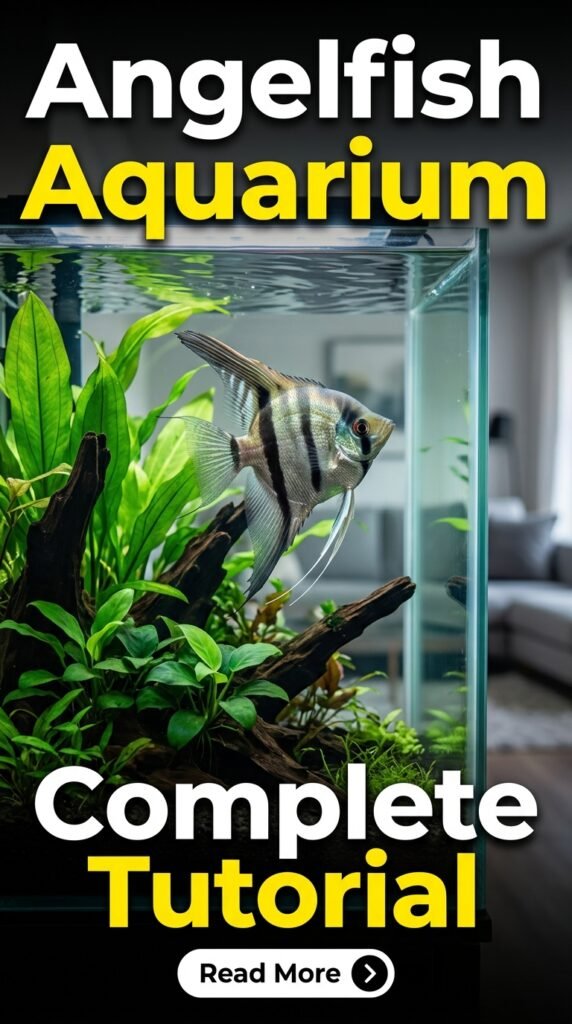
Tall Aquariums
Angelfish naturally prefer tanks with significant height.
Rectangular Tanks
Provide excellent swimming space and aquascaping flexibility.
Planted Display Aquariums
Perfect for showcasing angelfish among lush aquatic vegetation.
Avoid small cube tanks that restrict vertical movement.
Water Parameters for an Angelfish Aquarium
Maintaining stable water conditions is essential.
Temperature
Ideal range:
- 76°F to 82°F (24°C to 28°C)
pH
Recommended range:
- 6.5 to 7.5
Water Hardness
Moderately soft to moderately hard water works well.
Ammonia and Nitrite
Always maintain at zero.
Nitrate
Keep below 20 ppm whenever possible.
Regular testing helps maintain a healthy environment.
Filtration for an Angelfish Aquarium
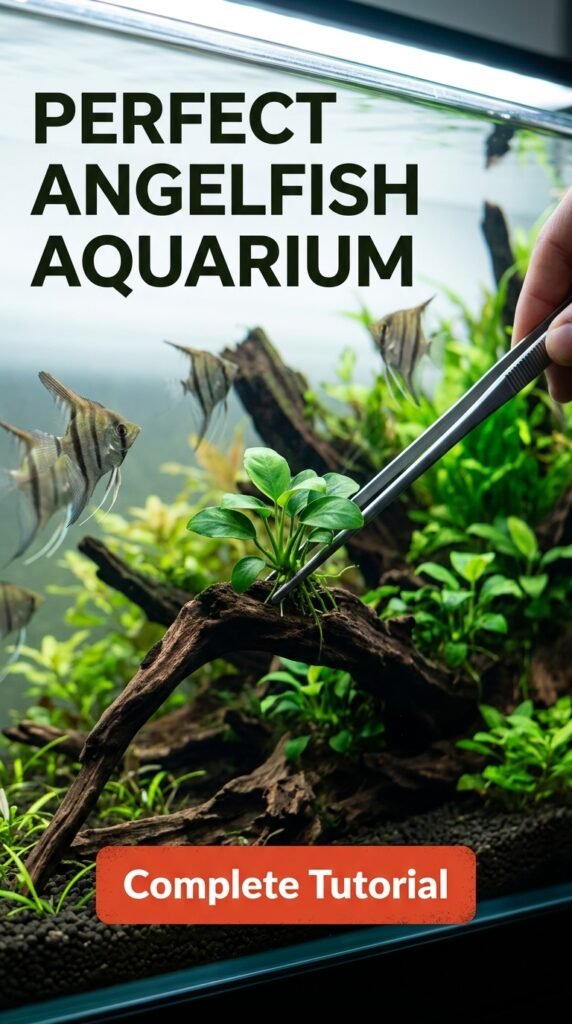
Angelfish prefer clean water with gentle movement.
Canister Filters
Excellent for larger tanks.
Hang-On-Back Filters
Suitable for medium-sized aquariums.
Sponge Filters
Useful for breeding tanks and supplemental filtration.
Choose filtration that provides excellent biological support without creating excessive current.
Best Substrate for Angelfish
Fine Gravel
A popular and practical option.
Aquarium Sand
Creates a natural Amazon-inspired appearance.
Planted Aquarium Soil
Ideal for heavily planted tanks.
Dark-colored substrates often enhance the appearance of angelfish colors.
Live Plants for an Angelfish Aquarium
Angelfish thrive in planted environments.
Amazon Sword
One of the best plants for angelfish tanks.
Java Fern
Easy to maintain and attractive.
Anubias
Hardy and beginner-friendly.
Vallisneria
Provides vertical structure.
Cryptocoryne
Adds texture and natural beauty.
Water Wisteria
Fast-growing and beneficial for water quality.
Live plants help create a natural habitat while improving water conditions.
Angelfish Aquarium Aquascaping Ideas
Amazon River Biotope
Replicates the natural environment of angelfish.
Features include:
- Driftwood
- Sand substrate
- Amazon Sword plants
- Leaf litter
Planted Jungle Aquarium
Dense vegetation creates a lush tropical appearance.
Driftwood Showcase
Uses large pieces of driftwood as focal points.
Minimalist Angelfish Aquarium
Focuses on open swimming space with limited decorations.
Best Tank Mates for Angelfish
Choosing compatible species is important.
Corydoras Catfish
Peaceful bottom dwellers.
Rummy Nose Tetras
Schooling fish that complement angelfish beautifully.
Cardinal Tetras
Colorful and peaceful companions.
Bristlenose Plecos
Helpful algae eaters.
Gouramis
Many peaceful species coexist well with angelfish.
Rainbowfish
Active and colorful tank mates.
Avoid very small fish that may be viewed as food.
Fish to Avoid with Angelfish
Certain species are poor choices.
Fin Nippers
Examples include:
- Tiger Barbs
- Some Tetra species
Aggressive Cichlids
May stress or injure angelfish.
Extremely Small Fish
Can become prey for adult angelfish.
Hyperactive Species
May create unnecessary stress.
Feeding Angelfish
A varied diet promotes health and coloration.
High-Quality Flakes
Suitable as a staple food.
Pellets
Specifically formulated angelfish foods are excellent.
Frozen Foods
Popular choices include:
- Bloodworms
- Brine Shrimp
- Daphnia
Live Foods
Occasional live foods provide enrichment.
Vegetables
Small amounts of plant-based foods can supplement the diet.
Feed two to three small meals daily.
Angelfish Breeding Aquarium
Angelfish are relatively easy to breed under suitable conditions.
Breeding Tank Setup
Include:
- Clean water
- Vertical spawning surfaces
- Stable temperatures
Spawning Sites
Angelfish commonly lay eggs on:
- Broad plant leaves
- Slate surfaces
- Aquarium glass
Fry Care
Newly hatched fry require specialized foods and careful attention.
Common Angelfish Health Issues
Fin Rot
Often caused by poor water quality.
Ich
A common parasitic disease.
Hole-in-the-Head Disease
May occur due to nutritional deficiencies or poor conditions.
Bacterial Infections
Prevented through good maintenance and water quality.
Early detection improves treatment success.
Maintaining an Angelfish Aquarium
Weekly Water Changes
Replace 20% to 30% of the water.
Plant Trimming
Maintain healthy plant growth.
Filter Maintenance
Clean equipment regularly.
Water Testing
Monitor key parameters consistently.
Observation
Watch for signs of stress or illness.
Routine maintenance ensures long-term success.
Benefits of Keeping Angelfish
- Elegant appearance
- Interactive behavior
- Variety of colors
- Breeding opportunities
- Compatibility with planted aquariums
- Stunning display value
These qualities make angelfish one of the most rewarding freshwater species.
Common Mistakes to Avoid
Using Small Tanks
Angelfish require adequate space.
Overcrowding
Can lead to aggression and poor water quality.
Incompatible Tank Mates
Carefully research fish compatibility.
Poor Water Quality
Regular maintenance is essential.
Inadequate Diet
Provide a varied and nutritious feeding routine.
Conclusion
An angelfish aquarium combines elegance, beauty, and fascinating fish behavior into one remarkable aquatic display. With their graceful fins, striking colors, and intelligent personalities, angelfish make exceptional centerpiece fish for freshwater aquariums. By providing a spacious tank, stable water conditions, compatible tank mates, and a thoughtfully designed aquascape, you can create a thriving environment where angelfish flourish.
Whether you prefer a lush planted aquarium, an Amazon-inspired biotope, or a modern aquascape, angelfish bring sophistication and charm to any setup. With proper care and maintenance, an angelfish aquarium can provide years of enjoyment and become the highlight of your aquatic collection.
Frequently Asked Questions
What size aquarium do angelfish need?
A minimum of 30 gallons is recommended, but 55 gallons or larger is ideal for groups of angelfish.
Are angelfish suitable for beginners?
Yes. They are relatively hardy and can be successfully kept by beginners who maintain proper water quality.
Do angelfish need plants?
While not required, live plants help create a natural and comfortable environment.
What temperature is best for angelfish?
The ideal temperature range is 76°F to 82°F (24°C to 28°C).
Can angelfish live with tetras?
Yes. Many tetra species, such as cardinal tetras and rummy nose tetras, make excellent tank mates.
How long do angelfish live?
With proper care, angelfish commonly live between 8 and 12 years, and sometimes even longer.