
 By admin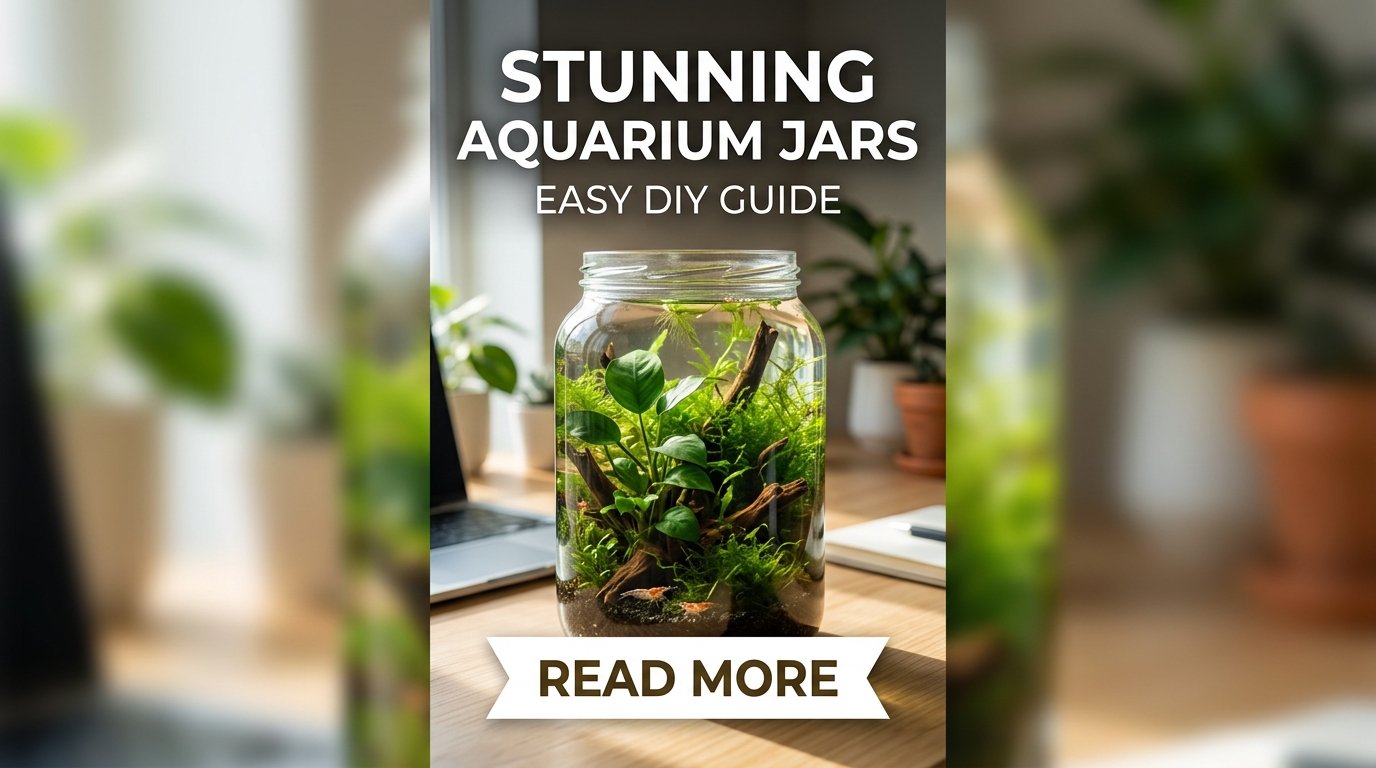
An aquarium jar is a compact and creative way to enjoy aquatic life and underwater landscaping in a small space. Using a glass jar as an aquarium allows hobbyists to create miniature aquatic worlds featuring plants, shrimp, snails, and decorative aquascapes. Aquarium jars have become increasingly popular because they are affordable, visually appealing, and ideal for desks, shelves, apartments, and offices.
While aquarium jars can be stunning decorative pieces, they require careful planning and responsible stocking to ensure a healthy environment. Understanding the proper setup, maintenance, and livestock choices will help you create a thriving aquarium jar that remains beautiful for years.
What Is an Aquarium Jar?
An aquarium jar is a small glass container used to create a miniature aquatic ecosystem. Unlike traditional aquariums, aquarium jars are usually compact and designed for decorative aquascaping rather than housing large fish.
Typical aquarium jars may contain:
- Live aquatic plants
- Freshwater shrimp
- Small snails
- Decorative stones
- Driftwood
- Mosses
Many hobbyists use aquarium jars as artistic nano aquariums that showcase natural beauty in a limited space.
Why Aquarium Jars Are Popular

Aquarium jars offer several advantages.
Space-Saving Design
They fit easily on:
- Desks
- Shelves
- Countertops
- Nightstands
- Office workstations
Affordable Setup
Aquarium jars typically require fewer materials than large aquariums.
Creative Aquascaping
The small size encourages artistic and detailed layouts.
Attractive Home Décor
A well-designed aquarium jar can enhance almost any room.
Beginner-Friendly
Simple planted jars are often suitable for newcomers to the aquarium hobby.
Choosing the Right Aquarium Jar
Not every glass jar is suitable for aquatic use.
Size Matters
Larger jars generally provide:
- Better water stability
- Easier maintenance
- More design flexibility
Many hobbyists choose jars ranging from 1 to 5 gallons.
Clear Glass
Opt for high-quality transparent glass for the best viewing experience.
Wide Opening
A wider opening makes planting and maintenance easier.
Durable Construction
Choose jars that can safely hold water without risk of cracking.
Best Uses for an Aquarium Jar
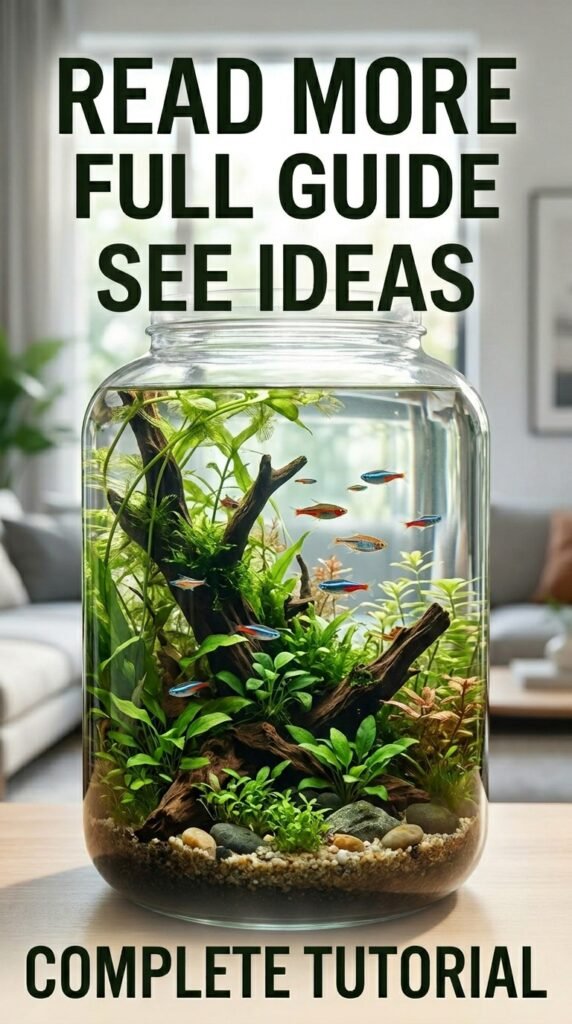
Planted Aquarium Jar
The most popular option.
Features include:
- Aquatic plants
- Natural substrate
- Decorative hardscape
Shrimp Jar Aquarium
Freshwater shrimp can thrive in carefully maintained jars.
Snail Habitat
Small snails help clean algae and contribute to the ecosystem.
Decorative Aquascape
Some aquarium jars focus entirely on plants and hardscape without animals.
Can Fish Live in an Aquarium Jar?
In most cases, aquarium jars are not ideal for fish.
Reasons include:
- Limited swimming space
- Reduced water volume
- Faster water quality changes
Most aquarium experts recommend using jars primarily for plants, shrimp, and snails rather than fish.
If fish are considered, larger containers with proper filtration and heating are essential.
Best Plants for an Aquarium Jar
Plants are often the centerpiece of aquarium jar designs.
Java Moss
One of the easiest and most versatile plants.
Benefits include:
- Low maintenance
- Attractive appearance
- Excellent shrimp habitat
Anubias Nana Petite
A compact plant perfect for small containers.
Bucephalandra
Popular for its unique textures and colors.
Java Fern
Hardy and adaptable to various conditions.
Cryptocoryne Parva
A small plant ideal for nano environments.
Floating Plants
Popular options include:
- Salvinia
- Amazon Frogbit
- Red Root Floaters
Floating plants create natural shade and visual interest.
Substrate Options for Aquarium Jars
The substrate forms the foundation of the ecosystem.
Aquasoil
Ideal for planted aquarium jars.
Fine Gravel
Easy to maintain and visually appealing.
Sand
Provides a natural and clean appearance.
Decorative Stones
Can be incorporated into creative aquascaping layouts.
Hardscape Ideas for Aquarium Jars
Driftwood
Adds texture and creates a natural look.
Lava Rock
Provides interesting shapes and surfaces for plants.
Dragon Stone
Popular among aquascaping enthusiasts.
Miniature Rock Formations
Can resemble mountains, cliffs, or valleys.
Hardscape elements create structure and visual depth.
Aquarium Jar Aquascaping Ideas
Mini Forest Layout
Use branching driftwood and moss to create the appearance of tiny trees.
Mountain Landscape
Arrange rocks to resemble a miniature mountain range.
Island Design
Create a central focal point surrounded by open substrate.
Jungle Jar
Use dense plant growth to mimic a tropical forest.
Nature Aquarium Style
Inspired by natural rivers and streams.
Shrimp for Aquarium Jars
Shrimp are among the best inhabitants for aquarium jars.
Cherry Shrimp
Known for their bright red coloration.
Blue Dream Shrimp
Add vibrant blue tones to the display.
Amano Shrimp
Excellent algae eaters.
Crystal Red Shrimp
Popular among experienced shrimp keepers.
Shrimp add movement and help maintain cleanliness.
Snails for Aquarium Jars
Small snails contribute to ecosystem balance.
Popular choices include:
- Nerite Snails
- Ramshorn Snails
- Bladder Snails
- Malaysian Trumpet Snails
These species help consume algae and leftover food.
Lighting for Aquarium Jars
Proper lighting supports plant growth and enhances appearance.
LED Lights
The most practical option.
Advantages include:
- Energy efficiency
- Low heat production
- Long lifespan
Natural Light
Indirect natural light may benefit plants, but direct sunlight should generally be avoided.
Adjustable Lighting
Allows customization for different plant species.
Maintenance of an Aquarium Jar
Regular care keeps the ecosystem healthy.
Water Changes
Small, frequent water changes help maintain stability.
Plant Trimming
Prevent excessive growth and maintain design balance.
Glass Cleaning
Remove algae and maintain visibility.
Water Testing
Monitor:
- pH
- Ammonia
- Nitrite
- Nitrate
Observation
Regularly check shrimp, snails, and plants for signs of stress.
Common Aquarium Jar Mistakes
Overstocking
Too many animals can quickly overwhelm a small system.
Overfeeding
Excess food causes water quality problems.
Insufficient Lighting
Plants require adequate light to thrive.
Ignoring Maintenance
Small ecosystems can change rapidly.
Choosing Inappropriate Livestock
Large fish are unsuitable for most aquarium jars.
Benefits of Aquarium Jars
- Compact size
- Affordable setup
- Beautiful appearance
- Creative aquascaping opportunities
- Educational value
- Relaxing visual effect
These benefits make aquarium jars increasingly popular among hobbyists and interior decorators.
Aquarium Jar Décor Ideas
Aquarium jars work beautifully in:
Home Offices
Add natural beauty to workspaces.
Living Rooms
Serve as elegant decorative accents.
Bedrooms
Create a calming atmosphere.
Kitchen Counters
Introduce greenery and visual interest.
Bookshelves
Provide a unique living display among books and collectibles.
Conclusion
An aquarium jar is a creative and space-efficient way to enjoy the beauty of aquatic plants, shrimp, and miniature aquascapes. While small in size, these tiny ecosystems can deliver impressive visual impact when thoughtfully designed and properly maintained. By choosing suitable plants, adding natural hardscape, maintaining water quality, and avoiding overcrowding, you can create a thriving aquarium jar that serves as a captivating living decoration.
Whether you prefer a lush planted jungle, a mountain-inspired aquascape, or a simple shrimp habitat, an aquarium jar offers endless opportunities for creativity and enjoyment.
Frequently Asked Questions
What is an aquarium jar?
An aquarium jar is a glass container used to create a miniature aquatic ecosystem with plants, shrimp, snails, and decorative elements.
Can fish live in an aquarium jar?
Most aquarium jars are too small for fish and are better suited for plants, shrimp, and snails.
What plants are best for aquarium jars?
Java Moss, Anubias Nana Petite, Bucephalandra, Java Fern, and Cryptocoryne Parva are popular choices.
Do aquarium jars need filters?
Many planted shrimp jars can operate without filters if carefully maintained, though filtration can improve stability.
How often should an aquarium jar be cleaned?
Regular maintenance, including small water changes and plant trimming, is recommended.
Are aquarium jars good for beginners?
Yes. Simple planted aquarium jars are affordable, attractive, and an excellent introduction to aquatic ecosystems.