
 By weeebooo70@gmail.com
Aquarium art is the creative expression of designing aquariums as visual masterpieces rather than simple fish tanks. It blends nature, design principles, and aquatic life to create a living artwork that evolves over time. From minimalist layouts to complex aquascapes, aquarium art turns glass tanks into immersive underwater worlds that enhance interior spaces and provide a calming, aesthetic experience.
Unlike basic aquarium setups, aquarium art focuses on balance, composition, color harmony, and emotional impact while maintaining a healthy environment for fish and plants.
What Is Aquarium Art
Aquarium art is the intentional design of an aquarium using artistic principles such as focal points, depth, contrast, and flow. It combines elements like plants, rocks, driftwood, lighting, and fish placement to form a cohesive visual composition.
An artistic aquarium is not random decoration. Every element is placed with purpose, creating a scene that feels natural, peaceful, and visually engaging.
Why Aquarium Art Matters
Aquarium art enhances both visual appeal and emotional well-being. A thoughtfully designed aquarium reduces stress, improves focus, and creates a tranquil atmosphere. In homes, offices, hotels, and clinics, aquarium art acts as a natural stress reliever and design feature.
It also improves fish health by providing structured environments that support natural behavior, hiding spaces, and swimming zones.
Core Principles of Aquarium Art
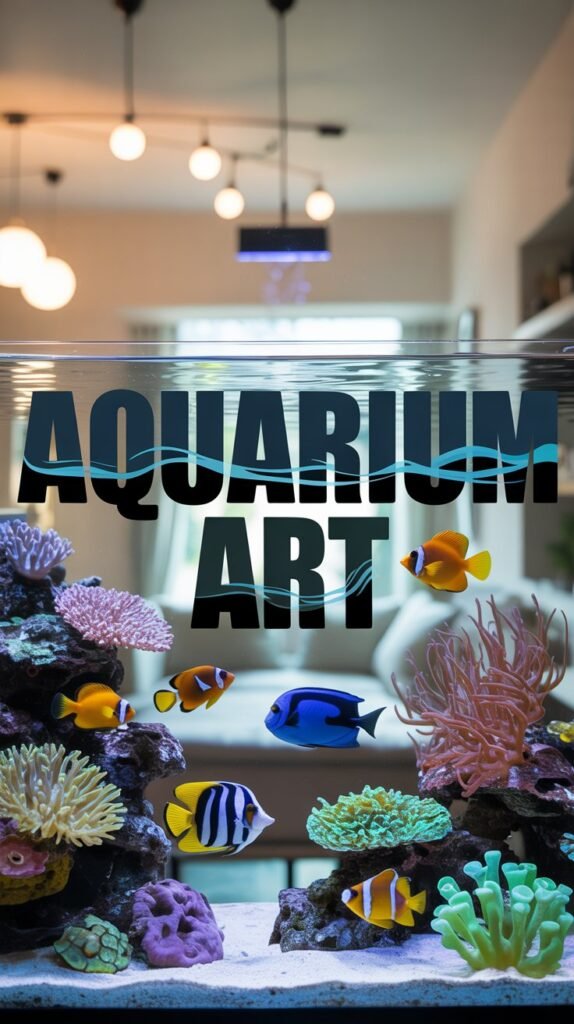
Successful aquarium art follows a few essential principles. Balance ensures the tank does not feel heavy on one side. Contrast highlights key features using color or texture differences. Depth is created by layering foreground, midground, and background elements. Simplicity prevents overcrowding and keeps the design elegant.
Lighting plays a major role in highlighting artistic details and enhancing color perception.
Types of Aquarium Art Styles
Aquarium art can be expressed through various styles depending on personal taste and skill level.
Nature-Inspired Aquarium Art
This style recreates natural landscapes such as rivers, forests, or mountains. It uses stones, driftwood, and live plants arranged organically. The goal is realism and harmony rather than perfection.
Minimalist Aquarium Art
Minimalist aquarium art focuses on simplicity. Fewer elements are used, with open swimming space and one strong focal point. This style suits modern interiors and small tanks.
Aquascaping as Aquarium Art
Aquascaping is the most recognized form of aquarium art. It applies artistic rules to underwater landscapes, often resembling fine art compositions. Aquascaped aquariums are dynamic and change as plants grow.
Themed Aquarium Art
Themed aquarium art follows a specific concept such as jungle, riverbed, blackwater, or stone-focused designs. Consistency in color, material, and fish selection is essential for success.
Aquarium Art for Freshwater Aquariums
Freshwater aquariums are ideal for aquarium art due to their flexibility and wide range of plants and fish. Planted tanks offer endless creative possibilities.
Community fish are often chosen for subtle movement that complements the design without overpowering it. Colorful fish are used sparingly to maintain artistic balance.
Aquarium Art for Saltwater Aquariums
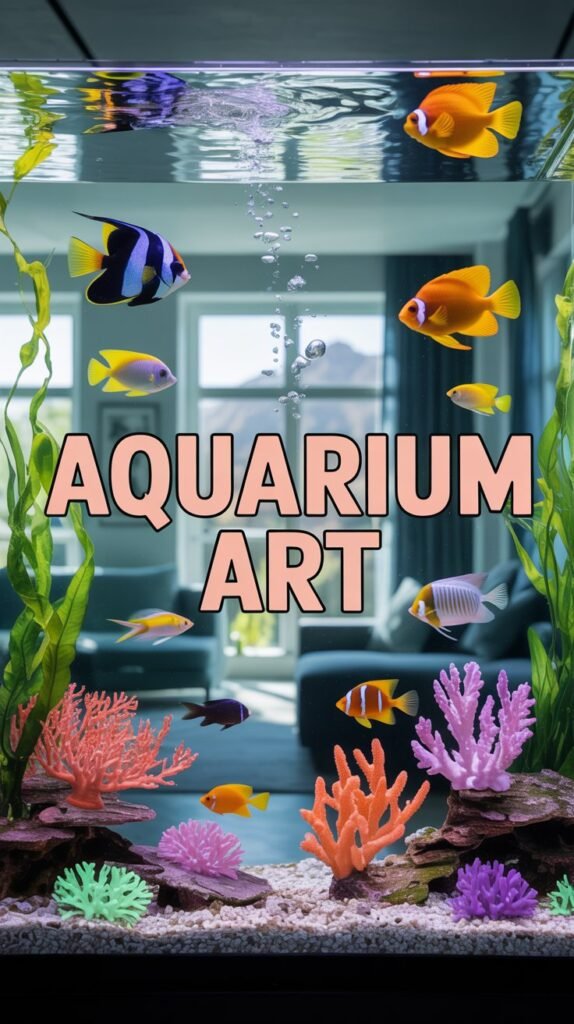
Saltwater aquarium art is vibrant and dramatic. Coral shapes, colors, and textures create stunning visual effects. Marine aquarium art often focuses on contrast and brightness.
Because of higher maintenance requirements, saltwater aquarium art is usually pursued by experienced aquarists.
Aquarium Art Based on Tank Size
Small aquariums require careful planning and minimalist designs. Medium aquariums allow more creative freedom and layered layouts. Large aquariums support complex compositions with multiple focal points.
Matching design scale to tank size is crucial for artistic success.
Role of Plants in Aquarium Art
Plants are a key element of aquarium art. They create texture, movement, and depth. Different leaf shapes and colors add visual interest.
Healthy plant growth requires proper lighting, nutrients, and spacing. Overcrowding plants reduces clarity and disrupts composition.
Role of Fish in Aquarium Art
Fish are living brushstrokes in aquarium art. Their color, size, and swimming patterns contribute to the overall scene.
Fish should enhance the artwork, not dominate it. Schooling fish add flow, while slow-moving species create calmness.
Lighting and Color in Aquarium Art
Lighting defines the mood of aquarium art. Soft lighting creates a peaceful environment, while brighter lighting highlights details and colors.
Neutral backgrounds help colors stand out, while dark backgrounds increase depth and contrast.
Aquarium Art Materials and Safety
Only aquarium-safe materials should be used in aquarium art. Natural stones, driftwood, ceramics, and live plants are preferred.
Artificial items should be avoided unless specifically designed for aquariums. Fish safety always comes before visual appeal.
Aquarium Art Styles Comparison Table
| Aquarium Art Style | Skill Level | Visual Impact | Maintenance |
|---|---|---|---|
| Minimalist Design | Beginner | Clean and Modern | Low |
| Nature Style | Medium | Natural and Calm | Medium |
| Aquascaping Art | Advanced | Professional | Medium to High |
| Themed Aquarium | Medium | Creative and Unique | Medium |
| Reef Aquarium Art | Advanced | Vibrant and Luxurious | High |
Aquarium Art and Interior Design
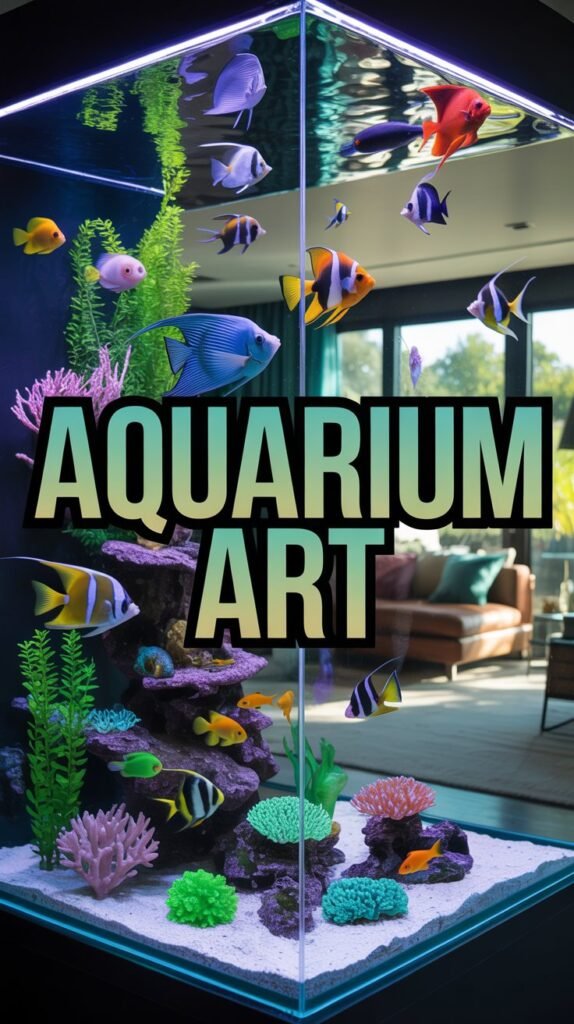
Aquarium art should complement interior décor. Modern homes pair well with minimalist aquariums, while classic interiors suit lush planted designs.
Aquariums placed at eye level create the strongest visual impact. Matching cabinet colors and lighting tones improves harmony.
Maintaining Aquarium Art Long Term
An artistic aquarium requires consistent care. Regular trimming, water changes, and equipment checks keep the artwork alive and balanced.
Aquarium art is dynamic, not static. Adjustments over time are part of the artistic process.
Common Mistakes in Aquarium Art
Overdecorating reduces visual clarity. Ignoring fish compatibility leads to stress and imbalance. Poor lighting hides artistic details.
Patience and observation are essential to refine aquarium art.
Aquarium Art as a Hobby and Lifestyle
Aquarium art is more than decoration; it is a creative hobby that evolves with experience. It encourages mindfulness, observation, and appreciation of nature.
Many aquarists find aquarium art deeply satisfying as it combines creativity with responsibility.
Frequently Asked Questions About Aquarium Art
What is aquarium art?
Aquarium art is the creative design of aquariums using artistic principles and safe materials to create visually appealing underwater scenes.
Is aquarium art suitable for beginners?
Yes, beginners can start with minimalist or simple planted designs and progress gradually.
Does aquarium art affect fish health?
When done correctly, aquarium art improves fish comfort by providing natural environments.
Is aquarium art expensive?
It can be budget-friendly or advanced depending on materials and equipment choices.
Can aquarium art be done in small tanks?
Yes, small tanks are ideal for minimalist and nano aquarium art designs.
How long does aquarium art last?
Aquarium art evolves over time as plants grow and layouts mature, often lasting for years with proper care.
Is aquarium art the same as aquascaping?
Aquascaping is a form of aquarium art, but aquarium art includes broader creative styles.