
 By weeebooo70@gmail.com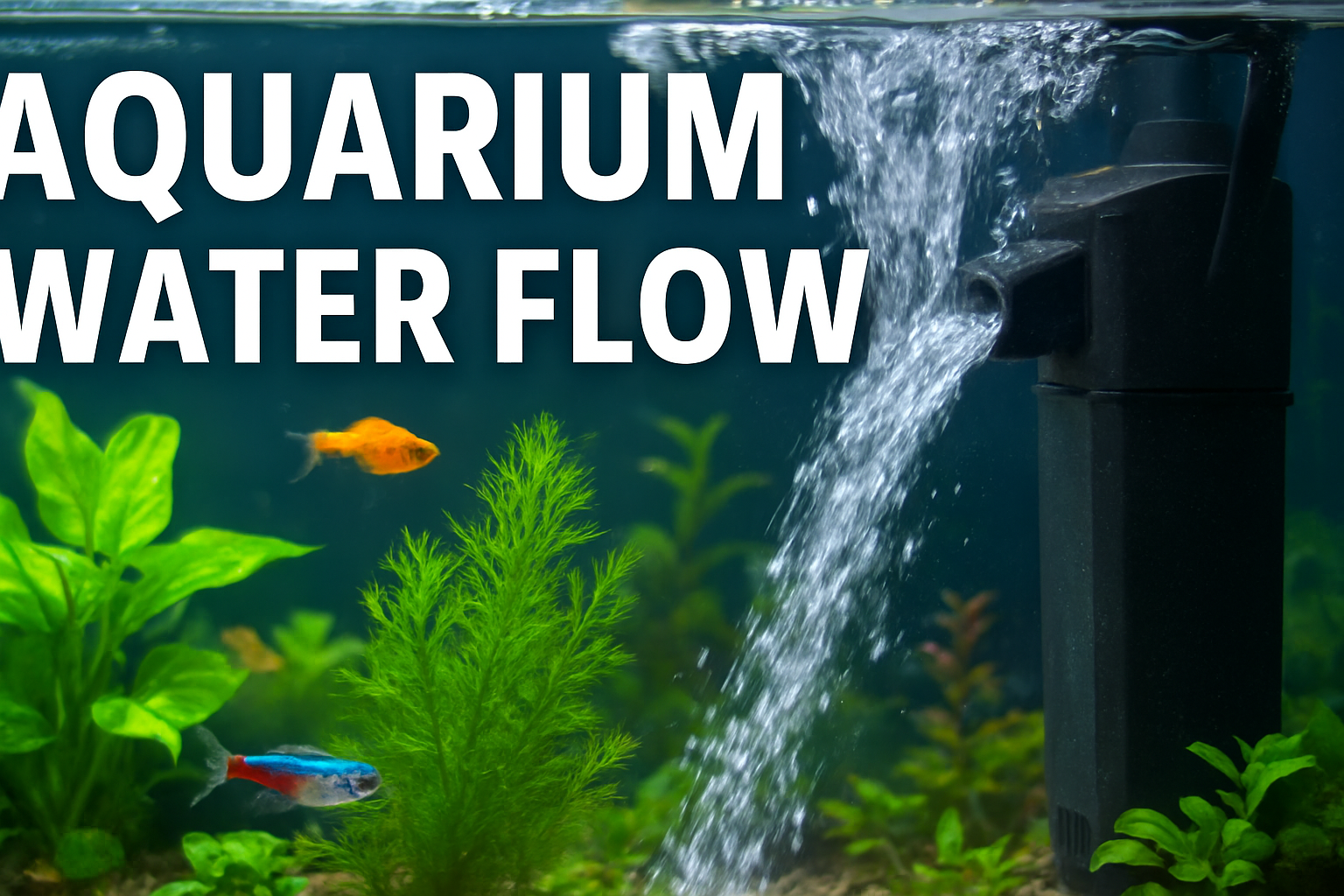
Aquarium keeping is not just about filling a glass tank with water and adding fish. It is a delicate balance of biology, chemistry, and physics. One of the most overlooked yet critically important aspects of aquarium care is aquarium water flow. Water movement within the tank impacts oxygen exchange, nutrient distribution, waste management, and the overall well-being of fish, corals, and plants.
In this article, we’ll dive deep into everything you need to know about aquarium water flow: why it’s important, how to achieve the right flow rate, the best equipment for water circulation, and common mistakes to avoid. Whether you’re a beginner or an advanced aquarist, mastering water flow will take your aquarium to the next level.
What is Aquarium Water Flow?
Aquarium water flow refers to the movement of water inside the tank. It is created through filters, air pumps, wavemakers, or powerheads. Proper water flow ensures that nutrients, oxygen, and heat are evenly distributed throughout the aquarium while preventing debris from settling in dead spots.
Different aquarium setups require different types of flow:
- Freshwater aquariums usually need moderate flow for oxygenation and circulation.
- Planted tanks benefit from gentle to moderate flow to distribute nutrients without uprooting plants.
- Saltwater reef tanks often require strong and variable flow to replicate ocean currents and support coral health.
Why is Aquarium Water Flow Important?
Aquarium water flow plays a vital role in keeping your tank environment stable and thriving. Let’s explore the key benefits:
1. Oxygen Exchange
Fish, shrimp, and beneficial bacteria all require oxygen. Water flow increases surface agitation, allowing for gas exchange—oxygen enters the water while carbon dioxide escapes. Without adequate movement, oxygen levels can drop, leading to fish stress and even death.
2. Waste Management
Strong water circulation keeps fish waste, leftover food, and detritus suspended in the water column so the filter can remove it efficiently. Without good flow, debris accumulates in dead spots, creating ammonia spikes and unhealthy conditions.
3. Nutrient Distribution
In planted aquariums, nutrients from fertilizers or fish waste must reach every part of the tank. In reef aquariums, corals rely on flowing water to bring them dissolved nutrients and plankton.
4. Temperature Stability
Water heaters and chillers work best when water movement distributes heat evenly across the tank. Poor circulation can cause hot or cold zones, stressing aquatic life.
5. Replicating Natural Environments
Different species of fish evolved in rivers, lakes, or oceans with specific flow patterns. Mimicking these environments through controlled aquarium water flow keeps fish comfortable and encourages natural behaviors.
Factors That Influence Aquarium Water Flow
When planning your tank’s flow, consider the following factors:
1. Tank Size
Larger tanks need stronger pumps to ensure that water movement reaches every corner. Smaller tanks require gentle flow to avoid overwhelming fish.
2. Fish Species
Some species, like danios, rainbowfish, or marine tangs, thrive in strong currents. Others, like bettas or discus, prefer calm waters.
3. Aquarium Type
- Freshwater community tanks: Gentle to moderate flow.
- Planted tanks: Moderate flow for nutrient circulation.
- Reef aquariums: High and variable flow to mimic tidal and wave patterns.
4. Aquascaping
Rocks, plants, and decorations can block water movement, creating dead spots. Adjusting pump placement ensures even circulation.
5. Filtration
Filters themselves generate water movement. The strength and direction of outflow can affect circulation patterns.
Types of Aquarium Water Flow
Different types of flow serve different purposes. Understanding them helps you set up your aquarium correctly.
1. Laminar Flow
This is a steady, unidirectional current that flows in one direction. It’s useful for river biotope tanks where fish are adapted to swimming in a single current.
2. Turbulent Flow
Water swirls and moves in multiple directions, creating chaotic circulation. This type of flow mimics ocean environments and is preferred in reef tanks.
3. Oscillating Flow
Using wavemakers, water flow alternates directions, imitating natural tidal currents. This prevents dead spots and benefits coral growth.
4. Surface Agitation
Movement at the water’s surface is essential for gas exchange. Even gentle ripples ensure oxygen enters the water.
Equipment for Aquarium Water Flow
Several tools can help you achieve the right circulation in your tank:
1. Filters
Most filters, such as hang-on-back (HOB), canister, or internal filters, provide some degree of water flow. Adjusting the outflow direction improves circulation.
2. Air Pumps and Air Stones
Air pumps push air through stones, creating bubbles that rise and cause upward water movement. While not powerful, they provide good oxygenation.
3. Powerheads
Powerheads are submersible pumps designed to move water around the aquarium. They’re great for creating strong currents in larger tanks.
4. Wavemakers
Wavemakers generate oscillating or pulsing currents, simulating natural tidal motion. They are essential for reef aquariums.
5. Spray Bars
Attached to canister filters, spray bars spread water evenly across the surface, increasing oxygen exchange and circulation.
How to Achieve the Right Water Flow
The “right” aquarium water flow depends on your setup. Follow these guidelines:
Step 1: Determine Flow Rate
The general rule is 5–10 times the tank’s volume per hour. For example, a 50-gallon aquarium should have a flow rate between 250–500 GPH (gallons per hour). Reef tanks may require up to 20–40 times turnover.
Step 2: Position Equipment Properly
Place filters and powerheads strategically to avoid dead zones. Aim for circular flow around the tank rather than direct blasts on fish or corals.
Step 3: Adjust for Species Needs
If your fish struggle against the current, reduce flow. If debris settles in corners, increase flow or reposition equipment.
Step 4: Monitor Water Parameters
Check oxygen levels, temperature, and waste buildup to confirm flow efficiency.
Step 5: Test and Experiment
Every aquarium is unique. Adjust equipment until you find the perfect balance.
Common Mistakes with Aquarium Water Flow
- Too Strong Flow – Fish may become stressed, plants may uproot, and sand may scatter.
- Too Weak Flow – Leads to oxygen depletion, dead spots, and algae growth.
- Poor Equipment Placement – Creates uneven circulation, leaving some areas stagnant.
- Ignoring Surface Movement – Without surface agitation, oxygen exchange suffers.
- Not Adjusting for Growth – As corals or plants grow, they may block flow patterns.
Aquarium Water Flow in Different Setups
1. Freshwater Community Tank
Moderate flow works best. Position the filter output to create gentle circulation without disturbing fish.
2. Planted Tank
Use spray bars or gentle flow to distribute CO₂ and nutrients without damaging delicate plants.
3. Betta or Low-Flow Tanks
Use sponge filters or adjustable pumps for calm water, as bettas dislike strong currents.
4. Reef Aquarium
Strong, turbulent, and oscillating flow is necessary to support corals and prevent detritus buildup
Benefits of Optimized Aquarium Water Flow
- Healthier, more active fish
- Reduced algae growth
- Cleaner water and less debris buildup
- Stronger plant growth due to better nutrient delivery
- Thriving corals in reef setups
FAQs About Aquarium Water Flow
1. How do I know if my aquarium water flow is too strong?
If fish struggle to swim, get pushed around, or hide constantly, the flow is too strong. Reduce pump output or reposition equipment.
2. What happens if there is no water flow in an aquarium?
Lack of flow leads to oxygen depletion, waste buildup, and unhealthy water conditions. Fish may suffocate or develop stress-related illnesses.
3. How much water flow do reef tanks need?
Reef tanks require 20–40 times tank volume per hour to mimic ocean currents and support coral health.
4. Can strong water flow harm plants?
Yes, delicate plants can uproot or get damaged in strong currents. Always adjust flow based on plant type.
5. Is surface agitation enough for water flow?
Surface agitation improves oxygen exchange but does not replace overall circulation. Combine with pumps or filters for balanced flow.
6. Should I turn off water flow equipment at night?
No, continuous water flow is crucial for oxygenation and waste removal. Turning it off may harm fish.
7. What’s the difference between a wavemaker and a powerhead?
Powerheads provide steady flow, while wavemakers create oscillating, natural tidal currents—ideal for reef tanks.
8. How can I eliminate dead spots in my tank?
Add additional powerheads, adjust filter outlets, or reposition decorations to improve circulation.
Final Thoughts
Aquarium water flow is the hidden key to a thriving aquatic environment. It ensures proper oxygenation, waste removal, nutrient distribution, and temperature stability—all critical for the health of your fish, plants, and corals. By understanding the needs of your aquarium setup and choosing the right equipment, you can create a balanced ecosystem where aquatic life thrives.
Whether you’re setting up a small freshwater tank or a large reef aquarium, mastering aquarium water flow will make all the difference in creating a beautiful, healthy, and sustainable aquatic world.