
 By weeebooo70@gmail.com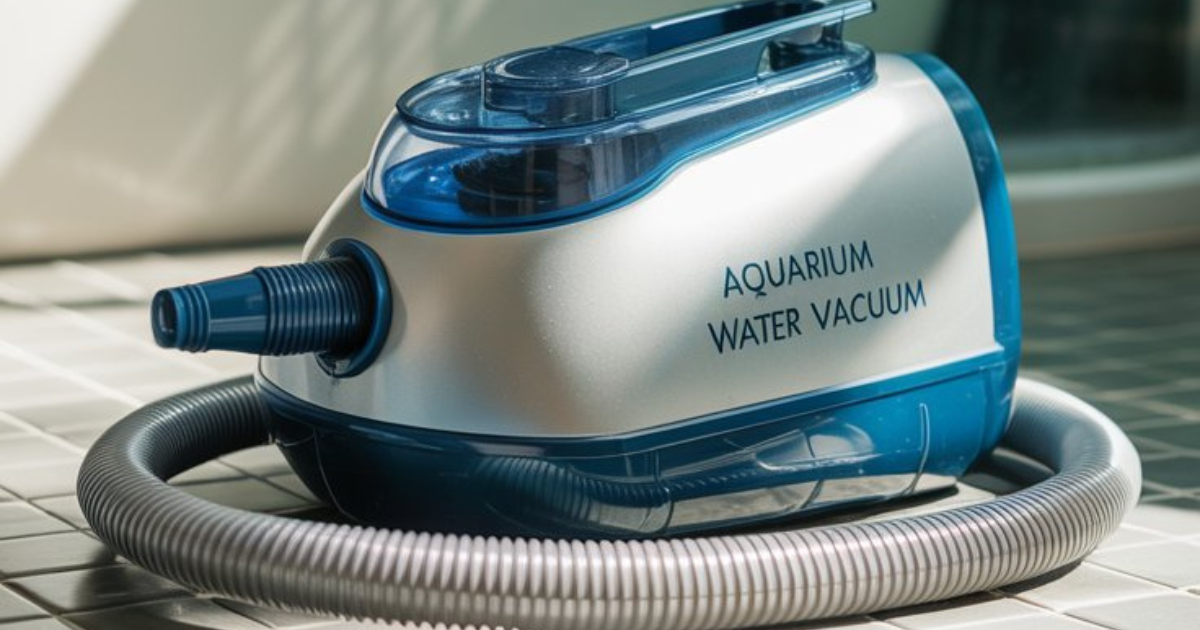
Keeping an aquarium is a rewarding hobby, but one of the biggest challenges aquarists face is maintaining a clean and healthy environment for their fish. Fish tanks, whether freshwater or saltwater, require regular cleaning to prevent harmful buildup of waste, uneaten food, and debris. While water changes are essential, they can be tedious and time-consuming if done manually with buckets and scoops. That’s where an aquarium water vacuum becomes a game-changer.
This comprehensive guide will explore everything you need to know about aquarium water vacuums—what they are, how they work, their types, benefits, step-by-step cleaning techniques, and tips for choosing the right one for your aquarium setup. By the end, you’ll see why an aquarium water vacuum is a must-have tool for every fishkeeper.
What is an Aquarium Water Vacuum?
An aquarium water vacuum, often called a gravel vacuum or aquarium siphon, is a device designed to remove debris, fish waste, and excess food from the gravel or substrate at the bottom of an aquarium while simultaneously performing a water change. It works by creating suction that lifts dirty water and debris out of the tank, leaving behind cleaner water and a healthier environment for your fish.
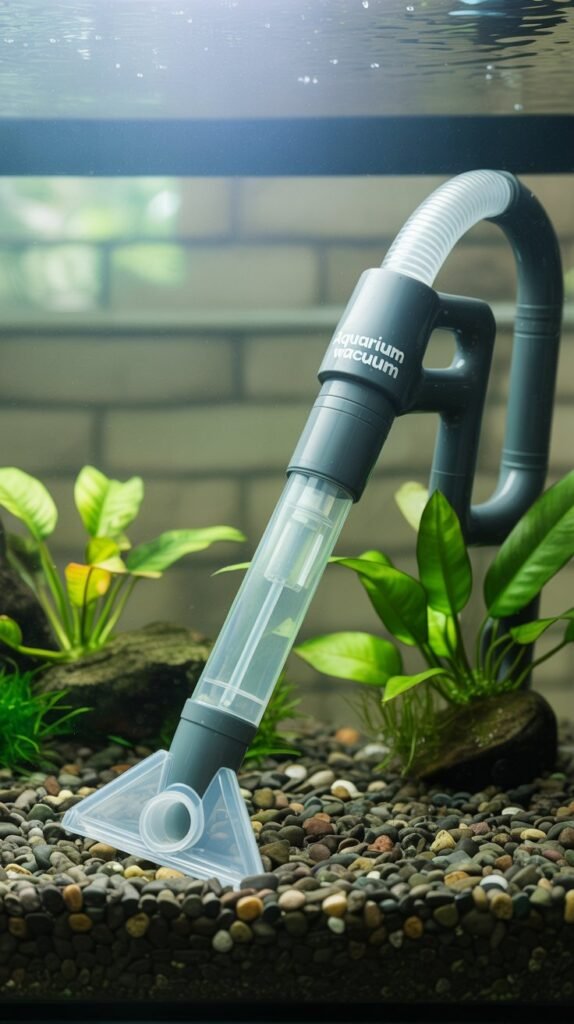
Unlike traditional methods that require scooping out water with containers, an aquarium water vacuum makes the process faster, more efficient, and less stressful for both the aquarist and the fish.
Why Do You Need an Aquarium Water Vacuum?
Even with a good filtration system, waste and debris tend to accumulate at the bottom of the tank. If left unchecked, this buildup can lead to poor water quality, high ammonia levels, and the growth of harmful bacteria. An aquarium water vacuum helps you:
- Maintain Clean Substrate – Removes fish waste, uneaten food, and decaying plant matter from gravel or sand.
- Improve Water Quality – Prevents toxic buildup of ammonia, nitrites, and nitrates.
- Simplify Water Changes – Makes partial water changes quicker and less messy.
- Enhance Fish Health – Provides a safer and more stable environment for aquatic life.
- Save Time & Effort – Reduces the hassle of bucket-carrying and manual cleaning.
Types of Aquarium Water Vacuums
There are several types of aquarium water vacuums available, each with unique features to suit different aquarium sizes and needs.
1. Manual Aquarium Siphons
- Operate using gravity and suction.
- Affordable and easy to use.
- Ideal for beginners and smaller tanks.
- Require the user to start the siphon flow manually.
2. Electric Aquarium Water Vacuums
- Powered by batteries or plugged into an outlet.
- Provide continuous suction without manual effort.
- Often come with filters to separate debris from water.
- Great for larger tanks or frequent cleaning.
3. Automatic Gravel Cleaners
- Advanced models that can filter out waste while returning clean water back to the aquarium.
- Reduce water wastage.
- Higher cost but convenient for big aquariums.
4. Multi-Function Vacuums
- Some vacuums combine siphoning, sand washing, and algae removal.
- Useful for aquarists who want an all-in-one cleaning tool.
How to Use an Aquarium Water Vacuum: Step-by-Step
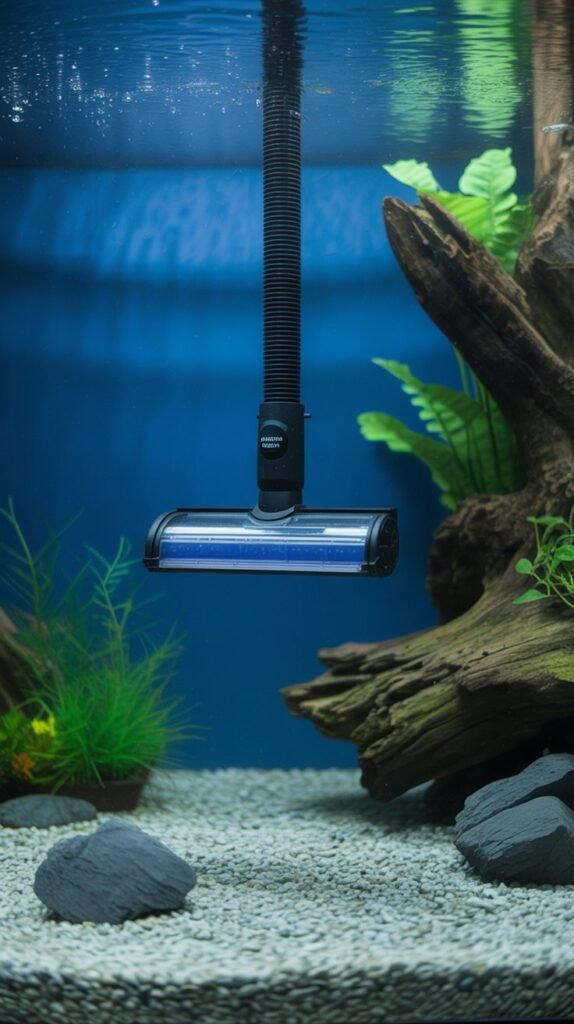
Using an aquarium water vacuum is straightforward, but proper technique ensures maximum cleaning efficiency. Here’s a step-by-step guide:
Step 1: Gather Supplies
- Aquarium water vacuum (manual or electric).
- Bucket for collecting dirty water (if siphon type).
- Towels to catch spills.
Step 2: Prepare the Vacuum
- For manual siphons: Submerge the tube in the tank to fill it with water.
- For electric vacuums: Ensure batteries are charged or the power cord is secure.
Step 3: Start the Flow
- Manual siphons: Suck or shake the tube to create suction until water flows into the bucket.
- Electric vacuums: Turn on the device to begin suction.
Step 4: Clean the Gravel/Substrate
- Insert the vacuum tube into the gravel and lift slightly.
- Waste and debris will rise while the heavier substrate falls back down.
- Move the tube systematically across the tank bottom.
Step 5: Perform a Partial Water Change
- Continue vacuuming until you’ve removed 20–30% of the tank water.
- Avoid over-cleaning, as beneficial bacteria live in the substrate.
Step 6: Refill the Tank
- Replace removed water with dechlorinated fresh water.
- Match temperature and pH to prevent fish stress.
Benefits of Using an Aquarium Water Vacuum
An aquarium water vacuum is more than just a cleaning tool—it’s an essential part of aquarium maintenance. Key benefits include:
- Time Efficiency – Cleans substrate and changes water in one step.
- Better Fish Health – Reduces stress and prevents diseases caused by poor water quality.
- Improved Tank Aesthetics – Keeps aquarium visually appealing.
- Prevents Algae Overgrowth – Less organic waste means less algae food.
- Beginner-Friendly – Even new fishkeepers can use them with ease.
Choosing the Right Aquarium Water Vacuum
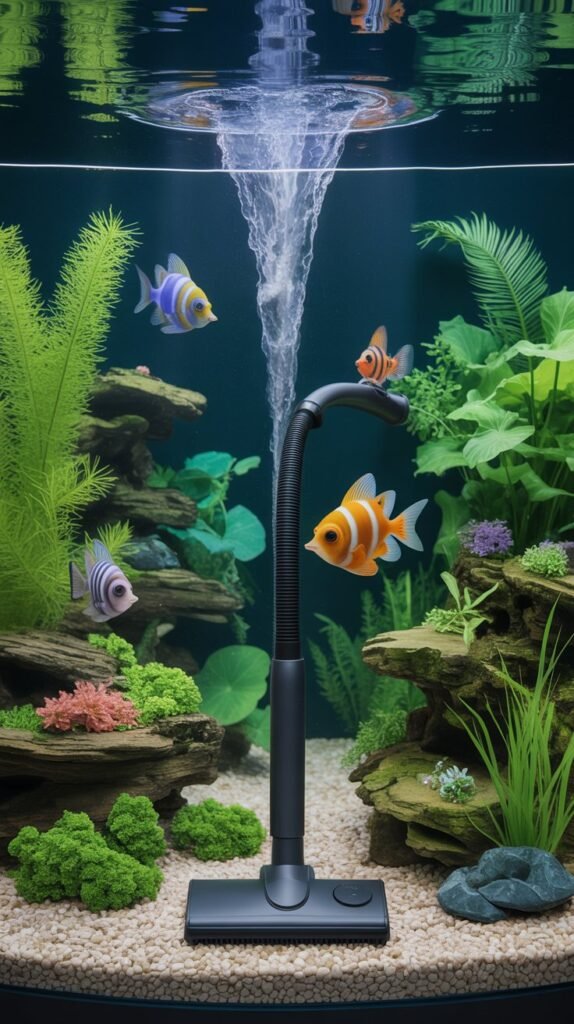
When buying an aquarium water vacuum, consider the following factors:
- Tank Size – Larger tanks benefit from electric or automatic vacuums.
- Type of Substrate – Some vacuums work better with gravel than sand.
- Ease of Use – Manual siphons are simple, while electric ones offer convenience.
- Budget – Manual vacuums are inexpensive; electric and automatic models cost more.
- Frequency of Cleaning – If you clean often, a battery-powered vacuum saves time.
Tips for Effective Aquarium Vacuuming
- Don’t clean all substrate at once; leave beneficial bacteria colonies intact.
- Clean different sections during each water change.
- Vacuum once a week for heavily stocked tanks; once every two weeks for lightly stocked tanks.
- Use slow, controlled movements to avoid stirring debris into the water column.
- Always treat replacement water with dechlorinator before adding it back.
Common Mistakes to Avoid
- Over-Cleaning the Gravel – Can remove too many beneficial bacteria.
- Skipping Water Conditioner – Untreated tap water harms fish.
- Vacuuming During Feeding – Fish food debris may cloud the water again.
- Draining Too Much Water – Never change more than 50% of the water at once.
- Using the Wrong Vacuum Size – A small siphon in a large tank makes cleaning inefficient.
Conclusion
An aquarium water vacuum is one of the most essential tools for maintaining a clean, healthy, and thriving fish tank. It not only simplifies the process of water changes but also ensures that the substrate remains free from harmful waste. Whether you choose a simple manual siphon or an advanced automatic vacuum, incorporating this tool into your regular aquarium maintenance routine will save time, improve fish health, and enhance the beauty of your tank.
If you’re serious about fishkeeping, investing in a reliable aquarium water vacuum is a decision you won’t regret.
FAQs About Aquarium Water Vacuums
1. How often should I use an aquarium water vacuum?
Most aquariums benefit from vacuuming once a week, especially if they are heavily stocked. For lightly stocked tanks, once every two weeks is sufficient.
2. Can I use an aquarium water vacuum in a planted tank?
Yes, but be gentle around plant roots. Focus on open areas and avoid disturbing rooted plants too much.
3. Do I need to remove fish while using the vacuum?
No, fish can stay in the tank during vacuuming. Just move slowly to avoid stressing them.
4. Can I use a water vacuum for both freshwater and saltwater tanks?
Yes, aquarium water vacuums work for both, but ensure the materials are resistant to salt corrosion if you own a marine aquarium.
5. Is an electric vacuum better than a manual siphon?
It depends on your tank size and preferences. Manual siphons are affordable and effective for small tanks, while electric vacuums are more convenient for larger setups.
6. Can I vacuum sand substrate?
Yes, but lift the tube slightly above the sand to prevent sucking it out. Use short bursts instead of deep plunging.
7. What percentage of water should I remove during vacuuming?
A 20–30% water change is recommended for most aquariums during each cleaning session.
8. Can aquarium water vacuums replace filters?
No, they complement filters. A vacuum removes solid waste, while filters handle continuous mechanical and biological filtration.