
 By weeebooo70@gmail.com
Betta fish are among the most popular freshwater aquarium species in the world because of their vibrant colors, flowing fins, and fascinating personalities. Often called Siamese fighting fish, bettas are loved by beginners and experienced aquarists alike. Their beauty, adaptability, and unique behavior make them a centerpiece in many home aquariums. Understanding proper betta fish care is essential for keeping them healthy, active, and visually stunning. This complete guide covers everything you need to know about betta fish, including types, habitat, feeding, tank setup, compatibility, and long-term maintenance.
What Is a Betta Fish?
Betta fish belong to the species Betta splendens and originate from Southeast Asia, particularly Thailand, Cambodia, and Vietnam. In the wild, they live in shallow rice paddies, slow-moving streams, and warm tropical waters. Bettas are labyrinth fish, meaning they can breathe atmospheric air using a special organ called the labyrinth organ. This unique adaptation allows them to survive in low-oxygen environments, but it does not mean they thrive in poor water conditions. A clean and stable aquarium is still essential for their well-being.
Betta fish are known for their territorial nature, especially males. Their aggressive behavior toward other males is the reason behind the name Siamese fighting fish. Despite their reputation, bettas can be peaceful in the right environment when housed properly.
Types of Betta Fish
There are many varieties of betta fish, each distinguished by tail shape, color patterns, and fin structure. Choosing the right type depends on personal preference and the level of care you want to provide.
Veiltail Betta
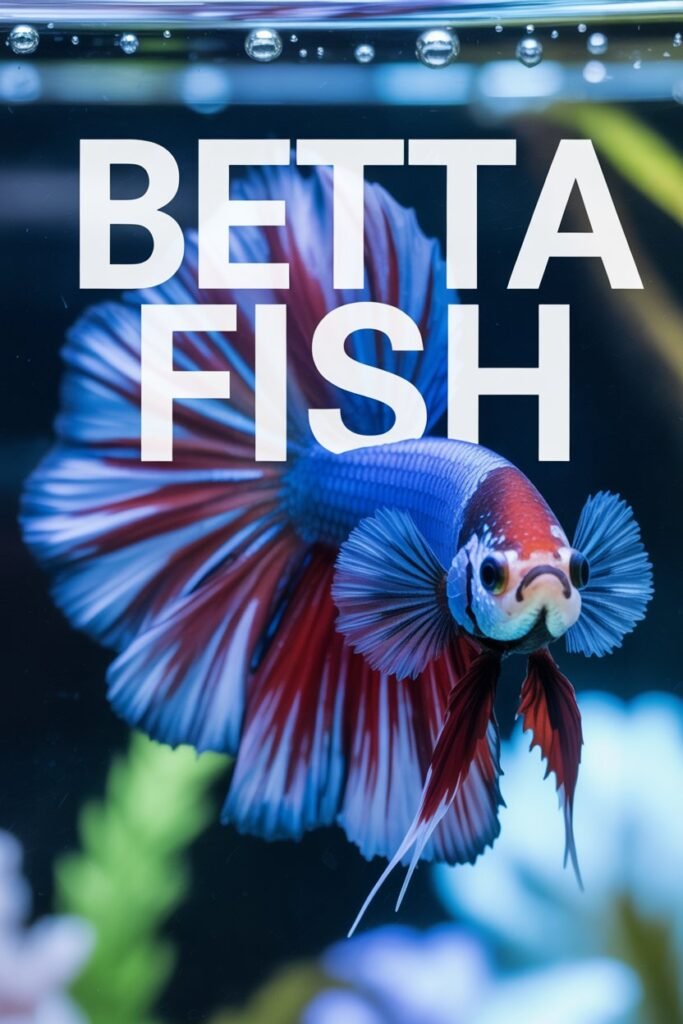
The veiltail is one of the most common and affordable betta fish types. It has long, flowing fins that trail behind the body, creating an elegant appearance.
Crowntail Betta
Crowntail bettas feature spiky fin rays that resemble a crown. Their unique shape makes them highly attractive, and they are popular among collectors.
Halfmoon Betta
Halfmoon bettas have tails that spread into a perfect 180-degree semicircle. These fish are often considered premium varieties due to their dramatic appearance.
Plakat Betta
Plakat bettas have short fins and resemble wild bettas more closely. They are often more active swimmers and are less prone to fin damage.
Double Tail Betta
Double tail bettas have a split tail that gives them a fuller look. They often have broader bodies and require careful tank maintenance.
Elephant Ear or Dumbo Betta
This type has oversized pectoral fins that resemble elephant ears. Their movement in water is graceful and eye-catching.
Ideal Betta Fish Tank Setup
Creating the right environment is one of the most important factors in successful betta fish care. Although bettas are sometimes sold in small containers, they need more space to thrive.
A minimum tank size of 5 gallons is recommended for a single betta fish. Larger tanks provide better water stability and allow for more natural swimming behavior. Water temperature should remain between 24°C and 28°C, making a heater necessary in most indoor setups.
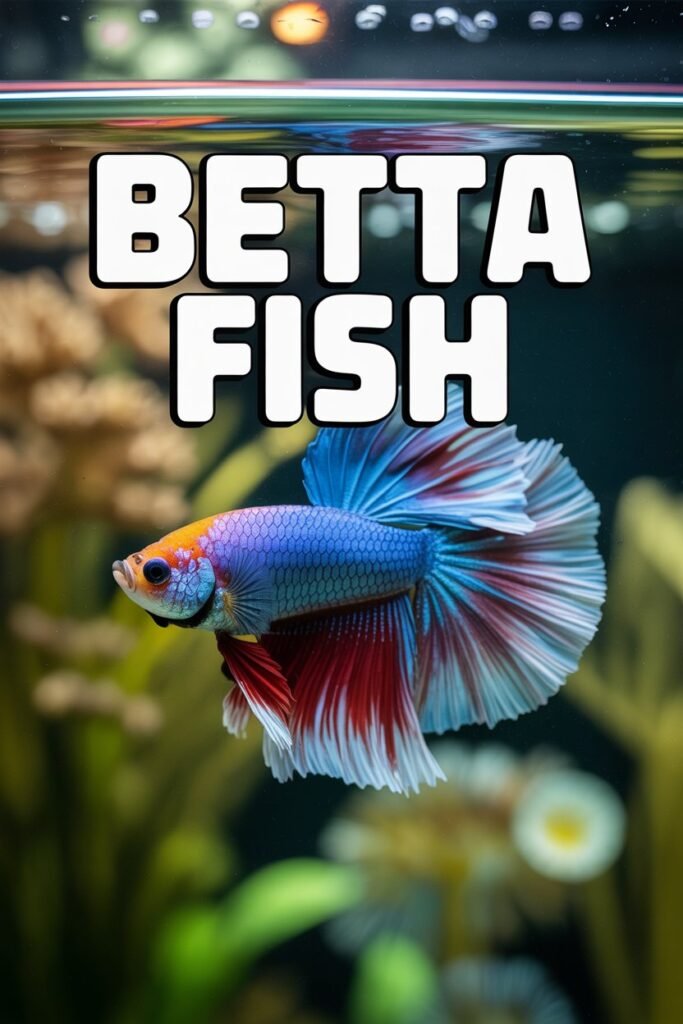
Use a gentle filter that does not create strong currents because bettas have delicate fins. Adding live plants such as Java fern, anubias, or floating plants helps replicate their natural habitat and reduces stress. Decorations should be smooth and free from sharp edges to prevent fin tears.
Lighting should be moderate, as bettas do not require intense brightness. A day and night cycle of around 8 to 10 hours of light keeps them comfortable and maintains a natural rhythm.
Betta Fish Care Requirements
Betta fish are often marketed as easy pets, but proper care requires consistency and attention. Maintaining stable water conditions is essential. Regular water changes of about 20 to 30 percent weekly help remove waste and keep ammonia levels low.
Water parameters should remain stable with a pH between 6.5 and 7.5. Avoid sudden changes in temperature or chemistry because bettas are sensitive to stress.
Observation is an important part of daily care. Healthy bettas are active, responsive, and have vibrant coloration. Signs of illness may include clamped fins, loss of appetite, or lethargic behavior.
Feeding Betta Fish Properly
Betta fish are carnivorous and require a protein-rich diet. High-quality betta pellets should be the main staple food, supplemented occasionally with frozen or live treats like bloodworms, brine shrimp, or daphnia.
Feed small portions once or twice a day. Overfeeding is one of the most common mistakes and can lead to poor water quality and health issues. A good rule is to offer only as much food as the betta can consume within two minutes.
Variety in diet helps enhance color and supports immune health. Always remove uneaten food to prevent water pollution.
Betta Fish Behavior and Personality
One of the reasons betta fish are so popular is their strong personality. Many bettas recognize their owners and may swim toward the glass during feeding time. Males often flare their fins when they see reflections or other fish, which is a natural display behavior.
Despite their aggressive reputation, bettas are intelligent and curious. Providing enrichment through plants, caves, and floating objects encourages exploration and reduces boredom.
Female bettas tend to be less aggressive than males and can sometimes be kept together in carefully monitored groups called sororities, though this requires experience and a larger tank.
Betta Fish Tank Mates
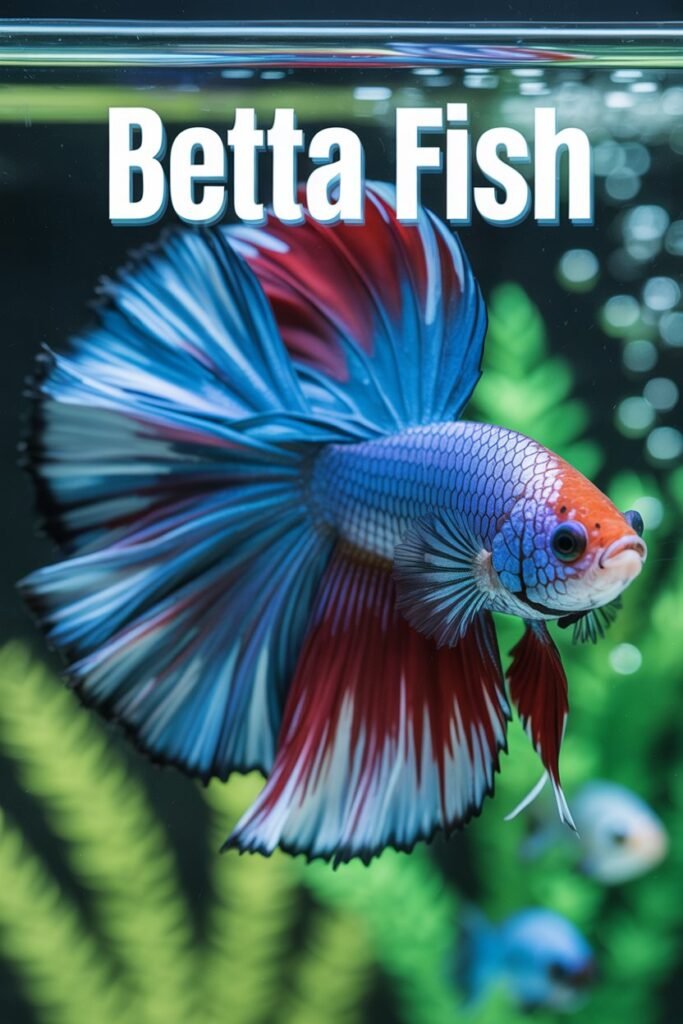
Choosing compatible tank mates is important because bettas can become territorial. Peaceful species that do not nip fins are the best companions. Suitable options may include small rasboras, certain tetras, snails, and shrimp. Avoid housing bettas with other male bettas or fish that have long, flowing fins that may trigger aggression.
When introducing tank mates, monitor interactions closely. Every betta has a unique temperament, so compatibility can vary from fish to fish.
Common Betta Fish Health Issues
Betta fish can experience health problems if water quality declines or stress increases. Some common issues include fin rot, ich, swim bladder disorder, and fungal infections. Maintaining clean water and a balanced diet is the best prevention strategy.
Quarantining new fish before introducing them into the main tank reduces the risk of disease transmission. If a betta becomes ill, isolating it in a hospital tank allows for targeted treatment without affecting other inhabitants.
Lifespan and Growth Expectations
With proper care, betta fish can live between three and five years, and sometimes longer. Genetics, water quality, diet, and stress levels all influence lifespan. Providing a spacious and stable environment greatly improves longevity.
Growth typically slows after the first year, but bettas continue to develop coloration and personality throughout their lives. Consistent maintenance and attentive care make a significant difference in overall health.
Betta Fish vs Other Tropical Fish
Betta fish stand out among tropical fish due to their labyrinth organ and territorial nature. Unlike schooling fish, bettas prefer solitary living spaces. Their ability to breathe air makes them adaptable, but they still require high-quality aquarium conditions.
For beginners transitioning from community fish to bettas, understanding their behavioral differences is essential. A betta-focused tank setup often works best rather than placing them into crowded aquariums.
Betta Fish Care Quick Reference Table
| Care Aspect | Recommended Standard |
|---|---|
| Minimum Tank Size | 5 gallons |
| Water Temperature | 24°C to 28°C |
| pH Level | 6.5 to 7.5 |
| Diet Type | High-protein pellets and frozen foods |
| Water Change Frequency | Weekly 20–30% |
| Tank Mates | Peaceful, non-fin-nipping species |
| Lifespan | 3 to 5 years |
Decorating a Betta Fish Aquarium
Aquascaping plays an important role in betta health and aesthetics. Natural decorations such as driftwood, smooth rocks, and live plants create hiding spots and resting areas. Floating plants are especially beneficial because bettas enjoy resting near the surface.
Avoid overcrowding the tank with decorations. Open swimming space helps bettas display their natural movement and reduces stress. Soft substrates like sand or fine gravel complement planted aquariums and enhance the overall look.
Breeding Betta Fish Basics
Breeding betta fish requires careful planning and experience. Males build bubble nests at the water surface, and courtship behavior includes flaring and gentle chasing. After spawning, the male usually cares for the eggs and fry.
A separate breeding tank with shallow water is often used to protect the fry. Proper nutrition and stable water conditions are essential during this process. Breeding bettas can be rewarding, but it requires time, patience, and knowledge of fish behavior.
Why Betta Fish Are Perfect for Home Aquariums
Betta fish combine beauty, personality, and manageable care requirements, making them ideal for home aquariums. Their wide variety of colors and fin shapes allows hobbyists to create visually stunning displays without needing large tanks.
For beginners, bettas offer an accessible entry into the aquarium hobby. For advanced aquarists, selective breeding, aquascaping, and specialized care provide endless opportunities for creativity and learning.
Frequently Asked Questions About Betta Fish
How often should I clean a betta fish tank?
Partial water changes of 20 to 30 percent once a week are usually enough to maintain good water quality. Regular cleaning prevents harmful toxin buildup.
Can betta fish live in bowls?
While bettas can survive in small containers, they thrive in tanks of at least 5 gallons with filtration and heating. Larger tanks promote better health and longer lifespan.
What do betta fish eat in captivity?
Betta fish eat high-protein pellets, frozen foods, and occasional live treats. A balanced diet improves color and energy levels.
Are betta fish aggressive toward all fish?
Bettas are primarily aggressive toward other male bettas and fin-nipping species. Many can live peacefully with compatible tank mates when introduced properly.
Do betta fish need a heater?
Yes, bettas are tropical fish and require warm water. A heater helps maintain stable temperatures, especially in cooler climates or air-conditioned rooms.
How long do betta fish live?
Most bettas live between three and five years with proper care, though some may live longer under ideal conditions.
Can female betta fish live together?
Female bettas can sometimes be kept in groups called sororities, but this requires a larger tank, plenty of hiding spaces, and careful monitoring to prevent aggression.
Why is my betta fish not eating?
Loss of appetite may be caused by stress, poor water quality, illness, or overfeeding. Checking water parameters and observing behavior can help identify the cause.
Betta fish are more than just colorful aquarium pets; they are intelligent, interactive companions that reward attentive care with vibrant beauty and engaging behavior. By understanding their needs and creating a stable environment, aquarists can enjoy a thriving betta fish that becomes the true highlight of any freshwater aquarium.