
 By admin
Tropical fish are among the most popular and visually stunning aquarium fish in the world. Known for their bright colors, diverse shapes, and lively behavior, tropical fish are commonly kept in home aquariums, offices, and public displays. Their variety makes them suitable for beginners as well as experienced aquarists, provided their care needs are properly understood.
What Are Tropical Fish
Tropical fish are fish species that live in warm freshwater or saltwater environments, typically in regions near the equator. They thrive in stable water temperatures, usually between 22 and 28°C. Tropical fish include hundreds of species ranging from small community fish to large, aggressive predators.
Most tropical fish kept in aquariums originate from South America, Africa, Southeast Asia, and tropical ocean regions.
Types of Tropical Fish
Tropical fish can be broadly divided into freshwater and saltwater categories. Each group has unique characteristics, care requirements, and visual appeal.
Freshwater Tropical Fish
Freshwater tropical fish are the most common choice for home aquariums due to easier maintenance and lower cost. They are ideal for beginners.
Popular freshwater tropical fish include Guppy, Betta Fish, Molly Fish, Platy Fish, Swordtail Fish, Tetra Fish, Angelfish, Discus Fish, Oscar Fish, Gourami Fish, and Corydoras Catfish.
Saltwater Tropical Fish
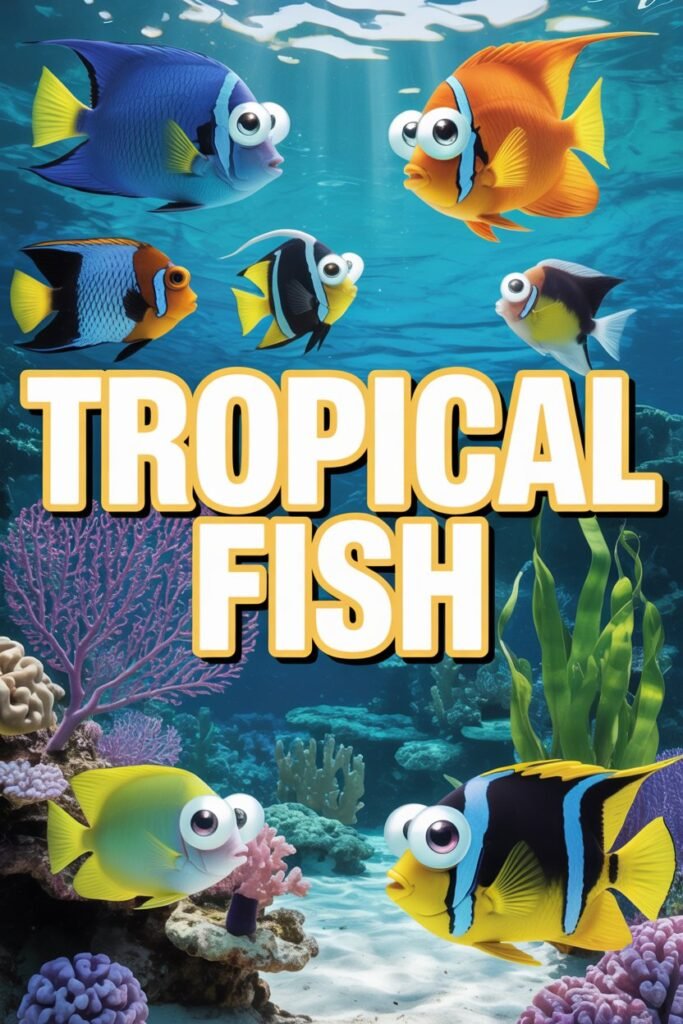
Saltwater tropical fish are often more colorful and exotic but require advanced care and stable water chemistry.
Common saltwater tropical fish include Clownfish, Tang Fish, Butterflyfish, Angelfish, Goby Fish, Lionfish, and Damselfish.
Natural Habitat and Behavior
In the wild, tropical fish live in rivers, lakes, coral reefs, and coastal waters with consistent temperatures and abundant food sources. Many freshwater tropical fish live in planted environments with slow-moving water, while saltwater species often inhabit coral reefs with strong currents.
Tropical fish display a wide range of behaviors, from schooling and peaceful swimming to territorial and aggressive interactions.
Physical Characteristics
Tropical fish vary greatly in size, color, and body shape. Some species are small and delicate, while others grow large and powerful. Their vibrant coloration often serves purposes such as attracting mates, warning predators, or blending into their surroundings.
Many tropical fish have evolved unique fin shapes, patterns, and markings that make them highly desirable for aquariums.
Tropical Fish Aquarium Setup
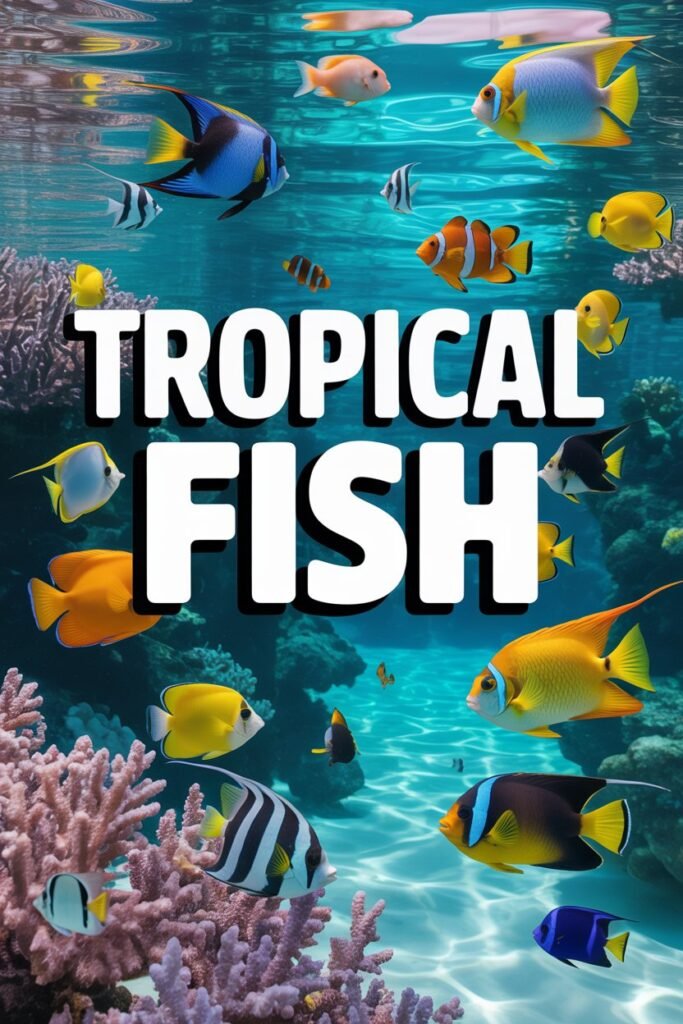
A proper aquarium setup is essential for keeping tropical fish healthy. The tank size depends on the species, but overcrowding should always be avoided.
A typical tropical fish tank includes a heater to maintain stable temperature, a filter for clean water, suitable lighting, and decorations such as plants, rocks, and hiding spots.
Ideal Tropical Fish Tank Conditions
| Requirement | Ideal Condition |
|---|---|
| Tank Size | 10–30 gallons or larger |
| Water Type | Freshwater or Saltwater |
| Temperature | 22–28°C |
| Filtration | Moderate to strong |
| Lighting | Moderate |
| Tank Mates | Compatible species |
Water Quality and Maintenance
Tropical fish are sensitive to poor water quality. Regular water testing and weekly partial water changes help maintain stable conditions.
Clean water reduces stress, improves coloration, and prevents common diseases. Sudden changes in temperature or water chemistry should be avoided.
Tropical Fish Diet and Feeding
Most tropical fish are omnivores, though some species are strictly herbivorous or carnivorous. A balanced diet includes flakes or pellets as a staple, supplemented with frozen or live foods and vegetable matter.
Feeding small amounts once or twice a day is ideal. Overfeeding is a common mistake that leads to poor water quality and health problems.
Compatibility and Community Tanks
Many tropical fish can live peacefully in community tanks if compatible species are chosen. Fish with similar size, temperament, and water requirements should be kept together.
Aggressive fish should be housed separately or with species that can tolerate their behavior.
Common Tropical Fish Diseases
Tropical fish may suffer from diseases if water quality declines. Common issues include ich, fin rot, fungal infections, and swim bladder disorders.
Early signs of illness include white spots, clamped fins, loss of appetite, and abnormal swimming. Prevention through proper care is always better than treatment.
Benefits of Keeping Tropical Fish
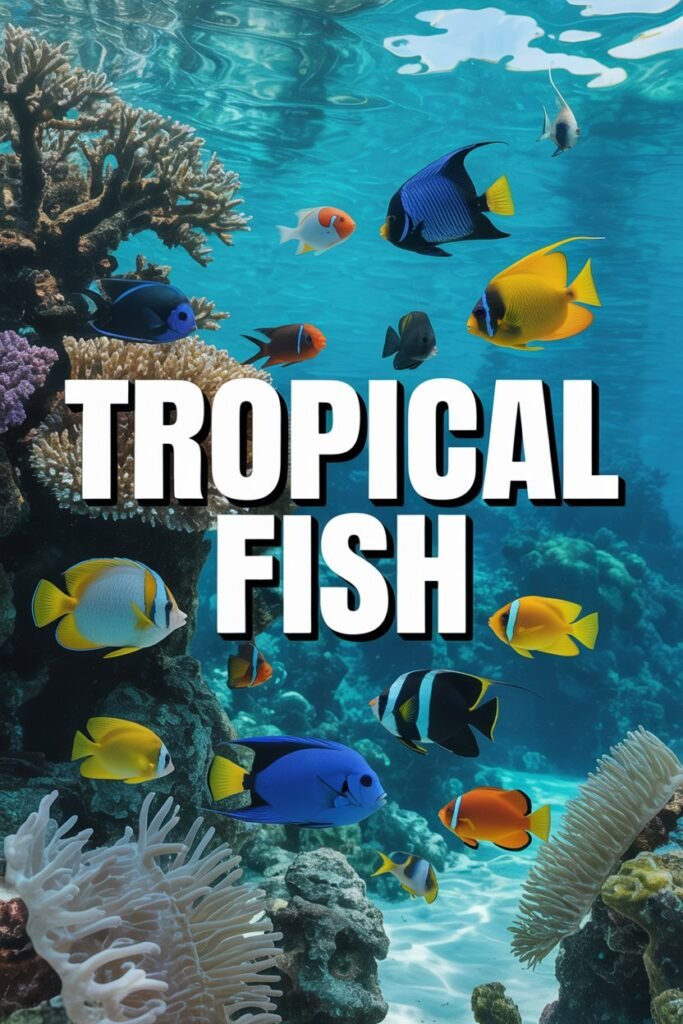
Tropical fish aquariums provide relaxation, reduce stress, and enhance indoor spaces. Watching fish swim has been shown to have calming effects on the mind.
Aquariums also help people learn responsibility, patience, and basic aquatic biology.
Tropical Fish for Beginners
Beginner-friendly tropical fish include guppies, mollies, platies, tetras, bettas, and corydoras. These fish are hardy, adaptable, and forgiving of minor mistakes.
Starting with easy species helps build confidence and experience before moving to advanced fish.
Interesting Facts About Tropical Fish
Some tropical fish can recognize their owners.
Bright colors often indicate health and good genetics.
Many tropical fish are schooling fish and prefer groups.
Stable temperature is more important than exact temperature.
FAQs About Tropical Fish
What temperature do tropical fish need
Most tropical fish thrive between 22 and 28°C.
Are tropical fish freshwater or saltwater
Tropical fish can be either freshwater or saltwater, depending on the species.
How many tropical fish can I keep in one tank
This depends on tank size and species, but overcrowding should be avoided.
Do tropical fish need a heater
Yes, most tropical fish require a heater to maintain stable temperature.
Are tropical fish good for beginners
Yes, many tropical fish species are ideal for beginners.
Final Thoughts
Tropical fish offer endless variety, beauty, and enjoyment for aquarium lovers. Whether you prefer peaceful community tanks or colorful reef displays, tropical fish can suit almost any interest and skill level. With proper care, stable water conditions, and thoughtful species selection, tropical fish can thrive and turn any aquarium into a vibrant underwater world.