
 By admin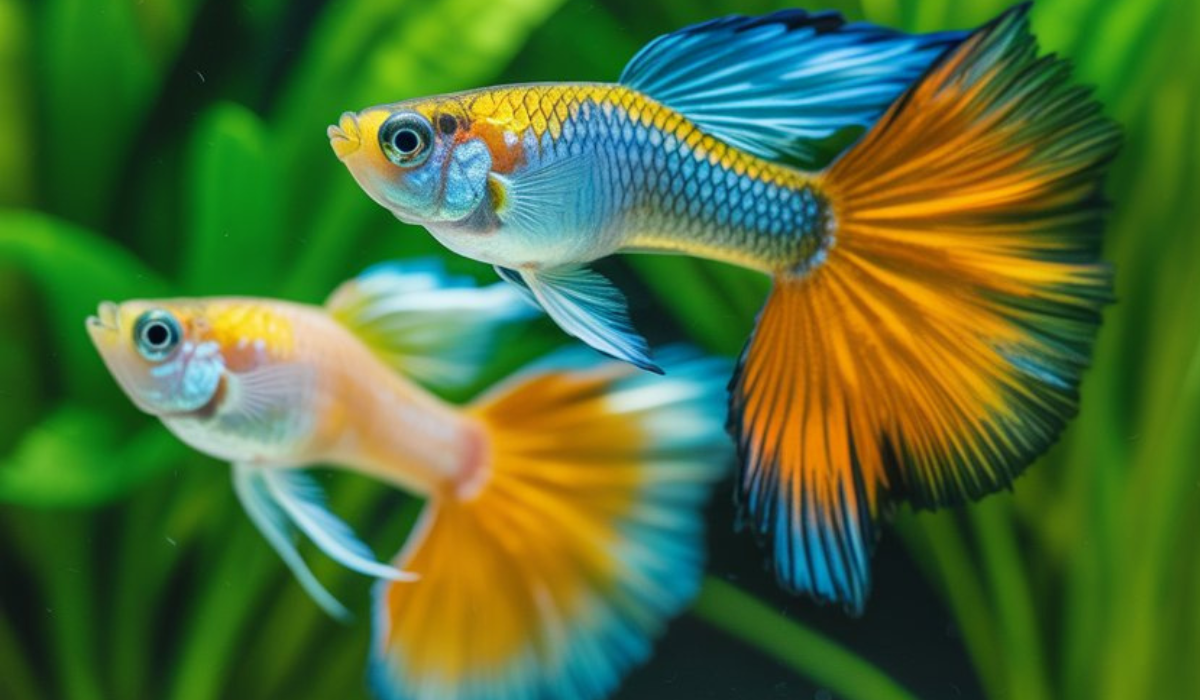
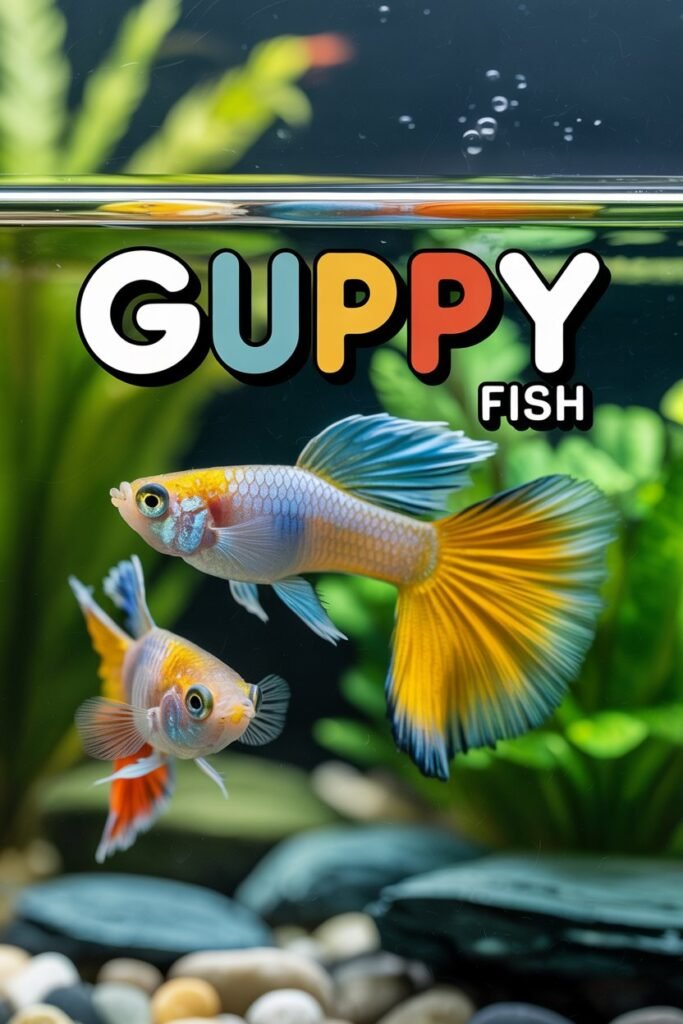
Guppy fish are one of the most popular freshwater aquarium fish in the world. Known for their vibrant colors, active behavior, and easy care, guppies are often the first choice for beginners while still being loved by experienced aquarists. Their adaptability, fast breeding, and wide variety of patterns make them a fascinating species to keep and observe.
What Is a Guppy
Guppies are small freshwater fish belonging to the Poeciliidae family. Their scientific name is Poecilia reticulata. Native to South America, guppies are now found worldwide due to their popularity in aquariums and their ability to adapt to various water conditions.
Guppies are livebearers, meaning they give birth to live fry instead of laying eggs. This unique trait makes them especially interesting for hobbyists interested in breeding.
Natural Habitat and Behavior
In the wild, guppies live in slow-moving streams, rivers, ponds, and ditches. They prefer warm freshwater environments with plenty of plants and hiding spaces. Guppies are schooling fish and feel more comfortable when kept in groups.
They are active swimmers and spend most of their time exploring the tank, especially the upper and middle water levels. Their peaceful nature makes them excellent community fish.
Physical Characteristics
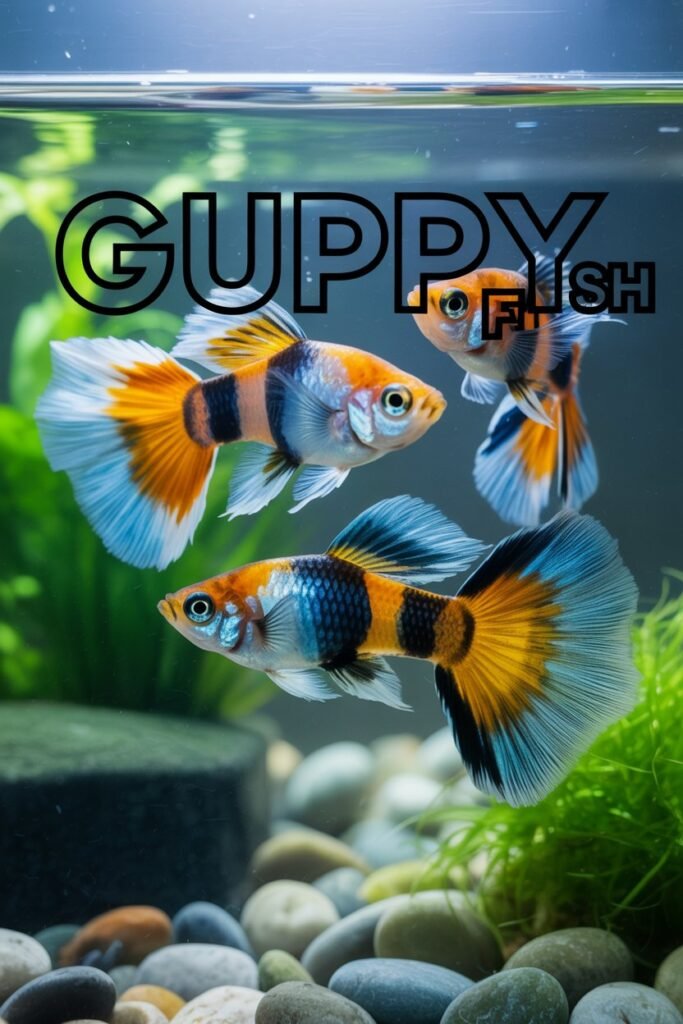
Guppies are small fish, typically growing between 1.5 to 2.5 inches in length. Males are usually smaller but much more colorful, while females are larger with more muted coloration.
Male guppies display a wide range of tail shapes and colors, including fan tails, delta tails, round tails, and sword tails. Colors can include red, blue, yellow, green, orange, black, and multicolor patterns.
Types of Guppy Fish
Guppies are one of the most diverse freshwater aquarium fish in the world. Through selective breeding, hundreds of guppy varieties have been developed, each with unique colors, tail shapes, and patterns. Understanding the different types of guppy helps aquarists choose the right fish for their tank and breeding goals.
Classification of Guppy Types
Guppies are usually classified based on three main features: tail shape, body color, and pattern. Some guppies may belong to more than one category at the same time, such as a red mosaic guppy with a delta tail.
Guppy Types by Tail Shape
Tail shape is one of the most noticeable features of guppies. Different tail types affect swimming style and overall appearance.
Delta Tail Guppy
Delta tail guppies have large triangular tails that spread wide like a fan. They are among the most popular and visually striking guppy types.
Fan Tail Guppy
Fan tail guppies have rounded, broad tails. They are graceful swimmers and commonly found in fancy guppy varieties.
Round Tail Guppy
Round tail guppies have small, circular tails. They are hardy and closer to wild guppy forms.
Swordtail Guppy
Swordtail guppies have a tail extension on one or both sides. Double sword and top sword varieties are common.
Lyretail Guppy
Lyretail guppies have long tails with extended tips that form a lyre shape. They are elegant but slightly delicate.
Veiltail Guppy
Veiltail guppies have long flowing tails that trail behind them, creating a soft and elegant appearance.
Guppy Types by Color
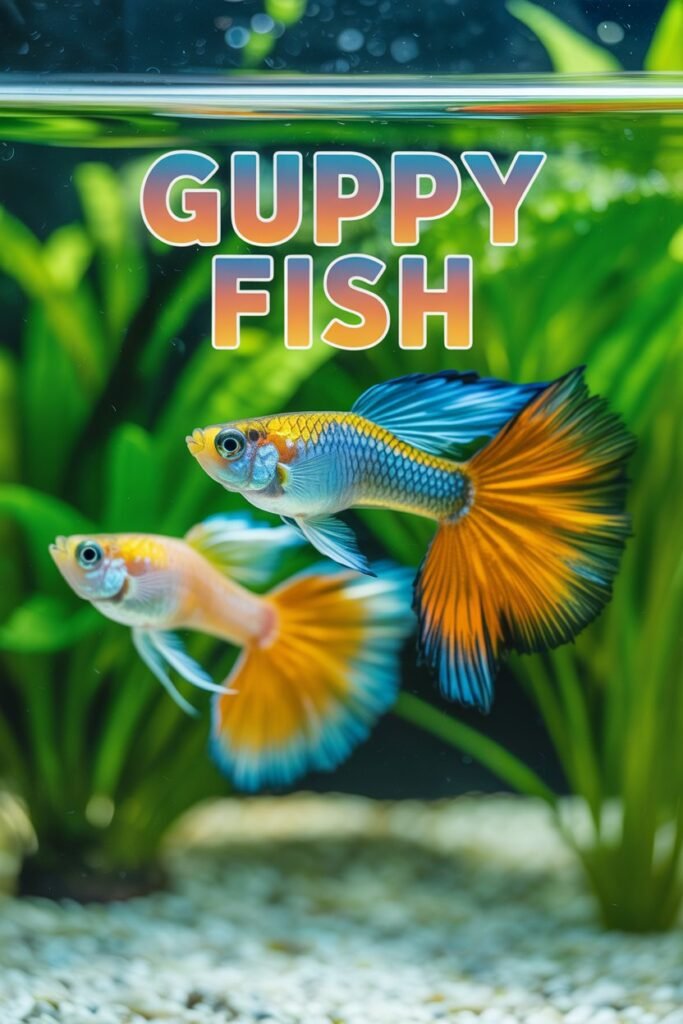
Color-based guppies are bred for solid, vibrant coloration across the body and fins.
Full Red Guppy
Full red guppies have deep red coloration covering the body and tail. They are popular for breeding and display tanks.
Blue Guppy
Blue guppies range from light sky blue to deep navy shades. Moscow blue guppies are especially well-known.
Yellow Guppy
Yellow guppies display bright golden tones and often have clear or lightly colored fins.
Green Guppy
Green guppies show metallic green hues, often with dragon or snakeskin patterns.
Black Guppy
Black guppies have dark bodies and tails, creating a bold and dramatic look.
Platinum White Guppy
Platinum guppies feature silver or white bodies with a metallic shine.
Guppy Types by Pattern
Patterned guppies display detailed markings on the body or tail.
Mosaic Guppy
Mosaic guppies have intricate, lace-like patterns on their tails, often combined with bright colors.
Cobra Guppy
Cobra guppies show vertical stripe patterns along the body resembling snake markings.
Tuxedo Guppy
Tuxedo guppies have a dark rear half of the body with a lighter front, resembling a formal suit.
Snakeskin Guppy
Snakeskin guppies have chain-like patterns covering the body and tail.
Lace Guppy
Lace guppies have fine net-like patterns, giving them a delicate appearance.
Special and Rare Guppy Types
Some guppy varieties are bred for unique traits or rarity.
Albino Guppy
Albino guppies lack dark pigmentation and have red or pink eyes with light body colors.
Dragon Guppy
Dragon guppies have thick metallic scales and strong body coloration.
Dumbo Ear Guppy
Dumbo ear guppies have large pectoral fins that resemble elephant ears.
Endler Guppy
Endler guppies are smaller and more energetic, often displaying bright neon colors.
Guppy Types Comparison Table
| Guppy Type | Main Feature | Popularity | Care Level |
|---|---|---|---|
| Delta Tail | Large fan-shaped tail | Very High | Easy |
| Mosaic | Patterned tail | High | Easy |
| Cobra | Striped body | High | Easy |
| Dumbo Ear | Large side fins | Medium | Moderate |
| Dragon | Metallic scales | Medium | Moderate |
| Endler | Small, colorful | High | Easy |
Choosing the Right Guppy Type
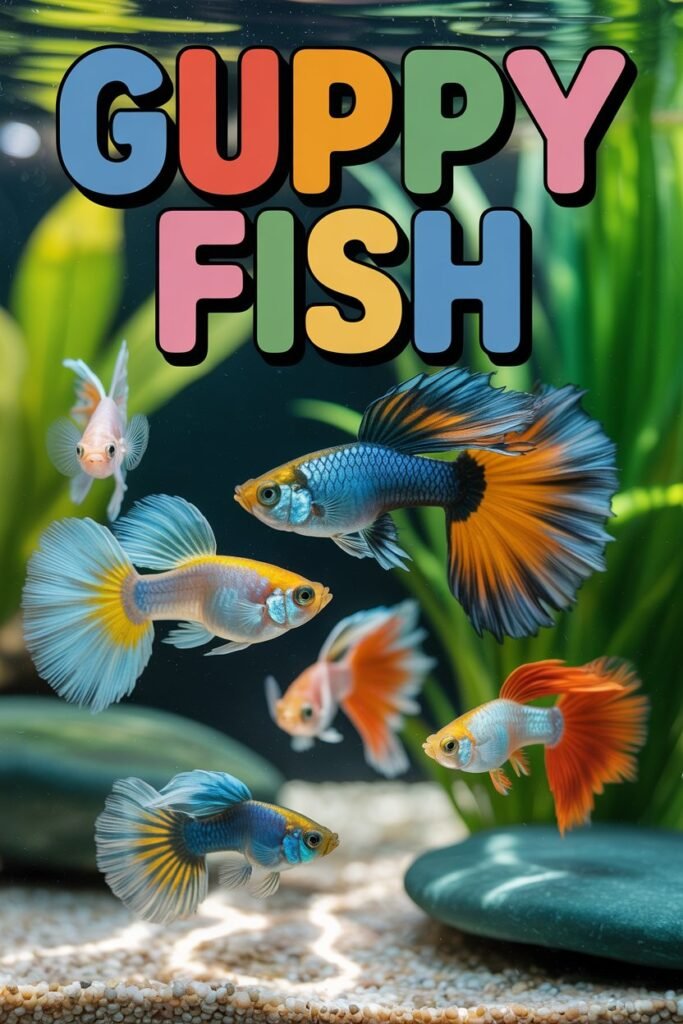
For beginners, hardy types like delta tail, mosaic, and tuxedo guppies are ideal. Advanced hobbyists may enjoy breeding dragon, albino, or dumbo ear guppies due to their selective traits.
Mixing multiple guppy types in one tank creates a vibrant and dynamic display, but controlling breeding is important to maintain pure strains.
Guppy Tank Requirements
Guppies do not need large tanks, but proper space is still important for their health. A small group of guppies can live comfortably in a 10-gallon tank.
They prefer planted tanks with gentle water flow. Plants provide hiding spaces for females and fry and help reduce stress.
Ideal Tank Setup Overview
| Requirement | Ideal Condition |
|---|---|
| Tank Size | 10–20 gallons |
| Water Type | Freshwater |
| Temperature | 22–28°C |
| pH Range | 6.8–7.8 |
| Filtration | Gentle filtration |
| Tank Mates | Peaceful community fish |
Water Conditions and Maintenance
Stable water parameters are essential for guppy health. Sudden changes in temperature or water chemistry can cause stress and illness.
Weekly partial water changes help maintain water quality and reduce waste buildup. Clean, well-oxygenated water keeps guppies active and colorful.
Guppy Diet and Feeding
Guppies are omnivores and have a simple diet. They eat flakes, pellets, frozen food, live food, and vegetable matter.
A balanced diet should include high-quality flakes or pellets as a staple, supplemented with brine shrimp, daphnia, or bloodworms. Feeding small amounts once or twice a day is ideal.
Overfeeding should be avoided, as it can lead to poor water quality and health problems.
Guppy Breeding and Fry Care
Guppies are extremely easy to breed. A single male can fertilize multiple females, and females can store sperm for future births.
Female guppies give birth every 4 to 6 weeks, producing anywhere from 10 to over 50 fry. Fry should be provided with hiding places or separated to prevent adults from eating them.
Fry grow quickly when fed fine powdered food or crushed flakes.
Common Guppy Diseases
While guppies are hardy, they can still suffer from diseases if water quality declines. Common issues include ich, fin rot, fungal infections, and swim bladder problems.
Signs of illness include clamped fins, white spots, loss of appetite, and lethargy. Early treatment and good water maintenance are key to recovery.
Guppy Tank Mates
Guppies are peaceful and can live with other calm fish. Suitable tank mates include mollies, platies, swordtails, tetras, corydoras, and small shrimp.
Aggressive or fin-nipping fish should be avoided, as guppies have long flowing fins that attract attention.
Guppy Lifespan
The average lifespan of a guppy is 2 to 3 years. Proper care, clean water, and a balanced diet can help them live longer and stay healthier.
Poor conditions, overcrowding, and stress significantly reduce lifespan.
Common Mistakes in Guppy Care
Overcrowding the tank is a frequent mistake due to their small size and fast breeding. Not controlling breeding can quickly overwhelm a tank.
Other mistakes include skipping water changes, feeding too much, and mixing guppies with aggressive fish.
Interesting Facts About Guppies
Guppies were introduced worldwide to control mosquito populations.
Male guppies can display different colors depending on mood and lighting.
Females can give birth without mating again for several months.
Guppies are one of the most researched fish species in science.
FAQs About Guppy Fish
Are guppies good for beginners
Yes, guppies are hardy, easy to care for, and ideal for beginners.
How many guppies should be kept together
Guppies should be kept in groups of at least three, with more females than males.
Can guppies live without a heater
In warm climates they can, but a heater is recommended for stable temperature.
Do guppies need plants
Plants are not required but highly beneficial for comfort and fry survival.
How fast do guppies reproduce
Guppies can reproduce every month under good conditions.
Final Thoughts
Guppies are colorful, lively, and rewarding fish that bring energy and beauty to any aquarium. Their easy care requirements, peaceful nature, and fascinating breeding behavior make them suitable for both beginners and experienced aquarists. With proper setup and attention, guppies can thrive and become the highlight of a freshwater tank.