
 By admin
Clownfish are among the most recognizable and admired marine fish in the world. Their bright colors, playful swimming style, and unique relationship with sea anemones make them a favorite for both marine biologists and aquarium hobbyists. Found primarily in warm tropical oceans, clownfish are not only visually appealing but also fascinating in terms of behavior, social structure, and adaptability to captive environments. This detailed guide explores everything you need to know about clownfish, from their natural habitat and types to care requirements, breeding behavior, and suitability for home aquariums.
What Is a Clownfish
Clownfish, also known as anemonefish, belong to the subfamily Amphiprioninae within the family Pomacentridae. They are small saltwater fish that live in shallow coral reefs of the Indian and Pacific Oceans. Clownfish are best known for their symbiotic relationship with sea anemones, where both organisms benefit from living together. The clownfish gains protection from predators, while the anemone receives food scraps and improved water circulation.
Natural Habitat and Distribution
Clownfish are native to tropical and subtropical waters, particularly around coral reefs and lagoons. They are commonly found near Australia, Indonesia, the Philippines, Japan, the Red Sea, and parts of the Indian Ocean. These fish prefer calm, warm waters with abundant coral growth and access to host anemones. In the wild, clownfish rarely stray far from their anemone, as it provides shelter and safety.
Physical Characteristics of Clownfish
Clownfish are small, compact fish with rounded fins and laterally compressed bodies. Most species display bright orange, red, yellow, or brown coloration with white vertical bands edged in black. Their vivid colors serve as a warning to predators, signaling their association with stinging anemones. Adult clownfish usually grow between 2 and 5 inches in length, with females being noticeably larger than males.
Types of Clownfish
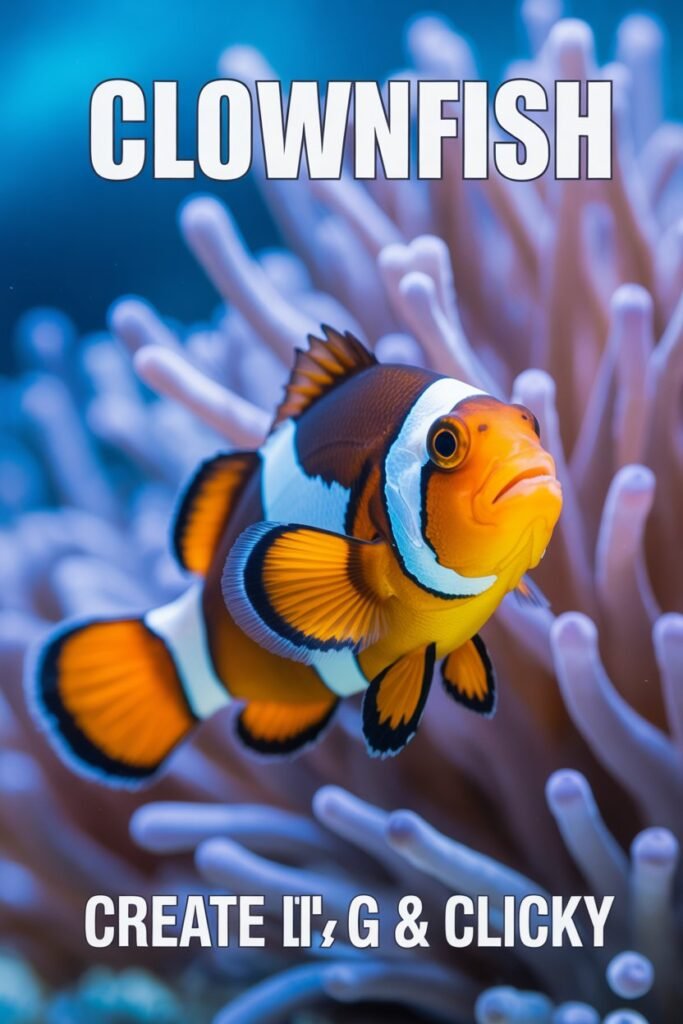
There are more than 30 recognized species of clownfish, each with unique color patterns, temperaments, and habitat preferences. Below are the most commonly known and aquarium-kept types.
Ocellaris Clownfish
Ocellaris clownfish are the most popular species in home aquariums. They have bright orange bodies with three white bands outlined in black. This species is peaceful, hardy, and ideal for beginners. They adapt well to captive conditions and are widely bred in aquariums.
Percula Clownfish
Percula clownfish closely resemble ocellaris clownfish but have thicker black outlines around their white bands. They are slightly more vibrant in color and often more expensive. Percula clownfish are calm, reef-safe, and excellent for community marine tanks.
Maroon Clownfish
Maroon clownfish are the largest and most aggressive species. They have deep red or maroon coloration with white or gold stripes. While stunning in appearance, they are territorial and best kept by experienced aquarists or in species-only tanks.
Tomato Clownfish
Tomato clownfish have a rich red-orange body with a single white stripe behind the head. They are hardy and adaptable but can become aggressive as they mature. This species is suitable for medium to large tanks.
Clarkii Clownfish
Clarkii clownfish are one of the most adaptable species, displaying yellow, black, and white coloration. They can host with many types of anemones and are very hardy, making them a good choice for both beginners and advanced keepers.
Skunk Clownfish
Skunk clownfish are slimmer in shape with a distinctive white stripe running from head to tail. They are peaceful, smaller in size, and prefer calm tank environments. Their gentle nature makes them suitable for reef tanks with other peaceful fish.
Cinnamon Clownfish
Cinnamon clownfish have dark reddish-brown bodies with a single white stripe. They are hardy but can be aggressive, especially during breeding. This species requires ample space and careful tank mate selection.
Clownfish Types Comparison Table
| Clownfish Type | Average Size | Temperament | Beginner Friendly | Color Pattern |
|---|---|---|---|---|
| Ocellaris | 3–4 inches | Peaceful | Yes | Orange with white bands |
| Percula | 3 inches | Peaceful | Yes | Bright orange, thick black lines |
| Maroon | 5–6 inches | Aggressive | No | Deep red or maroon |
| Tomato | 4–5 inches | Semi-aggressive | Moderate | Red-orange with one stripe |
| Clarkii | 4–5 inches | Semi-aggressive | Yes | Yellow, black, white |
| Skunk | 3–4 inches | Peaceful | Yes | Pale body with white stripe |
Unique Behavior and Social Structure
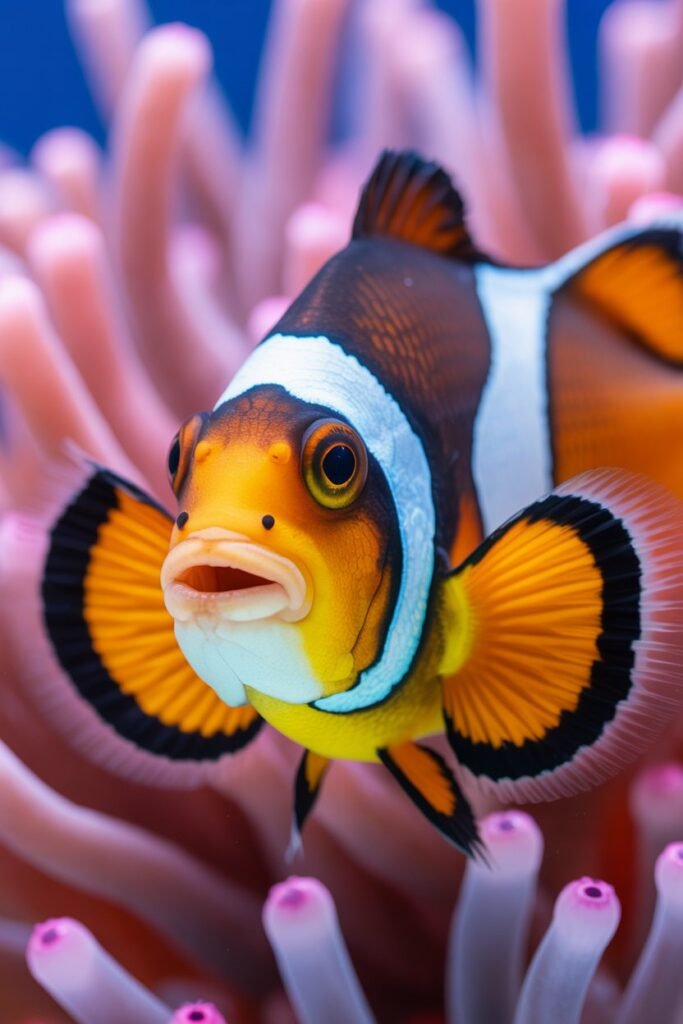
Clownfish have one of the most interesting social systems in the marine world. They live in small groups dominated by a single breeding female. All clownfish are born male, and if the dominant female dies, the largest male changes sex to become female. This ability, known as sequential hermaphroditism, ensures the survival of the group.
Clownfish are also territorial, especially around their host anemone. While many species are peaceful, aggression can increase during breeding or if tank space is limited.
Relationship With Sea Anemones
The symbiotic relationship between clownfish and sea anemones is one of the most iconic partnerships in nature. Clownfish are immune to the stinging tentacles of anemones due to a special mucus coating on their skin. This allows them to live safely among the tentacles, where predators cannot reach them.
In return, clownfish help the anemone by cleaning debris, providing food scraps, and chasing away anemone-eating fish. While anemones are not required in home aquariums, their presence enhances natural behavior.
Clownfish Aquarium Requirements
Clownfish are relatively easy to care for when their basic needs are met. A stable saltwater environment is essential for long-term health.
Tank size should be at least 20 gallons for a pair, with larger tanks recommended for aggressive species. Water temperature should remain between 24 and 27 degrees Celsius. Salinity, pH, and filtration must be carefully maintained, as clownfish are sensitive to sudden water changes.
Live rock, gentle water flow, and hiding spaces help reduce stress and encourage natural behavior.
Diet and Feeding Habits
Clownfish are omnivores and accept a wide variety of foods. In the wild, they eat algae, plankton, small crustaceans, and leftover anemone food. In aquariums, they thrive on high-quality pellets, flakes, frozen brine shrimp, mysis shrimp, and occasional vegetable-based foods.
Feeding small portions once or twice daily helps maintain health without polluting the water.
Breeding Clownfish in Captivity
Clownfish are one of the few marine fish that can be successfully bred in home aquariums. A bonded pair will choose a flat surface near their anemone or shelter to lay eggs. The male guards and aerates the eggs until they hatch, usually within a week.
Raising clownfish fry requires specialized care, including live food and separate rearing tanks, but it is achievable with proper preparation.
Common Health Issues
Clownfish are hardy but can still suffer from common marine diseases such as marine ich, fin rot, and bacterial infections. Stress, poor water quality, and sudden changes are the main causes of illness. Maintaining stable water parameters and quarantining new fish greatly reduces health risks.
Are Clownfish Good for Beginners
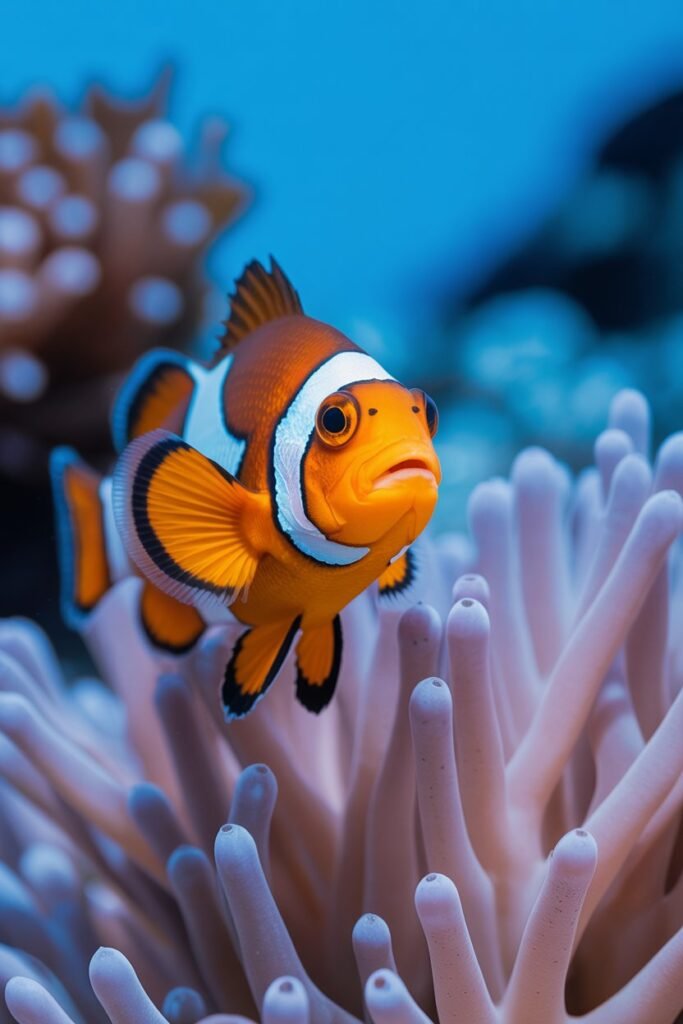
Yes, clownfish are considered one of the best saltwater fish for beginners. They are adaptable, long-lived, visually appealing, and widely available as captive-bred specimens. Starting with peaceful species like ocellaris or percula clownfish increases success for new marine aquarists.
Lifespan of Clownfish
In the wild, clownfish typically live 6 to 10 years. In well-maintained aquariums, they can live even longer, with some individuals reaching over 15 years. Proper care, nutrition, and a stress-free environment are key factors in longevity.
Importance of Captive-Bred Clownfish
Captive-bred clownfish reduce pressure on wild populations and adapt better to aquarium life. They are more disease-resistant, less aggressive, and easier to feed compared to wild-caught specimens. Choosing captive-bred clownfish supports sustainable aquarium practices.
Conclusion
Clownfish are remarkable marine fish that combine beauty, intelligence, and fascinating behavior. Their wide variety of types allows aquarists to choose species that match their experience level and tank setup. Whether admired in the wild or kept in a home aquarium, clownfish continue to capture attention with their vibrant colors and unique lifestyles. With proper care and understanding, clownfish can thrive and become a long-term centerpiece of any saltwater aquarium.
Frequently Asked Questions About Clownfish
What do clownfish eat
Clownfish eat a mix of pellets, flakes, frozen foods, and algae-based meals. They are omnivores and easy to feed in captivity.
Can clownfish live without an anemone
Yes, clownfish can live healthy lives without an anemone in aquariums, although anemones encourage natural behavior.
How many clownfish can be kept together
A single pair is ideal for most tanks. Keeping more than two can cause aggression unless the tank is very large.
Are clownfish aggressive
Some species are peaceful, while others become aggressive as they mature. Temperament varies by type.
How long do clownfish live
Clownfish typically live 6 to 10 years, and sometimes longer in well-maintained aquariums.
Can clownfish change gender
Yes, clownfish can change gender. The dominant male becomes female if the breeding female dies.
Are clownfish reef-safe
Yes, clownfish are reef-safe and compatible with corals and many other marine species.
What is the best clownfish for beginners
Ocellaris and percula clownfish are the best choices for beginners due to their peaceful nature and hardiness.