
 By admin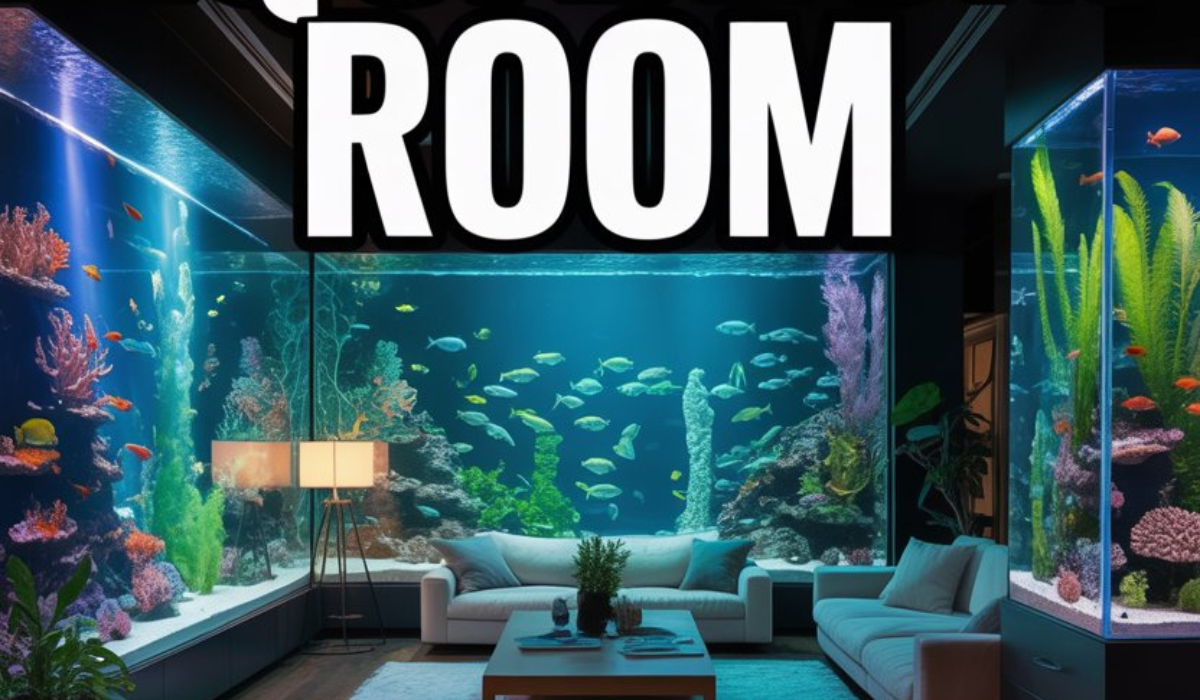
An aquarium room is more than just a place to keep fish tanks. It is a thoughtfully designed space where aquatic life, interior aesthetics, and relaxation come together. Whether it is a dedicated fish room, a living room corner transformed into an aquatic display, or a hobbyist’s maintenance area, an aquarium room can elevate the entire home environment. From calming visuals to practical organization, a well-planned aquarium room enhances both fish health and human enjoyment.
What Is an Aquarium Room
An aquarium room is a designated area in a home or building designed to house one or multiple aquariums. It may serve decorative, hobby, or professional purposes. Some aquarium rooms focus on visual beauty and ambiance, while others prioritize breeding, maintenance, or large-scale setups. The concept can range from a single display tank in a styled room to a full room dedicated entirely to aquariums and equipment.
Why Create an Aquarium Room
An aquarium room offers a controlled environment that benefits both fish and the aquarist. It allows better management of temperature, humidity, lighting, and noise. From a lifestyle perspective, aquarium rooms create a peaceful atmosphere that reduces stress and adds a sense of luxury and nature indoors. For hobbyists, having all tanks and tools in one place improves efficiency and organization.
Types of Aquarium Rooms

Aquarium rooms can be designed in different ways depending on space, budget, and purpose. Understanding the types helps in planning the right layout.
Display Aquarium Room
This type focuses on visual appeal and interior design. Tanks are placed as centerpieces with decorative lighting, furniture, and seating. Display aquarium rooms are commonly integrated into living rooms, lounges, or home offices.
Dedicated Fish Room
A dedicated fish room is designed purely for aquariums and maintenance. It often includes multiple tanks, filtration systems, storage shelves, water change stations, and breeding setups. This type is popular among advanced hobbyists and breeders.
Aquarium Wall or Gallery Room
In this setup, multiple aquariums are installed along one or more walls, creating a gallery-like experience. Each tank may showcase different fish species or aquascapes, making the room visually engaging and educational.
Relaxation or Meditation Aquarium Room
This design combines aquariums with calm lighting, minimal furniture, and sound control. The goal is to create a quiet space for relaxation, meditation, or reading while enjoying aquatic movement.
Planning an Aquarium Room Layout

Proper planning is the foundation of a successful aquarium room. The layout should balance aesthetics, accessibility, and functionality.
Space availability determines tank size and quantity. Larger tanks require strong flooring support and sufficient clearance for maintenance. Walkways should remain open, and tanks should be positioned at comfortable viewing heights. Electrical outlets, drainage access, and ventilation must be considered early in the planning stage.
Choosing the Right Location
The location of an aquarium room affects long-term success. A room away from direct sunlight helps prevent algae growth and temperature fluctuations. Basements, spare rooms, and enclosed balconies are common choices. Noise levels should also be considered, especially if powerful filters or air pumps are used.
Lighting Design for Aquarium Rooms
Lighting plays a major role in both fish health and room ambiance. Aquarium lights should support plant growth and fish coloration, while room lighting should complement the tanks without causing glare.
Soft ambient lighting, LED strips, and spotlights help highlight aquariums while maintaining a calming atmosphere. Adjustable lighting systems allow day and night mood control.
Temperature and Humidity Control
Multiple aquariums can significantly increase room humidity and temperature. Proper ventilation is essential to prevent mold, condensation, and damage to walls or furniture.
Dehumidifiers, exhaust fans, and air circulation systems help maintain a stable environment. Keeping room temperature consistent also reduces heater workload inside the tanks.
Flooring and Wall Materials

Water spills are inevitable in aquarium rooms, so durable materials are important. Tile, vinyl, or waterproof laminate flooring is ideal. Walls can be protected with moisture-resistant paint or panels.
Dark or neutral wall colors enhance aquarium visibility, while light colors make small rooms feel larger. Choosing easy-to-clean surfaces simplifies maintenance.
Furniture and Storage Solutions
Aquarium rooms benefit from practical furniture that supports both function and aesthetics. Cabinets under tanks store equipment discreetly. Shelving units organize food, tools, and water conditioners.
Seating should be simple and water-resistant if the room is designed for relaxation. Avoid clutter to maintain a clean, professional look.
Aquarium Room for Freshwater Tanks
Freshwater aquarium rooms are versatile and suitable for beginners. They can include community tanks, planted aquascapes, shrimp tanks, and species-specific setups.
Freshwater systems generally require less equipment and maintenance, making them easier to manage in multi-tank rooms.
Aquarium Room for Saltwater Tanks
Saltwater aquarium rooms demand more planning due to complex filtration, salt mixing, and water stability needs. These rooms often include sump systems, protein skimmers, and dedicated mixing stations.
Coral reef tanks benefit greatly from controlled lighting and water parameters, making a dedicated aquarium room ideal for marine setups.
Aquarium Room Safety Considerations
Safety is critical when water and electricity coexist. Power outlets should be elevated and protected with drip loops. Surge protectors and circuit breakers reduce electrical risks.
Tank stands must be stable and level to prevent accidents. Heavy tanks should be placed on load-bearing floors.
Benefits of an Organized Aquarium Room

An organized aquarium room saves time, reduces stress, and improves fish health. Easy access to tools encourages regular maintenance. Clean layouts reduce accidental spills and equipment damage.
A well-organized room also enhances the enjoyment of the hobby, turning aquarium care into a relaxing routine rather than a chore.
Aquarium Room Design Ideas
Modern aquarium rooms often use minimalistic designs with clean lines and hidden equipment. Nature-inspired themes use wood, stone, and plants to blend tanks into the environment.
For creative setups, themed rooms such as jungle aquascapes, ocean galleries, or Zen-style spaces can be explored.
Aquarium Room Setup Comparison Table
| Aquarium Room Type | Best For | Space Required | Maintenance Level |
|---|---|---|---|
| Display Aquarium Room | Home décor lovers | Medium | Moderate |
| Dedicated Fish Room | Advanced hobbyists | Large | High |
| Aquarium Wall Room | Visual impact | Medium to large | Moderate |
| Relaxation Aquarium Room | Calm environment | Small to medium | Low to moderate |
Cost Considerations
The cost of an aquarium room depends on tank size, quantity, equipment, and design complexity. Budget planning should include tanks, stands, filtration, lighting, electricity upgrades, and ongoing maintenance costs.
Starting small and expanding gradually helps manage expenses while gaining experience.
Maintaining an Aquarium Room
Regular cleaning, water changes, and equipment checks are essential. Keeping the room tidy prevents salt creep, algae buildup, and equipment wear.
Routine inspection of humidity levels, wiring, and structural supports ensures long-term safety and performance.
Who Should Build an Aquarium Room
Aquarium rooms are suitable for anyone passionate about fishkeeping, from beginners with one or two tanks to professionals managing large systems. The key is aligning the room’s design with experience level, available time, and maintenance capability.
Conclusion
An aquarium room transforms fishkeeping into an immersive and organized experience. Whether designed for beauty, relaxation, or serious aquatics, it offers better control, efficiency, and enjoyment. With thoughtful planning, proper materials, and consistent maintenance, an aquarium room becomes a living space that supports aquatic life while enhancing the home’s atmosphere.
Frequently Asked Questions About Aquarium Rooms
What is the ideal size for an aquarium room
The ideal size depends on the number and size of tanks, but even a small room can work with proper planning.
Can an aquarium room be built in an apartment
Yes, aquarium rooms can be set up in apartments with careful attention to weight limits, humidity control, and noise management.
Do aquarium rooms increase humidity
Yes, multiple tanks increase humidity, so ventilation and dehumidifiers are recommended.
Is a dedicated fish room necessary for beginners
No, beginners can start with a display aquarium room or a single tank before moving to a dedicated room.
What flooring is best for an aquarium room
Water-resistant flooring such as tile or vinyl is best for handling spills and moisture.
Can aquarium rooms be energy efficient
Yes, using LED lighting, efficient pumps, and proper insulation helps reduce energy consumption.
How many aquariums can one room hold
This depends on room size, floor strength, and maintenance capacity. Proper spacing is essential.
Does an aquarium room add value to a home
A well-designed aquarium room can enhance aesthetic appeal and uniqueness, especially for aquarium enthusiasts.