
 By admin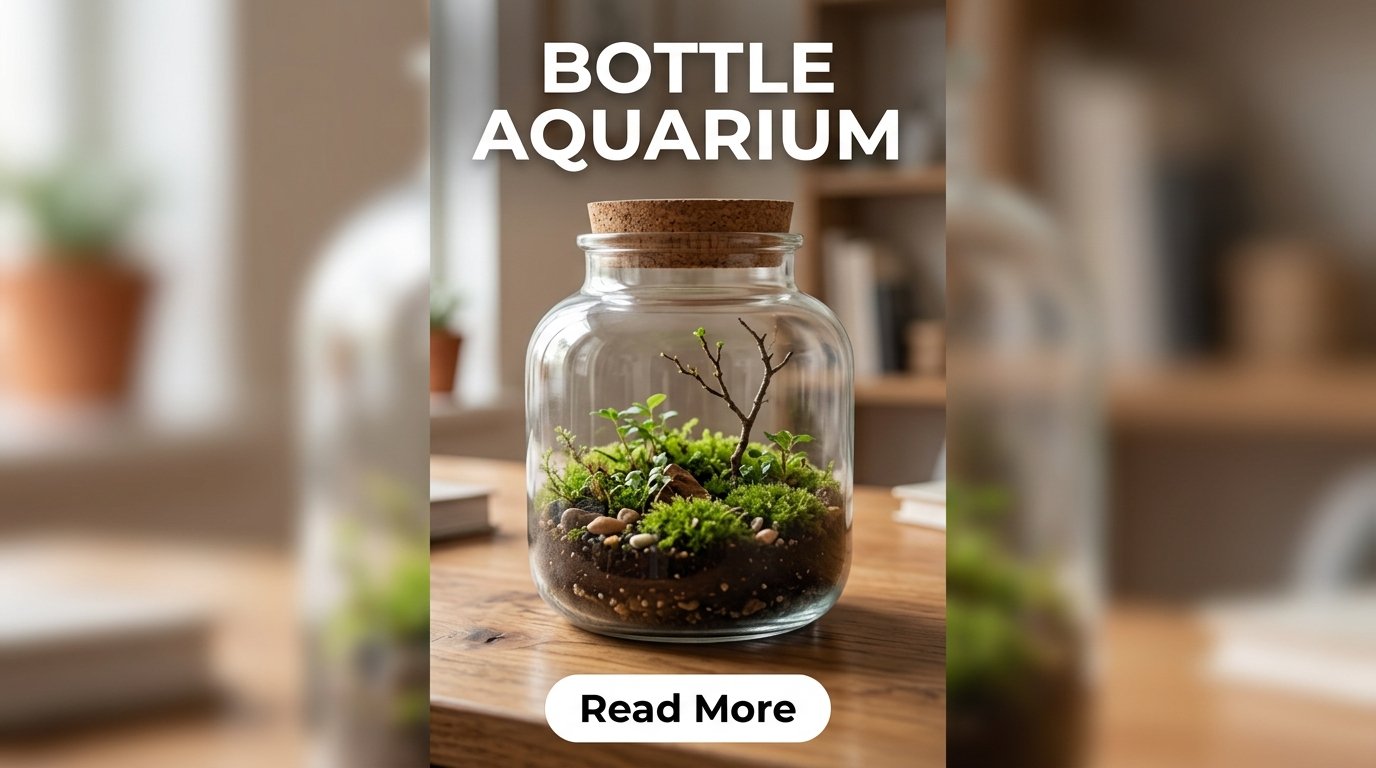
A bottle aquarium is a creative and space-saving way to enjoy the beauty of aquatic life in a compact container. Made from glass bottles, large jars, or decorative containers, bottle aquariums have become popular among aquarium hobbyists, DIY enthusiasts, and home decorators. These miniature aquatic displays can feature aquatic plants, moss, shrimp, snails, and carefully designed aquascapes that bring a touch of nature into any room.
Whether you’re looking for a unique decoration, a fun DIY project, or a low-maintenance aquatic display, a bottle aquarium can be an excellent choice.
What Is a Bottle Aquarium?
A bottle aquarium is a miniature aquarium created inside a clear bottle or glass container. Unlike traditional fish tanks, bottle aquariums are usually designed for aquatic plants, shrimp, snails, or self-contained ecosystems rather than large fish.
Common containers used for bottle aquariums include:
- Glass bottles
- Mason jars
- Decorative vases
- Large glass containers
- Recycled beverage bottles
- Cylindrical glass vessels
These compact aquariums can fit on desks, shelves, countertops, and office tables.
Why Choose a Bottle Aquarium?
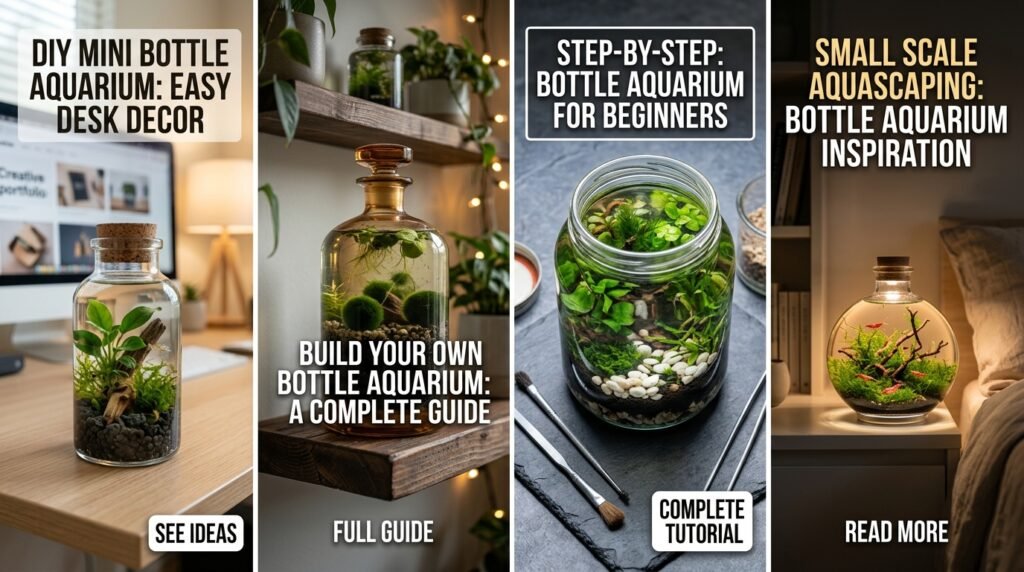
Bottle aquariums offer many advantages.
Space-Saving
A bottle aquarium requires very little space and can fit almost anywhere.
Affordable
Most bottle aquariums use inexpensive materials and require minimal equipment.
Unique Decoration
Their unusual appearance makes them attractive conversation pieces.
Creative DIY Project
Bottle aquariums allow hobbyists to experiment with aquascaping on a miniature scale.
Low Maintenance
Plant-focused bottle aquariums often require less maintenance than traditional fish tanks.
Benefits of a Bottle Aquarium
Natural Beauty
A bottle aquarium brings greenery and aquatic life into indoor spaces.
Relaxing Display
Watching plants and small aquatic creatures can create a calming atmosphere.
Eco-Friendly
Many bottle aquariums use recycled glass containers, reducing waste.
Educational Value
They help children and adults learn about aquatic ecosystems and plant growth.
Choosing the Right Bottle for an Aquarium
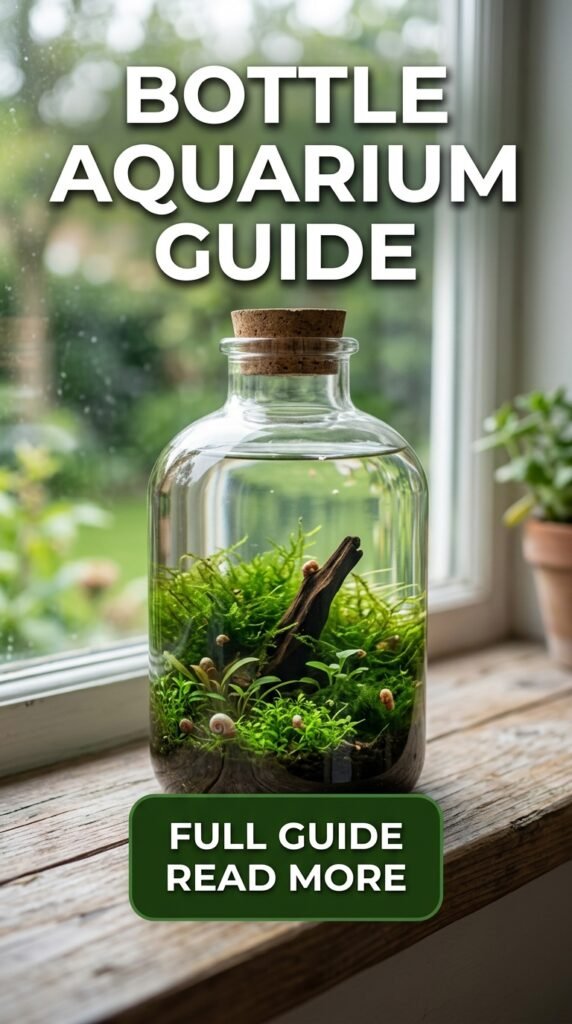
The container is the foundation of your project.
Glass Bottles
Glass provides excellent clarity and durability.
Wide-Mouth Bottles
Wide openings make planting and maintenance easier.
Decorative Glass Containers
Designer bottles add elegance to the finished display.
Large Bottles
Larger bottles provide more room for plants and better water stability.
Best Size for a Bottle Aquarium
Larger containers are generally easier to maintain.
Popular options include:
- 1-gallon bottles
- 2-gallon bottles
- 3-gallon bottles
- Large decorative glass jars
Very small containers can experience rapid changes in water quality.
Types of Bottle Aquariums
Planted Bottle Aquarium
The most common style focuses on aquatic plants and natural aquascaping.
Shrimp Bottle Aquarium
Some larger bottle aquariums can house small freshwater shrimp.
Snail Bottle Aquarium
Snails are excellent inhabitants for bottle ecosystems.
Closed Ecosystem Bottle Aquarium
These systems are designed to become largely self-sustaining over time.
Decorative Aquascape Bottle Aquarium
These setups emphasize artistic design rather than animal inhabitants.
Best Plants for a Bottle Aquarium
Choosing suitable plants is essential.
Java Moss
Java moss is one of the easiest plants to grow in bottle aquariums.
Benefits include:
- Low maintenance
- Adaptable growth
- Attractive appearance
Anubias Nana
A slow-growing plant perfect for miniature aquascapes.
Java Fern
Java fern thrives in various water conditions.
Bucephalandra
Known for unique leaf shapes and colors.
Marimo Moss Balls
Popular for their distinctive round shape and easy care.
Dwarf Hairgrass
Can create a miniature grassy landscape.
Bottle Aquarium Substrate Ideas
The substrate forms the base of the ecosystem.
Aquasoil
Provides nutrients for plant growth.
Fine Gravel
Affordable and easy to maintain.
Sand
Creates a natural appearance.
Layered Substrate
Combining nutrient-rich soil and decorative gravel can improve aesthetics and plant health.
Bottle Aquarium Aquascaping Ideas
Forest Landscape
Use driftwood and moss to create a miniature forest scene.
Mountain Aquascape
Arrange stones to resemble mountain ranges.
Riverbed Design
Combine pebbles and aquatic plants to mimic a natural stream.
Jungle Style
Dense planting creates a lush and vibrant appearance.
Zen Garden Theme
Simple stones and minimal plants create a peaceful display.
Can Fish Live in a Bottle Aquarium?
Most bottle aquariums are not suitable for fish.
Reasons include:
- Limited swimming space
- Poor oxygen exchange
- Water quality instability
- Restricted filtration options
Bottle aquariums are generally better suited for plants, shrimp, and snails.
Shrimp in a Bottle Aquarium
Some larger bottle aquariums can support small shrimp species.
Popular choices include:
- Cherry Shrimp
- Blue Dream Shrimp
- Amano Shrimp
Requirements include:
- Stable water conditions
- Live plants
- Adequate oxygenation
Larger containers are recommended for shrimp.
Snails for Bottle Aquariums
Snails are often ideal inhabitants.
Good options include:
- Nerite Snails
- Ramshorn Snails
- Bladder Snails
They help consume algae and organic debris.
Lighting for a Bottle Aquarium
Proper lighting supports healthy plant growth.
Natural Light
Indirect sunlight can be sufficient for some setups.
Avoid direct sunlight because it may cause overheating and algae growth.
LED Lighting
Small LED lights provide consistent illumination and support aquatic plants.
Bottle Aquarium Maintenance
Even small ecosystems require occasional care.
Water Changes
Perform partial water changes when necessary.
Plant Trimming
Trim overgrown plants to maintain the desired appearance.
Glass Cleaning
Remove algae and water spots regularly.
Monitoring Water Quality
Check for signs of imbalance or declining plant health.
DIY Bottle Aquarium Setup Guide
Step 1: Clean the Bottle
Rinse thoroughly and avoid using soap residue.
Step 2: Add Substrate
Place nutrient-rich substrate or decorative gravel at the bottom.
Step 3: Arrange Hardscape
Add rocks, driftwood, or decorative elements.
Step 4: Plant Aquatic Plants
Carefully position plants using aquascaping tweezers if needed.
Step 5: Add Water
Slowly fill the bottle to avoid disturbing the layout.
Step 6: Install Lighting
Position the bottle where it receives appropriate light.
Step 7: Allow Stabilization
Let the ecosystem settle before adding shrimp or snails.
Decorating a Bottle Aquarium
Enhance visual appeal with:
- Mini driftwood
- Natural stones
- Moss-covered branches
- Decorative pebbles
- Small caves
- Miniature landscapes
Avoid overcrowding the limited space.
Common Bottle Aquarium Mistakes
Overcrowding
Too many plants or decorations reduce circulation and visual balance.
Adding Fish
Most bottle aquariums cannot safely house fish.
Excessive Sunlight
Direct sunlight often causes algae blooms and overheating.
Overfeeding Inhabitants
Excess food quickly pollutes small water volumes.
Ignoring Maintenance
Even small ecosystems require occasional care and observation.
Bottle Aquarium for Home Décor
Bottle aquariums make excellent decorative accents.
Popular placement locations include:
- Office desks
- Coffee tables
- Bookshelves
- Kitchen counters
- Bedroom side tables
- Reception areas
Their compact size allows them to fit almost anywhere.
Bottle Aquarium Gift Ideas
A bottle aquarium makes a thoughtful gift for:
- Nature lovers
- Aquarium enthusiasts
- Students
- Office workers
- DIY hobbyists
Its combination of beauty and creativity appeals to many people.
Advantages of a Bottle Aquarium
- Compact size
- Affordable setup
- Creative design opportunities
- Low maintenance
- Eco-friendly options
- Unique decorative appeal
These benefits contribute to the growing popularity of bottle aquariums.
Conclusion
A bottle aquarium is a charming and innovative way to create a miniature aquatic ecosystem. Whether you design a lush planted landscape, a shrimp habitat, or a decorative aquascape, a bottle aquarium offers endless opportunities for creativity in a small space. With the right plants, substrate, lighting, and maintenance routine, you can enjoy a beautiful aquatic display that brings nature and tranquility into your home or office.
By focusing on healthy plants, proper setup, and thoughtful design, your bottle aquarium can become a captivating centerpiece that showcases the beauty of aquatic life on a miniature scale.
Frequently Asked Questions
What is a bottle aquarium?
A bottle aquarium is a small aquatic display created inside a glass bottle, jar, or decorative container.
Can fish live in a bottle aquarium?
Most bottle aquariums are too small for fish and are better suited for plants, shrimp, or snails.
What plants are best for a bottle aquarium?
Java Moss, Anubias Nana, Java Fern, Bucephalandra, and Marimo Moss Balls are excellent choices.
Do bottle aquariums need a filter?
Many plant-only bottle aquariums do not require filtration, but larger setups with animals may benefit from gentle filtration.
How often should I clean a bottle aquarium?
Maintenance depends on the setup, but regular observation, occasional water changes, and plant trimming are usually sufficient.
Can a bottle aquarium be self-sustaining?
Some carefully balanced bottle ecosystems can become largely self-sustaining, though periodic maintenance is often still necessary.