
 By weeebooo70@gmail.com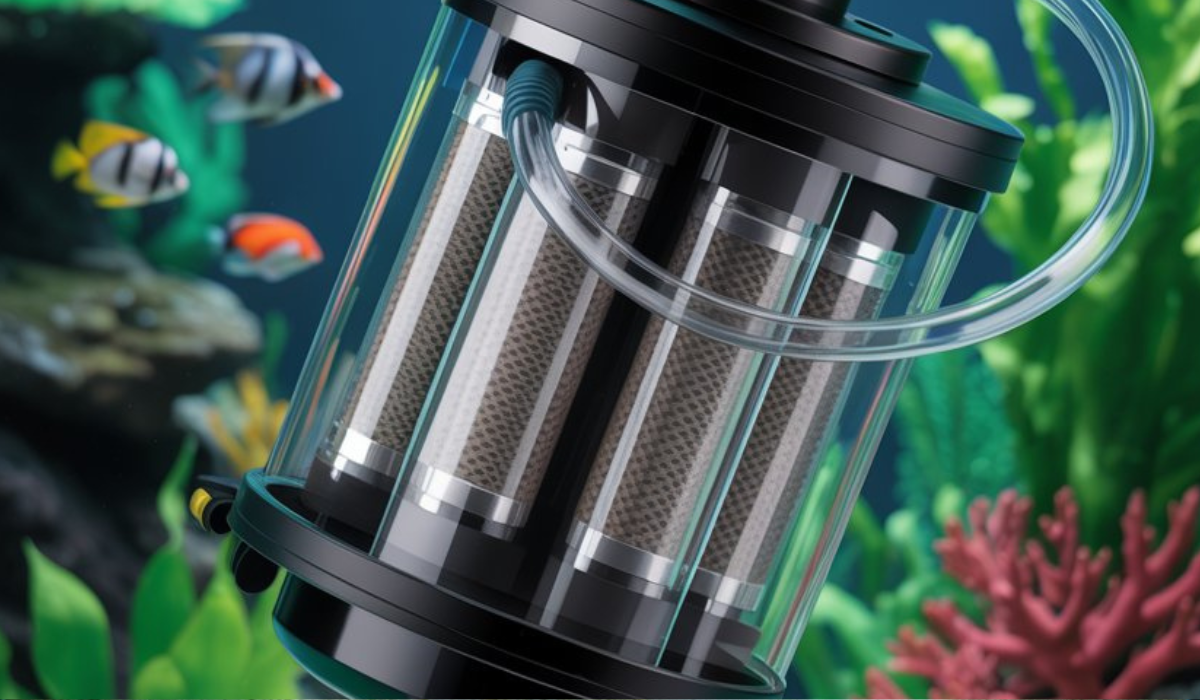
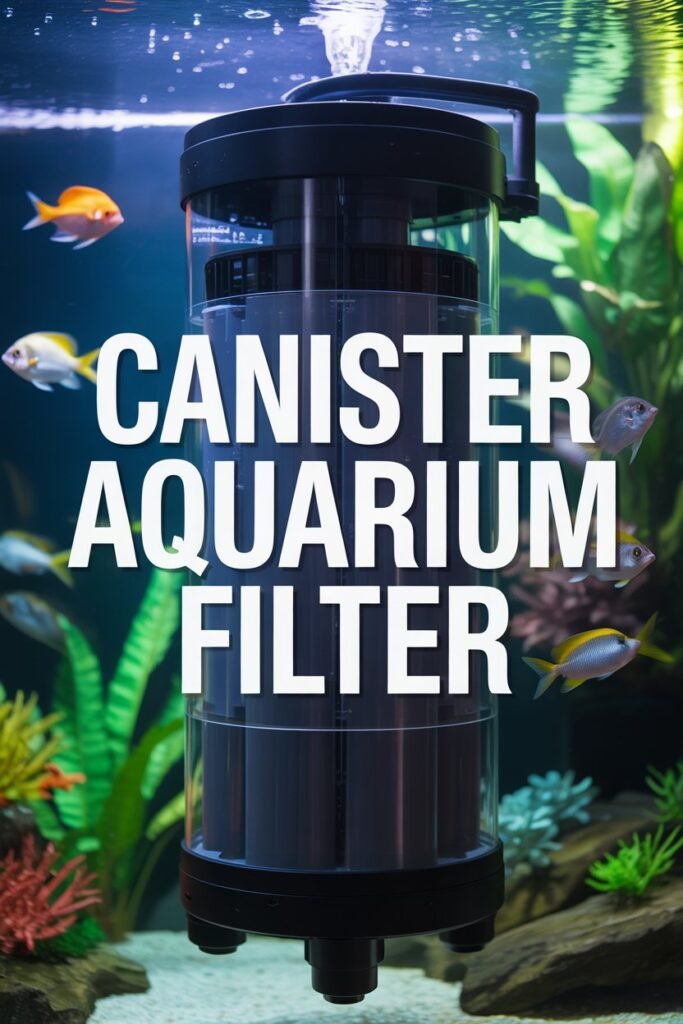
A canister aquarium filter is considered one of the most powerful and efficient filtration systems in the aquarium hobby. Designed to handle large volumes of water and heavy biological loads, a canister aquarium filter is ideal for medium to large aquariums, planted tanks, and even certain saltwater systems.
Unlike internal or hang-on-back filters, a canister aquarium filter operates externally, offering superior filtration capacity, quieter operation, and customizable media options. This makes it a top choice for serious aquarists who want crystal-clear water and stable water parameters.
This comprehensive guide explains what a canister aquarium filter is, how it works, all available types, advantages, disadvantages, setup tips, maintenance practices, and how to choose the right one for your aquarium.
What Is a Canister Aquarium Filter?
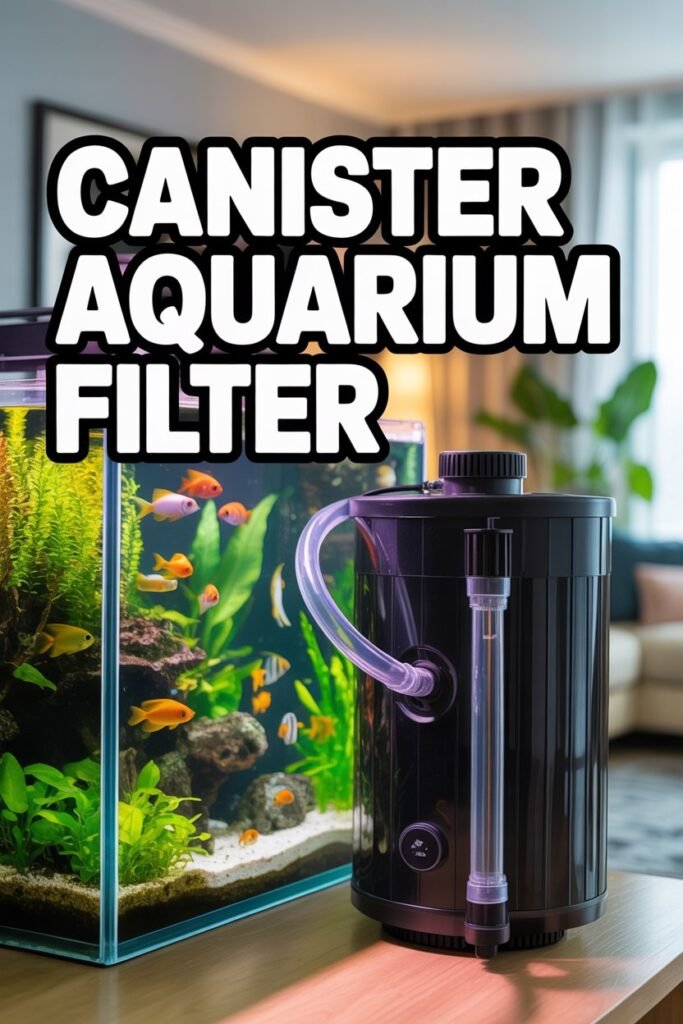
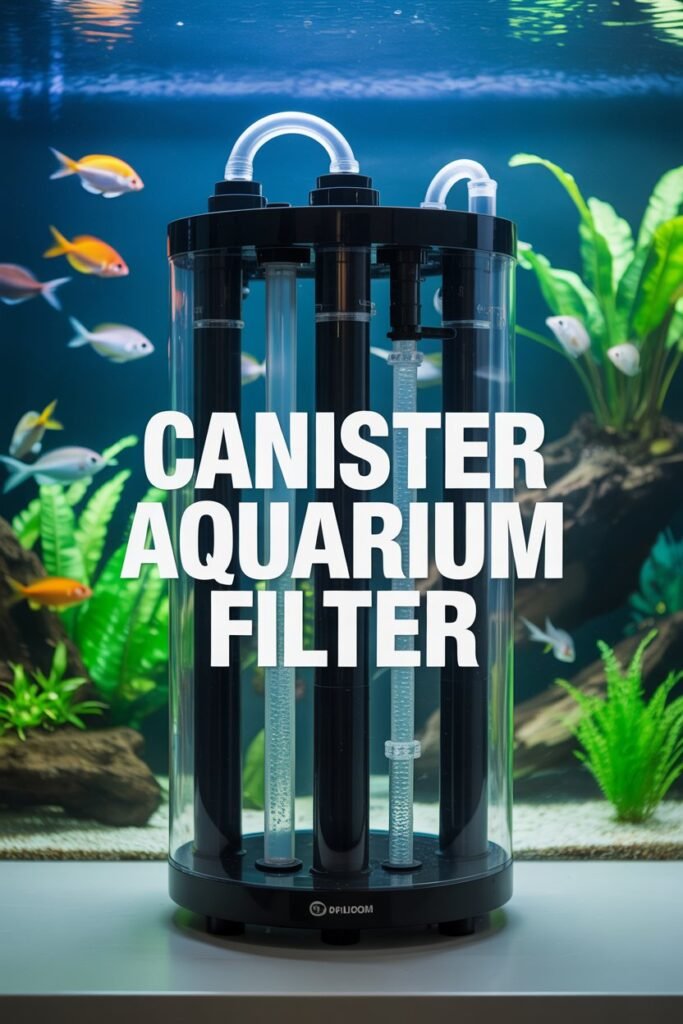
A canister aquarium filter is an external filtration unit placed below the aquarium, usually inside a cabinet or stand. Water is drawn from the tank through intake tubing, processed through multiple layers of filter media inside the canister, and then returned to the aquarium through an output pipe or spray bar.
Because of its sealed design and large internal volume, a canister aquarium filter provides excellent mechanical, biological, and chemical filtration.
How a Canister Aquarium Filter Works
The working process follows these steps:
- Water flows from the aquarium into the intake tube
- Water enters the canister and passes through filter media stages
- Debris is trapped and toxins are processed
- Clean water is pumped back into the aquarium
This continuous circulation keeps the aquarium water clean, oxygenated, and chemically stable.
Why Choose a Canister Aquarium Filter?
1. Superior Filtration Power
Handles heavy waste loads easily.
2. Large Media Capacity
Holds more filter media than other filter types.
3. Quiet Operation
Motor is isolated outside the aquarium.
4. Customizable Filtration
Media can be arranged based on tank needs.
5. Clean Appearance
No bulky equipment inside the aquarium.
Types of Canister Aquarium Filter
There are several types of canister aquarium filters, each designed for specific aquarium setups.
1. Standard Canister Aquarium Filter
The most common and widely used type.
Features:
- Multi-stage filtration baskets
- External motor
- Flexible media arrangement
Best For:
- Freshwater aquariums
- Planted tanks
- Community tanks
2. High-Flow Canister Aquarium Filter
Designed for larger tanks and heavy bioloads.
Features:
- Powerful pump
- Increased water turnover
- Larger canister size
Best For:
- Large fish tanks
- Cichlid tanks
- Predator fish setups
3. Canister Aquarium Filter with Integrated Heater
Combines filtration and heating.
Features:
- Built-in heater
- Reduced equipment clutter
Best For:
- Clean aesthetic setups
- Medium-sized aquariums
4. Canister Aquarium Filter with UV Sterilizer
Includes ultraviolet sterilization.
Features:
- Controls algae blooms
- Reduces harmful microorganisms
Best For:
- Problem tanks
- Heavily stocked aquariums
5. Saltwater-Compatible Canister Aquarium Filter
Designed to handle marine conditions.
Features:
- Corrosion-resistant components
- Strong flow capacity
Best For:
- Fish-only saltwater tanks
- Quarantine systems
Often paired with protein skimmers.
Filtration Stages Inside a Canister Aquarium Filter
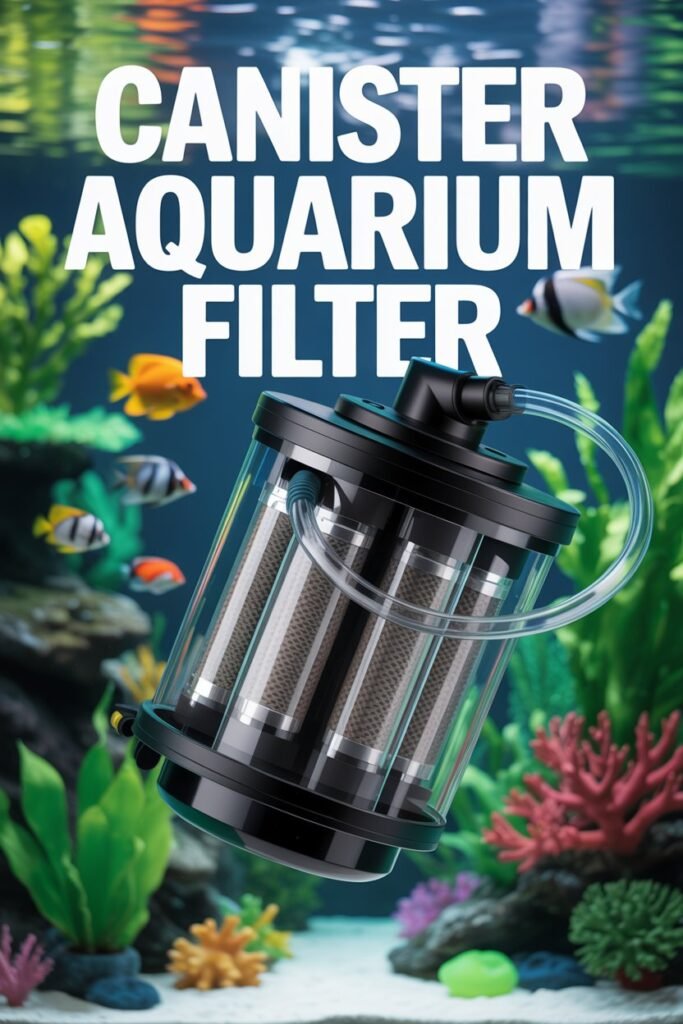
A canister aquarium filter typically uses three filtration stages.
Mechanical Filtration
Removes physical debris.
Media Used:
- Filter pads
- Sponges
- Filter floss
Placed as the first stage to protect other media.
Biological Filtration
The most critical stage.
Media Used:
- Ceramic rings
- Bio media
- Sintered glass
Provides surface area for beneficial bacteria.
Chemical Filtration
Optional but useful.
Media Used:
- Activated carbon
- Phosphate removers
- Specialized resins
Used for specific water quality issues.
Canister Aquarium Filter for Different Tank Types
Freshwater Aquarium
Excellent choice due to:
- Strong filtration
- Stable water parameters
Supports a wide range of fish species.
Planted Aquarium
Ideal because:
- Gentle adjustable flow
- High biological filtration
Helps maintain clear water without disturbing plants.
Cichlid Aquarium
Highly recommended due to:
- Heavy waste handling
- Powerful mechanical filtration
Works well with rocky decor.
Saltwater Aquarium
Suitable for:
- Fish-only systems
- Quarantine tanks
Often combined with other filtration methods.
Large Aquarium Setup
One of the best options for tanks over 55 gallons.
Multiple canister filters can be used for redundancy.
How to Choose the Right Canister Aquarium Filter
Tank Size
Choose a filter rated higher than your aquarium volume.
Fish Load
Heavily stocked tanks need stronger filtration.
Media Capacity
More media equals better biological filtration.
Flow Rate
Adjustable flow is ideal for delicate fish.
Noise Level
Quality canisters operate quietly.
Proper Installation of a Canister Aquarium Filter
Step 1: Position the Canister
Place below the aquarium for proper water flow.
Step 2: Connect Intake and Output Tubes
Ensure tight, leak-free connections.
Step 3: Arrange Filter Media
Order should be:
- Mechanical
- Biological
- Chemical
Step 4: Prime the Filter
Fill the canister with water before starting.
Step 5: Start the Filter
Plug in and monitor water flow.
Maintenance of a Canister Aquarium Filter
Cleaning Schedule
Mechanical Media
- Rinse every 3–4 weeks
Biological Media
- Rinse gently in aquarium water
- Replace only when damaged
Chemical Media
- Replace as needed
Impeller Maintenance
Clean impeller every 2–3 months for optimal performance.
Hose Cleaning
Check hoses periodically for buildup.
Advantages of a Canister Aquarium Filter
- Excellent water clarity
- High biological filtration capacity
- Quiet operation
- Customizable setup
- Long lifespan
Disadvantages of a Canister Aquarium Filter
- Higher upfront cost
- More complex setup
- Requires space under tank
Despite these, performance outweighs drawbacks.
Common Mistakes to Avoid
- Skipping priming process
- Replacing all filter media at once
- Overpacking filter baskets
- Ignoring routine maintenance
Avoiding these mistakes ensures long-term success.
Tips to Maximize Canister Aquarium Filter Performance
- Use reusable filter media
- Clean media in stages
- Oversize filtration when possible
- Maintain steady water flow
Canister Aquarium Filter FAQs
What size canister aquarium filter do I need?
Choose one rated for at least 1.5 to 2 times your tank size.
Are canister aquarium filters good for beginners?
They are better suited for intermediate to advanced hobbyists.
Can a canister aquarium filter be used alone?
Yes, for most freshwater aquariums.
How often should I clean a canister aquarium filter?
Every 4–6 weeks depending on bioload.
Is a canister aquarium filter safe for shrimp?
Yes, with a sponge intake cover.
Can I use a canister aquarium filter for planted tanks?
Yes, it is one of the best options.
Do canister aquarium filters use a lot of electricity?
They are generally energy efficient.
Final Thoughts
A canister aquarium filter is one of the most powerful, reliable, and versatile filtration solutions available for aquariums. Its ability to handle heavy waste loads, support strong biological filtration, and maintain crystal-clear water makes it a favorite among experienced aquarists. Whether you are running a large freshwater community tank, a planted aquascape, or a specialized setup, a canister aquarium filter offers the performance and flexibility needed for long-term aquarium success.