
 By weeebooo70@gmail.com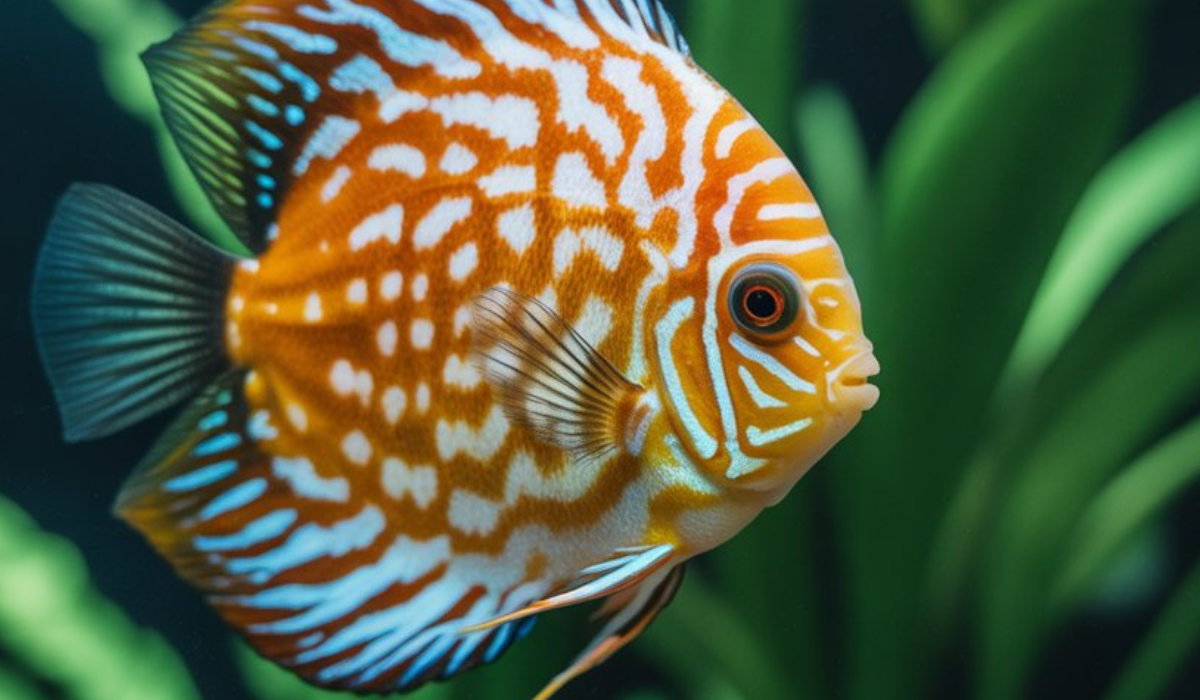
Discus fish are known as the “King of the Aquarium” because of their royal appearance, graceful swimming style, and demanding care requirements. With their round bodies, striking colors, and peaceful personalities, discus have captured the hearts of aquarists worldwide. However, they are also one of the most challenging species to keep, making them a favorite among experienced fish keepers.
This comprehensive guide will help you understand everything about discus fish — from their origin and biology to types, feeding, tank setup, breeding, diseases, and top tips for success.
What Are Discus Fish?
Discus fish belong to the cichlid family and originate from the slow-flowing blackwater rivers of the Amazon basin in South America. They are famous for:
- A circular, disc-shaped body
- Bright, patterned coloration
- Calm, social behavior
- Strong dependency on clean, warm, soft water
Scientific classification:
- Scientific Name: Symphysodon spp.
- Group: Cichlidae
- Size: 5–8 inches typically; some reach 10 inches
- Lifespan: 10–15 years with proper care
Discus fish are schooling fish and should always be kept in a group of 5 or more to feel secure.
History and Evolution of Discus Fish
Discus fish were first discovered in the early 1800s. Originally, only wild-caught brown and green discus existed. Over decades of careful selective breeding, breeders developed:
- New vibrant color morphs
- Unique pattern variations
- Stronger and more adapted strains for aquariums
Today, discus are among the most bred ornamental fish in the world, with dozens of types available.
Characteristics of Discus Fish
Body Anatomy
- Round like a disc — perfectly flat from sides
- Large fins that help slow, gliding movement
- Eyes are normally bright red or orange
Behavior
- Peaceful and social
- Prefer calm environments
- Easily stressed by loud noises or aggressive tank mates
Swimming Style
They move with elegant, flowing motions, often staying mid-level in the aquarium.
Types of Discus Fish
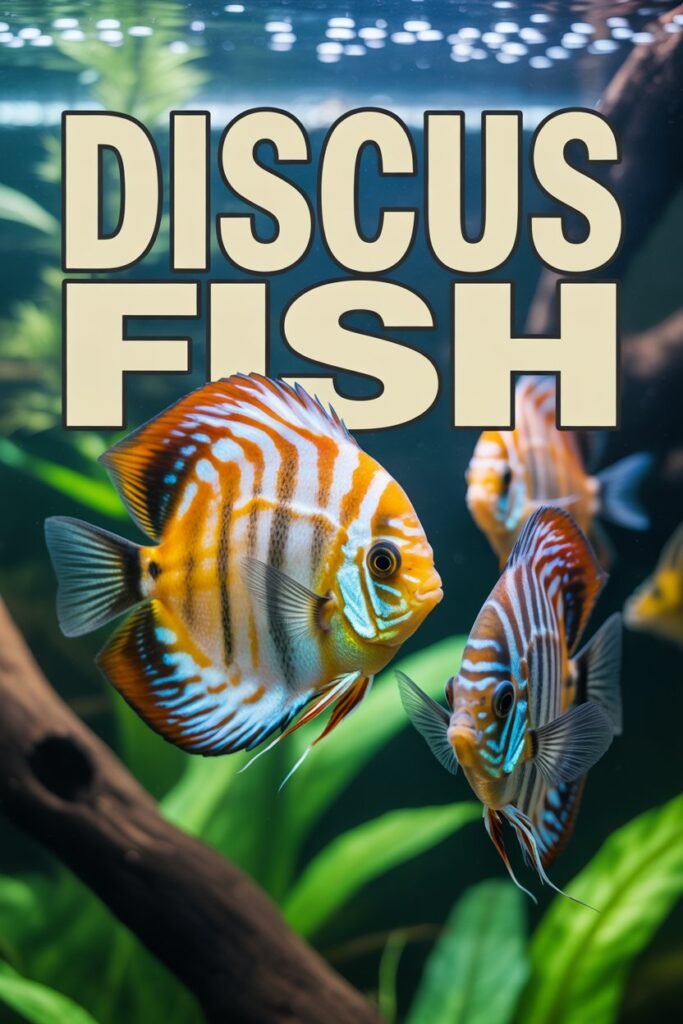
Discus fish are categorized based on:
- Color
- Pattern
- Strain (wild vs. domestic)
Here are the most popular and recognized types of discus fish:
1. Wild Discus Types
These include original species found in nature:
Brown Discus
- Earthy brown shades with subtle stripes
- Natural and hardy
Green Discus
- Greenish hues with marbled patterns
Heckel Discus
- Strong central bold vertical bar
- Found in Rio Negro regions; very prized
Blue Discus
- Soft blue coloration with fine stripes
2. Domestic Color Varieties
Red Discus
- Bright, solid red body
- Includes strains like Red Melon and Red Cover
Pigeon Blood
- Bright colors with speckled patterns
- No dark vertical bars
Turquoise Discus
- Blue-green coloration with wavy lines
- One of the most common beginner strains
Cobalt Blue Discus
- Solid metallic blue body, very vibrant
Albino Discus
- Lacks pigment, with ruby red eyes
- Rare and expensive
White Discus
- Pure white or pearl bodies
- Elegant and unique in aquariums
Leopard Discus
- Small dotted spots like leopard patterns
- One of the most striking styles
Snakeskin Discus
- Fine maze-like web pattern
- 14 vertical bars instead of standard 9
Checkerboard Discus
- Square patches forming a check pattern
- Highly decorative
Golden Discus
- Shiny gold finish
- Symbol of prosperity
Marlboro Red Discus
- Solid red body with white or yellow face
Ghost Discus
- Minimal pattern, light shades
- Selectively bred to reduce stress bars
Blue Diamond Discus
- Deep smooth blue with no stripes
- Very popular worldwide
Fire Ruby Discus
- Intense ruby-red color with metallic flashes
Super Red & Super Blue Strains
- Enhanced coloration through selective breeding
New varieties continue to emerge, as discus breeders innovate patterns each year.
Discus Fish Aquarium Requirements
Discus fish need very specific environmental conditions to thrive. Stressed discus lose color, become shy, and can get sick easily.
Tank Size
| Group Size | Minimum Tank |
|---|---|
| 5–6 Discus | 55–75 gallons |
| 8–10 Discus | 100 gallons+ |
Discus produce heavy bio-load; large tank = stable environment.
Water Parameters
| Condition | Ideal Range |
|---|---|
| Temperature | 28–31°C (82–88°F) |
| pH | 6.0–7.0 (slightly acidic) |
| GH | 1–8 dGH (soft water) |
| Ammonia/Nitrite | 0 ppm |
| Nitrate | < 20 ppm |
Discus cannot tolerate bad water quality — frequent testing is necessary.
Filtration
- High-performance filter with biological media
- Gentle flow (strong currents stress discus)
- Weekly 25–50% water changes
Clean, stable water is the #1 secret to keeping discus healthy.
Aquarium Setup
- Warm heater (thermostatic regulated)
- Smooth substrate such as sand
- Driftwood and live plants like Amazon swords
- Low-stress lighting
Bare-bottom setups are used commonly for breeding and grow-outs.
Tank Mates for Discus
Safe and compatible companions:
✔ Cardinal tetra
✔ Rummy nose tetra
✔ Corydoras catfish
✔ Ram cichlids (German Blue Ram)
✔ Plecos (small species only)
Avoid aggressive fish like cichlids or fast fin-nippers.
Feeding Discus Fish
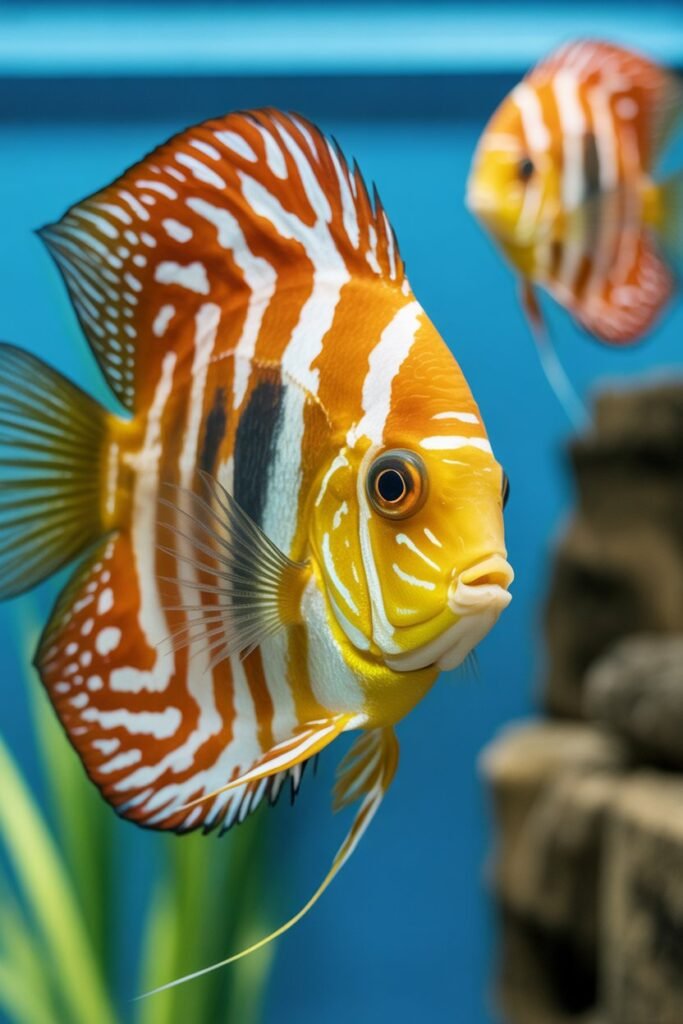
Discus are picky eaters, especially wild-caught varieties. A balanced diet is essential for coloration and growth.
Best Foods
- High-quality discus pellets
- Frozen foods: bloodworms, brine shrimp, mysis
- Freeze-dried blackworms
- Beef heart mix (breeders use often)
- Live foods occasionally
Feeding Frequency
| Age | Frequency |
|---|---|
| Juveniles | 4–6 times per day |
| Adults | 2–3 times per day |
Remove leftover food to keep water clean.
Breeding Discus Fish
Breeding discus is rewarding but challenging. They form monogamous pairs and bond before spawning.
Breeding Steps
- Allow group to mature and naturally pair off
- Transfer the pair to a dedicated breeding tank
- Maintain clean, warm water (30°C)
- Provide spawning surface like a cone or tile
Egg and Fry Care
- Eggs hatch in 2–3 days
- Parents produce mucus on their skin
- Fry feed off parents’ mucus for first weeks
(One of the most unique behaviors in aquarium fish!)
Raising fry requires high water quality and frequent feeding.
Common Diseases in Discus Fish
Discus may develop infections quickly when stressed.
| Disease | Cause | Symptom |
|---|---|---|
| White Spot (Ich) | Parasite | White crystals, rubbing |
| Hole-in-Head | Poor nutrition/water | Head pits |
| Fin Rot | Bacteria | Ragged fins |
| Gill Flukes | Parasites | Fast breathing |
| Internal Worms | Food/water | Weight loss despite eating |
| Hexamita | Protozoan | White feces, hiding |
Prevention
- Quarantine new fish 2–4 weeks
- Maintain clean water
- Avoid temperature drops
- Feed varied diet
- Use dechlorinated water
Early treatment ensures high survival.
Discus Fish Colors & Genetics
Discus colors improve with:
- Good nutrition (spirulina, carotenoids)
- Soft and warm water
- Low stress environment
- Selective breeding lines
Juvenile discus often change patterns and intensify colors as they mature.
Tips for Keeping Discus Stress-Free
- Keep in groups
- Avoid sudden movements and loud noises
- Maintain stable temperature
- Do regular large water changes
- Do not frequently rearrange tank décor
- Quarantine sick or new arrivals
Happy discus = bright colors + active behavior.
Cost and Value of Discus Fish
Discus prices depend on:
- Size
- Pattern quality
- Breed lineage
| Type | Price Range |
|---|---|
| Common strains | Affordable |
| Premium strains | High cost, sometimes hundreds of dollars |
Show-grade discus are used in international competitions, adding to their prestige.
Why Aquarists Love Discus Fish
✔ Stunning colors
✔ Graceful movement
✔ Peaceful nature
✔ Sense of pride in maintaining difficult species
✔ Beautiful centerpiece in planted aquariums
Discus fish turn aquariums into living art.
FAQs About Discus Fish
Q1: Are discus fish beginner-friendly?
Not really. They require strict water conditions and more attention than most fish.
Q2: How many discus should be kept together?
At least 5–6. They are schooling fish and stay confident in groups.
Q3: What temperature is best for discus?
28–31°C (82–88°F) is ideal.
Q4: Do discus fish fight?
Mild territorial behavior is normal, but they are generally peaceful.
Q5: Can discus live with angelfish?
Possible but risky. Angelfish may introduce parasites harmful to discus.
Q6: How long do discus live?
With great care, 10–15 years or more.
Q7: Why do discus fish turn dark or hide in corners?
They are stressed — often due to bad water quality or bullying.
Q8: What should I feed discus fry?
Baby brine shrimp, then gradually frozen and pellet foods.
Q9: How much water change is required?
Typically 25–50% per week. More for growing juveniles.
Q10: Can discus live in tap water?
Yes, if water is dechlorinated and pH is stable — but soft water is better.
Final Thoughts
Discus fish are truly the crown jewels of the freshwater aquarium world. Their vibrant colors, unique body structure, and soothing swimming patterns make them one of the most admired ornamental fish. Although they demand more care and attention, the reward of seeing healthy discus thriving in a tank is unforgettable.
Whether you are planning to keep common strains or rare show-grade beauties, this guide equips you with everything needed for creating a perfect discus environment. With dedication and proper care, your discus will live happily and exhibit their full majestic glory.