
 By admin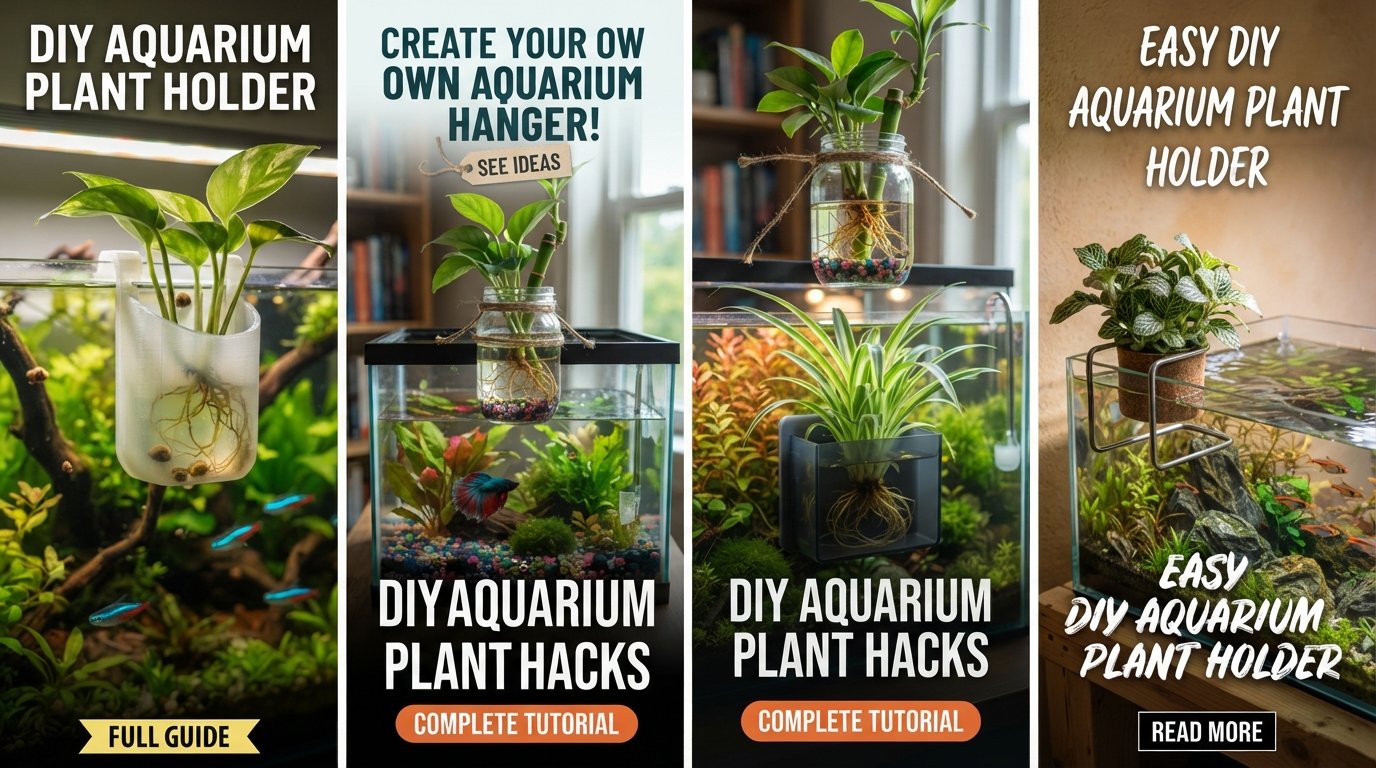
A DIY aquarium plant holder is an excellent way to organize aquatic plants, improve your aquascape, and keep your aquarium looking neat and natural. Whether you’re growing stem plants, floating plants, mosses, or epiphytes like Java Fern and Anubias, homemade plant holders provide an affordable and customizable solution. Best of all, many DIY aquarium plant holders can be made using inexpensive, aquarium-safe materials you may already have at home.
In this guide, you’ll learn how to build different types of DIY aquarium plant holders, the best materials to use, setup ideas, maintenance tips, and common mistakes to avoid.
Why Use a DIY Aquarium Plant Holder?
Aquarium plant holders offer several practical benefits beyond decoration.
Advantages include:
- Keeps plants securely in place
- Prevents floating plants from spreading uncontrollably
- Protects delicate roots
- Makes aquarium maintenance easier
- Improves water circulation
- Creates a cleaner aquascape
- Saves money compared to commercial plant holders
DIY holders can also be customized to fit any aquarium size or design.
Best Materials for DIY Aquarium Plant Holders
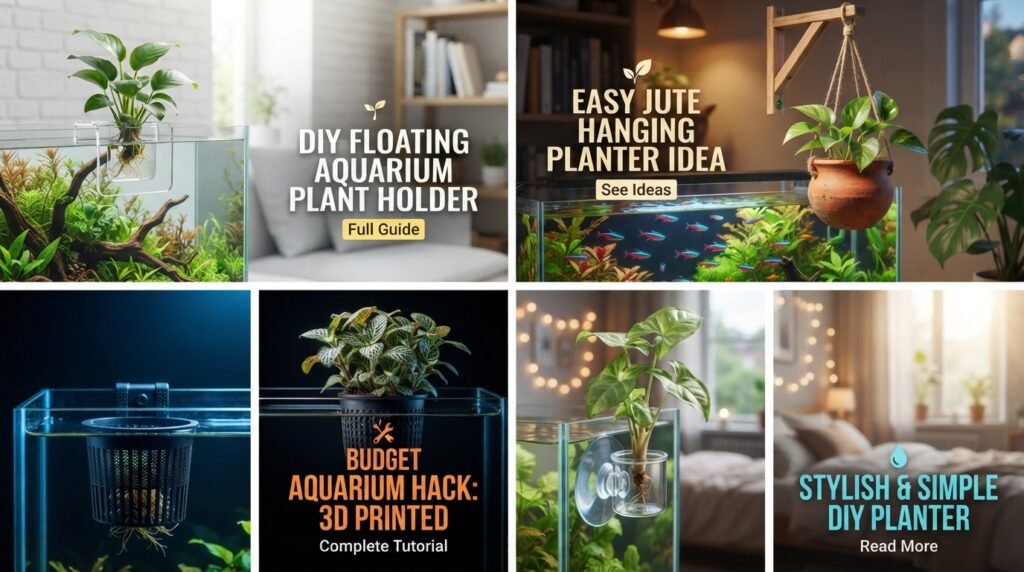
Always use aquarium-safe materials that will not release harmful chemicals into the water.
Popular materials include:
- Aquarium-safe plastic mesh
- PVC pipe
- Acrylic sheets
- Suction cups
- Fishing line
- Cotton thread
- Aquarium-safe silicone
- Stainless steel aquarium mesh
- Ceramic rings
- Small terracotta pots
- Natural driftwood
- Lava rocks
Avoid painted metals, treated wood, or plastics that are not labeled as food-safe or aquarium-safe.
DIY PVC Plant Holder
PVC is inexpensive, durable, and easy to work with.
Materials
- Small PVC pipe
- PVC end cap
- Aquarium-safe suction cup
- Drill
Instructions
- Cut a short section of PVC pipe.
- Drill several holes for water circulation.
- Attach the suction cup to the back.
- Place the holder against the aquarium glass.
- Insert stem plants into the PVC tube.
This design works well for stem plants and cuttings.
Mesh Plant Basket
Plastic mesh baskets are excellent for rooted plants.
Materials
- Aquarium-safe plastic mesh
- Zip ties
- Suction cups
Steps
- Fold the mesh into a small basket.
- Secure the edges with zip ties.
- Attach suction cups.
- Fill with gravel or aquasoil.
- Plant your aquatic plants.
This design provides excellent water flow around the roots.
Driftwood Plant Holder
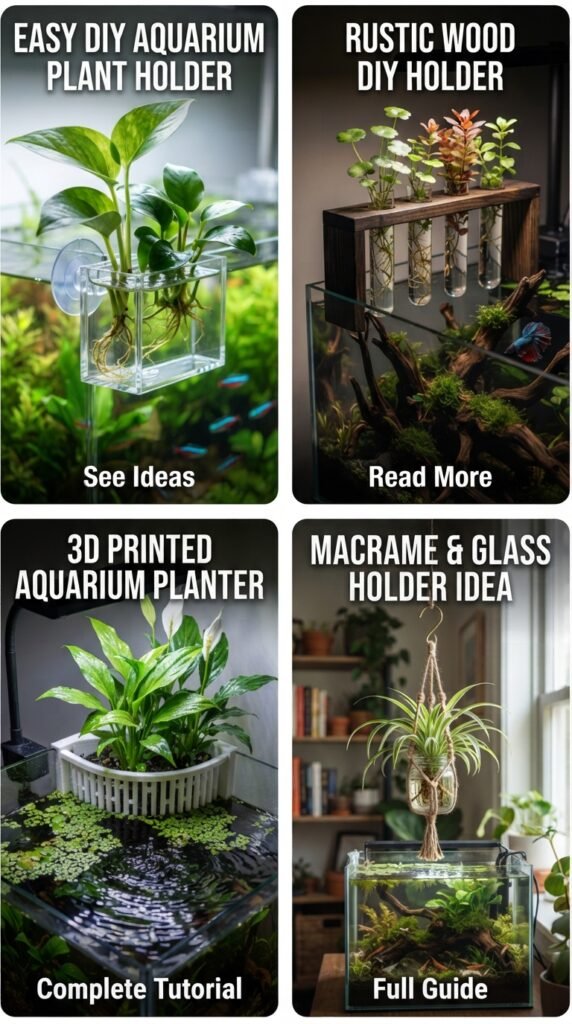
Natural driftwood creates a beautiful display.
Best plants include:
- Java Fern
- Anubias
- Bucephalandra
- Java Moss
- Christmas Moss
Attach plants using cotton thread or aquarium-safe glue until they naturally anchor themselves.
Lava Rock Plant Holder
Lava rock is lightweight and porous.
Simply:
- Place the plant on the rock.
- Secure it with cotton thread.
- Allow the roots to grow naturally into the rock.
This creates a natural-looking aquascape.
Floating Plant Ring
Floating plants can quickly cover the aquarium surface.
A DIY floating ring helps keep them contained.
Materials
- Airline tubing
- Airline connector
Instructions:
- Form the tubing into a circle or square.
- Connect the ends.
- Float the ring on the surface.
- Place floating plants inside.
Ideal plants include:
- Amazon Frogbit
- Red Root Floater
- Salvinia
- Water Lettuce
The ring keeps floating plants away from filters and feeding areas.
Terracotta Pot Plant Holder
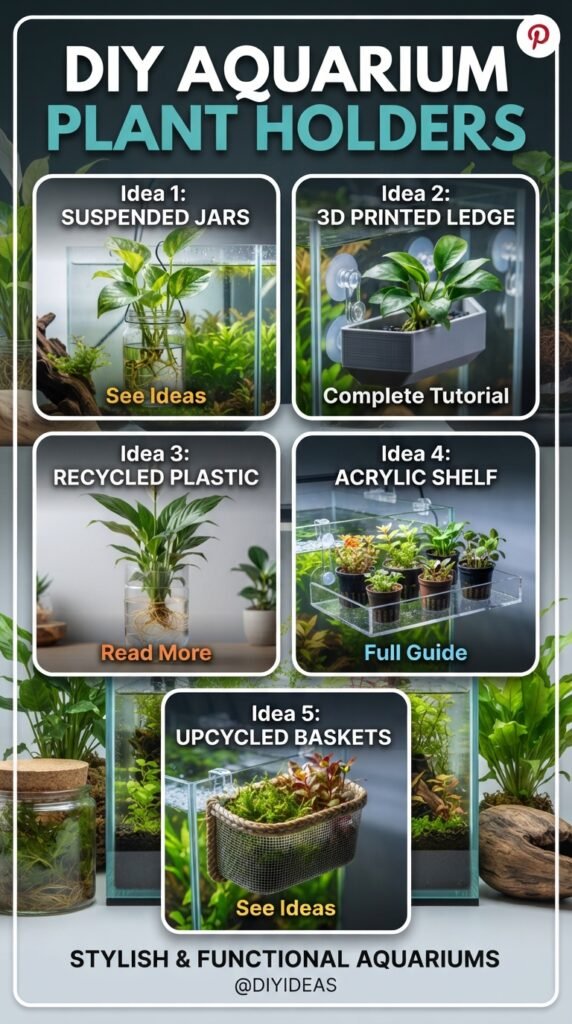
Small terracotta pots create a natural appearance.
Steps:
- Rinse the pot thoroughly.
- Fill it with aquarium soil.
- Plant rooted species.
- Place the pot inside the aquarium.
This method works well for larger plants such as Amazon Swords and Cryptocorynes.
Acrylic Shelf Plant Holder
An acrylic shelf attached with suction cups creates a modern display.
Ideal for:
- Stem plants
- Moss
- Small potted plants
- Propagation projects
Clear acrylic blends well with the aquarium.
Hanging Plant Holder
Some hobbyists grow aquarium-safe houseplants above the water.
Suitable plants include:
- Pothos
- Lucky Bamboo
- Peace Lily (roots only in the water)
Use plastic baskets or mesh holders attached to the tank rim so only the roots remain submerged.
Best Plants for DIY Holders
Many aquarium plants grow well in homemade holders.
Popular choices include:
Java Fern
Requires no substrate and easily attaches to wood or rocks.
Anubias
Thrives when attached to hardscape rather than buried.
Bucephalandra
Slow-growing and ideal for decorative holders.
Java Moss
Perfect for driftwood, mesh, and rocks.
Amazon Sword
Best grown in planted baskets with nutrient-rich substrate.
Cryptocoryne
Suitable for pots and mesh containers.
Water Wisteria
Fast-growing and adaptable.
DIY Aquarium Plant Wall
Create a living green background using plastic mesh.
Steps include:
- Attach moss to aquarium-safe mesh.
- Secure the mesh to the back glass.
- Allow the moss to grow over time.
- Trim regularly.
This creates a lush vertical garden inside the aquarium.
Benefits of Homemade Plant Holders
DIY holders provide many advantages.
- Affordable
- Easy to customize
- Suitable for all aquarium sizes
- Improve aquascaping
- Better plant organization
- Easier maintenance
- Enhanced root protection
Many designs can be completed in under an hour.
Maintenance Tips
Proper care helps your plant holders last for years.
Clean Regularly
Remove algae and debris during water changes.
Check Plant Growth
Trim roots and leaves as necessary.
Replace Cotton Thread
Natural thread eventually breaks down after plants become attached.
Monitor Water Flow
Ensure holders do not block filters or circulation.
Inspect Suction Cups
Replace worn suction cups to prevent holders from falling.
Common Mistakes to Avoid
Using Unsafe Materials
Only use aquarium-safe plastics, silicone, and ceramics.
Overcrowding Plants
Leave enough space for healthy root growth and water circulation.
Blocking Water Flow
Poor circulation can lead to debris buildup and unhealthy plants.
Burying Rhizome Plants
Plants such as Java Fern and Anubias should have their rhizomes above the substrate to prevent rot.
Ignoring Maintenance
Clean holders regularly to keep them looking attractive and functioning properly.
Creative DIY Aquarium Plant Holder Ideas
Consider these unique projects:
- Driftwood bonsai plant holder
- Hanging moss shelf
- Coconut shell planter
- Bamboo-inspired plant stand
- Rock garden planter
- Floating island planter
- Magnetic glass-mounted holder
- Corner plant basket
- Tiered acrylic shelves
- Moss-covered cave decoration
These ideas combine functionality with creative aquascaping.
Budget-Friendly DIY Tips
Save money by using:
- Leftover PVC pipe
- Food-safe plastic containers
- Old suction cups
- Plastic mesh from craft stores
- Smooth rocks
- Natural driftwood
- Terracotta pots
- Airline tubing
Always clean and rinse materials thoroughly before placing them in your aquarium.
Conclusion
A DIY aquarium plant holder is an inexpensive and creative way to improve the appearance and functionality of your planted aquarium. Whether you choose a driftwood mount, mesh basket, PVC holder, floating plant ring, or terracotta planter, homemade solutions can securely support aquatic plants while enhancing your aquascape.
With aquarium-safe materials, thoughtful design, and regular maintenance, your DIY plant holders will help create a healthier, more organized aquarium where plants and fish can thrive together.
Frequently Asked Questions
What materials are safe for DIY aquarium plant holders?
Aquarium-safe plastic, acrylic, PVC, stainless steel aquarium mesh, terracotta, natural driftwood, lava rock, cotton thread, and aquarium-safe silicone are all suitable choices.
Can I use regular glue?
No. Use only aquarium-safe cyanoacrylate gel glue or aquarium-safe silicone specifically designed for aquarium use.
Which plants work best in DIY holders?
Java Fern, Anubias, Bucephalandra, Java Moss, Christmas Moss, Amazon Sword, Cryptocoryne, and Water Wisteria are all excellent choices.
How do I keep floating plants in one area?
Create a floating ring using airline tubing to contain plants such as Amazon Frogbit, Red Root Floaters, or Salvinia while leaving open space for feeding and gas exchange.
Are DIY aquarium plant holders suitable for beginners?
Yes. Most projects require only basic tools and inexpensive materials, making them ideal for beginners who want to improve their planted aquarium.
How often should I clean plant holders?
Inspect them during weekly maintenance, remove algae or debris as needed, and ensure they remain securely attached and free from buildup to keep both the plants and the aquarium healthy.