
 By admin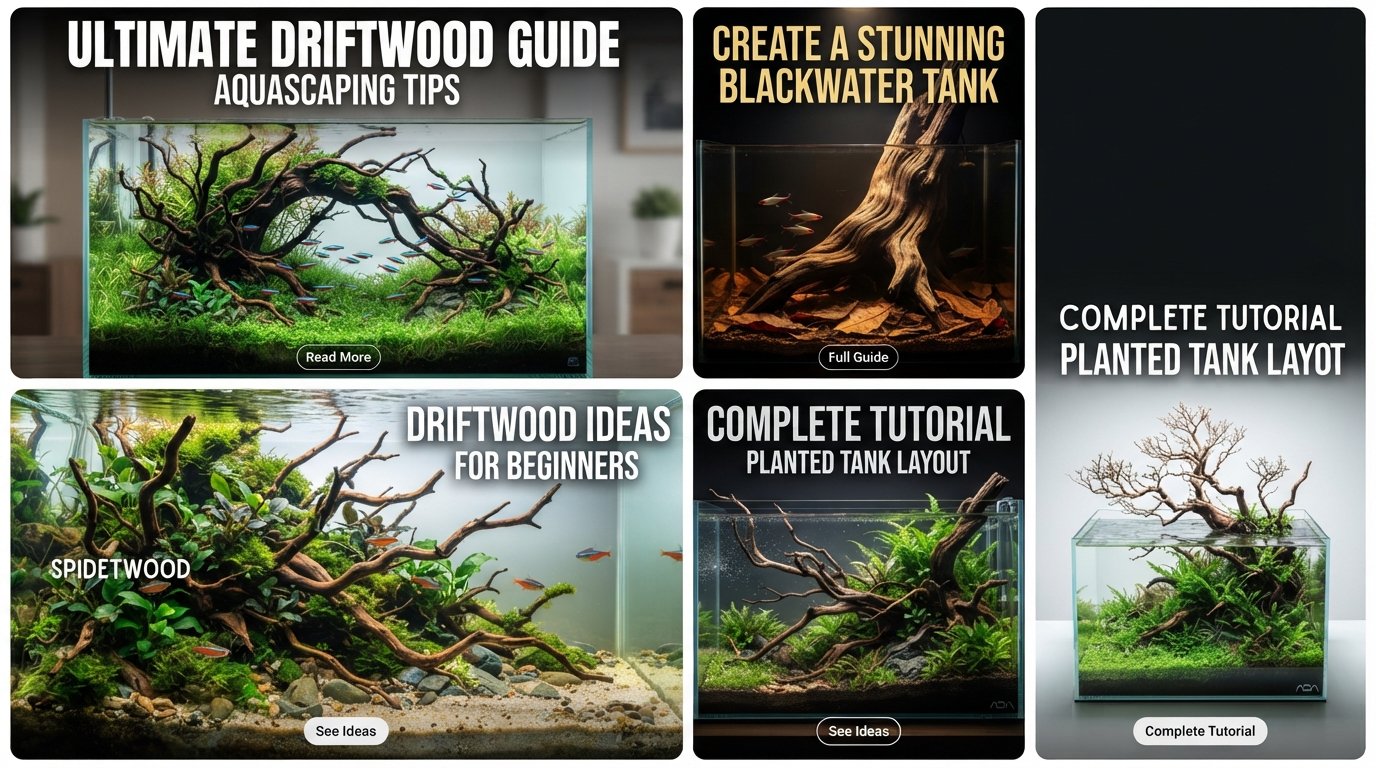
Driftwood for aquarium setups is one of the most popular and natural decorations used by aquarists around the world. It adds beauty, creates hiding places for fish, supports beneficial bacteria, and serves as an anchor for live aquarium plants. Whether you’re building a nature-inspired aquascape, a blackwater aquarium, or a simple freshwater fish tank, the right driftwood can completely transform your aquarium.
In this comprehensive guide, you’ll learn everything about aquarium driftwood, including the best types, preparation methods, placement ideas, benefits, maintenance, and common mistakes to avoid.
What Is Aquarium Driftwood?
Aquarium driftwood is natural wood that has been properly cured and prepared for safe use in aquariums. Unlike ordinary wood, aquarium driftwood is selected because it is durable, resistant to rotting, and safe for aquatic life.
Driftwood is commonly used in:
- Freshwater aquariums
- Planted aquariums
- Aquascapes
- Blackwater aquariums
- Shrimp tanks
- Betta aquariums
- Community fish tanks
It creates a natural underwater environment while providing shelter and visual interest.
Benefits of Using Driftwood for Aquarium
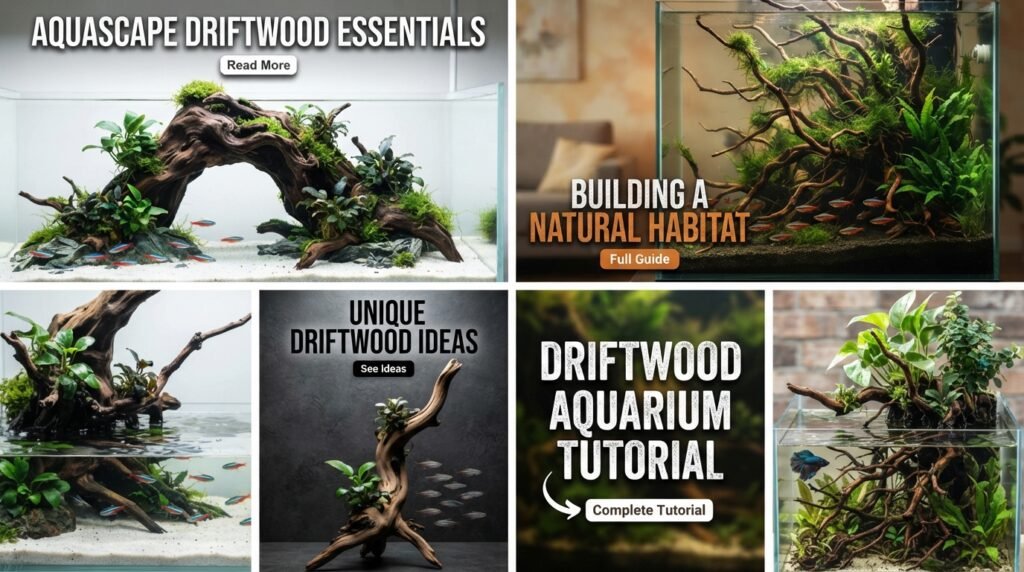
Adding driftwood to your aquarium provides numerous advantages.
Creates a Natural Look
Driftwood mimics fallen branches and tree roots found in rivers and lakes, giving your aquarium a realistic appearance.
Provides Hiding Places
Many fish feel more secure when they have places to hide.
Suitable for:
- Bettas
- Corydoras
- Plecos
- Tetras
- Gouramis
- Shrimp
Supports Beneficial Bacteria
The large surface area of driftwood allows beneficial bacteria to grow, helping maintain biological filtration.
Ideal for Live Plants
Many aquarium plants naturally attach to driftwood.
Popular choices include:
- Java Fern
- Anubias
- Bucephalandra
- Java Moss
- Christmas Moss
- Bolbitis
Releases Beneficial Tannins
Natural driftwood may release tannins that slightly tint the water brown. For many fish, particularly those from blackwater habitats, these tannins can help create a more natural environment.
Types of Aquarium Driftwood
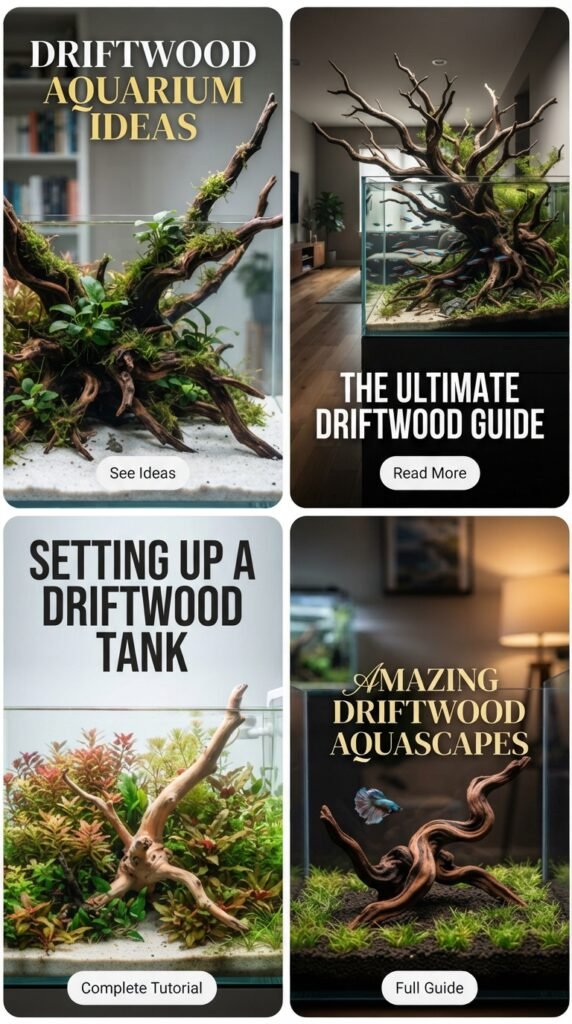
Different types of driftwood offer unique appearances and characteristics.
Spider Wood
Spider Wood features long, twisting branches that create dramatic aquascapes.
Advantages:
- Lightweight
- Excellent for aquascaping
- Great for attaching plants
- Natural tree-root appearance
Mopani Wood
Mopani Wood is dense and heavy.
Benefits include:
- Sinks quickly
- Long-lasting
- Attractive two-tone color
- Durable
It often releases more tannins initially than other types.
Malaysian Driftwood
Malaysian Driftwood is known for its dark color and rugged texture.
Advantages:
- Dense structure
- Naturally sinks
- Excellent for larger aquariums
- Long lifespan
Cholla Wood
Cholla Wood is commonly used in shrimp aquariums.
Benefits:
- Natural grazing surface
- Safe hiding places
- Lightweight
- Decorative appearance
Manzanita Wood
Manzanita is popular among aquascapers.
Features include:
- Smooth branches
- Elegant appearance
- Minimal tannin release
- Modern aesthetic
Choosing the Right Driftwood
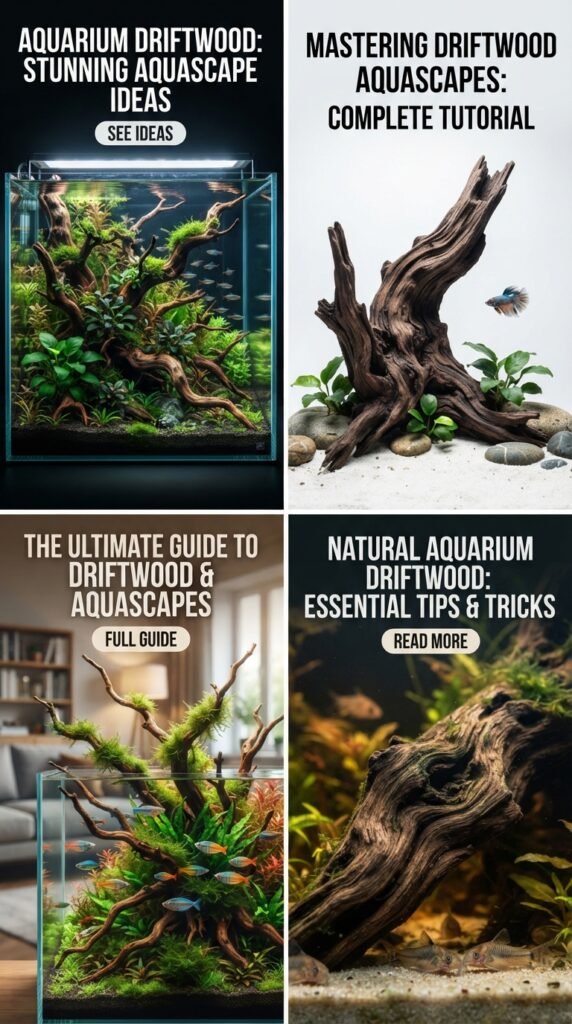
When selecting driftwood, consider:
Aquarium Size
Small tanks require compact pieces, while large aquariums can accommodate larger branch structures.
Fish Species
Choose driftwood that provides enough shelter for your fish without reducing swimming space.
Aquascaping Style
Select wood that complements your overall design.
Popular styles include:
- Nature Aquarium
- Jungle Aquascape
- River Layout
- Blackwater Aquarium
- Minimalist Aquascape
Preparing Driftwood for Aquarium
Proper preparation is essential before adding driftwood to your aquarium.
Clean the Wood
Rinse thoroughly under running water to remove dust and debris.
Avoid using soap or chemical cleaners.
Boil the Driftwood
If the piece fits in a large pot:
- Boil for 1–2 hours.
- Kill unwanted organisms.
- Reduce tannins.
- Help the wood become waterlogged.
Soak the Wood
Large pieces that cannot be boiled should be soaked in clean water for several days or weeks.
Benefits include:
- Helps the wood sink
- Removes excess tannins
- Hydrates the wood
Change the soaking water regularly until it remains relatively clear.
Does Driftwood Float?
New driftwood often floats because it contains trapped air.
Solutions include:
- Soaking it until waterlogged
- Weighing it down with aquarium-safe rocks
- Securing it to slate using aquarium-safe glue or screws designed for aquarium use
Eventually, most quality driftwood will sink naturally.
Aquarium Plants That Grow on Driftwood
Many plants thrive when attached to wood.
Excellent choices include:
Java Fern
Tie or glue the rhizome to the wood rather than burying it.
Anubias
A hardy, slow-growing plant perfect for driftwood.
Bucephalandra
Available in many colors and leaf shapes.
Java Moss
Creates a lush, natural appearance over time.
Christmas Moss
Forms dense, tree-like growth.
Bolbitis
Adds delicate, fern-like texture to aquascapes.
Driftwood Placement Ideas
Centerpiece Layout
Use one large piece as the focal point.
Root Forest
Arrange several branching pieces to resemble submerged tree roots.
Island Aquascape
Place driftwood on one side with plants surrounding it.
Riverbank Design
Combine driftwood with smooth rocks and sand.
Bonsai Tree Aquascape
Attach moss to branching wood to create the appearance of an underwater tree.
Best Fish for Driftwood Aquariums
Many freshwater fish appreciate driftwood.
Popular species include:
- Betta Fish
- Angelfish
- Discus
- Corydoras
- Plecos
- Tetras
- Rasboras
- Gouramis
- Apistogramma
- Rainbowfish
Driftwood provides shelter and encourages natural behaviors.
Shrimp and Snails
Driftwood is also beneficial for invertebrates.
Recommended species include:
- Cherry Shrimp
- Amano Shrimp
- Nerite Snails
- Mystery Snails
Biofilm that develops on driftwood can serve as a food source for shrimp.
White Film on Driftwood
A white, jelly-like film sometimes appears on new driftwood.
This is usually harmless and caused by naturally occurring fungi or bacteria breaking down organic compounds.
It typically disappears within a few weeks and is often eaten by shrimp, snails, or certain fish.
Maintaining Aquarium Driftwood
Routine maintenance helps keep driftwood looking its best.
Remove Algae
Gently scrub algae during water changes if needed.
Trim Attached Plants
Prune mosses and other plants to maintain the desired shape.
Vacuum Around the Base
Remove debris that collects around the driftwood.
Inspect for Stability
Ensure large pieces remain securely positioned.
Common Mistakes to Avoid
Using Untreated Outdoor Wood
Not all wood is safe for aquariums. Many types can rot quickly or release harmful substances.
Skipping Preparation
Always clean and soak or boil driftwood before use.
Overcrowding the Aquarium
Leave open swimming space for fish.
Using Sharp Branches
Smooth or trim sharp points that could injure fish.
Ignoring Tannins
If you prefer clear water, prepare the driftwood thoroughly and use activated carbon if needed.
Decorating Ideas with Driftwood
Create beautiful aquascapes by combining driftwood with:
- Live aquarium plants
- Smooth river stones
- Aquarium sand
- Moss-covered branches
- Floating plants
- Natural leaf litter in blackwater setups
These combinations create realistic underwater landscapes.
Benefits of Driftwood in a Planted Aquarium
Driftwood offers several advantages in planted tanks.
- Natural plant support
- Beautiful aquascaping
- Improved biological filtration
- Shelter for fish
- Habitat for shrimp
- Visual depth and texture
It is one of the most versatile hardscape materials available.
Conclusion
Driftwood for aquarium setups is an excellent choice for creating a natural, attractive, and functional aquatic environment. Whether you choose Spider Wood, Mopani Wood, Malaysian Driftwood, or Manzanita, properly prepared driftwood enhances the beauty of your aquarium while providing shelter for fish and a surface for live plants.
By selecting aquarium-safe driftwood, preparing it correctly, and maintaining it regularly, you can create a stunning aquascape that remains healthy and visually appealing for years.
Frequently Asked Questions
Is driftwood safe for aquariums?
Yes. Driftwood sold specifically for aquarium use is generally safe when properly cleaned and prepared before being placed in the tank.
Why does aquarium driftwood turn the water brown?
Driftwood releases natural tannins that can tint the water. This is harmless for most freshwater fish and can even benefit species from blackwater environments.
How long should I soak driftwood before adding it to my aquarium?
Small pieces may need only a few days, while larger pieces can require several weeks before they become fully waterlogged and release most excess tannins.
Which plants grow best on driftwood?
Java Fern, Anubias, Bucephalandra, Java Moss, Christmas Moss, and Bolbitis are excellent plants for attaching to driftwood.
Can driftwood lower aquarium pH?
Some driftwood may slightly lower pH over time by releasing tannins, but the effect depends on the type of wood and your aquarium’s water chemistry.
Why is there white fungus on my new driftwood?
A white biofilm or fungus is common on newly added driftwood. It is usually harmless, often disappears naturally within a few weeks, and is frequently eaten by shrimp, snails, and some fish.