
 By weeebooo70@gmail.com
Fish eye perspective is a unique visual style that creates a wide, curved view of the world, similar to how a fish might see its surroundings. This perspective is commonly used in photography, art, and design to produce dramatic and immersive visuals.
In this complete guide, you’ll learn what fish eye perspective is, how it works, and how to use it creatively.
What Is Fish Eye Perspective
Fish eye perspective refers to an ultra-wide-angle view that captures a large area in a single frame, often with noticeable curvature or distortion.
It mimics the viewing experience of a fish underwater, where light bends and creates a rounded, panoramic effect.
This perspective is achieved using a special type of lens called a fisheye lens.
How Fish See the World
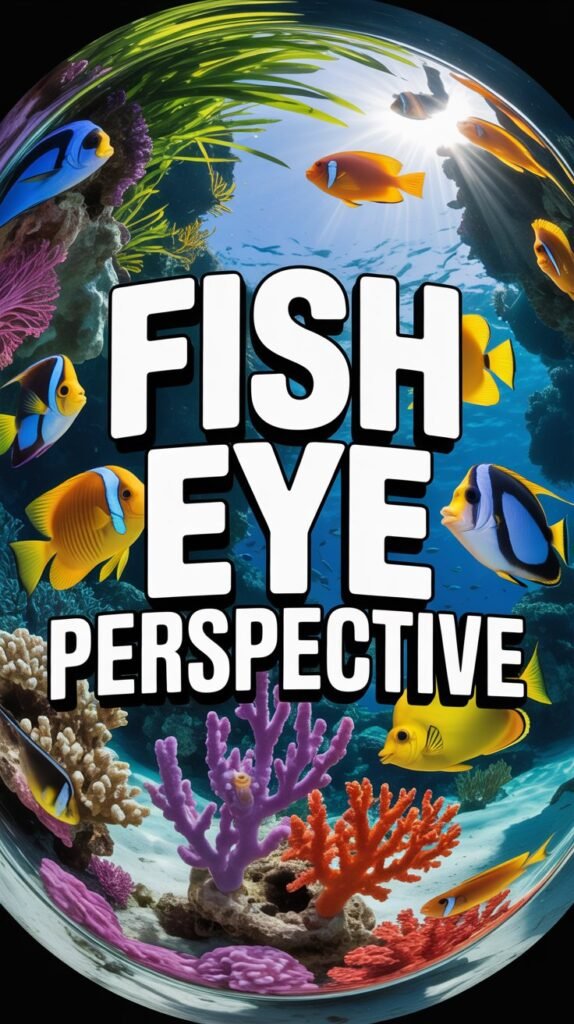
Fish have a different visual system compared to humans.
Many fish have wide fields of vision due to the placement of their eyes on the sides of their heads. This allows them to see almost everything around them at once.
The underwater environment also bends light, creating a curved visual effect that contributes to the fish eye perspective.
What Is a Fisheye Lens
A fisheye lens is a special camera lens designed to capture extremely wide angles, often up to 180 degrees.
Unlike normal lenses, it creates a curved or “bulging” effect in images.
This distortion is what gives fisheye photos their unique look.
Types of Fish Eye Perspective
There are different styles of fisheye perspective.
Circular fisheye creates a round image within the frame.
Full-frame fisheye fills the entire frame with a curved effect.
Diagonal fisheye provides a wide view with less extreme curvature.
Each type offers a different visual experience.
Features of Fish Eye Perspective
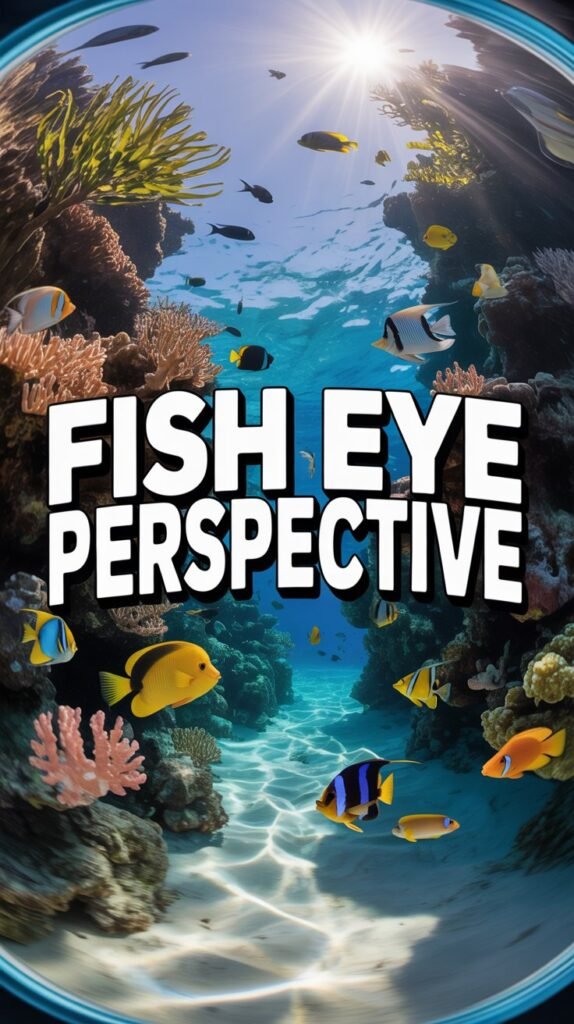
Fish eye perspective is easy to recognize.
Straight lines appear curved
Objects near the center look normal
Edges appear stretched and distorted
The field of view is extremely wide
These features create a dramatic and artistic effect.
Uses of Fish Eye Perspective
Fish eye perspective is widely used in various fields.
Photography uses it for creative and dramatic shots.
Architecture photography uses it to capture entire buildings.
Action sports use it to show movement and environment.
Art and design use it for unique visual storytelling.
It is also popular in social media and creative content.
How to Use Fish Eye Perspective Creatively
To get the best results, you can experiment with different techniques.
Place your subject in the center to reduce distortion.
Use close-up shots to exaggerate the effect.
Capture wide scenes like landscapes or rooms.
Experiment with angles to create unique compositions.
Practice helps you understand how to control the distortion.
Fish Eye Perspective in Art
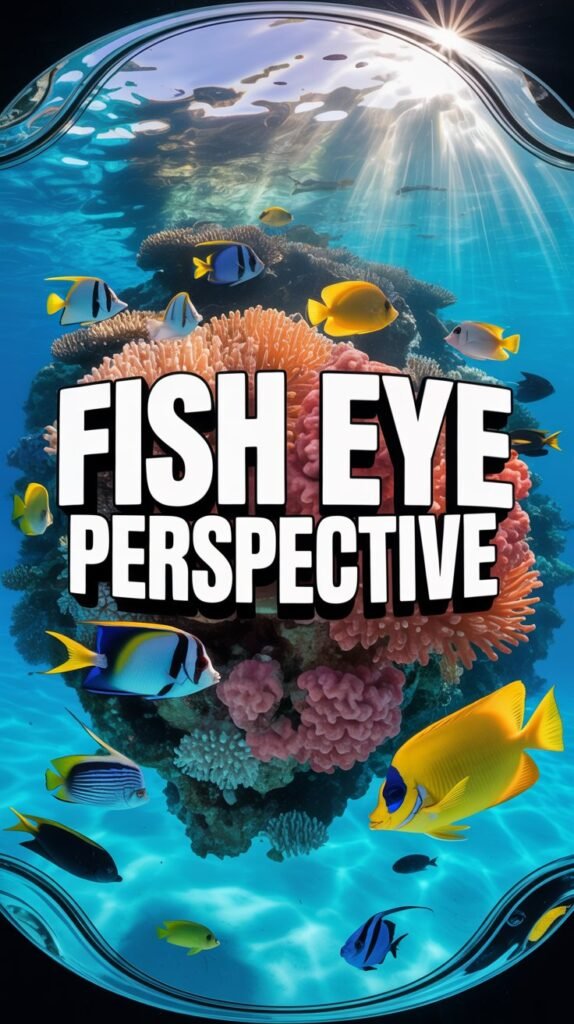
Artists often use fish eye perspective to create imaginative and surreal scenes.
It can make spaces look larger, more dynamic, and visually interesting.
This style is popular in illustrations, digital art, and even animation.
Advantages of Fish Eye Perspective
Captures a wide area in one shot
Creates unique and artistic images
Adds depth and drama
Enhances storytelling
Disadvantages
Strong distortion may not suit all subjects
Edges can look unnatural
Requires practice to master
Common Mistakes to Avoid
Overusing the effect can make images look confusing
Not considering composition can reduce impact
Using it for formal photography where distortion is unwanted
Avoiding these mistakes helps create better results.
Conclusion
Fish eye perspective is a powerful and creative way to capture the world. Its wide-angle view and curved distortion make images more dynamic and engaging.
Whether you are a photographer, artist, or content creator, experimenting with fish eye perspective can help you create unique and memorable visuals.
FAQs
What is fish eye perspective?
It is a wide-angle view that creates curved and distorted images.
What is a fisheye lens used for?
It is used to capture wide scenes with a unique visual effect.
Why are images curved in fish eye perspective?
Because of the lens design and wide field of view.
Is fish eye perspective realistic?
It is not realistic but artistic and creative.
Can beginners use fisheye lenses?
Yes, but it takes practice to use effectively.