
 By admin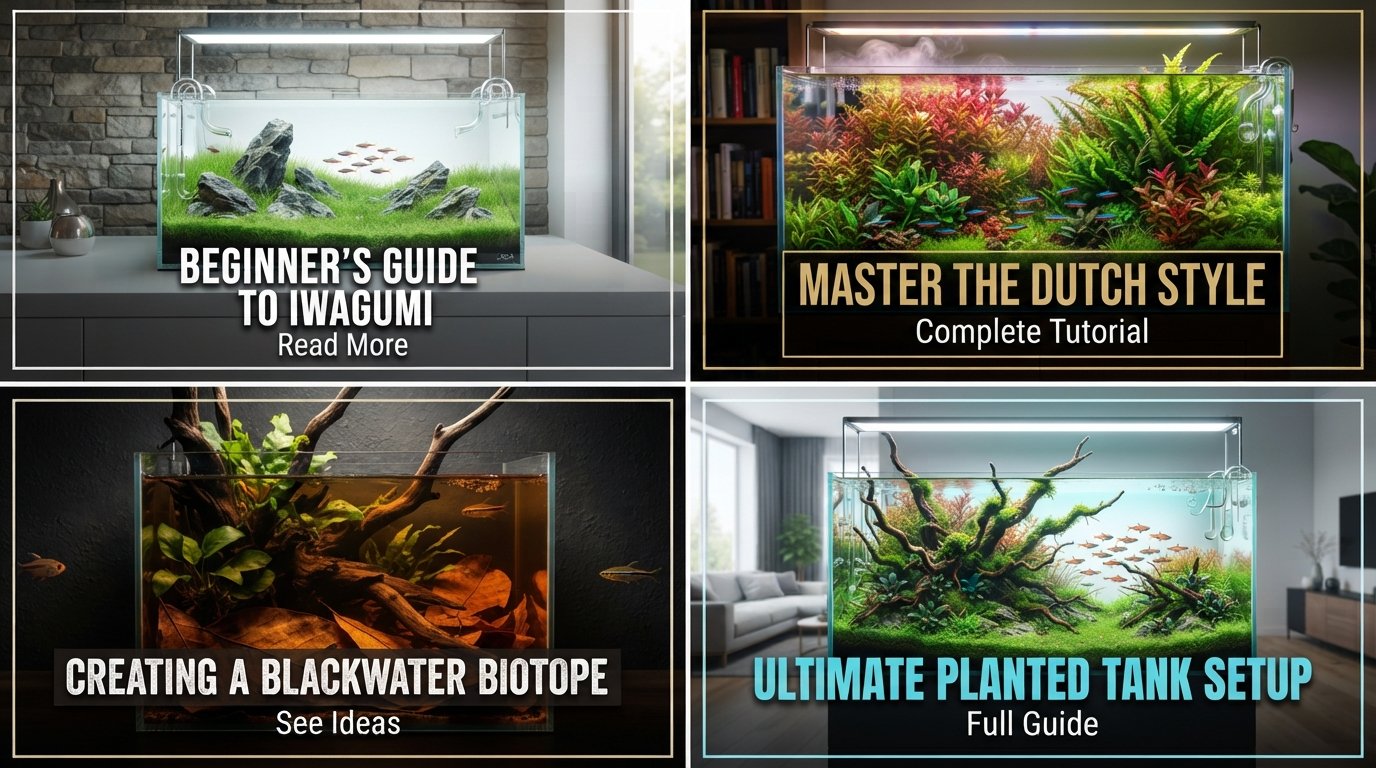
A fresh water aquarium set up is an exciting way to bring the beauty of nature into your home. Whether you’re creating a peaceful community aquarium, a planted aquascape, or a colorful tropical fish tank, a properly planned setup provides a healthy environment for your fish while making maintenance easier. From selecting the right aquarium and equipment to cycling the tank and adding fish, every step plays an important role in long-term success.
This complete guide explains everything you need to know about setting up a freshwater aquarium, including equipment, substrate, plants, fish selection, maintenance, and common mistakes to avoid.
Why Choose a Fresh Water Aquarium?
Freshwater aquariums are popular because they are easier to maintain than most saltwater systems while still offering endless design possibilities.
Benefits include:
- Beginner-friendly
- Lower setup costs
- Wide variety of fish
- Beautiful live plants
- Easy maintenance
- Countless aquascaping styles
- Suitable for homes and offices
A well-maintained freshwater aquarium can provide years of enjoyment.
Step 1: Choose the Right Aquarium Size
The first step is selecting an aquarium that fits your space and goals.
Small Aquarium (10–20 Gallons)
Best for:
- Betta fish
- Shrimp
- Nano fish
- Small planted aquariums
Medium Aquarium (20–55 Gallons)
Ideal for:
- Community fish
- Live plants
- Beginner aquascaping
Large Aquarium (75 Gallons and Above)
Perfect for:
- Larger fish
- Discus
- Angelfish
- Extensive aquascapes
- Community displays
Larger aquariums are generally more stable because changes in water quality occur more gradually.
Step 2: Select a Suitable Location
Place your aquarium where it can be enjoyed while remaining safe.
Choose a location that:
- Supports the aquarium’s weight
- Is away from direct sunlight
- Has nearby electrical outlets
- Allows easy access for maintenance
- Is free from excessive vibration
Use a sturdy aquarium stand designed for your tank size.
Step 3: Gather Essential Equipment
Every freshwater aquarium needs reliable equipment.
Aquarium Filter
The filter removes debris and supports beneficial bacteria.
Common options include:
- Hang-on-back filters
- Canister filters
- Internal filters
- Sponge filters
Choose a filter rated for your aquarium size.
Heater
Most tropical freshwater fish require stable temperatures.
Typical tropical range:
- 72–78°F (22–26°C), depending on the species
Select a heater appropriate for your aquarium volume.
Thermometer
A thermometer allows you to monitor temperature daily.
LED Lighting
LED lights provide:
- Bright illumination
- Low energy consumption
- Long lifespan
- Support for live plants
Adjust lighting duration based on whether your aquarium contains live plants.
Step 4: Choose the Right Substrate
The substrate forms the base of your aquarium.
Aquarium Gravel
Suitable for:
- Community aquariums
- Beginner setups
- Decorative tanks
Fine Sand
Ideal for:
- Corydoras
- Loaches
- Natural aquascapes
Aquasoil
Best for:
- Planted aquariums
- Root-feeding plants
- Advanced aquascaping
Choose the substrate that matches your aquarium style and livestock.
Step 5: Add Decorations
Decorations provide shelter and improve the aquarium’s appearance.
Popular choices include:
- Driftwood
- Natural rocks
- Ceramic caves
- Aquarium-safe ornaments
- Coconut shelters
Leave open swimming space for fish.
Step 6: Plant the Aquarium
Live plants improve both beauty and water quality.
Beginner-friendly plants include:
- Java Fern
- Anubias
- Amazon Sword
- Vallisneria
- Cryptocoryne
- Java Moss
- Water Wisteria
- Hornwort
Arrange taller plants toward the back and shorter plants near the front.
Step 7: Fill the Aquarium
Fill the aquarium slowly to avoid disturbing the substrate.
Tips:
- Use a plate or plastic bag on the substrate to reduce disturbance.
- Add a water conditioner to remove chlorine and chloramine if using tap water.
- Fill to the recommended water level.
Step 8: Install Equipment
Once the aquarium is filled:
- Start the filter.
- Turn on the heater.
- Check the thermometer.
- Adjust the lighting timer.
Verify that all equipment operates correctly.
Step 9: Cycle the Aquarium
Cycling is one of the most important steps in a freshwater aquarium setup.
During the nitrogen cycle, beneficial bacteria develop that convert:
- Ammonia into nitrite
- Nitrite into nitrate
Only add fish after the aquarium has completed the cycle and ammonia and nitrite consistently test at 0 ppm.
Step 10: Add Fish Gradually
Introduce fish slowly rather than adding many at once.
Popular beginner freshwater fish include:
- Guppies
- Neon Tetras
- Harlequin Rasboras
- Corydoras Catfish
- Cherry Barbs
- Pearl Gouramis
- Platies
- Mollies
- Zebra Danios
- Bristlenose Plecos
Research compatibility before mixing species.
Freshwater Aquarium Setup Ideas
Community Aquarium
Combine peaceful fish with live plants and natural decorations.
Nature Aquascape
Use driftwood, stones, and lush greenery to imitate a natural river.
Jungle Aquarium
Allow dense plant growth to create a rich underwater forest.
Minimalist Aquarium
Feature a few carefully placed rocks, open swimming areas, and subtle planting.
Blackwater Aquarium
Use driftwood and leaf litter to recreate Amazon-inspired habitats.
Water Parameters
General freshwater community recommendations include:
- Temperature: 72–78°F (22–26°C)
- pH: 6.5–7.5 for many community fish
- Ammonia: 0 ppm
- Nitrite: 0 ppm
- Nitrate: Below 20 ppm
Always adjust water conditions according to the requirements of your specific fish.
Feeding Your Fish
Healthy feeding habits include:
- Feed small portions once or twice daily.
- Remove uneaten food if necessary.
- Offer a varied diet appropriate for your fish species.
Overfeeding is one of the most common causes of poor water quality.
Weekly Maintenance
Regular maintenance keeps your aquarium healthy.
Water Changes
Replace 20–30% of the water every week.
Vacuum the Substrate
Remove accumulated waste using a gravel vacuum.
Clean the Glass
Use an aquarium-safe algae scraper.
Inspect Equipment
Check the filter, heater, and thermometer regularly.
Test Water
Monitor ammonia, nitrite, nitrate, pH, and temperature.
Common Mistakes to Avoid
Skipping the Nitrogen Cycle
Never add fish before the aquarium has fully cycled.
Overstocking
Too many fish increase waste and stress.
Overfeeding
Feed only what fish can eat within a few minutes.
Choosing Incompatible Fish
Research behavior, adult size, and water requirements before stocking.
Neglecting Maintenance
Routine care prevents many common aquarium problems.
Freshwater Aquarium Aquascaping Tips
Create an attractive layout by:
- Placing taller plants in the background
- Using driftwood as a focal point
- Arranging rocks naturally
- Leaving open swimming areas
- Creating depth with sloping substrate
A balanced design improves both appearance and fish comfort.
Benefits of a Fresh Water Aquarium Set Up
A properly designed freshwater aquarium offers many advantages.
- Beautiful home décor
- Relaxing atmosphere
- Educational value
- Healthy aquatic ecosystem
- Endless customization
- Suitable for beginners and experienced hobbyists
With consistent care, a freshwater aquarium can thrive for many years.
Conclusion
A successful fresh water aquarium set up begins with thoughtful planning, quality equipment, and patience. By selecting the right aquarium size, installing reliable filtration and heating, completing the nitrogen cycle, and choosing compatible fish and plants, you can create a healthy and visually stunning aquatic environment.
Regular maintenance, responsible stocking, and stable water conditions will ensure your freshwater aquarium remains a thriving centerpiece that brings enjoyment for years to come.
Frequently Asked Questions
How long should I wait before adding fish to a new freshwater aquarium?
Wait until the nitrogen cycle is complete and water tests consistently show 0 ppm ammonia and 0 ppm nitrite. This often takes several weeks, though the exact time varies.
What is the best size aquarium for beginners?
A 20- to 55-gallon aquarium is often recommended because it provides more stable water conditions than very small tanks while remaining manageable.
Do I need a heater for a freshwater aquarium?
Most tropical freshwater fish require a heater to maintain a stable temperature. Cold-water species, such as goldfish, may not require one depending on your room temperature and local climate.
Can I use live plants in a freshwater aquarium?
Yes. Live plants improve water quality, provide shelter, and create a more natural environment. Many beginner-friendly species are easy to grow with basic LED lighting.
How often should I change the water?
A weekly water change of about 20–30% is suitable for most freshwater aquariums, though the exact schedule depends on stocking levels and filtration.
What is the most important step in setting up a freshwater aquarium?
Completing the nitrogen cycle is the most important step. It establishes beneficial bacteria that make the aquarium safe for fish by processing toxic waste.