
 By admin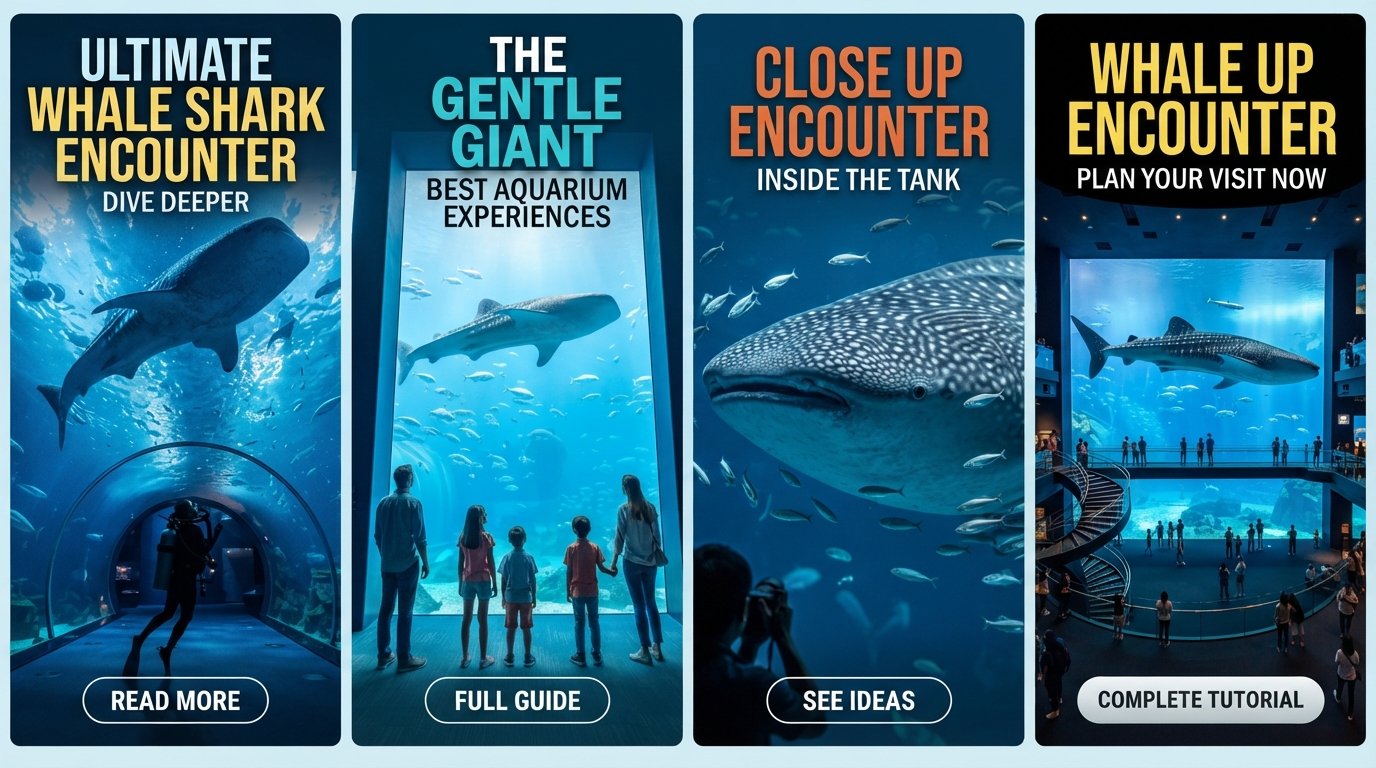
A whale shark aquarium offers one of the most breathtaking experiences in the world of marine life. Whale sharks are the largest fish on Earth, yet they are gentle filter feeders that peacefully swim alongside smaller fish and other marine animals. Because of their enormous size and specialized care requirements, only a handful of the world’s largest aquariums have the facilities and expertise to house these magnificent creatures.
Whether you’re planning a visit to an aquarium with whale sharks or simply want to learn more about these incredible animals, this guide covers everything you need to know, including whale shark biology, aquarium habitats, conservation efforts, visitor experiences, and fascinating facts.
What Is a Whale Shark?
The whale shark (Rhincodon typus) is the world’s largest living fish species. Despite its massive size, it is completely different from whales because it is a fish rather than a mammal.
Whale sharks are known for their:
- Enormous size
- White spotted pattern
- Wide, flat head
- Gentle behavior
- Slow swimming speed
- Filter-feeding lifestyle
Each whale shark has a unique pattern of white spots, much like a human fingerprint.
How Big Do Whale Sharks Grow?
Whale sharks are truly giants of the ocean.
Typical measurements include:
- Length: 18–40 feet (5.5–12 meters), with some individuals reported even larger
- Weight: Up to 20 tons or more
- Lifespan: Estimated to exceed 70 years, though exact longevity is still being studied
Their impressive size is one reason so few aquariums can house them.
Why Are Whale Sharks So Popular?
Visitors are fascinated by whale sharks because they combine incredible size with calm behavior.
Reasons for their popularity include:
- World’s largest fish
- Beautiful spotted patterns
- Peaceful temperament
- Graceful swimming
- Rare aquarium sightings
- Important conservation symbol
Watching a whale shark glide through a massive viewing window is an unforgettable experience.
Which Aquariums Have Whale Sharks?
Only a small number of aquariums have successfully exhibited whale sharks due to the immense space and resources required.
Some well-known facilities have displayed whale sharks in specially designed ocean habitats. These aquariums feature enormous tanks with advanced filtration systems, carefully managed water quality, and dedicated animal care teams.
Because whale shark collections can change over time, it’s a good idea to check an aquarium’s current exhibits before planning a visit.
Why Are Whale Sharks Difficult to Keep?
Whale sharks require exceptional care because of their unique needs.
Challenges include:
- Massive swimming space
- Specialized diets
- Advanced life-support systems
- Constant water quality monitoring
- Veterinary care
- Long-term commitment
Only the largest public aquariums can provide suitable environments for these animals.
Whale Shark Aquarium Habitat
Aquariums that house whale sharks create habitats designed to resemble the open ocean.
Features often include:
- Extremely large tanks
- Deep swimming areas
- Strong filtration systems
- Stable water temperatures
- Open swimming space
- Large viewing windows
These habitats are carefully managed to support the health and well-being of all marine animals.
What Do Whale Sharks Eat?
Unlike many other sharks, whale sharks do not hunt large prey.
Their diet mainly consists of:
- Plankton
- Tiny shrimp
- Small fish
- Fish eggs
- Krill
In aquariums, they receive specially prepared diets that meet their nutritional requirements while mimicking their natural feeding habits.
Behavior in Aquariums
Whale sharks are known for their calm and graceful movements.
Visitors often observe them:
- Swimming slowly through the tank
- Feeding near the surface
- Passing alongside schools of fish
- Circling large aquarium habitats
- Interacting peacefully with other marine species
Their relaxed behavior contributes to the tranquil atmosphere of large ocean exhibits.
Marine Animals Often Seen with Whale Sharks
Large ocean exhibits may also include compatible marine species such as:
- Stingrays
- Groupers
- Trevallies
- Jacks
- Smaller reef fish
- Other pelagic species
The exact species vary depending on the aquarium’s collection and exhibit design.
Conservation Importance
Whale sharks face numerous threats in the wild.
These include:
- Accidental capture in fishing gear
- Ship strikes
- Plastic pollution
- Habitat degradation
- Climate-related changes
Public aquariums often play an important role in raising awareness about these challenges and supporting marine conservation initiatives.
Educational Programs
Many aquariums offer educational experiences focused on whale sharks and ocean conservation.
Programs may include:
- Guided tours
- Interactive exhibits
- Educational presentations
- School programs
- Conservation workshops
- Family learning activities
These experiences help visitors understand the importance of protecting marine ecosystems.
Whale Shark Facts
Here are some fascinating facts about whale sharks:
- They are the largest fish in the world.
- Their white spot pattern is unique to each individual.
- They are filter feeders rather than active predators.
- They can swim long distances during seasonal migrations.
- Their mouths can be several feet wide.
- They pose very little danger to humans when left undisturbed.
Photography Tips
If you visit a whale shark aquarium, these tips can help you capture memorable photos:
- Turn off your camera flash if required by the aquarium.
- Use a fast shutter speed to reduce motion blur.
- Photograph through the cleanest section of the glass.
- Be patient and wait for the whale shark to swim into view.
- Include other fish or visitors for a sense of scale.
Always follow the aquarium’s photography guidelines.
Visitor Experience
Seeing a whale shark in person is unlike viewing most other aquarium animals.
Visitors often enjoy:
- Massive viewing windows
- Panoramic ocean exhibits
- Educational displays
- Comfortable viewing areas
- Opportunities to observe natural swimming behavior
Many people consider the whale shark exhibit to be the highlight of their aquarium visit.
Whale Sharks and Marine Conservation
Whale sharks serve as ambassadors for ocean conservation.
By learning about these gentle giants, visitors gain a greater appreciation for:
- Healthy oceans
- Sustainable fishing practices
- Plastic pollution reduction
- Marine biodiversity
- Wildlife conservation efforts
Education is one of the most valuable contributions public aquariums provide.
Planning Your Visit
To make the most of your experience:
- Purchase tickets in advance if possible.
- Arrive early to avoid peak crowds.
- Check feeding or presentation schedules.
- Allow plenty of time to explore the exhibits.
- Bring a camera if photography is permitted.
- Review the aquarium’s current exhibit information before traveling.
Planning ahead can help ensure you have the best possible visit.
Why Whale Sharks Inspire People
Whale sharks inspire millions of people because they demonstrate that even the largest animals in the ocean can be peaceful and gentle.
Their graceful movement, immense size, and unique appearance encourage curiosity about marine life and motivate people to support conservation efforts around the world.
Conclusion
A whale shark aquarium provides an extraordinary opportunity to observe the world’s largest fish in a carefully managed environment designed to support its health and educate the public. These remarkable animals captivate visitors with their immense size, peaceful nature, and beautiful spotted patterns while highlighting the importance of protecting our oceans.
Whether you’re planning a trip to a world-class aquarium or simply learning about marine life, whale sharks remain one of the most awe-inspiring creatures on Earth and a powerful symbol of ocean conservation.
Frequently Asked Questions
What is a whale shark?
A whale shark is the largest fish species in the world. It is a gentle filter feeder that eats plankton, small fish, and other tiny marine organisms.
Are whale sharks dangerous?
No. Whale sharks are generally considered harmless to humans. They are filter feeders and do not hunt people.
Can every aquarium keep whale sharks?
No. Only a few of the world’s largest aquariums have the enormous tanks, advanced life-support systems, and specialized expertise needed to care for whale sharks.
What do whale sharks eat in aquariums?
They are fed carefully prepared diets that include plankton-like foods, small fish, krill, and other nutritious items designed to meet their dietary needs.
Why are whale sharks important?
Whale sharks are an important part of marine ecosystems and serve as flagship species for ocean conservation, helping raise awareness about threats such as pollution, overfishing, and habitat loss.
How long can whale sharks live?
Scientists estimate that whale sharks can live for more than 70 years, although research is ongoing to better understand their lifespan and life history.