
 By weeebooo70@gmail.com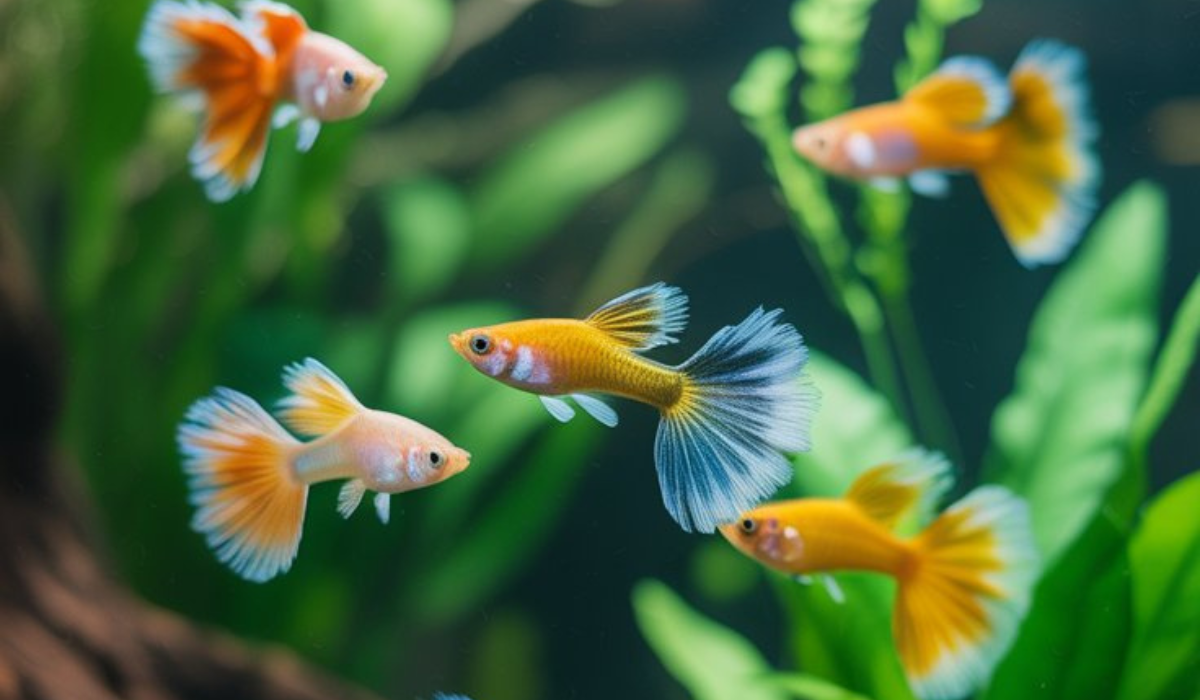
A guppy aquarium is one of the most colorful and rewarding freshwater aquarium setups you can create. Guppies are known for their vibrant patterns, active swimming behavior, and beginner-friendly care requirements. Whether you are starting your first aquarium or upgrading an existing setup, designing a proper guppy aquarium helps ensure healthy fish, stable water conditions, and a visually stunning environment.
This complete guide covers everything about a guppy aquarium, including setup basics, tank size, filtration, decoration ideas, feeding routines, breeding tips, and advanced care techniques. The goal is to help you create a balanced, long-lasting aquarium that suits both beginners and experienced aquarists.
What Is a Guppy Aquarium?
A guppy aquarium is a freshwater tank specifically designed to meet the needs of guppy fish. While guppies are adaptable and hardy, they thrive best in aquariums that offer stable water parameters, gentle water flow, and plenty of swimming space.
Unlike aggressive species, guppies prefer peaceful environments with plants and open areas. A well-planned guppy aquarium supports their natural behavior, encourages breeding, and enhances their bright coloration. Because guppies are livebearers, many aquarists create specialized aquariums to manage growing populations and raise healthy fry.
Why Choose a Guppy Aquarium?
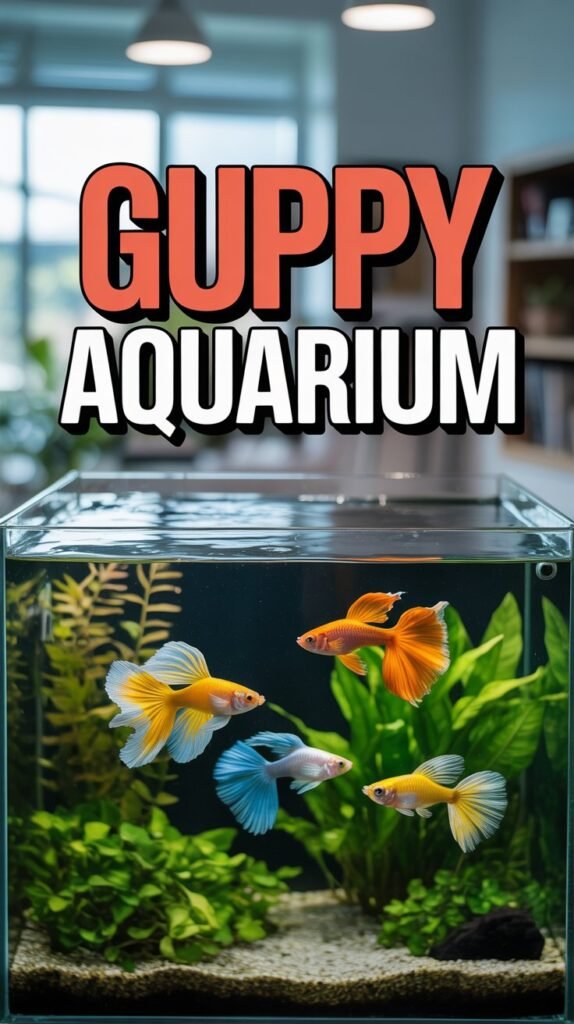
There are many reasons why guppy aquariums remain popular worldwide. These small tropical fish are easy to care for and offer endless variety in color and pattern.
Some key advantages include:
Bright colors that enhance the visual appeal of any room
Peaceful temperament suitable for community tanks
Simple feeding and maintenance routines
Fast breeding cycles for hobbyists interested in genetics
A guppy aquarium is also ideal for learning about aquarium balance because it requires attention to water quality, filtration, and stocking levels.
Choosing the Right Aquarium Size
Tank size plays a crucial role in the long-term success of a guppy aquarium. Even though guppies are small fish, they are very active swimmers and benefit from adequate space.
A 10-gallon tank can work for a small group, but a 20-gallon or larger aquarium is usually recommended. Larger tanks provide more stable water parameters and reduce the risk of sudden changes in temperature or chemistry.
When planning your aquarium, consider future breeding. Guppies reproduce quickly, and a larger tank gives you more flexibility as the population grows.
Ideal Water Conditions for a Guppy Aquarium
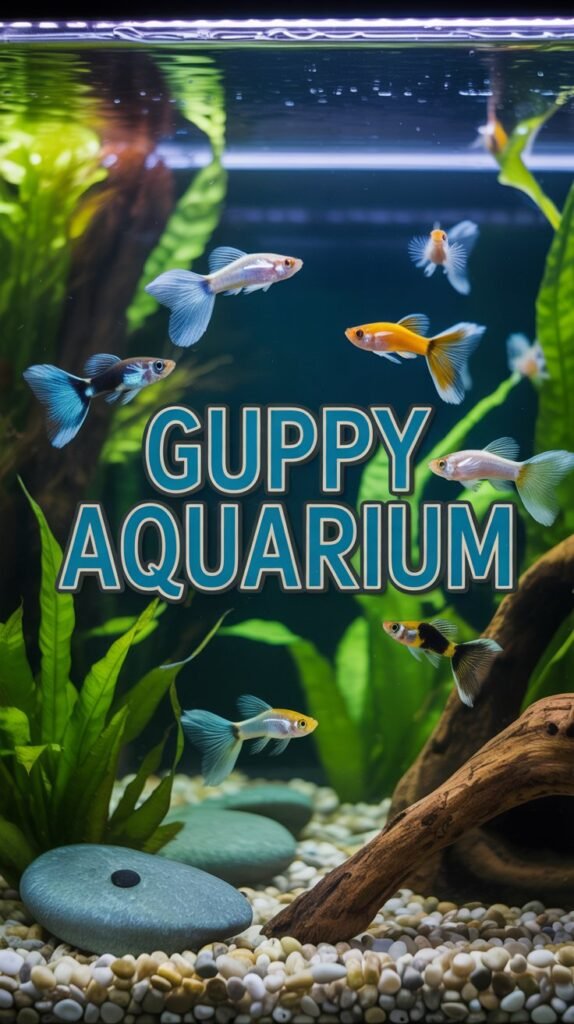
Maintaining proper water conditions ensures healthy fish and vibrant colors. Guppies prefer warm freshwater with slightly alkaline parameters.
The recommended temperature range is between 24 and 28 degrees Celsius. Using a reliable heater helps maintain consistent warmth, especially in environments where room temperature fluctuates.
The pH level should generally stay between 6.8 and 7.8. Guppies also prefer moderately hard water, which supports their immune system and overall health.
Regular partial water changes are essential for removing waste and maintaining stability. Consistency is more important than constantly adjusting parameters.
Filtration System for a Healthy Guppy Aquarium
Filtration is one of the most important components of any aquarium. A good filter keeps the water clean, removes debris, and supports beneficial bacteria.
Sponge filters are highly recommended for guppy aquariums because they create gentle water movement and are safe for baby guppies. Hang-on-back filters also work well when the flow is adjusted to avoid strong currents.
Proper filtration helps prevent common issues like cloudy water, ammonia buildup, and algae growth.
Substrate and Decoration Ideas
The design of a guppy aquarium should balance beauty with functionality. A natural-looking environment reduces stress and encourages natural behavior.
Fine gravel or sand makes a good substrate because it allows easy cleaning while supporting plant growth. Live plants such as Java moss, guppy grass, and floating plants are excellent choices because they provide hiding spots for fry and improve water quality.
Decorations should always be smooth and safe. Avoid sharp objects that could damage delicate fins.
Lighting Setup for a Guppy Aquarium
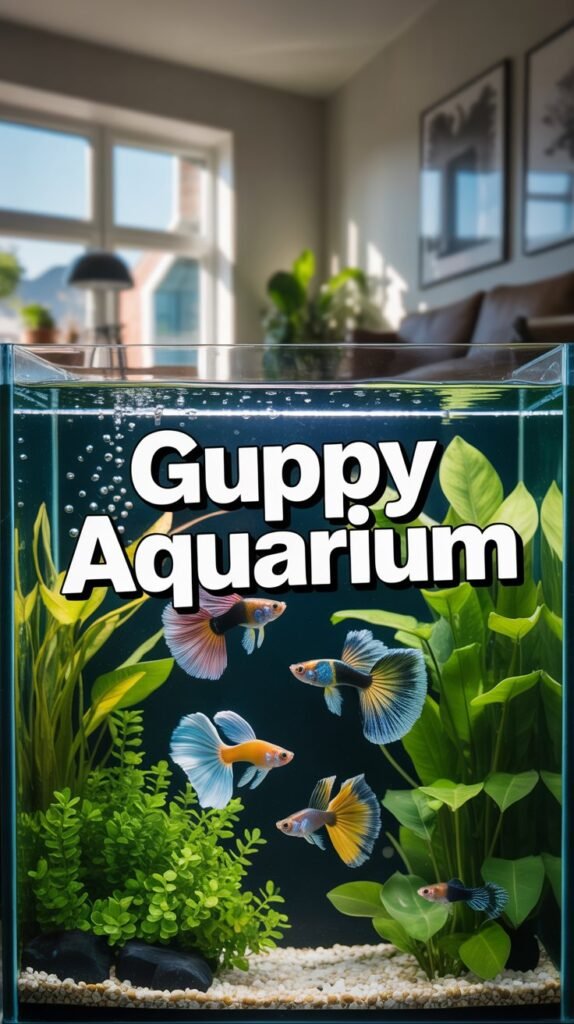
Lighting enhances the appearance of your aquarium and supports plant health. Moderate LED lighting is usually ideal for guppies.
A daily lighting period of around 6 to 8 hours helps maintain balance. Too much light can cause algae growth, while too little light may reduce plant vitality and make fish colors appear dull.
Soft, natural lighting creates a calm atmosphere and highlights the vibrant patterns of guppies.
Feeding Routine in a Guppy Aquarium
Guppies are omnivorous fish and require a varied diet. High-quality flakes or micro pellets can serve as the main food source.
Supplementing their diet with live or frozen foods like brine shrimp or daphnia helps improve color and growth. Feeding small portions two or three times a day is better than one large feeding, as it reduces waste buildup.
Balanced nutrition plays a major role in maintaining healthy fish and supporting successful breeding.
Common Guppy Aquarium Setup Example
Below is a simple and effective setup that works well for most guppy aquariums.
| Aquarium Component | Recommended Choice | Benefit |
|---|---|---|
| Tank Size | 20 Gallons | Better stability |
| Filter | Sponge Filter | Gentle flow and fry safety |
| Heater | Adjustable Heater | Stable temperature |
| Substrate | Fine Gravel | Easy maintenance |
| Plants | Java Moss, Floating Plants | Shelter and water quality |
| Lighting | LED Light | Enhances colors |
Best Tank Mates for a Guppy Aquarium
Guppies are peaceful fish and can live with many community species. Choosing compatible tank mates helps maintain harmony in the aquarium.
Good companions include small tetras, rasboras, corydoras catfish, and peaceful shrimp. Avoid aggressive species or fish known for fin-nipping, as they may damage guppy tails.
Maintaining the right balance of males and females also reduces stress and chasing behavior.
Breeding in a Guppy Aquarium
Breeding is one of the most exciting aspects of keeping guppies. Female guppies can give birth to dozens of fry every few weeks under the right conditions.
Providing dense plants gives newborn fry a safe place to hide from adults. Some aquarists use breeding boxes, but natural plant cover often works just as well.
Monitoring population growth is important because overcrowding can lead to stress and poor water quality.
Maintenance Routine for Long-Term Success
Regular maintenance keeps a guppy aquarium clean and healthy. Weekly partial water changes of around 20 to 30 percent help maintain stable conditions.
Cleaning the substrate removes waste while preserving beneficial bacteria. Filters should be rinsed gently in aquarium water to avoid disrupting the biological balance.
Daily observation of fish behavior helps identify problems early and prevents serious health issues.
Common Mistakes to Avoid in a Guppy Aquarium
Many beginners make mistakes that can easily be prevented with proper planning. Skipping the aquarium cycling process is one of the most common problems, leading to unstable water chemistry.
Overfeeding is another issue that causes poor water quality and algae growth. Providing too many decorations or strong water flow can also stress guppies.
A simple, natural setup with stable parameters is usually the best approach.
Advanced Tips for a Stunning Guppy Aquarium
Experienced aquarists often focus on aquascaping techniques to create a visually impressive tank. Using layers of plants with different heights adds depth and structure.
A dark background can make guppy colors appear more vibrant. Consistent water parameters and high-quality nutrition also enhance fin development and overall health.
Selective breeding projects are another advanced aspect of guppy keeping, allowing hobbyists to develop unique color strains over time.
Benefits of Keeping a Guppy Aquarium
A guppy aquarium brings life and movement into any space. Watching guppies swim and interact can be relaxing and enjoyable after a long day.
Their colorful appearance makes them a centerpiece in home or office environments. For beginners, guppies provide an easy introduction to aquarium care, while advanced hobbyists enjoy experimenting with breeding and aquascaping styles.
With proper setup and maintenance, a guppy aquarium becomes a thriving miniature ecosystem that evolves over time.
Frequently Asked Questions About Guppy Aquarium
What is the best tank size for a guppy aquarium?
A 20-gallon aquarium is often recommended because it offers stable water conditions and enough swimming space for a group of guppies.
Do guppies need a heater in the aquarium?
Yes, maintaining water temperatures between 24 and 28 degrees Celsius helps keep guppies healthy and active.
Can a guppy aquarium have live plants?
Yes, live plants are highly beneficial because they improve water quality and provide shelter for fry.
How often should I clean my guppy aquarium?
Weekly partial water changes and light maintenance help maintain a healthy environment.
How many guppies can live together?
A general guideline is one guppy per gallon of water, but more space is always better for long-term health.
Why is my guppy aquarium cloudy?
Cloudiness may result from overfeeding, poor filtration, or a newly cycling tank. Regular maintenance usually resolves the issue.
What fish should not be kept in a guppy aquarium?
Avoid aggressive or fin-nipping species such as large cichlids or certain barbs.
Is a guppy aquarium good for beginners?
Yes, guppy aquariums are considered one of the best starting points for new aquarists because the fish are hardy and easy to care for.