
 By weeebooo70@gmail.com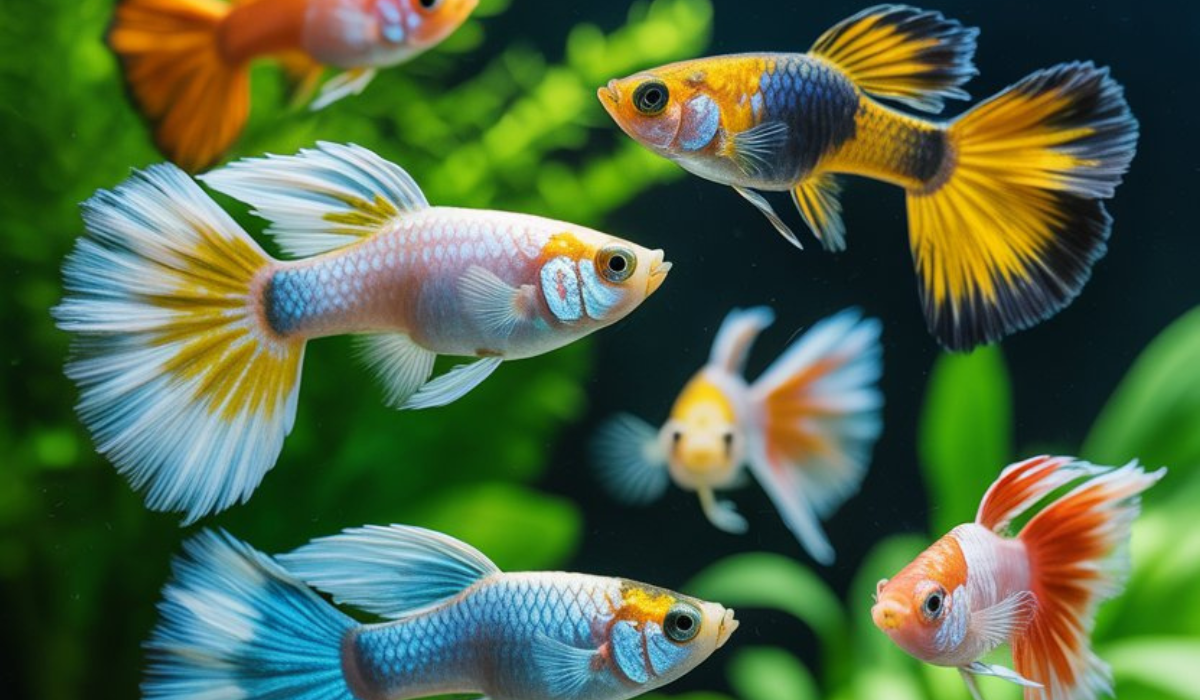
Guppies are one of the most popular freshwater aquarium fish in the world. Hardy, colorful, and easy to breed, they are perfect for beginners and rewarding for experienced hobbyists.
The common guppy, scientifically known as Poecilia reticulata, is a tropical livebearer native to South America but now found worldwide.
This complete care guide covers everything you need to know to keep guppies healthy, colorful, and thriving.
1. Basic Guppy Information
- Scientific Name: Poecilia reticulata
- Lifespan: 2–3 years
- Adult Size: 1.5–2.5 inches
- Temperament: Peaceful
- Care Level: Easy
Male guppies are smaller and more colorful.
Females are larger and less vibrant.
2. Tank Size Requirements
While guppies are small, they are active swimmers.
Minimum Tank Size:
- 10 gallons for a small group
Ideal Tank Size:
- 20 gallons for better stability and growth
Rule of thumb:
1 gallon per adult guppy (minimum guideline).
Larger tanks mean:
- More stable water
- Less stress
- Better growth
- Easier maintenance
3. Ideal Water Parameters
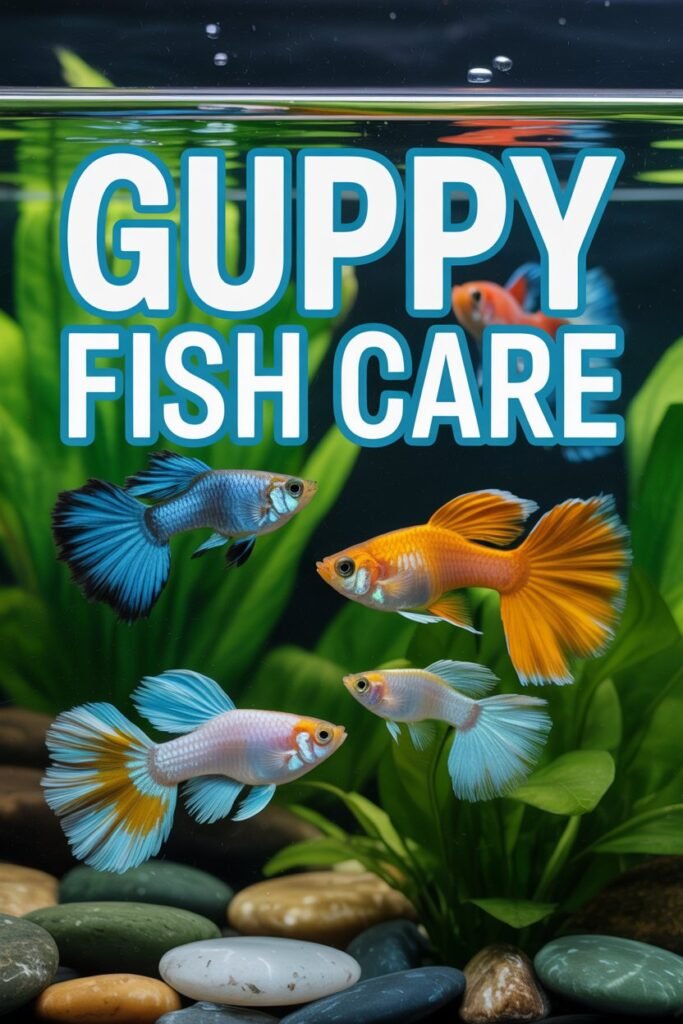
Guppies prefer stable tropical water conditions.
| Parameter | Ideal Range |
|---|---|
| Temperature | 25–27°C (77–80°F) |
| pH | 7.0–7.5 |
| Hardness | Moderate to hard |
| Ammonia | 0 ppm |
| Nitrite | 0 ppm |
| Nitrate | Below 20 ppm |
Consistency is more important than exact numbers.
Always cycle your tank before adding fish.
4. Filtration & Equipment
Filter
- Sponge filter (best for fry and gentle flow)
- Hang-on-back filter (adjustable flow preferred)
Heater
Maintain stable temperature around 25–27°C.
Lighting
Moderate lighting (6–8 hours daily).
Too much light can cause algae growth.
5. Feeding Guppies
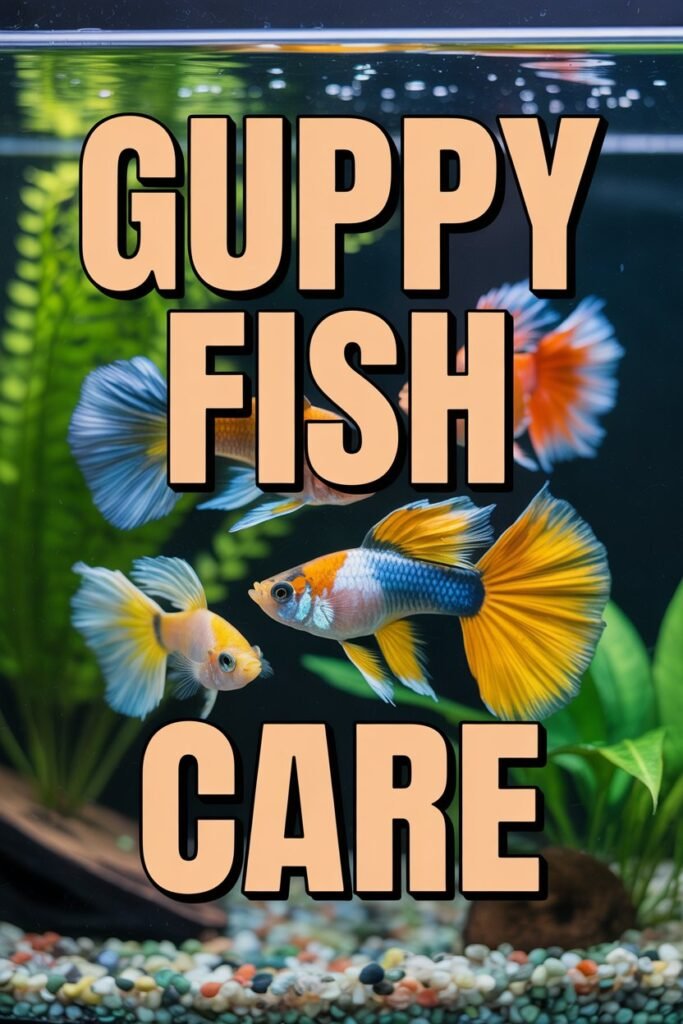
Guppies are omnivores and eat a variety of foods.
Staple Foods
- High-quality flake food
- Micro pellets
Protein Boost (2–3 times weekly)
- Brine shrimp
- Bloodworms
- Daphnia
For Fry
- Crushed flakes
- Baby brine shrimp
- Specialized fry food
Feed small amounts 1–2 times daily.
Avoid overfeeding—it leads to poor water quality.
6. Tank Setup Tips
Guppies thrive in planted tanks.
Recommended plants:
- Java moss
- Anubias
- Water sprite
- Hornwort
- Guppy grass
Plants:
- Improve water quality
- Provide fry hiding spots
- Reduce stress
Leave open swimming space in the middle.
7. Social Behavior & Tank Mates
Guppies are peaceful community fish.
Good Tank Mates
- Corydoras
- Neon tetras
- Harlequin rasboras
- Nerite snails
Avoid
- Aggressive fish
- Fin-nippers
- Large predatory species
Best male-to-female ratio:
1 male to 2–3 females.
8. Guppy Breeding Basics
Guppies are livebearers, meaning they give birth to live fry.
- Gestation: 21–30 days
- Fry per batch: 20–50
- Females can store sperm
If you do not want breeding:
Keep only males or only females.
9. Common Health Issues
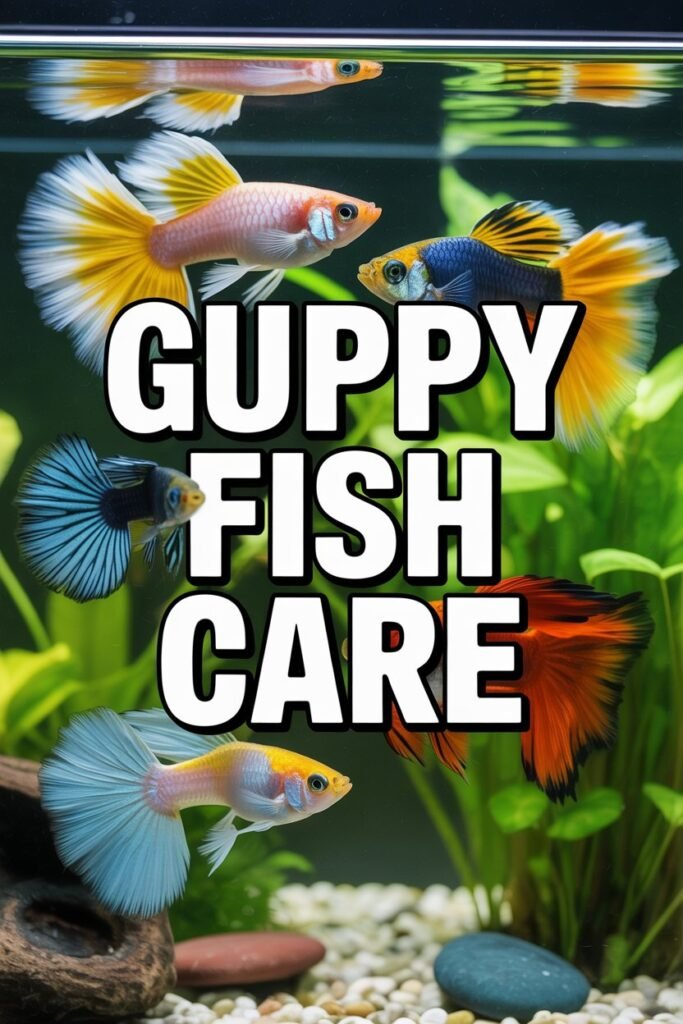
Fin Rot
Caused by poor water quality.
Ich (White Spot Disease)
Small white spots on body.
Dropsy
Swollen body with raised scales.
Prevention:
- Regular water changes
- Avoid overcrowding
- Maintain clean tank
10. Maintenance Routine
Weekly:
- 20–30% water change
- Gravel vacuum
- Clean glass
Monthly:
- Light filter cleaning
Stable maintenance keeps guppies healthy long-term.
11. Signs of a Healthy Guppy
- Bright colors
- Active swimming
- Good appetite
- Clear eyes
- Fully open fins
Signs of stress:
- Clamped fins
- Hiding constantly
- Rapid breathing
- Loss of color
12. Lifespan & Growth
Guppies typically live 2–3 years.
To maximize lifespan:
- Maintain stable temperature
- Feed balanced diet
- Avoid overcrowding
- Perform regular water changes
13. Beginner Mistakes to Avoid
- Skipping tank cycling
- Overfeeding
- Mixing aggressive fish
- Keeping too many males
- Ignoring water testing
Final Thoughts
Guppies are one of the easiest and most rewarding aquarium fish to keep. With proper tank size, stable water conditions, balanced feeding, and routine maintenance, they will reward you with vibrant colors and lively behavior.
Whether you’re a beginner starting your first tank or an experienced hobbyist breeding fancy strains, proper guppy care ensures a healthy and beautiful aquarium.