
 By weeebooo70@gmail.com
A guppy tank is one of the most enjoyable and beginner-friendly aquarium setups you can create. Guppies are colorful, active, and easy to care for, making them ideal for both new hobbyists and experienced aquarists. However, even though guppies are hardy fish, creating the right tank environment is essential for their health, vibrant colors, and successful breeding. This complete guide will teach you everything you need to know about building and maintaining a guppy tank, including tank size, water parameters, filtration, decoration, feeding routines, compatibility, and advanced tips for long-term success.
What Is a Guppy Tank?
A guppy tank refers to an aquarium specifically designed to meet the needs of guppy fish. Unlike general fish tanks, a guppy-focused setup prioritizes stable water conditions, gentle filtration, plenty of swimming space, and plants that provide hiding areas for fry.
Guppies thrive in warm freshwater environments with moderate lighting and clean water. When their tank is designed properly, they show brighter coloration, improved activity, and healthier reproduction patterns. Whether you plan to keep a small group or breed multiple strains, a well-planned guppy tank makes a huge difference.
Why Guppies Are Perfect for Aquarium Tanks
Guppies have remained one of the most popular aquarium fish for decades. Their adaptability and peaceful temperament make them suitable for many types of setups.
Some of the main reasons aquarists love guppy tanks include:
Easy maintenance compared to sensitive species
Wide variety of colors and tail shapes
Peaceful behavior in community aquariums
Fast reproduction, ideal for breeding projects
Because guppies are livebearers, they give birth to fully formed fry instead of laying eggs. This means a guppy tank can quickly become lively with new generations if conditions are right.
Choosing the Right Tank Size for Guppies
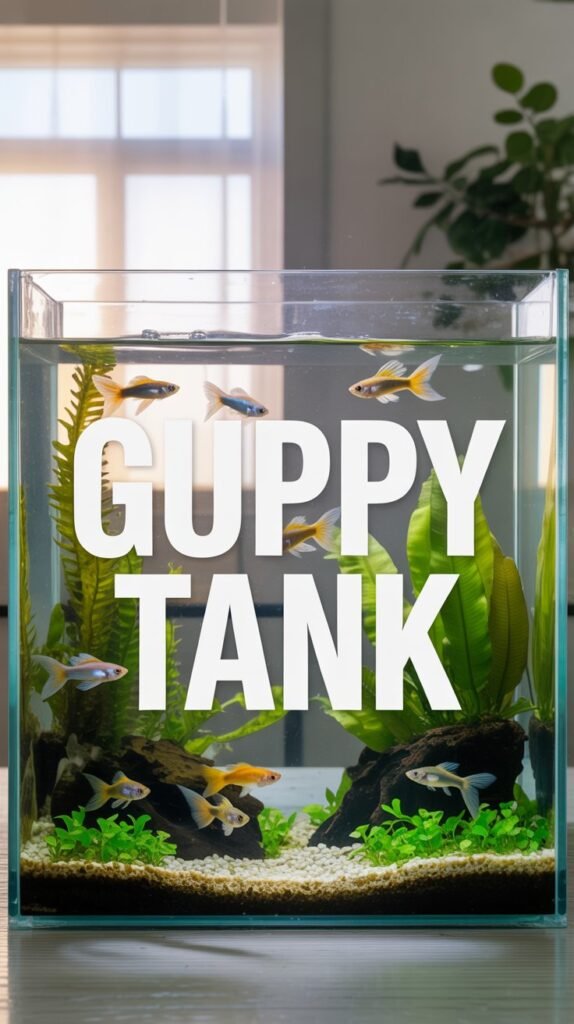
One of the most common mistakes beginners make is selecting a tank that is too small. While guppies are small fish, they are very active swimmers and benefit from adequate space.
A 10-gallon tank is often considered the minimum starting point for a small group. However, a 20-gallon or larger guppy tank offers better stability in water parameters and allows for natural social behavior.
Larger tanks also reduce stress and aggression between males. When planning your tank, consider future breeding because guppies reproduce quickly, and overcrowding can become a problem if space is limited.
Ideal Water Parameters for a Guppy Tank
Maintaining stable water conditions is the foundation of a healthy guppy tank. Guppies are adaptable, but they thrive best within specific ranges.
The ideal temperature is between 24 and 28 degrees Celsius. A reliable heater ensures stability, especially in environments where room temperature changes throughout the day.
The recommended pH range is slightly alkaline, typically between 6.8 and 7.8. Harder water is generally preferred, as it supports stronger immune systems and vibrant coloration.
Regular partial water changes help maintain cleanliness and prevent waste buildup. Consistency matters more than chasing perfect numbers, so aim for stable conditions rather than frequent adjustments.
Filtration and Aeration in a Guppy Tank
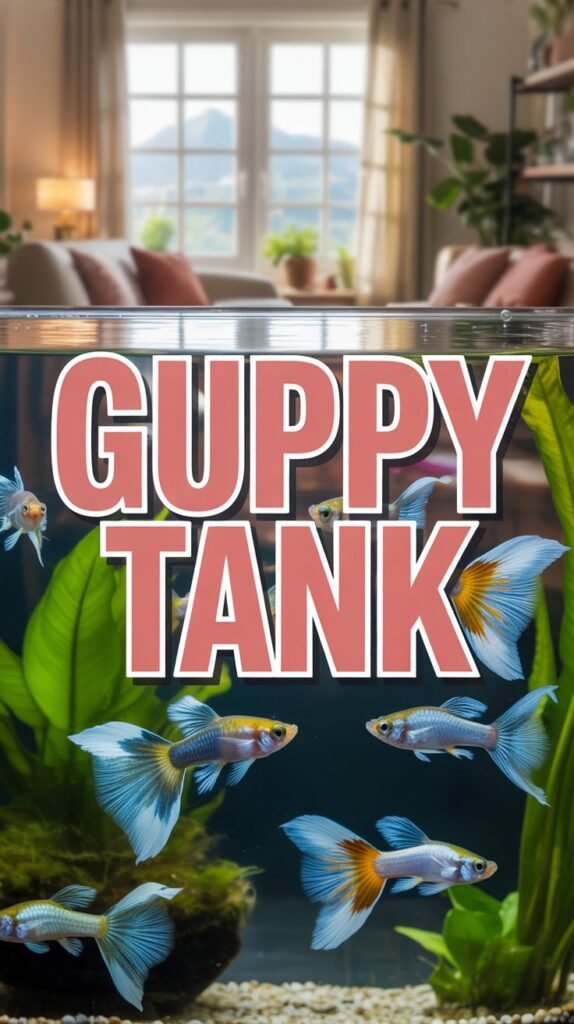
A good filtration system keeps water clean and oxygen levels balanced. Guppies prefer gentle water flow, so avoid overly powerful filters that create strong currents.
Sponge filters are popular for guppy tanks because they provide biological filtration without harming fry. Hang-on-back filters also work well when adjusted to a moderate flow rate.
Proper aeration ensures enough oxygen circulation, especially in tanks with many fish or dense plants. Even simple air stones can improve water movement and create a healthier environment.
Substrate and Decorations for a Natural Guppy Tank
Choosing the right substrate and decorations enhances both the visual appeal and functionality of your aquarium. Fine gravel or sand works well for guppies, allowing easy cleaning and plant growth.
Live plants are highly recommended because they improve water quality and provide shelter for baby guppies. Popular options include Java moss, guppy grass, and floating plants that create shaded areas.
Decorations should be smooth and free of sharp edges, as guppies have delicate fins that can tear easily. A balanced layout with open swimming areas and plant clusters creates a natural environment.
Lighting Setup for a Guppy Tank
Lighting plays a major role in showcasing guppy colors and supporting plant growth. Moderate LED lighting is usually sufficient for most setups.
Too much light can encourage algae growth, while too little light may reduce plant health. A consistent lighting schedule of 6 to 8 hours per day helps maintain balance within the tank.
Natural-looking lighting not only improves aesthetics but also supports the daily rhythm of the fish, reducing stress and promoting active behavior.
Feeding Routine Inside a Guppy Tank
Proper feeding is essential for maintaining energy levels and vibrant colors in guppies. These fish are omnivores, meaning they eat both plant-based and protein-rich foods.
High-quality flakes or micro pellets can form the base diet. Supplementing with live or frozen foods such as brine shrimp or daphnia enhances growth and breeding success.
Small portions given two or three times daily are better than one large feeding. Overfeeding leads to water pollution, which is one of the biggest threats to a healthy guppy tank.
Common Guppy Tank Setup Example
The following table shows a simple and effective guppy tank setup that works well for beginners and intermediate aquarists.
| Tank Element | Recommended Option | Purpose |
|---|---|---|
| Tank Size | 20 Gallons | Stable water conditions |
| Filter | Sponge Filter | Gentle flow and fry safety |
| Heater | Adjustable Heater | Maintains stable temperature |
| Substrate | Fine Gravel | Easy cleaning and plant support |
| Plants | Java Moss, Guppy Grass | Shelter for fry |
| Lighting | LED Light | Enhances color and plant growth |
Tank Mates Compatible with Guppy Tanks
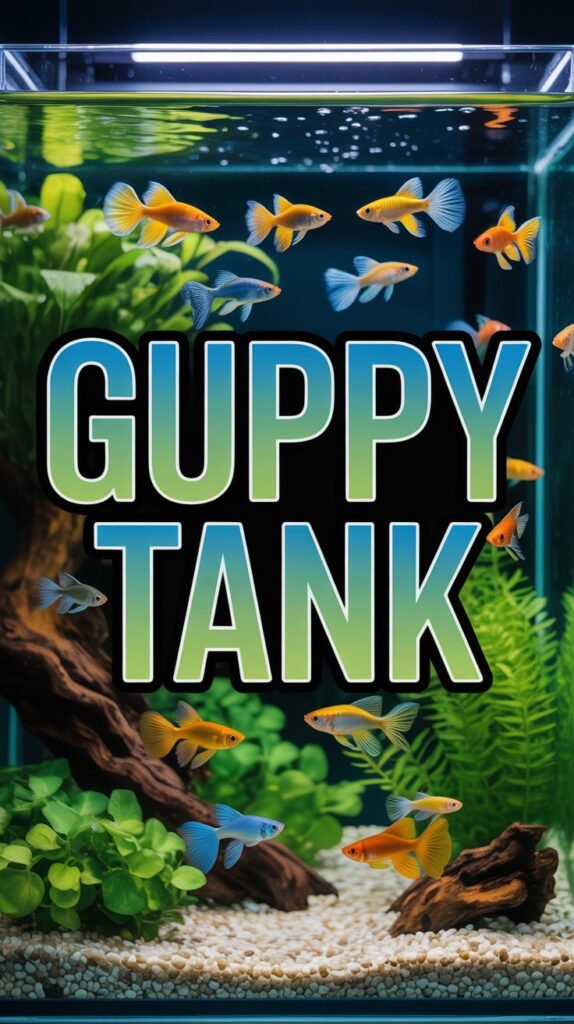
Guppies are peaceful fish and can live with many other species. Choosing compatible tank mates ensures harmony and reduces stress.
Good companions include small tetras, rasboras, corydoras catfish, and peaceful shrimp species. Avoid aggressive fish like large cichlids or fin-nipping species that may damage guppy tails.
Maintaining a balanced male-to-female ratio also helps reduce chasing behavior among guppies.
Breeding Setup in a Guppy Tank
One of the most exciting aspects of keeping guppies is their reproduction. A dedicated breeding section within the tank increases fry survival.
Dense plants provide natural hiding spots for newborns. Some aquarists use breeding boxes, but a heavily planted environment often works just as well.
Female guppies can give birth every few weeks, so it is important to plan ahead for population growth. Separating fry into a nursery tank can help ensure they grow safely without competition for food.
Cleaning and Maintenance Schedule
Regular maintenance keeps a guppy tank healthy and visually appealing. Weekly partial water changes of about 20 to 30 percent are generally recommended.
Cleaning the substrate with a gravel vacuum removes waste while preserving beneficial bacteria. Filters should be rinsed gently in tank water rather than tap water to maintain biological balance.
Observing your fish daily allows you to notice changes in behavior, which can signal water quality issues or early signs of illness.
Common Mistakes When Setting Up a Guppy Tank
Many beginners unknowingly create problems by rushing the setup process. One common mistake is skipping the cycling phase, which leads to unstable water chemistry.
Overcrowding is another frequent issue, especially because guppies reproduce quickly. Providing enough space and maintaining proper ratios prevents stress and disease.
Using overly strong filters or decorations with sharp edges can also harm delicate fins. A gentle and natural setup is always the safest choice.
Advanced Tips for a Professional-Looking Guppy Tank
Experienced aquarists often focus on aesthetics as well as functionality. Creating layers with plants of different heights adds depth and visual interest.
Choosing a dark background enhances the bright colors of guppies and makes them stand out. Balanced aquascaping not only improves the look of the tank but also provides territories and resting areas for fish.
Maintaining consistent water parameters over time is the secret behind thriving guppy tanks. Stability allows guppies to display their best coloration and behavior.
Benefits of Keeping a Guppy Tank at Home
A guppy tank brings life, color, and movement into any space. Watching guppies swim peacefully can be relaxing and stress-reducing. Their active nature makes them fascinating to observe, especially during feeding or breeding.
For beginners, guppy tanks provide an excellent introduction to aquarium care. For advanced hobbyists, selective breeding and aquascaping offer endless creative possibilities.
With proper care, a guppy tank becomes more than just an aquarium. It turns into a living ecosystem that evolves and grows over time.
Frequently Asked Questions About Guppy Tanks
What is the best size for a guppy tank?
A 20-gallon tank is often ideal because it provides stable water conditions and enough space for a small group of guppies.
Do guppies need a heater in their tank?
Yes, maintaining water temperatures between 24 and 28 degrees Celsius helps keep guppies healthy and active.
Can I keep only male guppies in one tank?
Yes, but ensure there is enough space to reduce aggression. Some males may chase each other if the tank is overcrowded.
How often should I clean a guppy tank?
Partial water changes once a week and light maintenance help maintain water quality without disturbing beneficial bacteria.
Are live plants necessary in a guppy tank?
They are not required, but live plants improve water quality, reduce stress, and provide shelter for fry.
Why is my guppy tank getting cloudy?
Cloudiness often comes from overfeeding, poor filtration, or a newly cycling tank. Regular maintenance usually solves the issue.
What fish should not be kept with guppies?
Avoid aggressive or fin-nipping species such as large cichlids or certain barbs that may damage guppy fins.
How many guppies can I keep together?
A common rule is one guppy per gallon of water, but providing more space is always better for long-term health.