
 By admin
A koi aquarium is a unique and beautiful way to enjoy the elegance of koi fish indoors. Koi are famous for their vibrant colors, graceful swimming patterns, and long lifespans. While they are traditionally kept in outdoor ponds, many hobbyists choose to raise young koi or display prized specimens in large indoor aquariums.
Creating a successful koi aquarium requires careful planning, proper filtration, adequate space, and a commitment to maintaining excellent water quality. This guide covers everything you need to know about setting up and maintaining a koi aquarium.
What Are Koi Fish?
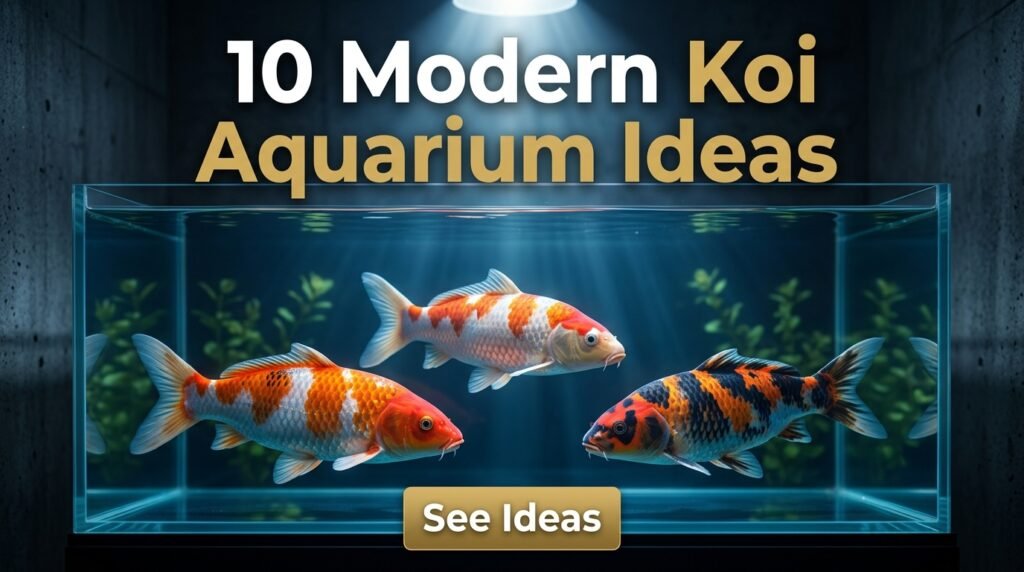
Koi are ornamental varieties of common carp that have been selectively bred for their stunning colors and patterns. They originated in Japan and have become one of the most popular ornamental fish in the world.
Popular koi varieties include:
- Kohaku Koi
- Taisho Sanke
- Showa Sanshoku
- Ogon Koi
- Butterfly Koi
Their beauty and personality make them highly desirable among fish enthusiasts.
Can Koi Live in an Aquarium?
Yes, koi can live in an aquarium, but there are important limitations.
Young koi can thrive in large aquariums for several years. However, because koi grow very large, most eventually require outdoor ponds or extremely large indoor systems.
A koi aquarium is best suited for:
- Juvenile koi
- Temporary indoor housing
- Show-quality specimens
- Large custom aquarium installations
How Big Do Koi Get?
Koi can grow surprisingly large.
Average sizes include:
- Young koi: 4–12 inches
- Adult koi: 18–36 inches
- Exceptional koi: over 36 inches
Growth depends on:
- Genetics
- Water quality
- Nutrition
- Available swimming space
Minimum Aquarium Size for Koi
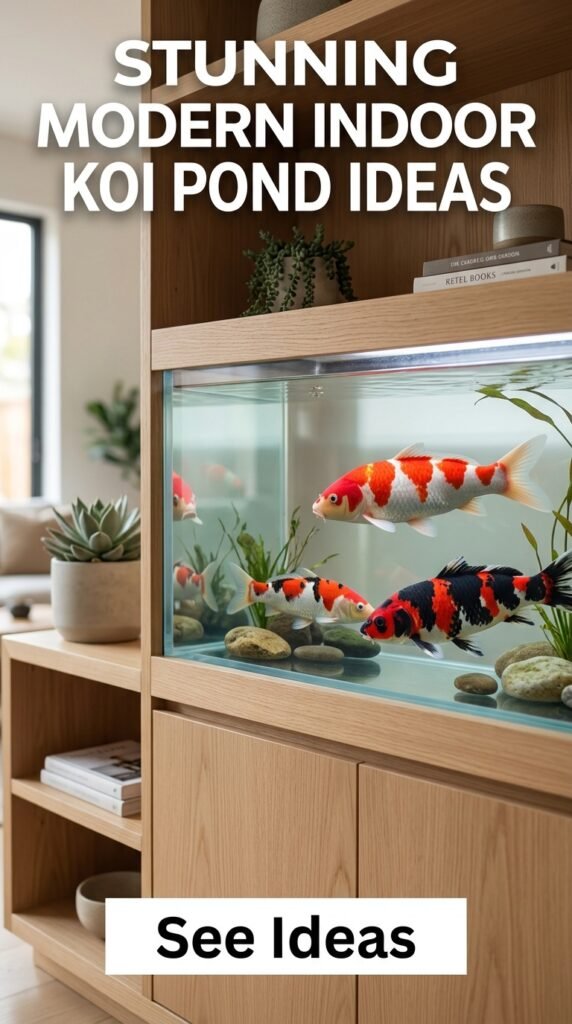
One of the biggest mistakes beginners make is underestimating the space koi need.
Recommended sizes:
Single Juvenile Koi
- Minimum 75 gallons
Multiple Juvenile Koi
- 125–200 gallons or more
Adult Koi
- Pond or very large custom aquarium
The larger the aquarium, the healthier and more comfortable the koi will be.
Benefits of a Koi Aquarium
Close Observation
Indoor aquariums allow detailed viewing of koi colors and patterns.
Protection from Predators
Indoor systems protect koi from birds and other predators.
Year-Round Enjoyment
You can enjoy koi regardless of weather conditions.
Decorative Appeal
A koi aquarium creates a stunning focal point in homes, offices, and commercial spaces.
Choosing the Right Aquarium
When selecting a koi aquarium, prioritize swimming space.
Long Tanks
Long aquariums are generally better than tall tanks because koi are active swimmers.
Large Footprint
A larger surface area improves oxygen exchange and provides more room for movement.
Strong Construction
Large aquariums require durable materials and sturdy stands.
Filtration Requirements
Koi produce significant amounts of waste.
A powerful filtration system is essential.
Mechanical Filtration
Removes solid waste and debris.
Biological Filtration
Supports beneficial bacteria that process harmful ammonia.
Chemical Filtration
Can help remove impurities and maintain water clarity.
Oversized filtration is strongly recommended for koi aquariums.
Water Parameters
Maintaining stable water conditions is critical.
Ideal Conditions
- Temperature: 65–75°F (18–24°C)
- pH: 7.0–8.5
- Ammonia: 0 ppm
- Nitrite: 0 ppm
- Nitrate: as low as possible
Regular testing helps maintain optimal conditions.
Aquarium Décor for Koi
Koi appreciate open swimming space.
Avoid overcrowding the aquarium with decorations.
Suitable Decorations
- Smooth rocks
- Large driftwood pieces
- Minimalist aquascaping
- Open layouts
Avoid
- Sharp decorations
- Tight caves
- Excessive clutter
Best Substrate for Koi Aquariums
Many koi keepers prefer bare-bottom tanks because they are easier to clean.
Other options include:
Fine Gravel
Easy maintenance and natural appearance.
Sand
Creates a pond-like look but requires regular cleaning.
Bare Bottom
Provides the simplest maintenance routine.
Plants for Koi Aquariums
Koi often nibble on plants, making plant selection challenging.
More durable options include:
- Anubias
- Java fern
- Hornwort
Even hardy plants may occasionally be damaged by curious koi.
Feeding Koi in an Aquarium
A balanced diet supports healthy growth and vibrant colors.
Common Foods
- Koi pellets
- Wheat germ foods
- Vegetable supplements
- Occasional treats
Feed only what the fish can consume within a few minutes.
Tank Mates for Koi
Because koi grow large, compatible tank mates must be chosen carefully.
Potential companions include:
- Goldfish
- Plecostomus (in large systems)
Avoid aggressive or very small fish.
Koi Aquarium Aquascaping Ideas
Japanese Garden Theme
Features:
- Smooth stones
- Minimal décor
- Open water
Pond-Inspired Layout
Replicates a traditional koi pond.
Zen Aquarium
Emphasizes simplicity and balance.
Modern Minimalist Design
Focuses attention on the koi themselves.


5
Maintenance Schedule
Weekly Tasks
- Partial water changes
- Glass cleaning
- Water testing
Monthly Tasks
- Filter maintenance
- Equipment inspection
Consistent maintenance keeps koi healthy and water crystal clear.
Common Problems in Koi Aquariums
Overcrowding
Too many koi can quickly overwhelm filtration systems.
Poor Water Quality
Koi are sensitive to ammonia and nitrite buildup.
Insufficient Swimming Space
Restricted movement can affect health and development.
Overfeeding
Excess food increases waste and water quality issues.
Indoor Aquarium vs. Outdoor Pond
Aquarium Advantages
- Easier observation
- Predator protection
- Climate control
Pond Advantages
- More swimming space
- Natural environment
- Better long-term housing for adult koi
Most adult koi ultimately thrive best in ponds.
Why Koi Are So Popular
Koi symbolize beauty, perseverance, and prosperity in many cultures. Their graceful movements, striking patterns, and interactive personalities make them some of the most admired ornamental fish in the world.
With proper care, koi can live for decades and become cherished aquatic companions.
Conclusion
A koi aquarium can be a stunning addition to any home or office when designed with the fish’s needs in mind. Large aquariums, powerful filtration, excellent water quality, and ample swimming space are essential for success.
While young koi can thrive in spacious indoor aquariums, many eventually require ponds or larger systems as they grow. By planning ahead and providing proper care, you can enjoy the beauty and elegance of koi in a healthy and rewarding aquarium environment.
Frequently Asked Questions
Can koi live permanently in an aquarium?
Small koi can live in aquariums for several years, but most adults eventually need much larger systems or ponds.
What size aquarium do koi need?
A single juvenile koi should have at least 75 gallons, while larger groups require significantly more space.
Are koi difficult to care for?
Koi are hardy fish, but they require excellent filtration, regular maintenance, and adequate space.
Can koi live with goldfish?
Yes, Goldfish and koi can often coexist successfully in appropriately sized systems.
How long do koi live?
With proper care, koi can live for several decades, and some exceptional specimens have lived for much longer.