
 By admin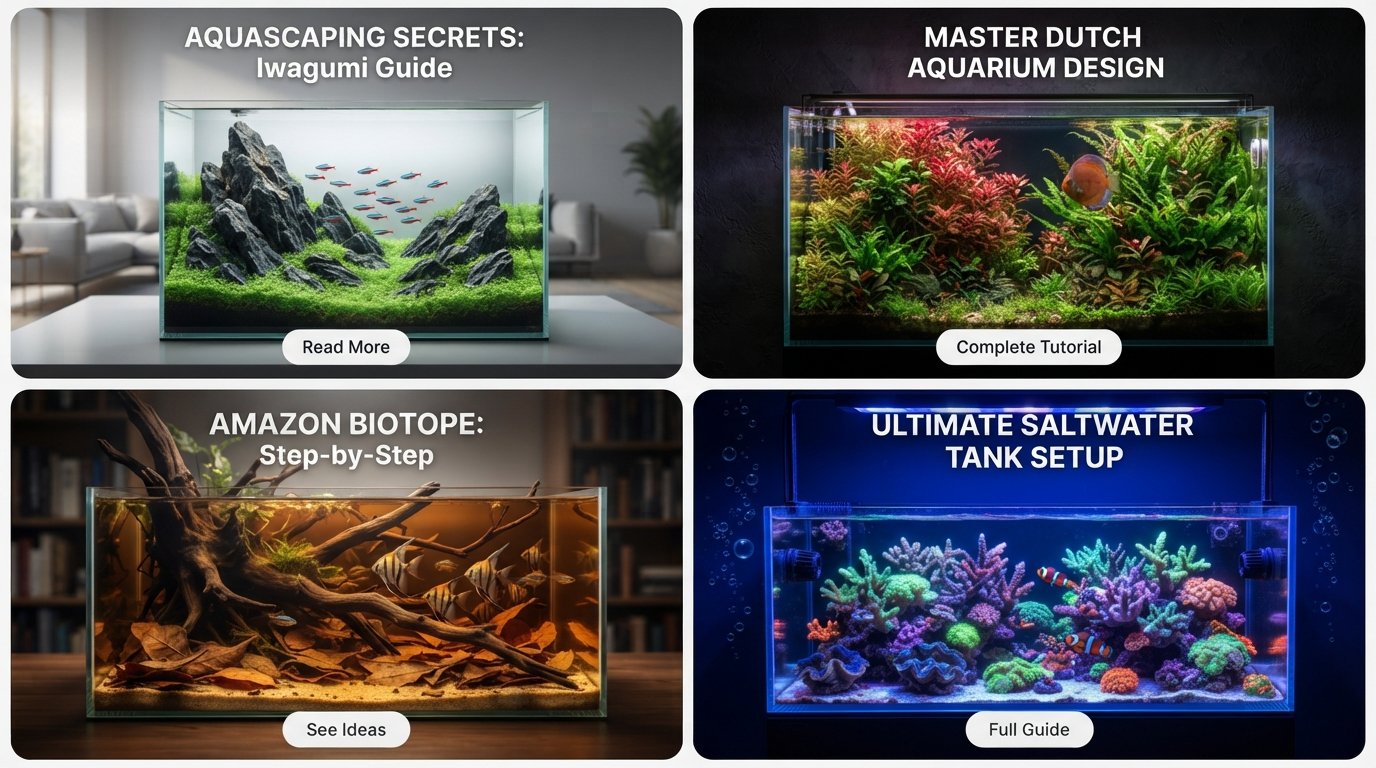
An aquarium tank design can transform a simple fish tank into a stunning centerpiece for your home, office, bedroom, or living room. The best designs combine attractive aquascaping with the practical needs of fish, plants, filtration, and maintenance.
Whether you prefer a minimalist aquarium, lush planted tank, dramatic rockscape, or modern custom design, there are countless ways to create an underwater environment that looks natural and feels unique.
What Makes a Good Aquarium Tank Design?
A successful aquarium design should balance beauty and functionality.
Important elements include:
- Suitable tank size
- Safe hardscape materials
- Appropriate substrate
- Live plants
- Compatible fish
- Proper filtration
- Good lighting
- Open swimming space
- Easy maintenance access
A beautiful aquarium should always provide a healthy environment for its inhabitants.
Minimalist Aquarium Design
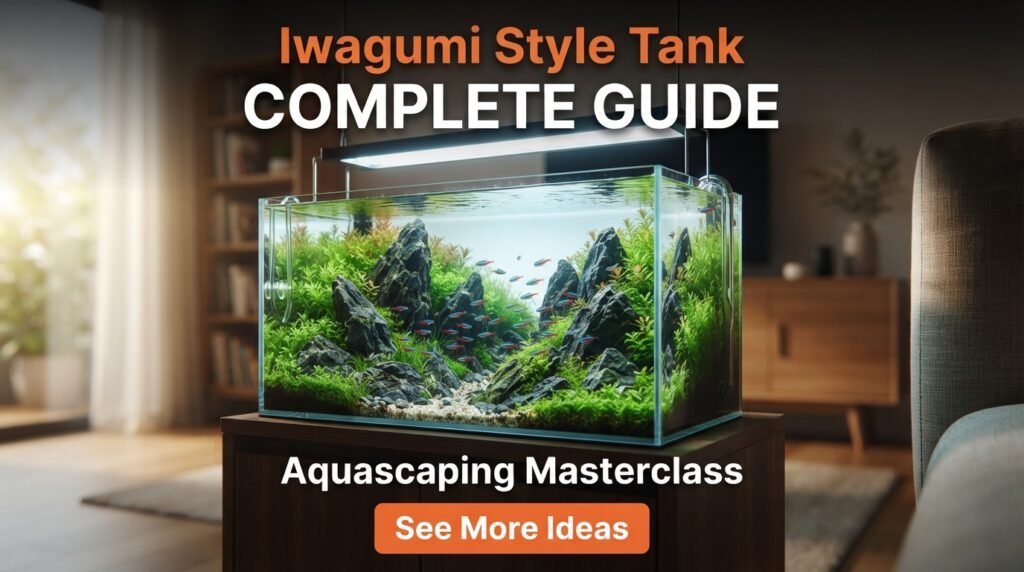
A minimalist aquarium uses a small number of carefully selected elements.
Consider:
- One main piece of driftwood
- A few large rocks
- Low-growing plants
- Simple substrate
- Open swimming areas
This design works especially well with rimless glass aquariums and modern interiors.
Nature Aquarium Design
The nature aquarium style recreates natural landscapes such as forests, rivers, and mountain valleys.
Popular elements include:
- Driftwood
- River stones
- Aquatic moss
- Carpet plants
- Background plants
- Natural-colored substrate
Arrange the hardscape so the aquarium looks like a miniature landscape rather than a collection of decorations.
Rockscape Aquarium
A rockscape makes stones the primary visual feature.
Design ideas include:
- Mountain slopes
- Rocky valleys
- Cliffs
- Caves
- Island formations
Use different rock sizes to create depth while leaving enough room for fish to swim.
Driftwood Aquarium
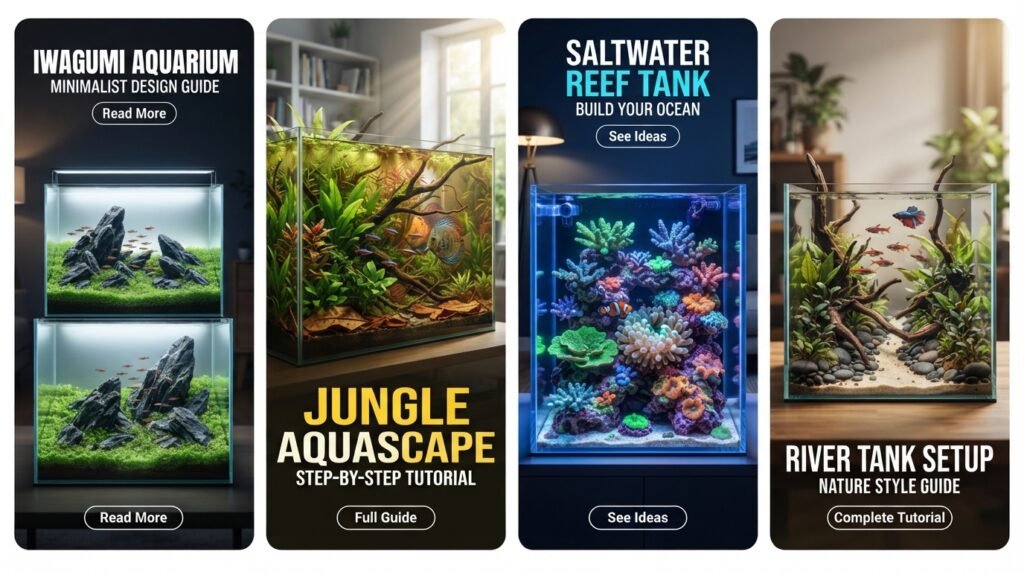
Driftwood can create a dramatic natural centerpiece.
Try designs such as:
- Forest roots
- Fallen tree branches
- Mangrove-style roots
- Central tree structure
- Winding branches
Attach aquarium-safe moss or epiphytic plants to the wood for a more natural appearance.
Jungle Aquarium
A jungle-style tank emphasizes dense vegetation.
Use:
- Tall background plants
- Broad-leaf plants
- Moss
- Floating plants
- Driftwood
- Dark substrate
Allow some plants to grow naturally rather than trimming everything into perfect shapes.
Planted Aquarium Design
A planted aquarium can be designed around the needs of aquatic plants.
Popular plant groups include:
- Foreground carpet plants
- Midground plants
- Tall background plants
- Mosses
- Floating plants
Layering plants by height creates depth and makes the tank appear larger.
Blackwater Aquarium Design
A blackwater aquarium can recreate the appearance of tropical forest streams.
Use:
- Dark substrate
- Driftwood
- Dried leaves suitable for aquariums
- Soft lighting
- Tannins
This design can be particularly attractive with fish from naturally tannin-rich environments.
Nano Aquarium Design
Small aquariums can still have impressive layouts.
Ideas include:
- Miniature forests
- Tiny rock mountains
- Moss gardens
- Shrimp landscapes
- Small river scenes
Keep the hardscape proportionate to the aquarium and avoid overcrowding.
Large Aquarium Design
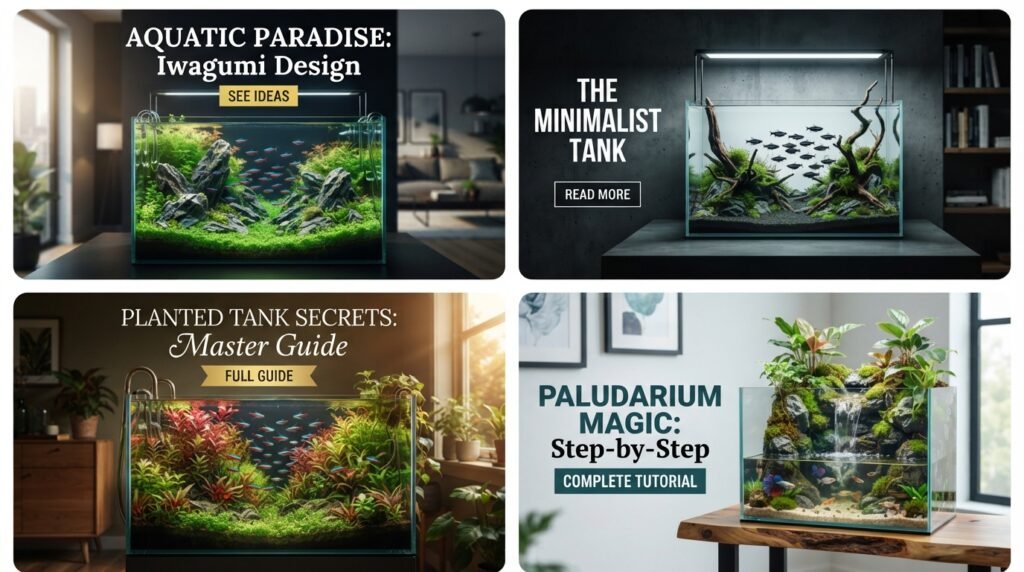
Large tanks offer greater creative freedom.
You can create:
- Large underwater forests
- Rock formations
- River valleys
- Multi-level landscapes
- Large community habitats
Large aquariums also allow more swimming space and can accommodate appropriately selected larger fish.
Modern Aquarium Design
For contemporary interiors, consider:
- Rimless glass
- Minimalist hardscape
- Neutral substrate
- Hidden equipment
- Clean cabinet lines
- Controlled lighting
A simple layout often creates a more luxurious appearance than a heavily decorated tank.
Aquarium Wall Design
A built-in aquarium can become part of the architecture of a room.
Possible locations include:
- Living room walls
- Room dividers
- Hallways
- Home offices
- Kitchen partitions
Structural support, ventilation, plumbing, electrical access, and maintenance access should be planned before installation.
Aquarium Room Divider
A double-sided aquarium can separate two areas while maintaining an open feeling.
It can divide:
- Living room and dining area
- Kitchen and living room
- Office and lounge
- Bedroom and sitting area
Make sure both sides provide sufficient access for maintenance.
Corner Aquarium Design
A corner aquarium makes excellent use of unused space.
Combine the tank with:
- A custom corner cabinet
- Low-maintenance plants
- Soft lighting
- Minimal decorations
Corner setups can work particularly well in smaller rooms.
Fish Tank Background Ideas
The background can dramatically change the appearance of an aquarium.
Popular choices include:
- Black background
- Frosted background
- Natural rock background
- Dense plants
- Open glass
- Dark blue background
Black and frosted backgrounds can make colorful fish and green plants stand out.
Substrate Design
Substrate helps establish the visual foundation of the aquascape.
Options include:
- Natural gravel
- Black gravel
- Fine sand
- Aquasoil
- Light-colored sand
You can create visual pathways by combining different substrate colors or textures, provided the materials are aquarium-safe.
Lighting Design
Lighting should match the aquarium’s inhabitants and plants.
Consider:
- Full-spectrum LED lighting
- Adjustable brightness
- Programmable timers
- Sunrise and sunset effects
- Low-light settings
Avoid excessive lighting, which can encourage algae growth.
Fish Selection
Choose fish based on the aquarium’s size, water parameters, behavior, and compatibility.
Popular choices include:
- Guppies
- Tetras
- Rasboras
- Corydoras
- Gouramis
- Angelfish
- Mollies
- Platies
Never select fish solely because they match the tank’s colors or design.
Aquarium Tank Design Ideas by Room
| Room | Design Idea | Recommended Style |
|---|---|---|
| Living Room | Large centerpiece | Planted or nature aquarium |
| Bedroom | Small relaxing display | Minimalist nano tank |
| Office | Desk or cabinet aquarium | Modern aquascape |
| Kitchen | Compact display | Simple planted tank |
| Entryway | Statement aquarium | Rimless or custom tank |
| Dining Room | Large feature tank | Natural community aquarium |
Maintenance-Friendly Design
A beautiful aquarium should also be easy to maintain.
Leave space around:
- Filter equipment
- Heater
- Lighting
- Aquarium lid
- Feeding area
- Cleaning tools
Avoid creating inaccessible areas where debris can accumulate.
Common Aquarium Design Mistakes
Overcrowding the Tank
Too many decorations can reduce swimming space and make maintenance difficult.
Ignoring Fish Requirements
The design should be built around the needs of the fish rather than appearance alone.
Poor Hardscape Placement
Unstable rocks or wood can collapse and injure fish.
Too Much Lighting
Excessive light can lead to algae problems.
Choosing Unsafe Decorations
Only use materials known to be aquarium-safe.
How to Create Depth
You can make an aquarium appear larger by:
- Placing larger objects toward the back.
- Using smaller rocks and plants toward the front.
- Creating a clear focal point.
- Leaving open space around the main feature.
- Using plants of different heights.
- Creating a pathway that narrows toward the background.
These techniques create a stronger sense of perspective.
Conclusion
A successful aquarium tank design combines creativity, natural beauty, and practical fishkeeping. From minimalist nano tanks and lush jungle aquariums to dramatic rockscapes and large built-in displays, the possibilities are almost endless.
Start with the needs of your fish and plants, choose safe materials, create a balanced layout, and leave enough space for maintenance. With thoughtful planning, even a simple aquarium can become an impressive underwater landscape.
Frequently Asked Questions
What is the best aquarium design for beginners?
A simple planted aquarium with hardy plants, natural rocks or driftwood, and peaceful community fish is a good starting point.
How can I make my aquarium look bigger?
Use smaller decorations toward the back, create a pathway, use plants of different heights, and avoid filling every area with hardscape.
What is the most popular aquascaping style?
Nature-style aquascaping, minimalist layouts, jungle aquariums, and rock-focused designs are all popular choices.
Should I use live plants?
Live plants are an excellent choice because they provide natural beauty, shelter, and nutrient uptake while contributing to a healthy aquarium ecosystem.
What size aquarium is easiest to maintain?
Very small tanks can change rapidly in temperature and water chemistry. For many beginners, a moderately sized aquarium provides more stability than a tiny nano tank.
How often should an aquarium be redesigned?
There is usually no need to redesign a healthy aquarium frequently. Make gradual changes when necessary and prioritize stable water conditions for the fish and plants.