
 By admin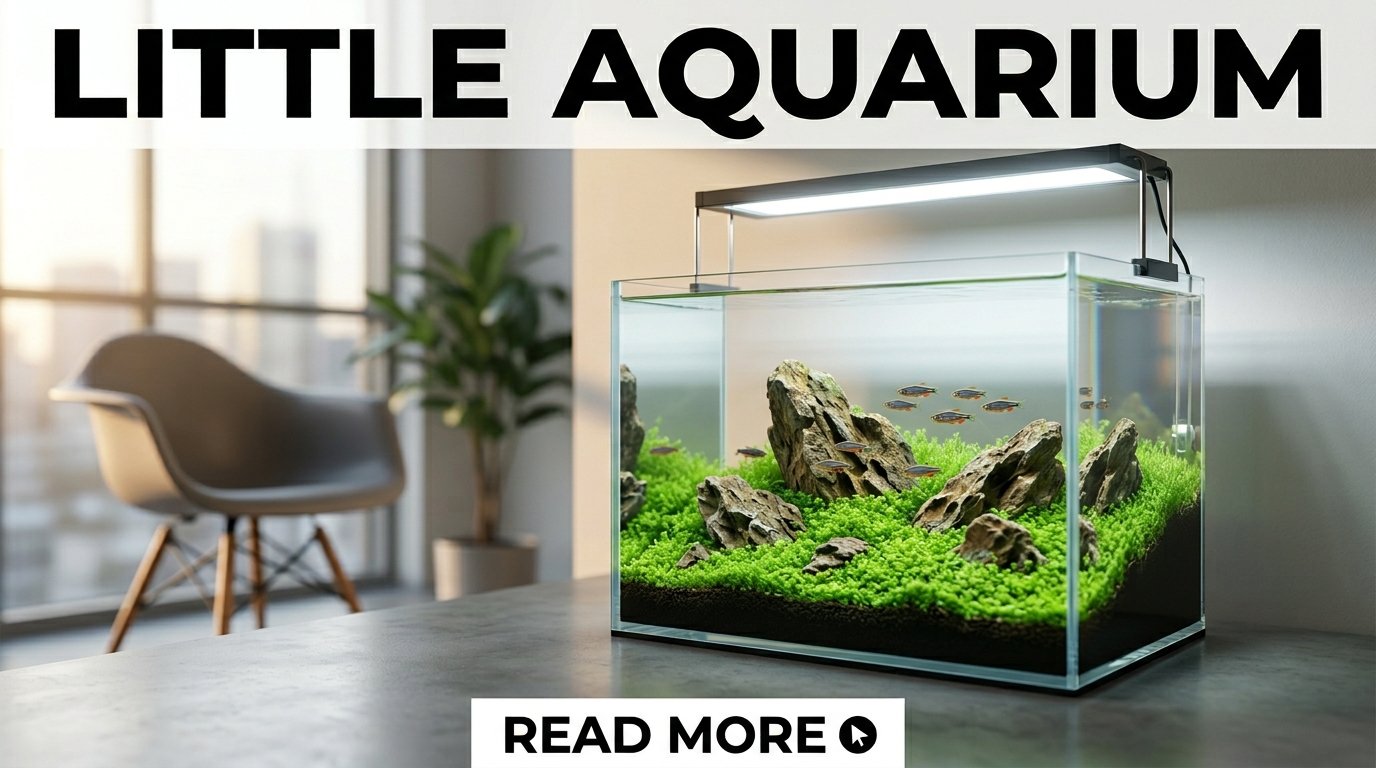
A little aquarium is a perfect way to bring the beauty of underwater life into your home without needing a large amount of space. Whether you live in an apartment, have a small office, or simply want a compact aquatic display, a little aquarium can provide relaxation, decoration, and a rewarding hobby. Modern small aquariums are available in many styles and can be designed to house colorful fish, aquatic plants, shrimp, and other fascinating aquatic creatures.
In this comprehensive guide, you will learn everything about setting up, maintaining, and decorating a little aquarium while ensuring a healthy environment for your aquatic pets.
What Is a Little Aquarium?
A little aquarium is a small-sized fish tank typically ranging from 2 to 20 gallons. These compact aquariums are designed for limited spaces and are ideal for beginners and experienced aquarists alike. Despite their smaller size, little aquariums can create stunning underwater ecosystems when properly planned and maintained.
Many people choose little aquariums because they are affordable, easy to fit into homes, and offer endless customization possibilities.
Benefits of a Little Aquarium
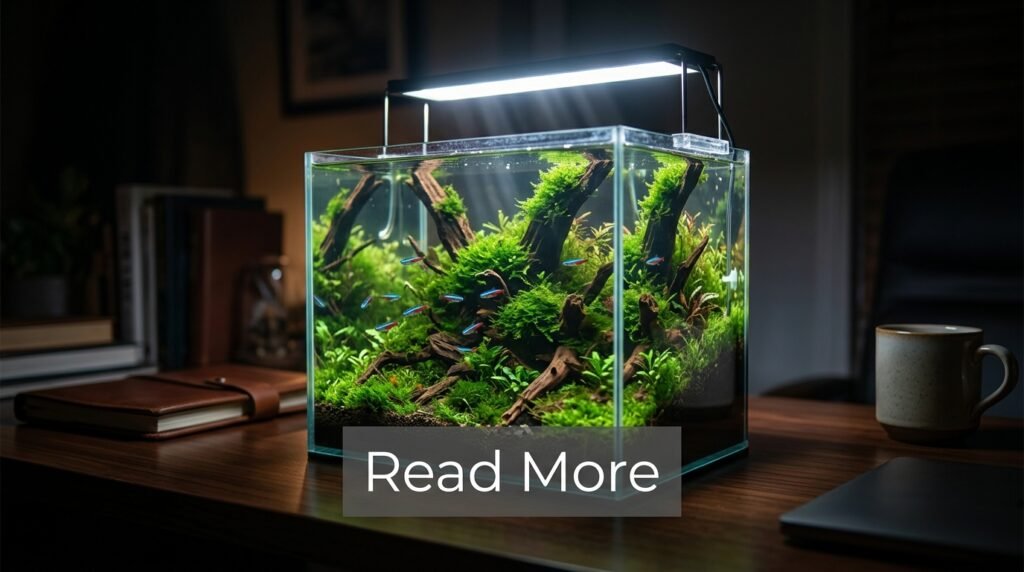
There are numerous reasons why little aquariums have become increasingly popular among fish enthusiasts.
Space Saving
One of the biggest advantages of a little aquarium is its compact size. It can easily fit on desks, countertops, bookshelves, or bedside tables.
Affordable Setup
Compared to larger aquariums, little aquariums require less equipment, fewer decorations, and lower maintenance costs.
Attractive Home Decor
A well-designed little aquarium adds beauty and elegance to any room. The movement of fish and plants creates a calming atmosphere.
Stress Reduction
Studies suggest that watching fish swim can help reduce stress and promote relaxation.
Easy to Personalize
Little aquariums allow owners to experiment with different aquascaping styles, decorations, and fish species.
Choosing the Right Little Aquarium
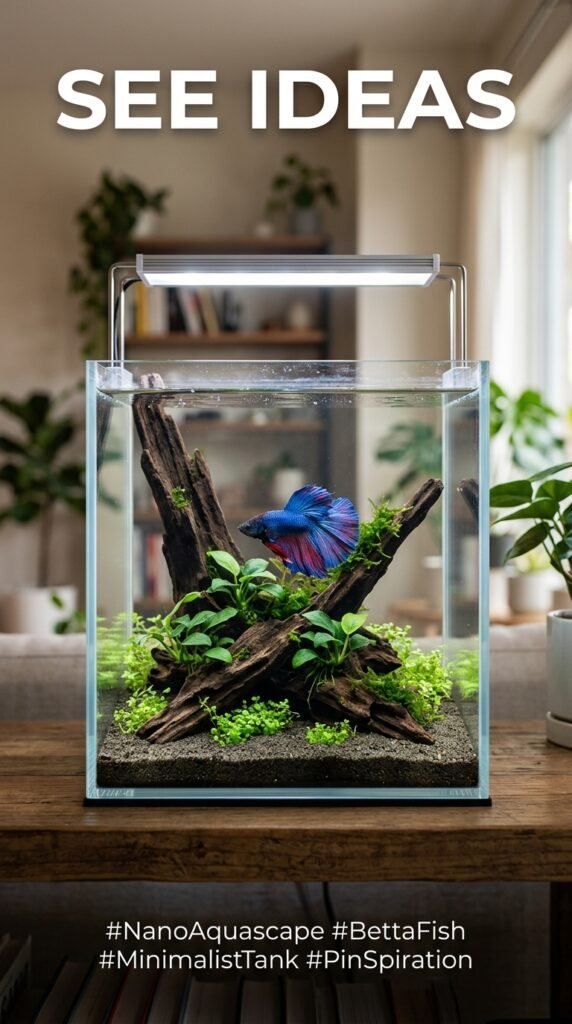
Selecting the proper aquarium is the first step toward success.
Glass Aquariums
Glass tanks provide excellent clarity and resist scratching. They are durable and ideal for long-term use.
Acrylic Aquariums
Acrylic tanks are lightweight and less likely to crack. They often come in unique shapes and modern designs.
Rimless Aquariums
Rimless little aquariums offer a sleek and contemporary appearance. They are popular among aquascaping enthusiasts.
All-in-One Aquariums
These setups include built-in filtration, lighting, and sometimes heaters, making them convenient for beginners.
Best Size for a Little Aquarium
Although many tanks are marketed as mini aquariums, larger small tanks are often easier to maintain.
Popular sizes include:
- 2.5 gallons
- 5 gallons
- 10 gallons
- 15 gallons
- 20 gallons
For beginners, a 5 to 10-gallon aquarium is usually the best choice because water parameters remain more stable.
Essential Equipment for a Little Aquarium
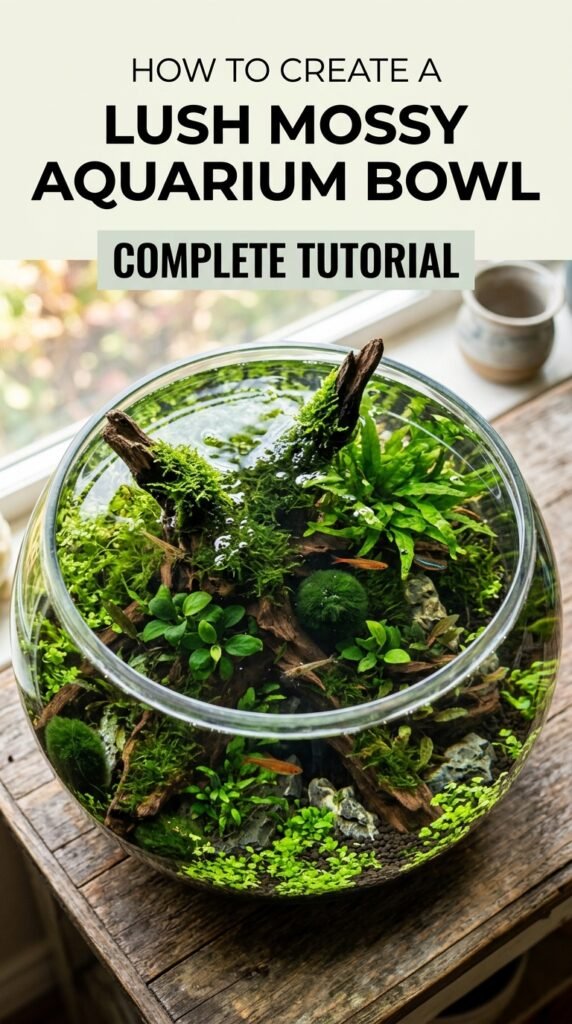
Proper equipment ensures a healthy environment for fish and plants.
Aquarium Filter
A filter removes waste, debris, and harmful substances from the water. Even the smallest aquariums benefit from filtration.
Common filter types include:
- Sponge filters
- Hang-on-back filters
- Internal filters
Aquarium Heater
Many tropical fish require stable temperatures between 75°F and 80°F (24°C to 27°C).
A small adjustable heater helps maintain the correct temperature.
Aquarium Lighting
Good lighting enhances the appearance of fish and supports plant growth.
LED lights are energy-efficient and long-lasting.
Thermometer
A thermometer helps monitor water temperature and prevent sudden fluctuations.
Water Conditioner
Tap water often contains chlorine and chloramine. Water conditioners neutralize these chemicals and make water safe for fish.
Cycling a Little Aquarium
Before adding fish, the aquarium must complete the nitrogen cycle.
The nitrogen cycle establishes beneficial bacteria that convert harmful waste into safer compounds.
Cycling Steps
- Set up the aquarium.
- Add substrate and decorations.
- Fill with conditioned water.
- Start the filter and heater.
- Introduce an ammonia source.
- Test water regularly.
- Wait until ammonia and nitrite reach zero.
Cycling usually takes 3 to 6 weeks.
Best Fish for a Little Aquarium
Choosing suitable fish is crucial because small tanks have limited space.
Betta Fish
Betta fish are among the most popular choices for little aquariums.
Benefits include:
- Vibrant colors
- Easy care
- Solitary nature
- Suitable for 5-gallon tanks
Guppies
Guppies are colorful, active, and beginner-friendly.
They thrive in planted little aquariums and come in numerous varieties.
Endler’s Livebearers
These small fish are closely related to guppies and display brilliant colors.
Chili Rasboras
Chili rasboras remain tiny and are excellent for nano aquariums.
Celestial Pearl Danios
These attractive fish feature spotted patterns and vibrant coloration.
White Cloud Mountain Minnows
These hardy fish tolerate a wide range of conditions.
Shrimp for Little Aquariums
Freshwater shrimp make fascinating additions to small aquariums.
Popular species include:
- Cherry Shrimp
- Blue Dream Shrimp
- Amano Shrimp
- Crystal Red Shrimp
Shrimp help consume algae and leftover food while adding visual interest.
Snails for Little Aquariums
Snails can serve as cleanup crews.
Common options include:
- Nerite Snails
- Mystery Snails
- Ramshorn Snails
- Malaysian Trumpet Snails
They assist in controlling algae and consuming organic waste.
Best Plants for a Little Aquarium
Live plants improve water quality and create a natural environment.
Java Moss
Java moss is beginner-friendly and thrives under various conditions.
Anubias
Anubias grows slowly and requires minimal maintenance.
Java Fern
Java fern adapts well to low-light aquariums.
Cryptocoryne
These plants come in various sizes and colors.
Dwarf Sagittaria
Dwarf sagittaria creates attractive grassy carpets.
Amazon Frogbit
Floating plants like Amazon frogbit provide shade and absorb excess nutrients.
Little Aquarium Aquascaping Ideas
Aquascaping transforms a simple tank into a living work of art.
Nature Style
Inspired by natural rivers and streams, this style uses rocks, driftwood, and lush plants.
Iwagumi Style
Iwagumi focuses on carefully arranged stones and minimalist layouts.
Jungle Style
Dense plant growth creates a wild and natural appearance.
Shrimp Paradise
A shrimp-focused aquascape includes mosses, caves, and hiding spaces.
Minimalist Design
Simple hardscape arrangements highlight fish and open swimming areas.
Substrate Options
The substrate forms the foundation of your aquarium.
Gravel
Gravel is affordable, easy to clean, and available in various colors.
Sand
Sand creates a natural appearance and suits many fish species.
Aquasoil
Aquasoil supports plant growth by providing nutrients.
Mixed Substrate
Combining materials can create unique visual effects.
Decorating a Little Aquarium
Decorations make aquariums more appealing and functional.
Popular decorations include:
- Driftwood
- Natural rocks
- Ceramic caves
- Mini castles
- Artificial plants
- Floating ornaments
Always choose aquarium-safe decorations.
Feeding Fish in a Little Aquarium
Proper feeding is essential for fish health.
Suitable Foods
- Flake food
- Pellets
- Frozen food
- Live food
- Vegetable supplements
Feeding Tips
Feed only what fish can consume within two minutes.
Overfeeding can cause water quality problems.
Water Parameters for a Little Aquarium
Maintaining stable water conditions is vital.
Temperature
Most tropical fish prefer temperatures between 75°F and 80°F.
pH
A pH range of 6.5 to 7.8 works for many freshwater species.
Ammonia
Ammonia should always remain at zero.
Nitrite
Nitrite should also remain at zero.
Nitrate
Keep nitrate levels below 20 to 40 ppm through water changes.
Little Aquarium Maintenance Guide
Regular maintenance keeps the aquarium healthy and attractive.
Weekly Tasks
- Change 20–30% of the water
- Clean algae from glass
- Remove debris
- Check equipment
Monthly Tasks
- Inspect filter media
- Trim plants
- Test water parameters
- Deep clean decorations if necessary
Consistency is key to long-term success.
Common Mistakes to Avoid
Overcrowding
Adding too many fish is one of the most common mistakes in little aquariums.
Overfeeding
Excess food decomposes and pollutes the water.
Skipping Water Changes
Regular water changes are essential for maintaining water quality.
Adding Fish Too Early
Never add fish before the aquarium completes the cycling process.
Ignoring Water Testing
Testing helps detect problems before they become serious.
Creating a Little Aquarium for Kids
Little aquariums can be educational and entertaining for children.
Benefits include:
- Learning responsibility
- Understanding ecosystems
- Developing observation skills
- Encouraging appreciation for nature
Adult supervision is recommended for maintenance tasks.
Office Little Aquarium Ideas
A little aquarium can improve office aesthetics and create a relaxing environment.
Ideal office setups include:
- Betta aquariums
- Shrimp tanks
- Planted nano aquariums
- Minimalist desktop aquariums
Choose quiet equipment to minimize distractions.
Budget-Friendly Little Aquarium Setup
Creating an attractive aquarium does not have to be expensive.
Money-saving tips include:
- Buying starter kits
- Using easy-care plants
- Choosing hardy fish
- Purchasing second-hand equipment
- Starting with a simple design
Even a modest setup can look stunning when properly maintained.
Why Little Aquariums Are So Popular
The popularity of little aquariums continues to grow because they combine beauty, affordability, and convenience. They fit modern lifestyles while providing an enjoyable and rewarding hobby. Whether you prefer colorful fish, vibrant plants, or elegant aquascapes, a little aquarium offers endless opportunities for creativity.
Conclusion
A little aquarium is an excellent choice for anyone who wants to enjoy the beauty of aquatic life in a compact space. With proper planning, suitable equipment, and consistent maintenance, even the smallest aquarium can become a thriving underwater ecosystem. From colorful betta fish and guppies to lush aquatic plants and creative aquascaping designs, a little aquarium provides endless enjoyment while enhancing the beauty of your home or office.
By choosing the right tank, maintaining stable water conditions, and selecting compatible fish and plants, you can create a healthy and visually stunning little aquarium that will bring relaxation and satisfaction for years to come.
Frequently Asked Questions
How big should a little aquarium be?
A 5 to 10-gallon aquarium is ideal for most beginners because it offers greater stability while still remaining compact.
Can a little aquarium have live plants?
Yes, many live plants such as Java Moss, Anubias, and Java Fern thrive in little aquariums.
How often should I clean a little aquarium?
Perform a 20–30% water change every week and clean algae as needed.
What fish are best for a little aquarium?
Bettas, guppies, Endler’s livebearers, chili rasboras, and celestial pearl danios are excellent choices.
Is a filter necessary for a little aquarium?
Yes, a filter helps maintain water quality and supports beneficial bacteria.
Can shrimp live in a little aquarium?
Absolutely. Cherry shrimp, Amano shrimp, and Blue Dream shrimp are popular choices for small tanks.
How long does it take to cycle a little aquarium?
The cycling process typically takes between 3 and 6 weeks.
Are little aquariums suitable for beginners?
Yes, little aquariums can be beginner-friendly when properly set up and maintained. A 5 to 10-gallon tank is usually the easiest small aquarium for new hobbyists.