
 By admin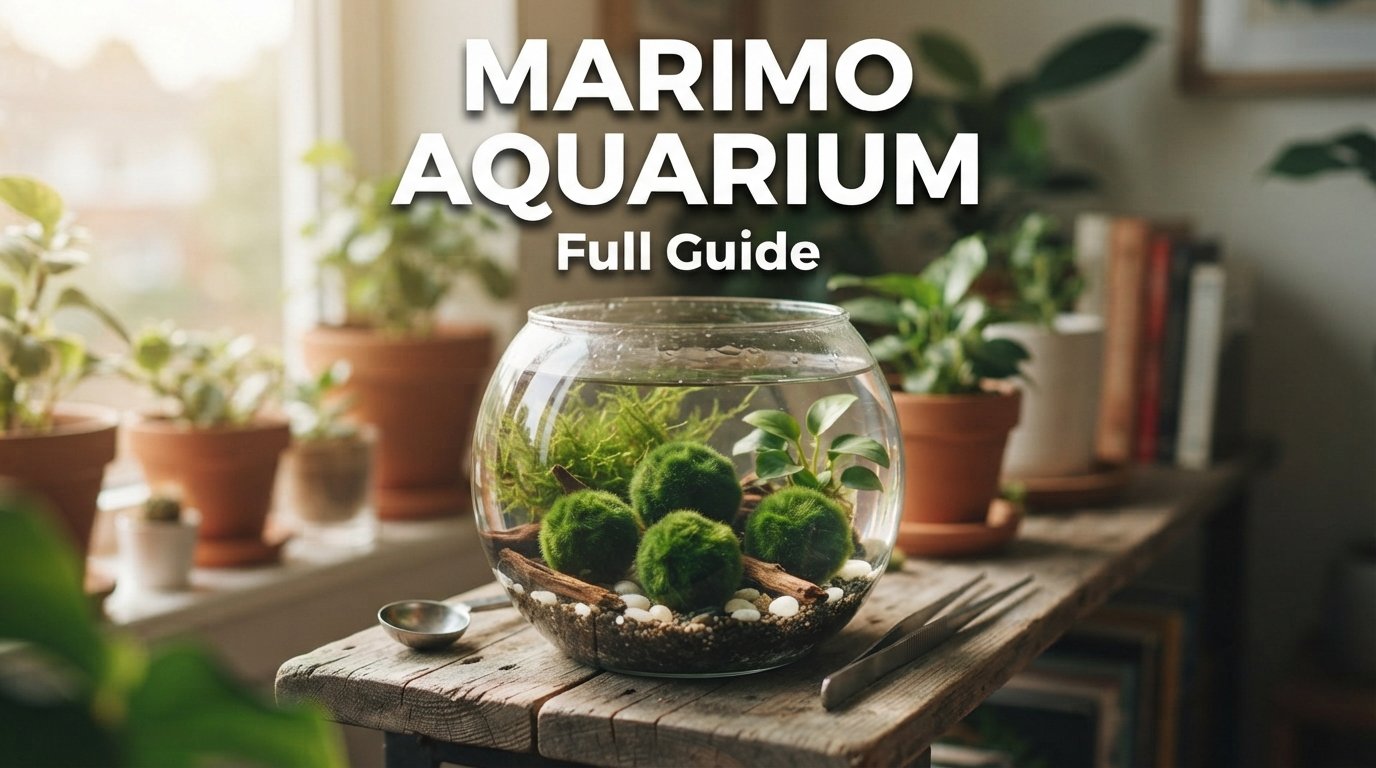
A marimo aquarium is a small aquatic setup featuring marimo moss balls as the main decorative element. Their soft green color, rounded shape, and slow-growing nature make them popular for minimalist aquariums, shrimp tanks, and peaceful freshwater displays.
Despite the name “marimo moss ball,” marimo are actually spherical colonies of filamentous green algae rather than true moss.
What Is a Marimo Aquarium?
A marimo aquarium is an aquatic setup designed around marimo algae balls. They can be kept in freshwater aquariums alongside compatible fish, shrimp, and snails.
A simple setup can include:
- Marimo balls
- Aquarium-safe substrate
- Smooth stones
- Driftwood
- Live plants
- Gentle filtration
- Appropriate aquarium lighting
Marimo work especially well in simple layouts because their unusual round shape naturally becomes a focal point.
Simple Marimo Aquarium
For a minimalist design, use a clear aquarium with:
- Fine natural gravel
- Two or three marimo balls
- A few smooth stones
- One small piece of driftwood
Leave plenty of open space around the marimo so their shape remains visually prominent.
Marimo Shrimp Aquarium
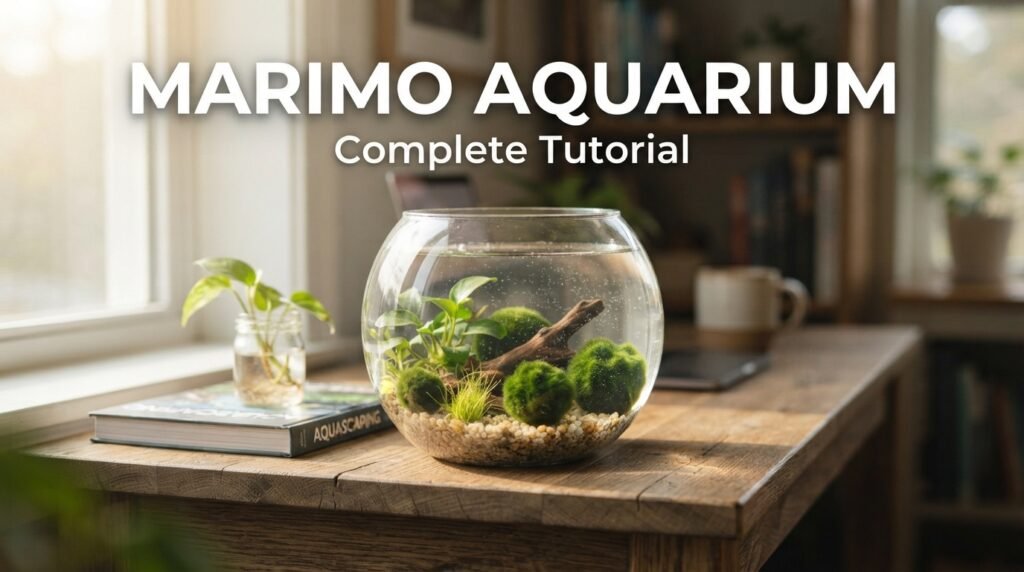
Marimo and freshwater shrimp can create an attractive combination.
Shrimp may climb across the marimo and graze on microorganisms growing on their surfaces.
A shrimp-focused setup can include:
- Marimo
- Java Moss
- Small driftwood
- Smooth rocks
- Dark substrate
- Gentle sponge filtration
Make sure the aquarium is properly cycled before introducing shrimp.
Marimo Betta Aquarium
A marimo aquarium can also be designed for a betta, provided the tank is appropriately sized and equipped.
Combine marimo with:
- Anubias
- Java Fern
- Smooth decorations
- Gentle water movement
- Open swimming space
Avoid sharp decorations that could damage the betta’s fins.
Marimo and Neon Tetras
Several marimo balls can add an interesting foreground element to a planted tetra aquarium.
Use taller plants toward the back and leave an open area in the middle for schooling fish.
The green marimo can provide a strong contrast against colorful tetras.
Marimo Nano Aquarium
Marimo are especially popular in small aquariums because they grow slowly.
A nano design can feature:
- One large marimo ball
- Several smaller marimo balls
- Fine gravel
- Tiny rocks
- Moss
- A miniature piece of driftwood
However, a very small container can be difficult to keep stable. A properly filtered nano aquarium is generally easier to maintain than an extremely tiny jar.
Marimo Bowl Design
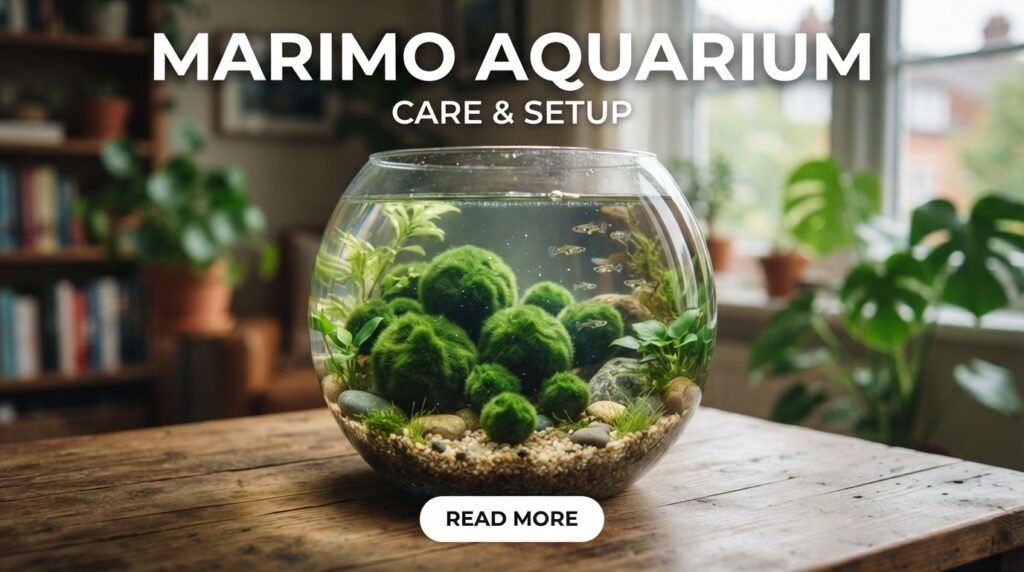
A clear bowl can create a simple decorative display, but a bowl is not automatically a suitable aquarium for fish.
For a fish-free marimo display, you can use:
- Marimo
- Aquarium-safe stones
- Decorative gravel
- Clean, conditioned water
If keeping aquatic animals, use an appropriately sized aquarium with adequate filtration and oxygenation.
Marimo Aquarium With Rocks
Create a natural-looking layout by combining marimo with smooth rocks.
Arrange the rocks at different heights and place the marimo around their base.
Avoid unstable rock piles that could collapse.
Marimo and Driftwood
Driftwood adds a natural contrast to the rounded green shape of marimo.
Try placing one larger piece of driftwood toward the back with marimo scattered around its base.
Small amounts of Java Moss or Anubias can make the design look more like a miniature underwater forest.
Marimo Forest Aquarium
For a creative layout, use marimo balls of different sizes to create the appearance of a miniature underwater meadow.
Place larger balls toward the back and smaller ones toward the foreground to create depth.
Best Tank Mates
Marimo can be used with compatible freshwater inhabitants such as:
- Neocaridina shrimp
- Peaceful small fish
- Nerite snails
- Some other peaceful freshwater species
Compatibility should always be determined by the requirements and behavior of the animals rather than by the marimo itself.
Marimo Aquarium Lighting
Marimo generally do not require intense aquarium lighting.
Moderate or low-intensity lighting can be suitable, depending on the rest of the aquarium’s plants.
Avoid placing the aquarium in strong direct sunlight because excessive light can contribute to unwanted algae growth and temperature fluctuations.
Marimo Care
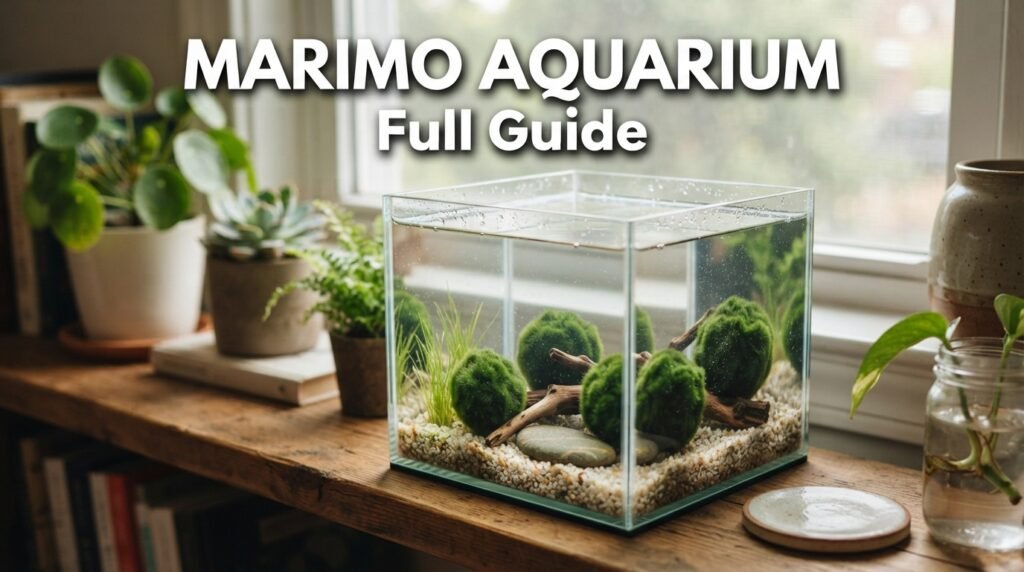
Marimo are relatively low-maintenance, but they still benefit from proper aquarium care.
Important practices include:
- Keep water clean and stable.
- Avoid excessive heat.
- Provide appropriate indirect or aquarium lighting.
- Gently rotate marimo occasionally so different surfaces receive light.
- Remove damaged or deteriorating material.
- Keep them in clean freshwater.
Water Temperature
Marimo generally prefer cool to moderate freshwater conditions and can struggle in excessively warm aquariums.
If you keep marimo with fish, choose inhabitants that are compatible with the temperature range required by both the animals and the marimo.
Cleaning Marimo
If a marimo becomes covered in debris or algae, gently rinse or roll it in clean, conditioned aquarium water.
Avoid using soap, household cleaners, or untreated tap water directly on the marimo.
Marimo Aquarium Design Ideas
| Design | Main Features | Best For |
|---|---|---|
| Minimalist | Gravel and marimo | Simple displays |
| Shrimp Garden | Marimo, moss, wood | Shrimp |
| Underwater Meadow | Multiple marimo sizes | Natural look |
| Rockscape | Marimo and stones | Modern aquascapes |
| Forest Style | Marimo, wood, plants | Nature aquarium |
| Nano Display | Small marimo and hardscape | Compact spaces |
Common Marimo Aquarium Mistakes
Too Much Heat
Excessive temperatures can be harmful to marimo.
Direct Sunlight
Strong sunlight can cause overheating and excessive algae growth.
Poor Water Quality
Marimo are living organisms and benefit from clean, stable water.
Overcrowding
Adding too many fish to a small marimo aquarium can quickly create water-quality problems.
Treating Marimo as Artificial Decorations
Marimo are living algae colonies and should be cared for accordingly.
How to Make a Marimo Aquarium Look Better
For an attractive design:
- Use a simple background.
- Choose natural-colored substrate.
- Combine marimo of different sizes.
- Add one main piece of driftwood or rock.
- Leave open space around the marimo.
- Use gentle lighting.
- Keep the glass clean.
The rounded shape of marimo naturally creates a strong visual focal point, so the aquarium does not need many decorations.
Conclusion
A marimo aquarium is a simple and distinctive way to create a miniature underwater landscape. Marimo can be combined with shrimp, peaceful fish, moss, rocks, driftwood, and other suitable aquatic plants to create everything from a minimalist nano aquarium to a lush planted display.
The key to a healthy marimo setup is stable, clean freshwater, appropriate temperatures, moderate lighting, and compatible tank inhabitants. With thoughtful design and regular care, marimo can add a unique green focal point to almost any freshwater aquarium.
Frequently Asked Questions
Are marimo moss balls actually moss?
No. Marimo are spherical colonies of filamentous green algae, despite commonly being called moss balls.
Can marimo live with shrimp?
Yes. Marimo can work particularly well in freshwater shrimp aquariums, where shrimp may graze on microorganisms growing around their surfaces.
Do marimo need light?
They need light for photosynthesis, but they generally do not require intense lighting.
Can marimo live in a fish tank?
Yes, marimo can be kept in suitable freshwater aquariums with compatible fish.
Do marimo need CO2?
Marimo generally do not require injected CO2 in a typical aquarium setup.
How often should marimo be cleaned?
Clean them when debris or unwanted algae accumulates. Gently rinse them using conditioned aquarium water rather than untreated or chemically contaminated water.
Can marimo live in a small bowl?
A marimo-only display can be kept in a suitable container, but bowls are not ideal for most fish or other aquatic animals because they often lack adequate filtration, oxygenation, and stable water volume.