
 By admin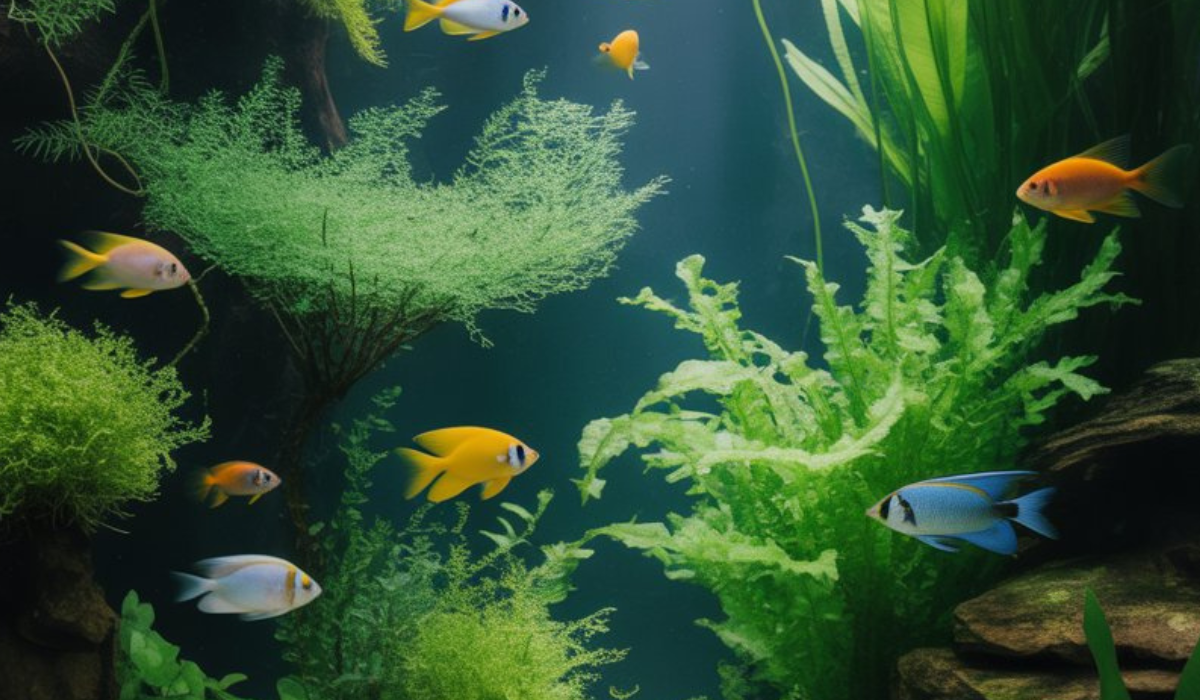
A natural aquarium is designed to replicate real underwater ecosystems like rivers, lakes, and forests. It focuses on balance, simplicity, and harmony between fish, plants, and the environment. This style is not just about decoration—it’s about creating a living, breathing ecosystem inside your tank.
What is a Natural Aquarium?
A natural aquarium is an aquascape that uses real plants, stones, and driftwood to mimic nature. Instead of artificial decorations, everything is arranged to look like a real underwater landscape.
This concept is strongly influenced by Takashi Amano, who popularized nature-style aquariums worldwide.
Why Choose a Natural Aquarium?
Natural aquariums offer both beauty and function.
They create a peaceful and realistic look while improving water quality. Live plants help absorb waste and provide oxygen, making the tank healthier for fish.
They also reduce stress for fish by mimicking their natural habitat.
Popular Natural Aquarium Styles
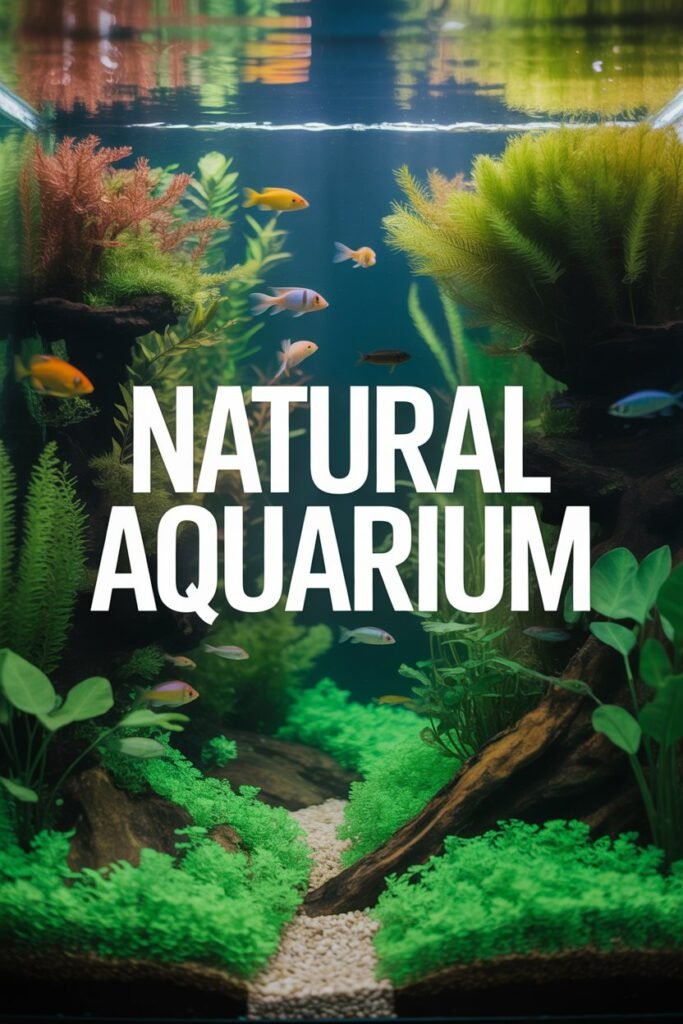
Nature Style Aquascape
- Inspired by forests, mountains, and rivers
- Balanced layout with plants and rocks
- Clean and artistic look
Jungle Aquarium
- Dense plant growth
- Wild and natural appearance
- Minimal trimming
Iwagumi Style
- Focus on rock arrangement
- Minimal plants
- Clean and simple design
Biotope Aquarium
- Replicates a specific natural habitat
- Uses region-specific plants and fish
- Highly realistic setup
Best Fish for Natural Aquariums
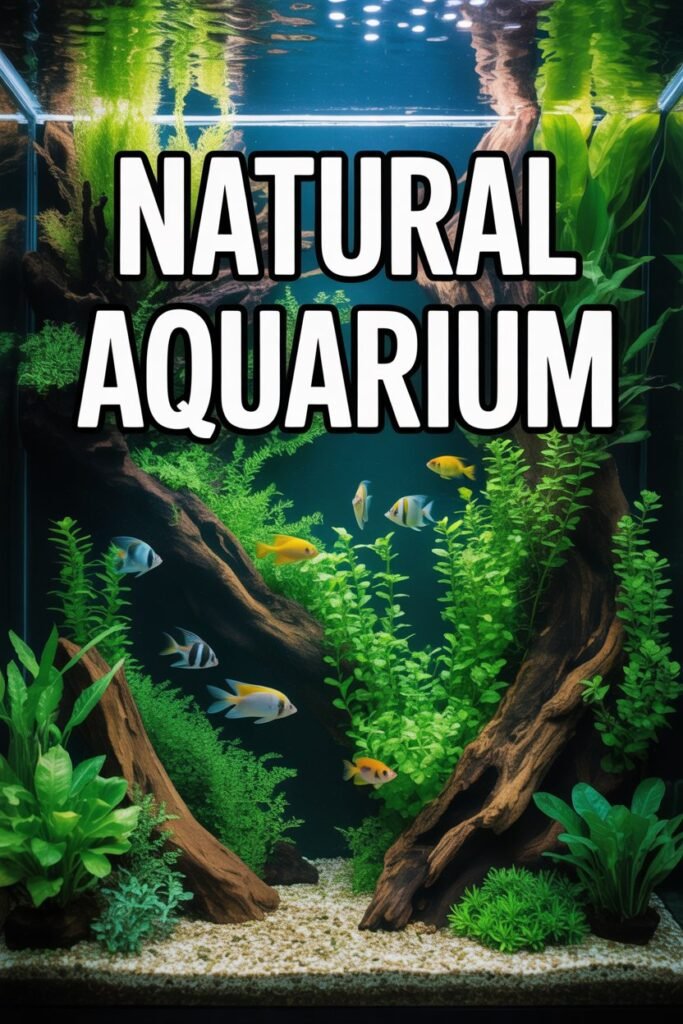
Choose peaceful fish that suit planted environments.
- Neon tetra
- Guppy
- Corydoras catfish
These species thrive in planted tanks and enhance the natural look.
Essential Elements of a Natural Aquarium
A successful natural aquarium depends on a few key elements.
Live plants are the foundation. They provide oxygen and improve water quality.
Natural substrate like soil or sand supports plant growth.
Rocks and driftwood create structure and visual depth.
Proper lighting is needed for plant health.
A filtration system keeps water clean while maintaining balance.
How to Set Up a Natural Aquarium
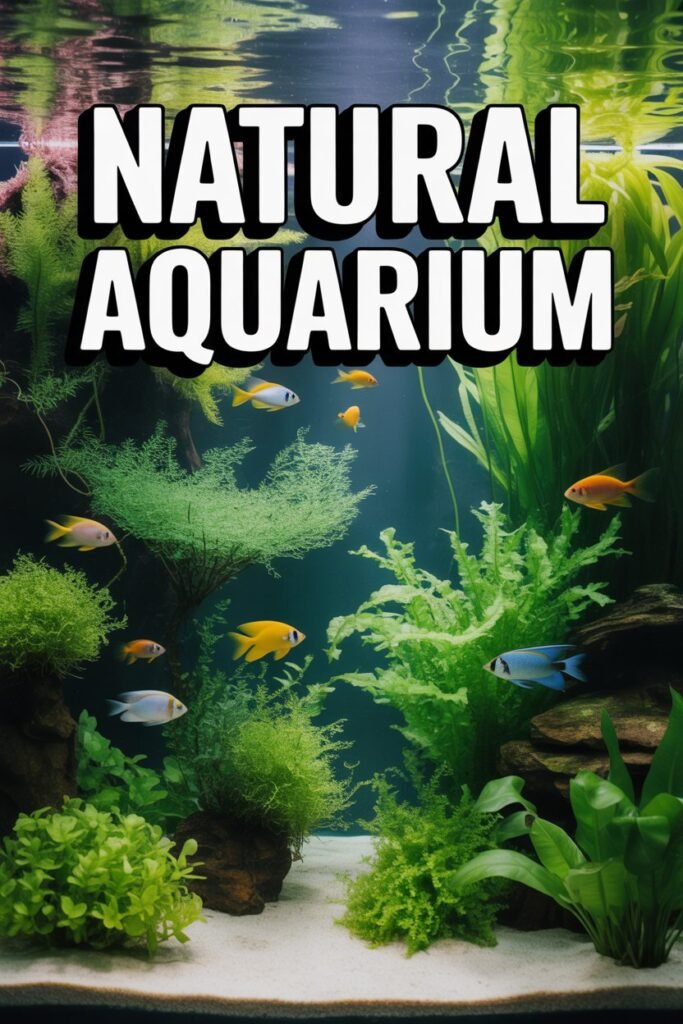
Start with a clean tank and place nutrient-rich substrate.
Arrange rocks and driftwood to create a natural layout.
Plant aquatic plants in layers—foreground, midground, and background.
Fill the tank with dechlorinated water.
Install filter and lighting.
Allow the tank to cycle for a few weeks. This process, known as the Nitrogen cycle, is essential for building beneficial bacteria.
Add fish gradually once the tank stabilizes.
Lighting Tips
Lighting is crucial for plant growth.
Use full-spectrum LED lights. Maintain a lighting period of 6–8 hours daily.
Too much light can cause algae, so balance is important.
Maintenance Tips
Natural aquariums require regular care.
Trim plants to maintain shape. Perform weekly water changes.
Remove dead leaves and clean algae.
Monitor water parameters and adjust as needed.
Common Mistakes to Avoid
- Overcrowding fish
- Using artificial decorations
- Poor plant selection
- Too much or too little light
- Skipping the cycling process
Avoiding these mistakes helps maintain a healthy ecosystem.
Why Natural Aquariums Are Popular
Natural aquariums are popular because they combine art and nature. They create a calm and relaxing environment while supporting fish health.
They also allow hobbyists to express creativity through aquascaping.
Final Thoughts
A natural aquarium is more than just a fish tank—it’s a living ecosystem. With the right design, proper care, and patience, you can create a beautiful underwater landscape that looks and feels natural.
Start simple, focus on balance, and gradually refine your aquascape.
FAQs
What is a natural aquarium?
It is a tank designed to mimic real aquatic environments.
Are natural aquariums hard to maintain?
They require care but become stable over time.
Do I need live plants?
Yes, they are essential for a natural setup.
What fish are best?
Neon tetra and Guppy are great choices.
How long does it take to set up?
Usually a few weeks for proper cycling.