
 By weeebooo70@gmail.com
A planted fish tank is one of the most beautiful and natural types of aquariums you can create. Instead of relying on artificial decorations, a planted aquarium uses live aquatic plants to form a thriving underwater ecosystem. These tanks combine fish, plants, substrate, and beneficial bacteria to create a balanced and visually stunning environment.
Many aquarium hobbyists prefer planted fish tanks because they look more natural, improve water quality, and provide a healthier habitat for fish. A well-designed planted aquarium can resemble a lush underwater forest, riverbed, or tropical garden.
In this guide, you will learn everything about planted fish tanks, including their benefits, design ideas, plant choices, fish compatibility, and maintenance tips.
What Is a Planted Fish Tank
A planted fish tank is an aquarium that contains live aquatic plants as the main decorative and functional elements. The plants grow underwater and play an important role in maintaining the health of the aquarium ecosystem.
In a planted tank, plants absorb nutrients such as nitrates and ammonia from the water. This helps keep the water cleaner and safer for fish.
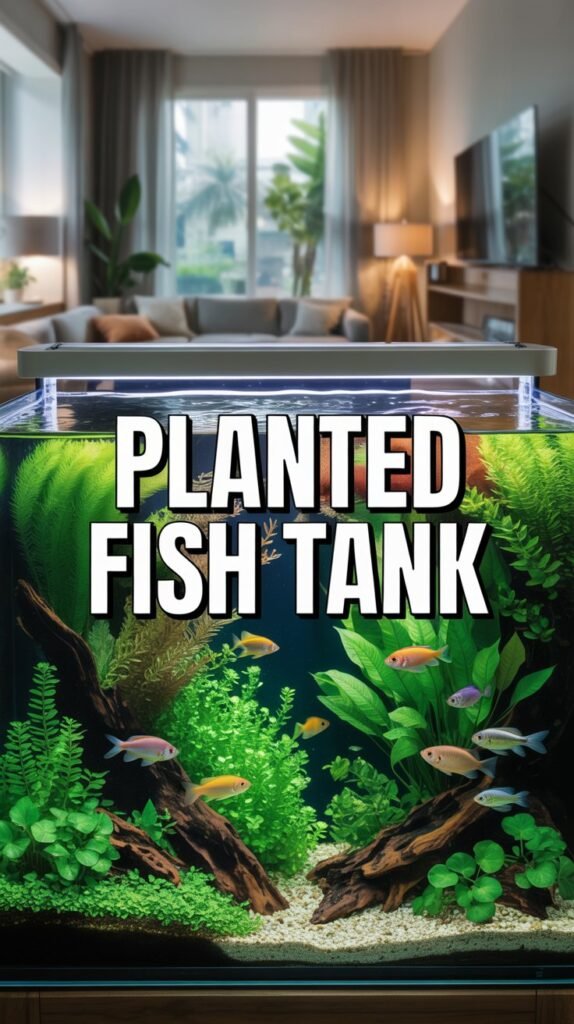
Planted aquariums often include other natural elements like driftwood, stones, and sand to create a realistic underwater landscape.
These aquariums are popular among hobbyists because they combine aquarium keeping with aquascaping, the art of arranging plants and decorations in a visually pleasing way.
Benefits of a Planted Fish Tank
Planted aquariums offer many advantages for both fish and aquarium owners.
One of the biggest benefits is improved water quality. Live plants absorb harmful chemicals and help maintain a healthier environment for fish.
Plants also release oxygen during photosynthesis, which helps fish breathe more easily.
Another advantage is natural beauty. A planted aquarium looks vibrant and alive compared to tanks filled with artificial decorations.
Plants also provide hiding spaces and shelter for fish. This reduces stress and allows fish to behave more naturally.
In addition, planted tanks can help reduce algae growth when the ecosystem is balanced properly.
Types of Planted Fish Tanks
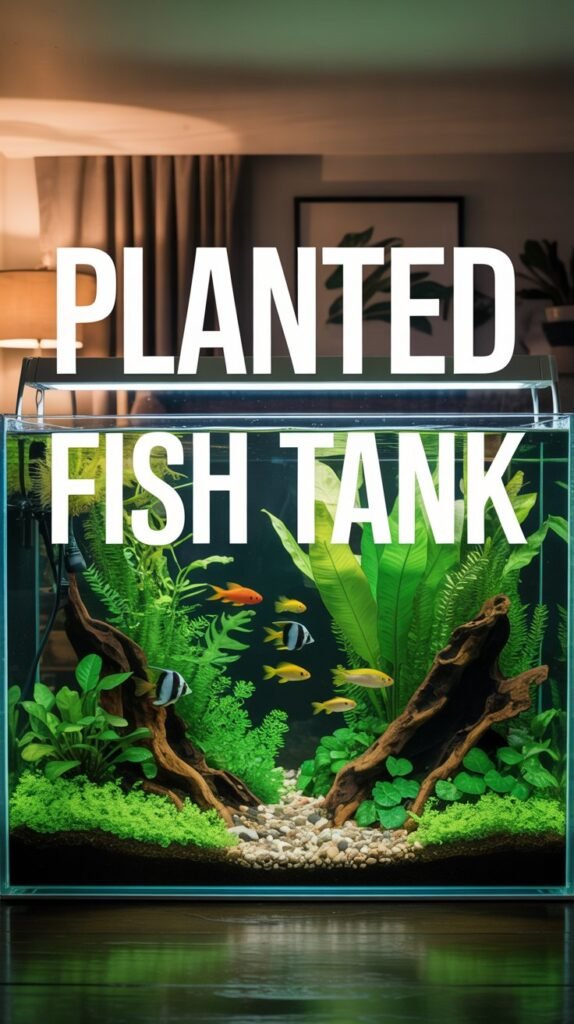
There are different styles of planted aquariums, each offering a unique visual effect.
Low-tech planted tanks are the easiest to maintain. These tanks use hardy plants that do not require strong lighting or carbon dioxide systems.
High-tech planted tanks use advanced lighting, nutrient-rich substrates, and CO2 injection to promote rapid plant growth. These tanks often produce very dense and vibrant plant landscapes.
Nature aquariums are designed to mimic real landscapes such as forests or mountains. Rocks, driftwood, and plants are arranged carefully to create realistic scenery.
Jungle-style aquariums are heavily planted tanks with dense vegetation. These aquariums look like underwater rainforests and provide many hiding spaces for fish.
Best Plants for a Planted Fish Tank
Choosing the right plants is essential for a successful planted aquarium. Some plants are easier to grow and are perfect for beginners.
Java fern is one of the most popular aquarium plants because it is hardy and easy to maintain. It can be attached to rocks or driftwood.
Anubias is another beginner-friendly plant that grows slowly and requires very little care.
Amazon sword plants are excellent background plants because of their large leaves and strong presence.
Java moss is widely used in planted tanks because it grows easily and can be attached to decorations.
Vallisneria is a tall grass-like plant that creates a natural background and spreads quickly.
Foreground plants such as dwarf hairgrass or Monte Carlo can create a green carpet across the bottom of the aquarium.
Substrate for Planted Aquariums
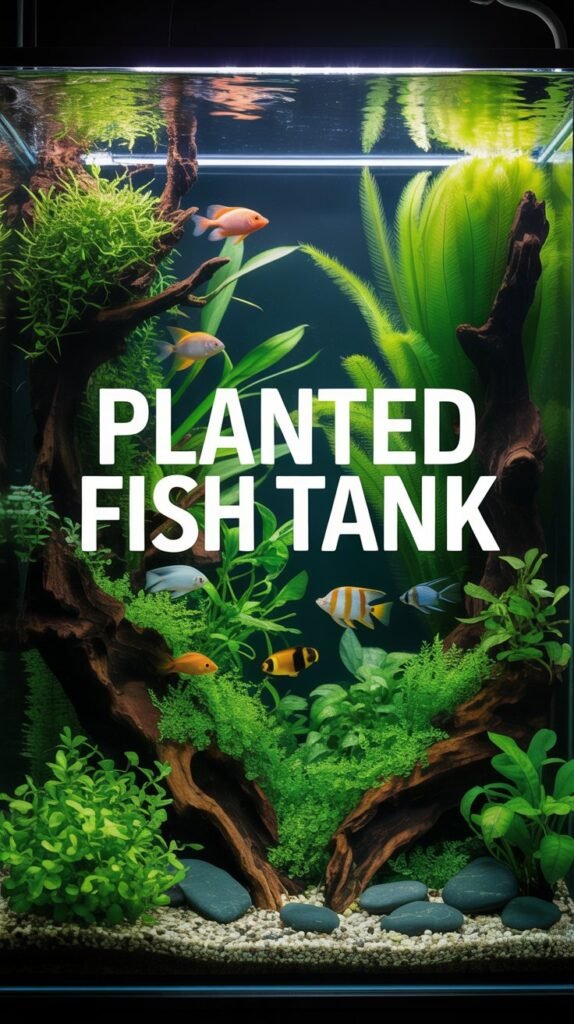
The substrate is one of the most important parts of a planted fish tank because it provides nutrients for plant roots.
Aquarium soil is commonly used because it contains minerals that promote plant growth.
Some aquarists use a layered substrate system. Nutrient-rich soil is placed at the bottom and covered with sand or gravel.
Gravel can also be used in planted tanks, especially when root fertilizers are added.
The right substrate helps plants grow stronger and keeps the aquarium looking natural.
Lighting for a Planted Fish Tank
Lighting plays a crucial role in plant growth. Without proper lighting, plants cannot perform photosynthesis effectively.
LED aquarium lights are the most popular choice because they provide bright illumination while using less electricity.
Most planted tanks require about six to eight hours of lighting each day.
Too much lighting can lead to algae problems, while too little light can slow plant growth.
Using a timer can help maintain a consistent lighting schedule for the aquarium.
CO2 in Planted Aquariums
Carbon dioxide is an important nutrient for aquatic plants. In many planted tanks, plants obtain CO2 naturally from fish respiration and water movement.
However, high-tech planted aquariums often use CO2 injection systems to boost plant growth.
CO2 systems allow plants to grow faster and develop richer colors. They are commonly used in advanced aquascaping setups.
For beginners, low-tech planted tanks usually grow well without additional CO2.
Fish Suitable for Planted Tanks
Not all fish are suitable for planted aquariums. Some fish species may eat plants or dig in the substrate.
Peaceful community fish are usually the best choice.
Guppies are popular because they are colorful and adapt well to planted environments.
Neon tetras are another favorite due to their bright colors and schooling behavior.
Rasboras and danios also thrive in planted aquariums.
Bottom-dwelling fish such as corydoras catfish help keep the substrate clean.
Shrimp and snails can also be added to planted tanks because they help control algae and leftover food.
Aquascaping Techniques for Planted Tanks
Aquascaping is the artistic arrangement of plants and decorations inside an aquarium.
One popular technique is the rule of thirds. Major decorations such as rocks or driftwood are placed slightly off-center to create visual balance.
Layering plants by height creates depth in the aquarium. Short plants are placed in the foreground, medium plants in the middle, and tall plants in the background.
Using different plant textures and colors also adds variety and interest to the layout.
Open swimming areas should be left for fish so the tank does not appear overcrowded.
Patience is important because plants need time to grow and fill in the aquascape.
Maintaining a Planted Fish Tank
Regular maintenance helps keep a planted aquarium healthy and beautiful.
Weekly water changes help remove excess nutrients and maintain water quality.
Plants should be trimmed regularly to prevent overcrowding and maintain the shape of the aquascape.
Fertilizers may be added to provide essential nutrients for plant growth.
Cleaning algae from the glass and decorations keeps the aquarium looking clear.
Feeding fish properly also helps prevent waste buildup and algae problems.
With proper care, a planted fish tank can remain vibrant and healthy for many years.
Common Mistakes in Planted Aquariums
Many beginners make a few common mistakes when starting planted tanks.
One mistake is choosing plants that require high lighting or CO2 without having the necessary equipment.
Another mistake is using poor-quality substrate that lacks nutrients for plant roots.
Overstocking fish can also disrupt the balance of the aquarium ecosystem.
Too much lighting without enough plants can lead to algae outbreaks.
Taking time to research and plan the aquarium can prevent many of these problems.
Why Planted Fish Tanks Are Popular
Planted aquariums have become very popular in recent years because they combine nature, science, and art.
They provide a healthier environment for fish while also creating stunning underwater landscapes.
Many aquarium enthusiasts find the process of growing plants and designing aquascapes relaxing and rewarding.
A well-maintained planted aquarium can become a living masterpiece that evolves and grows over time.
Conclusion
A planted fish tank is one of the most beautiful and rewarding types of aquariums. By combining live plants, fish, and natural decorations, you can create a thriving underwater ecosystem that looks both natural and artistic.
Whether you choose a simple low-tech planted tank or a high-tech aquascape with advanced equipment, planted aquariums offer endless possibilities for creativity.
With the right plants, proper lighting, and regular maintenance, your planted fish tank can become a vibrant and relaxing centerpiece in your home.
Frequently Asked Questions
Are planted fish tanks good for fish?
Yes, planted tanks provide a healthier environment because plants improve water quality, produce oxygen, and offer hiding places for fish.
Do planted aquariums need CO2?
Not always. Many beginner-friendly plants grow well without CO2, although advanced aquascapes may use CO2 systems for faster growth.
What fish are best for planted tanks?
Peaceful fish such as guppies, tetras, rasboras, and corydoras catfish work well in planted aquariums.
How long does it take for aquarium plants to grow?
Most aquarium plants start growing within a few weeks, but a fully established planted tank may take a few months.
Are planted tanks difficult to maintain?
They require regular care such as trimming plants, water changes, and proper lighting, but once balanced they can become relatively easy to maintain.