
 By admin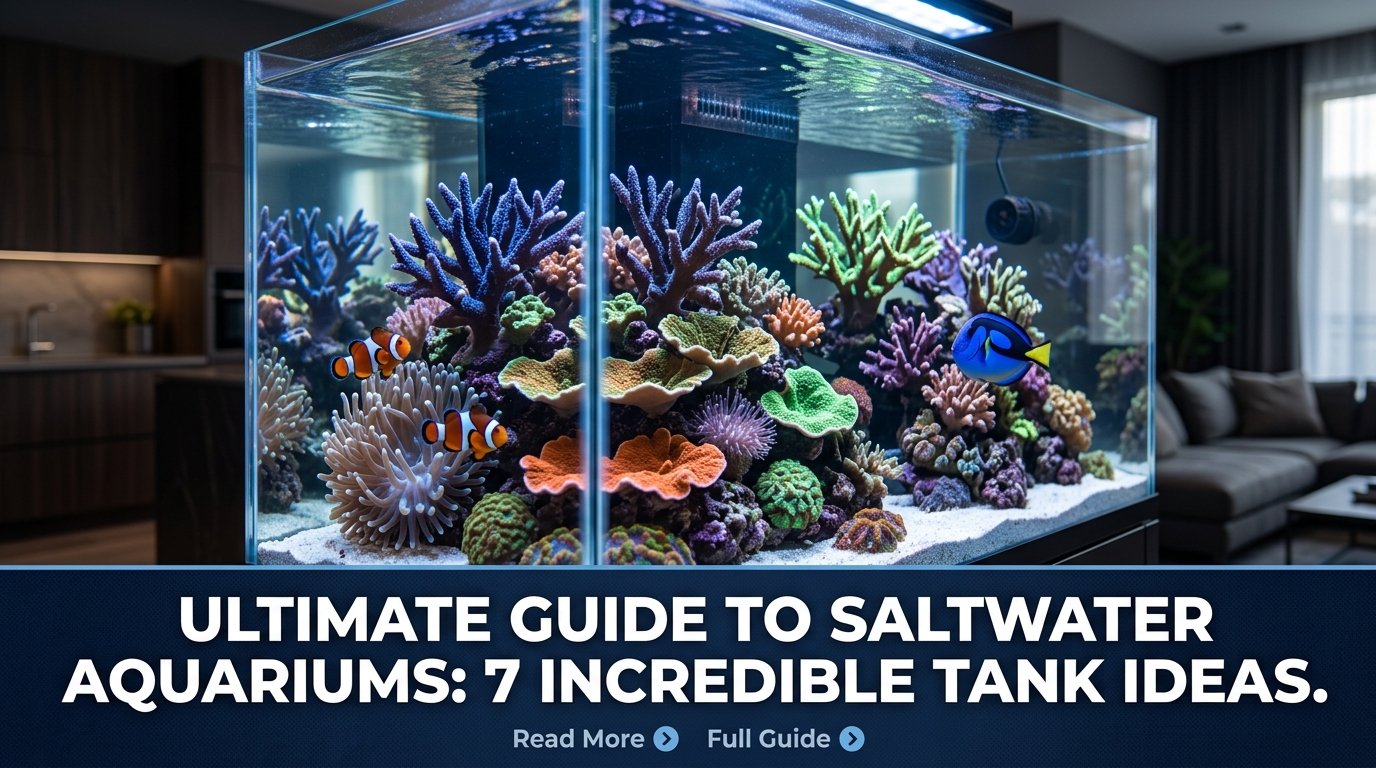
A salt water aquarium is one of the most beautiful additions you can make to your home or office. Filled with colorful tropical fish, vibrant corals, unique invertebrates, and carefully designed aquascapes, a marine aquarium creates a breathtaking underwater world that captivates everyone who sees it. Whether you’re planning your first saltwater tank or looking for fresh inspiration to upgrade your existing setup, there are countless salt water aquarium ideas to suit every space, budget, and experience level.
From minimalist reef tanks to elaborate coral displays, this complete guide explores the best salt water aquarium ideas, design tips, equipment recommendations, stocking suggestions, and maintenance practices to help you build a thriving marine ecosystem.
Why Choose a Salt Water Aquarium?
Saltwater aquariums are admired for their incredible colors and biodiversity.
Some of the biggest benefits include:
- Brightly colored tropical fish
- Beautiful live corals
- Unique marine invertebrates
- Endless aquascaping possibilities
- A luxurious focal point for your home
- Opportunity to recreate natural ocean habitats
Although marine aquariums require more planning than freshwater setups, they offer unmatched beauty and variety.
Selecting the Right Aquarium Size
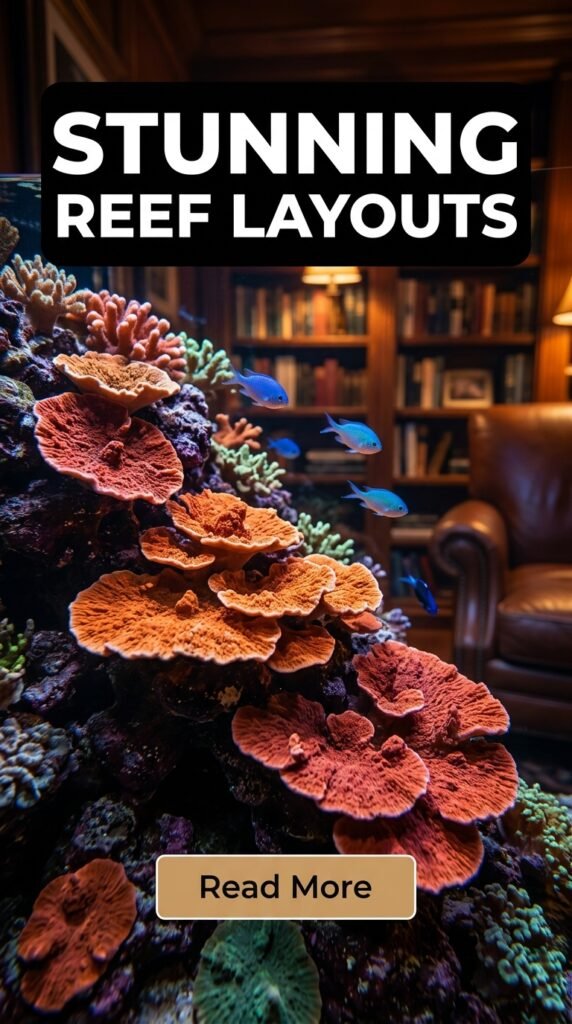
The size of your aquarium greatly influences its stability and livestock options.
Nano Salt Water Aquarium (10–30 Gallons)
A nano aquarium is perfect for:
- Small apartments
- Office desks
- Compact spaces
- Experienced hobbyists
Suitable inhabitants include:
- Clownfish
- Gobies
- Small shrimp
- Soft corals
Medium Salt Water Aquarium (40–75 Gallons)
This size provides:
- Better water stability
- More fish options
- Greater aquascaping flexibility
- Easier maintenance than nano tanks
Large Salt Water Aquarium (90–180 Gallons)
Large aquariums are ideal for:
- Reef tanks
- Large schools of fish
- Extensive coral gardens
- Premium home displays
Bigger aquariums generally provide more stable water conditions.
Minimalist Reef Aquarium
A minimalist reef aquarium focuses on simplicity and elegance.
Key features include:
- White sand
- Open swimming space
- Carefully arranged live rock
- Limited but colorful coral placement
This design is perfect for modern interiors.
Natural Coral Reef Aquarium
Recreate a tropical coral reef by combining:
- Live rock
- Colorful hard corals
- Soft corals
- Reef-safe fish
- Natural sand substrate
The result closely resembles an actual reef ecosystem.
Island Aquascape
One of the most popular salt water aquarium ideas is the island layout.
Instead of one continuous rock wall, create two or three separate rock islands.
Benefits include:
- Excellent water circulation
- Plenty of swimming space
- Dramatic visual depth
- Easier coral placement
Lagoon-Style Aquarium
Lagoon aquariums imitate shallow tropical waters.
Characteristics include:
- Wide sandy bottom
- Soft corals
- Macroalgae
- Low rock formations
- Gentle water movement
This peaceful design is perfect for colorful reef fish.
Open Reef Design
Avoid filling every inch with rock.
Instead:
- Leave open swimming areas.
- Use fewer but larger rock structures.
- Highlight corals with negative space.
This modern aquascaping style creates a clean and spacious appearance.
Coral Garden Aquarium
Turn your aquarium into an underwater flower garden.
Combine different coral types with contrasting colors and textures.
Possible combinations include:
- Mushroom corals
- Zoanthids
- Leather corals
- Euphyllia corals
- Brain corals
Arrange corals according to their lighting and flow requirements.
Fish-Only Salt Water Aquarium
If you prefer fish over corals, create a Fish-Only-With-Live-Rock (FOWLR) aquarium.
Advantages include:
- Lower lighting requirements
- Easier maintenance
- Greater fish selection
- More flexibility in stocking
Clownfish Aquarium
A pair of clownfish makes an excellent centerpiece.
Enhance the display with:
- Live rock
- Soft corals
- Decorative macroalgae
- Suitable host anemones (for experienced aquarists)
Blue-Themed Aquarium
Create a cool ocean atmosphere by selecting:
- Blue LED lighting
- Blue tang-inspired color palette
- Blue corals
- White sand
- Deep blue background
This design emphasizes the natural beauty of marine environments.
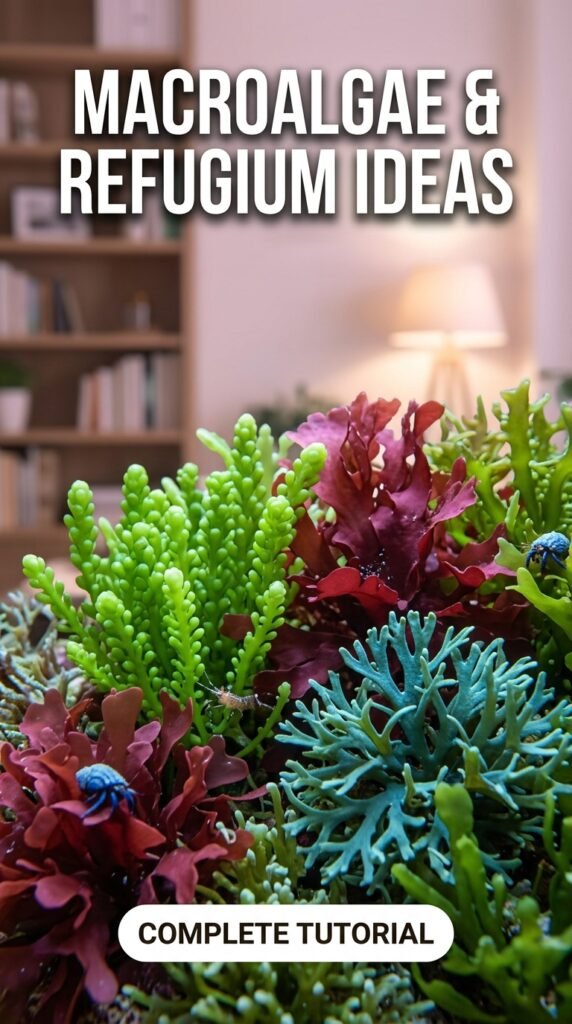
Macroalgae Aquarium
Macroalgae can be just as attractive as corals.
Popular varieties include:
- Dragon’s Breath
- Halimeda
- Caulerpa
- Red Gracilaria
Macroalgae also help absorb excess nutrients.
Live Rock Aquascaping
Live rock forms the foundation of most marine aquariums.
Benefits include:
- Natural biological filtration
- Fish hiding places
- Coral attachment points
- Realistic underwater appearance
Secure all rock structures carefully before adding livestock.
Sandy Lagoon Layout
A large open sand bed creates a peaceful marine scene.
Decorate with:
- Small coral islands
- Sea fans
- Decorative shells
- Gentle water flow
This style is especially suitable for bottom-dwelling fish.
Wall Aquarium
A built-in wall aquarium creates a dramatic feature in any home.
Benefits include:
- Elegant appearance
- Space-saving design
- Panoramic viewing
- Modern architecture integration
Professional installation is recommended.
Peninsula Aquarium
A peninsula aquarium extends into a room, allowing viewing from three sides.
Advantages include:
- Unique viewing angles
- Excellent aquascaping opportunities
- Room divider functionality
Salt Water Aquarium with Floating Corals
Create visual depth by placing taller coral colonies toward the back and lower species in front.
This layered arrangement gives the impression of floating coral gardens.
Hidden Equipment Design
Keep equipment out of sight by using:
- Sump filtration
- Overflow systems
- Cabinet storage
- Concealed plumbing
A clean display keeps the focus on marine life.
Modern Aquarium Furniture
Integrate your aquarium into custom furniture.
Popular ideas include:
- Entertainment centers
- Room dividers
- Living room cabinets
- Office reception desks
The aquarium becomes both furniture and artwork.
Best Marine Fish
Colorful fish complete every marine aquarium.
Popular beginner-friendly species include:
- Ocellaris Clownfish
- Royal Gramma
- Firefish Goby
- Banggai Cardinalfish
- Yellow Watchman Goby
- Tailspot Blenny
- Chalk Bass
- Pajama Cardinalfish
Always research compatibility before adding new fish.
Reef-Safe Invertebrates
Helpful invertebrates improve the health of your aquarium.
Excellent choices include:
- Cleaner Shrimp
- Peppermint Shrimp
- Turbo Snails
- Trochus Snails
- Nassarius Snails
- Scarlet Hermit Crabs
They assist with algae control and consume leftover food.
Essential Equipment
Every successful salt water aquarium requires quality equipment.
Essential items include:
- Aquarium
- Aquarium stand
- Protein skimmer
- Sump or canister filtration
- Marine powerheads
- Heater
- LED reef lighting
- Thermometer
- Refractometer
- Marine test kits
- Auto top-off system (optional but helpful)
Investing in reliable equipment reduces long-term maintenance issues.
Water Parameters
Marine aquariums require stable water chemistry.
Recommended ranges include:
- Temperature: 76–78°F (24–26°C)
- Salinity: 1.024–1.026
- pH: 8.1–8.4
- Ammonia: 0 ppm
- Nitrite: 0 ppm
- Nitrate: Below 20 ppm for fish-only systems and much lower for reef aquariums
Consistency is the key to success.
Aquarium Maintenance
Healthy marine aquariums depend on routine care.
Weekly Water Changes
Replace 10–20% of the water.
Test Water Parameters
Monitor:
- Salinity
- pH
- Alkalinity
- Calcium
- Magnesium
- Ammonia
- Nitrite
- Nitrate
Clean Equipment
Regularly maintain:
- Protein skimmer
- Pumps
- Powerheads
- Filter media
Remove Algae
Use algae scrapers and a cleanup crew to control unwanted algae growth.
Common Mistakes to Avoid
Overstocking Fish
Too many fish increase nutrient levels and reduce water quality.
Adding Livestock Too Quickly
Allow the biological filter to adjust before introducing additional animals.
Poor Rock Placement
Unstable rock structures can collapse and damage the aquarium.
Ignoring Water Tests
Routine testing helps identify problems before they become serious.
Buying Incompatible Species
Research fish, coral, and invertebrate compatibility before making purchases.
Budget-Friendly Salt Water Aquarium Ideas
Creating a beautiful marine aquarium doesn’t always require a large budget.
Consider:
- Starting with dry rock
- Choosing hardy soft corals
- Buying captive-bred fish
- Using LED lighting with adjustable settings
- Expanding your coral collection gradually
Planning purchases over time can help spread out costs while still creating an impressive display.
Conclusion
These salt water aquarium ideas can help you create a marine aquarium that is both visually stunning and healthy for its inhabitants. Whether you prefer a minimalist reef, an island aquascape, a vibrant coral garden, or a fish-only display, thoughtful planning and consistent maintenance are essential for long-term success.
By selecting the right aquarium size, investing in quality equipment, choosing compatible marine life, and designing a natural aquascape, you can enjoy a thriving underwater ecosystem that becomes the centerpiece of your home for years to come.
Frequently Asked Questions
What is the easiest salt water aquarium for beginners?
A 40 to 75-gallon fish-only-with-live-rock (FOWLR) aquarium is often the best choice because it offers stable water conditions and simpler maintenance than a full reef system.
What fish are best for a beginner salt water aquarium?
Ocellaris clownfish, royal grammas, firefish gobies, yellow watchman gobies, tailspot blennies, and banggai cardinalfish are among the most beginner-friendly marine fish.
Can I keep corals in my first salt water aquarium?
Yes. Once the aquarium is fully cycled and stable, many beginners successfully keep hardy soft corals such as mushroom corals, leather corals, and zoanthids.
How often should I change the water in a salt water aquarium?
Most marine aquariums benefit from changing 10% to 20% of the water every one to two weeks, depending on the tank size, stocking level, and filtration.
Do salt water aquariums require live rock?
Live rock is highly recommended because it provides natural biological filtration, shelter for fish, and a surface for beneficial bacteria. Dry rock can also be used and will become biologically active over time.
What is the secret to a successful salt water aquarium?
Success comes from maintaining stable water parameters, using quality equipment, avoiding overcrowding, introducing livestock gradually, and performing regular maintenance. Patience and consistency are the keys to building a healthy and beautiful marine aquarium.