
 By admin
An aquarium with fish brings the beauty of the underwater world into your home, office, or classroom. A well-maintained aquarium is more than just a decorative feature—it is a living ecosystem that provides a healthy environment for fish while creating a peaceful and visually appealing space. Whether you’re setting up your first aquarium or upgrading to a larger tank, choosing the right fish, equipment, and decorations is essential for long-term success.
This comprehensive guide covers everything you need to know about creating, decorating, stocking, and maintaining an aquarium with fish.
Why Choose an Aquarium with Fish?
Keeping fish is one of the most rewarding hobbies for people of all ages.
Creates a Relaxing Environment
Watching colorful fish swim through clear water and lush plants creates a calming atmosphere that can help reduce stress after a busy day.
Enhances Home Décor
A beautifully designed aquarium becomes the centerpiece of any room, adding color, movement, and natural beauty.
Educational Experience
Aquariums help children and adults learn about aquatic ecosystems, fish behavior, water chemistry, and responsible pet care.
Endless Design Options
From natural aquascapes to modern minimalist layouts, you can customize your aquarium to match your personal style.
Suitable for All Skill Levels
Whether you’re a beginner or an experienced aquarist, there are aquarium setups and fish species to suit every level of expertise.
Choosing the Right Aquarium Size

Selecting the correct tank size is the foundation of a successful aquarium.
5-Gallon Aquarium
Suitable for:
- One Betta fish
- Shrimp
- Snails
Small tanks require careful maintenance because water conditions change quickly.
10-Gallon Aquarium
Ideal for beginners.
Suitable for:
- Small community fish
- Live plants
- Nano aquascapes
20-Gallon Aquarium
Offers greater water stability and more stocking options.
55-Gallon Aquarium
Perfect for larger community aquariums with schools of colorful fish.
75 to 125-Gallon Aquarium
Excellent for large aquascapes, cichlids, discus, or impressive freshwater and saltwater displays.
Freshwater or Saltwater Aquarium?
Freshwater Aquarium
Freshwater aquariums are easier to maintain and generally less expensive.
Benefits include:
- Beginner-friendly
- Lower setup costs
- Wide variety of colorful fish
- Easier maintenance
Saltwater Aquarium
Marine aquariums feature vibrant fish and corals but require more advanced equipment and care.
Popular marine fish include:
- Clownfish
- Royal Gramma
- Firefish
- Gobies
- Blennies
Essential Aquarium Equipment
Every aquarium with fish needs reliable equipment.
Filter
A filter removes waste, improves water quality, and supports beneficial bacteria.
Heater
Most tropical fish require temperatures between 75°F and 78°F (24°C to 26°C).
LED Lighting
Provides visibility while supporting the growth of live aquatic plants.
Thermometer
Allows accurate temperature monitoring.
Aquarium Lid
Prevents fish from jumping out and reduces water evaporation.
Best Freshwater Fish
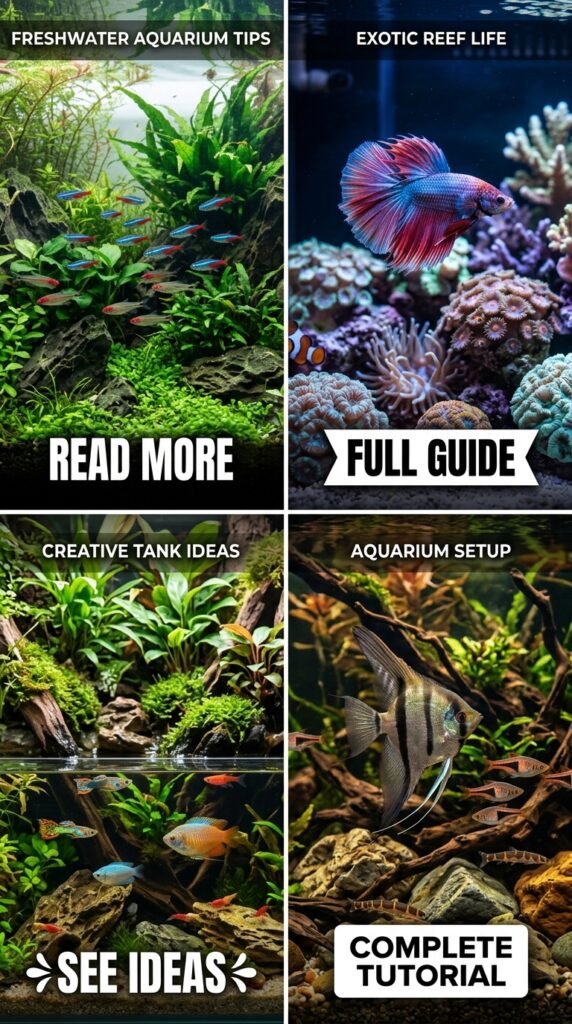
Many colorful species are suitable for community aquariums.
Guppies
Hardy, colorful, and easy to care for.
Neon Tetras
Known for their bright blue and red stripes.
Platies
Peaceful fish available in many vibrant colors.
Mollies
Adaptable fish that thrive in community tanks.
Corydoras Catfish
Friendly bottom dwellers that enjoy living in groups.
Zebra Danios
Active swimmers that are ideal for beginners.
Betta Fish
Beautiful fish best kept alone or with carefully selected tank mates.
Popular Saltwater Fish
Marine aquariums offer incredible diversity.
Popular species include:
- Clownfish
- Banggai Cardinalfish
- Firefish
- Yellow Watchman Goby
- Royal Gramma
- Tailspot Blenny
Research compatibility before mixing marine species.
Choosing the Right Substrate
The substrate affects both appearance and fish health.
Sand
Ideal for natural river layouts and bottom-dwelling fish.
Gravel
A popular choice for freshwater community aquariums.
Aquasoil
Perfect for planted aquariums because it supports healthy root growth.
Live Plants
Live plants improve both appearance and water quality.
Excellent beginner plants include:
- Java Fern
- Anubias
- Amazon Sword
- Java Moss
- Vallisneria
- Cryptocoryne
Benefits include:
- Oxygen production
- Natural shelter
- Reduced algae growth
- Improved biological filtration
Aquarium Decoration Ideas
Decorations make the aquarium more attractive while providing shelter for fish.
Popular decorations include:
- Driftwood
- Natural rocks
- Aquarium caves
- Floating plants
- Ceramic ornaments
- Coconut shells
Avoid overcrowding the aquarium and leave plenty of swimming space.
Aquascaping Styles
Nature Aquarium
Inspired by rivers and forests with rocks, driftwood, and lush plants.
Iwagumi Style
A minimalist layout featuring carefully arranged stones.
Jungle Aquarium
Dense vegetation creates a tropical underwater forest.
River Aquascape
A winding sand path surrounded by plants resembles a flowing stream.
Rocky Aquarium
Perfect for cichlids and other rock-dwelling fish.
Cycling Your Aquarium
Never add fish immediately after setting up the aquarium.
The nitrogen cycle establishes beneficial bacteria that convert toxic waste into less harmful compounds.
Before adding fish:
- Install all equipment.
- Run the filter continuously.
- Monitor ammonia, nitrite, and nitrate levels.
- Wait until ammonia and nitrite reach zero.
Cycling is one of the most important steps for fish health.
Feeding Fish
Feed only high-quality food appropriate for your fish species.
Common foods include:
- Flakes
- Pellets
- Frozen foods
- Live foods
- Algae wafers
Feed once or twice daily in small portions that fish can consume within a few minutes.
Maintenance Schedule
Consistent maintenance keeps fish healthy.
Weekly Water Changes
Replace 20% to 30% of the aquarium water.
Clean the Glass
Remove algae using an aquarium-safe scraper.
Test Water Quality
Regularly check:
- Temperature
- pH
- Ammonia
- Nitrite
- Nitrate
Clean the Filter
Rinse filter media in old aquarium water to preserve beneficial bacteria.
Trim Plants
Prune overgrown plants to maintain a balanced aquascape.
Common Mistakes to Avoid
Overstocking
Too many fish increase waste and stress.
Overfeeding
Excess food pollutes the water and encourages algae growth.
Skipping Water Changes
Regular maintenance is essential for a healthy aquarium.
Choosing Incompatible Fish
Research fish compatibility before purchasing new species.
Ignoring Water Testing
Monitoring water parameters helps prevent health problems.
Benefits of an Aquarium with Fish
A well-maintained aquarium offers many advantages.
- Beautiful home decoration
- Stress relief
- Educational value
- Creative aquascaping opportunities
- Family-friendly hobby
- Improved appreciation for aquatic life
With proper care, an aquarium can provide enjoyment for many years.
Conclusion
An aquarium with fish is a rewarding addition to any home, offering beauty, relaxation, and endless opportunities for creativity. By choosing the right aquarium size, selecting compatible fish, using quality equipment, adding live plants, and following a consistent maintenance routine, you can create a thriving underwater ecosystem that is both healthy and visually stunning.
Whether you prefer a peaceful freshwater community tank, a lush planted aquascape, or a vibrant saltwater display, careful planning and responsible fishkeeping will ensure your aquarium remains a source of enjoyment for years to come.
Frequently Asked Questions
What is the best aquarium size for beginners?
A 10 to 20-gallon aquarium is ideal because it offers stable water conditions while remaining easy to maintain.
Which fish are best for a beginner aquarium?
Guppies, platies, mollies, zebra danios, neon tetras, corydoras catfish, and a single betta are excellent beginner-friendly choices.
Can I keep live plants with fish?
Yes. Live plants improve water quality, provide shelter, and create a natural environment for fish.
How often should I clean an aquarium?
Perform weekly water changes of 20% to 30%, clean the glass when needed, service the filter regularly, and test the water frequently.
How often should I feed aquarium fish?
Most fish should be fed once or twice a day with small portions they can eat within two to three minutes.
Why is aquarium cycling important?
Cycling establishes beneficial bacteria that remove harmful ammonia and nitrite, creating a safe environment before fish are introduced.