
 By admin
A sand aquarium is one of the most natural and visually appealing aquarium setups. Sand substrates closely mimic riverbeds, lakeshores, and ocean floors, creating a realistic environment for fish, shrimp, and aquatic plants. Whether you’re designing a freshwater community tank, a planted aquarium, or a marine reef system, sand can provide both aesthetic and functional benefits.
Many aquarium hobbyists choose sand because it enhances the natural appearance of the tank while offering a comfortable substrate for bottom-dwelling species. With proper setup and maintenance, a sand aquarium can become a thriving aquatic ecosystem.
What Is a Sand Aquarium?
A sand aquarium is any aquarium that uses sand as the primary substrate instead of gravel or other materials.
Benefits of sand include:
- Natural appearance
- Comfortable surface for fish
- Easy digging for certain species
- Improved aquascaping possibilities
- Enhanced visual depth
Sand is commonly used in both freshwater and saltwater aquariums.
Benefits of Using Sand in an Aquarium
Natural Look
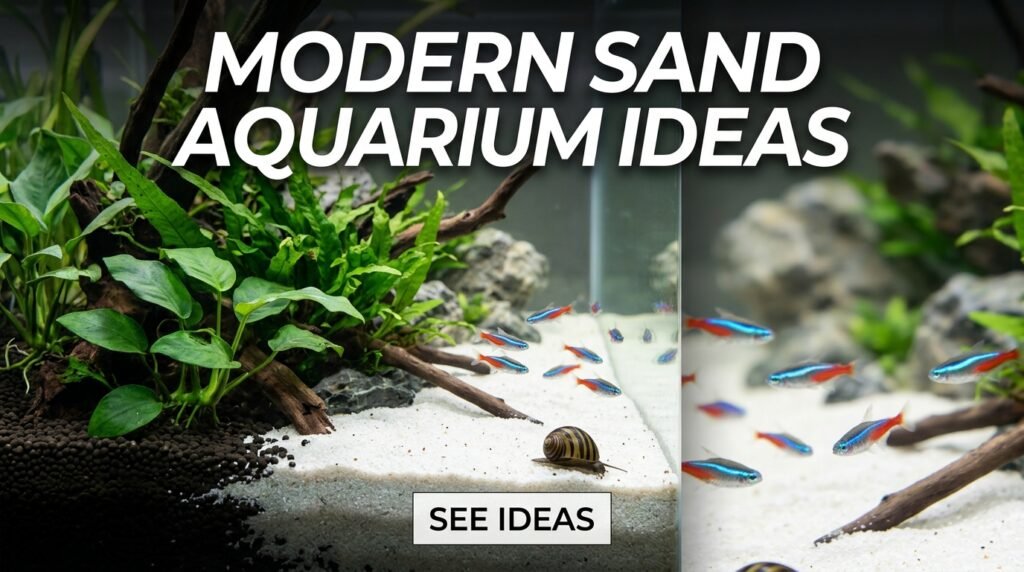
Sand closely resembles the natural habitats of many fish species.
Ideal for Bottom Dwellers
Many fish enjoy sifting through sand in search of food.
Examples include:
- Corydoras
- Kuhli Loach
Enhances Aquascaping
Sand creates clean and elegant layouts, especially in nature aquariums.
Fish Safety
Unlike some gravel substrates, fine sand is less likely to damage delicate barbels and fins.
Types of Aquarium Sand
Silica Sand
One of the most affordable options.
Advantages:
- Widely available
- Natural appearance
- Easy to clean
Pool Filter Sand
Popular among freshwater aquarists.
Benefits include:
- Uniform grain size
- Good water circulation
- Affordable cost
Aquarium-Specific Sand
Designed specifically for aquatic environments.
Advantages:
- Safe for fish
- Available in various colors
- Consistent quality
Aragonite Sand
Commonly used in marine aquariums.
Benefits:
- Helps stabilize pH
- Supports reef environments
Choosing the Right Sand Color
White Sand
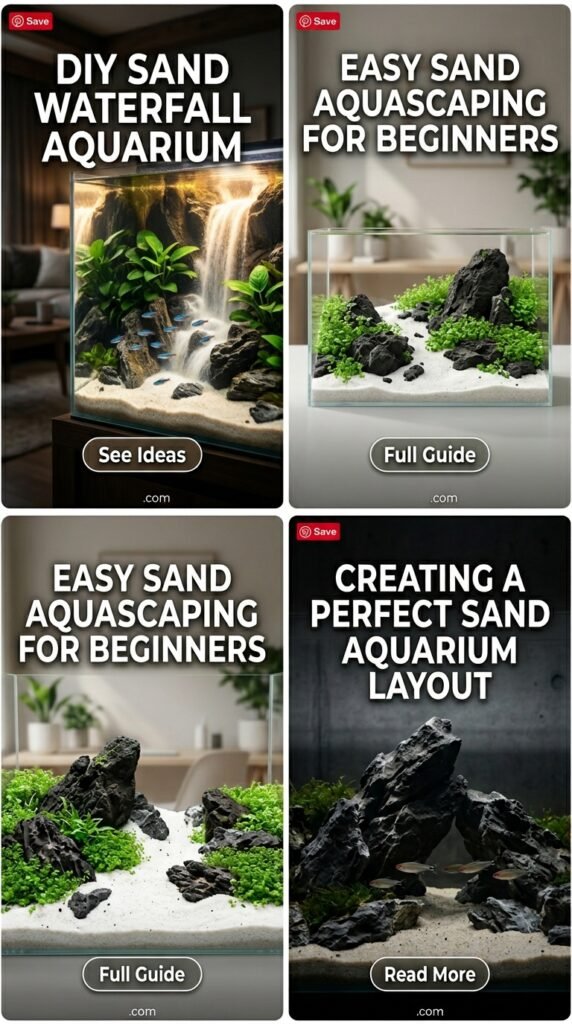
Creates a bright and clean appearance.
Ideal for:
- Reef aquariums
- Tropical displays
Natural Beige Sand
Provides a realistic riverbed look.
Black Sand
Offers dramatic contrast with plants and colorful fish.
Mixed Sand
Combines multiple shades for a unique appearance.
Best Fish for Sand Aquariums
Many species thrive on sandy substrates.
Corydoras Catfish
Corydoras naturally sift through sand searching for food.
Kuhli Loach
Kuhli Loach enjoy burrowing and hiding in sandy areas.
Geophagus
Geophagus constantly filter sand through their mouths.
Stingrays
Freshwater stingrays often require fine sand substrates.
Best Plants for Sand Aquariums
Many aquatic plants grow successfully in sand.
Anubias
Anubias are hardy and beginner-friendly.
Java Fern
Java fern thrives when attached to driftwood or rocks.
Vallisneria
Vallisneria develops extensive root systems.
Amazon Sword
Amazon sword can grow well with root supplements.
How to Set Up a Sand Aquarium
Step 1: Rinse the Sand
Thoroughly rinse sand before use to remove dust and debris.
Step 2: Add the Substrate
Create a depth of approximately:
- 1–2 inches for decorative tanks
- 2–3 inches for planted aquariums
Step 3: Arrange Hardscape
Add:
- Driftwood
- Rocks
- Decorative elements
Step 4: Fill Carefully
Place a plate or plastic bag on the sand while filling to prevent disturbance.
Step 5: Install Equipment
Add:
- Filter
- Heater
- Lighting
Step 6: Cycle the Aquarium
Allow beneficial bacteria to establish before adding fish.
Sand Aquarium Aquascaping Ideas
Nature Aquarium
Combine sand paths with plants and driftwood.
Riverbed Layout
Use smooth stones and open sandy areas.
Desert-Inspired Theme
Create an environment with minimal plants and striking rock formations.
Tropical Aquascape
Mix lush vegetation with bright sand for contrast.


6
Maintaining a Sand Aquarium
Vacuum Carefully
Use a gravel vacuum just above the sand surface.
Avoid Overfeeding
Uneaten food can accumulate in the substrate.
Stir Sand Occasionally
This helps prevent compacted areas in some setups.
Monitor Water Quality
Regular testing ensures a healthy environment.
Common Problems With Sand Aquariums
Compaction
Fine sand can compact over time.
Cloudy Water
Usually occurs during initial setup.
Anaerobic Pockets
Deep, undisturbed sand beds may develop low-oxygen areas.
Proper maintenance helps prevent these issues.
Sand vs. Gravel
Sand Advantages
- More natural appearance
- Better for bottom dwellers
- Excellent for aquascaping
Gravel Advantages
- Easier cleaning
- Improved water flow through substrate
- Simpler plant rooting in some cases
The best choice depends on your aquarium goals.
Freshwater Sand Aquariums
Freshwater setups commonly feature:
- Community fish
- Live plants
- Driftwood
- Natural decorations
These aquariums often replicate rivers and streams.
Marine Sand Aquariums
Saltwater systems frequently use:
- Aragonite sand
- Live rock
- Coral reef structures
Marine aquariums benefit from the natural buffering properties of certain sands.
Why Hobbyists Love Sand Aquariums
Sand aquariums offer a realistic appearance that closely resembles natural aquatic habitats. The clean look of sand, combined with healthy fish and lush plants, creates a beautiful display suitable for nearly any aquarium style.
Whether you’re building a planted tank, a community aquarium, or a biotope setup, sand provides a versatile and attractive foundation.
Conclusion
A sand aquarium is an excellent choice for aquarists seeking a natural and elegant underwater environment. Sand enhances the beauty of aquascapes, supports many fish species, and creates a comfortable habitat for bottom-dwelling animals.
With proper setup, maintenance, and thoughtful design, a sand aquarium can become a stunning centerpiece that showcases the beauty of aquatic life.
Frequently Asked Questions
Is sand better than gravel for aquariums?
It depends on your goals. Sand is often preferred for natural-looking aquascapes and bottom-dwelling fish.
Can plants grow in sand?
Yes, many aquatic plants grow successfully in sand, especially when provided with root nutrients.
Is sand difficult to clean?
Not necessarily. Proper vacuuming techniques make maintenance straightforward.
What fish prefer sand substrates?
Corydoras, Kuhli Loach, and Geophagus are excellent examples.
Can I use beach sand in an aquarium?
Beach sand should be thoroughly cleaned and tested for contaminants before use. Aquarium-specific sand is usually the safer choice.