
 By admin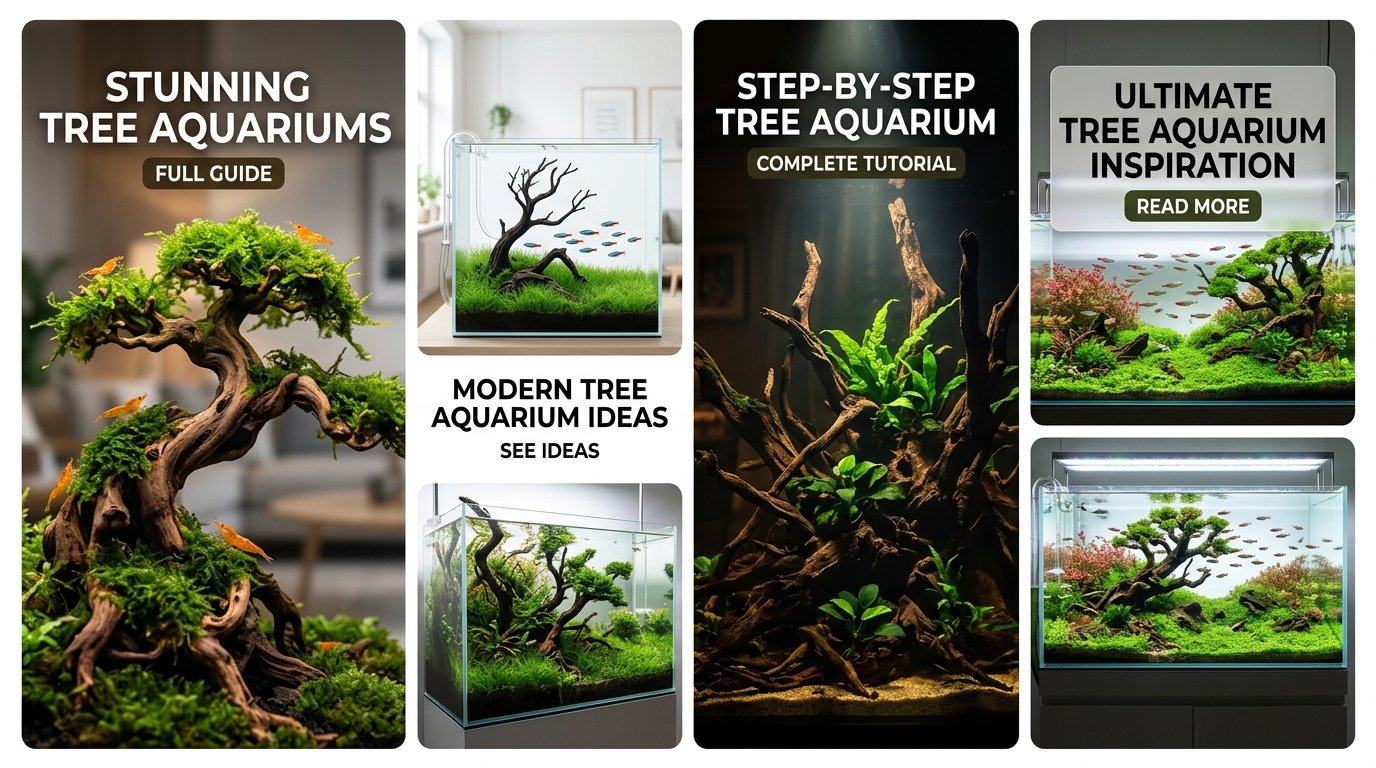
A tree aquarium is one of the most artistic and eye-catching aquascaping styles, transforming an ordinary fish tank into a miniature underwater forest. Using carefully arranged driftwood as tree trunks and branches, combined with lush aquatic mosses and carpeting plants, a tree aquarium creates the illusion of a peaceful woodland beneath the water. This nature-inspired design has become a favorite among aquascaping enthusiasts because it blends creativity, natural beauty, and healthy aquatic habitats.
Whether you’re building your first aquascape or looking for fresh inspiration, this complete guide will help you design, set up, and maintain a stunning tree aquarium.
What Is a Tree Aquarium?
A tree aquarium is an aquascape where driftwood is shaped to resemble trees, while aquatic mosses mimic leaves and plant carpets represent grass or forest floors. The goal is to create a realistic underwater landscape inspired by nature.
A typical tree aquarium includes:
- Driftwood tree structures
- Live aquatic mosses
- Carpeting plants
- Natural rocks
- Fine sand or aquasoil
- Small schooling fish
- Shrimp and snails
When designed properly, the aquarium resembles a tiny underwater forest filled with life.
Why Choose a Tree Aquarium?
Tree aquariums are popular because they combine natural beauty with creative aquascaping.
Benefits include:
- Creates a stunning centerpiece for any room
- Offers a natural habitat for fish
- Encourages healthy plant growth
- Endless design possibilities
- Suitable for freshwater community aquariums
- Ideal for aquascaping competitions and photography
A tree aquarium can become a relaxing focal point in your home or office.
Choosing the Right Aquarium Size
Almost any aquarium can be transformed into a tree aquarium, but larger tanks provide more creative freedom.
Nano Tree Aquarium (5–20 Gallons)
Perfect for:
- Office desks
- Apartments
- Minimalist layouts
Medium Aquarium (20–55 Gallons)
Ideal for:
- One or two tree structures
- Carpeting plants
- Small schools of fish
Large Aquarium (75 Gallons and Above)
Best for:
- Multiple underwater trees
- Forest landscapes
- River-style aquascapes
- Large schools of tropical fish
Larger aquariums allow for greater depth and a more realistic forest appearance.
Choosing the Best Driftwood
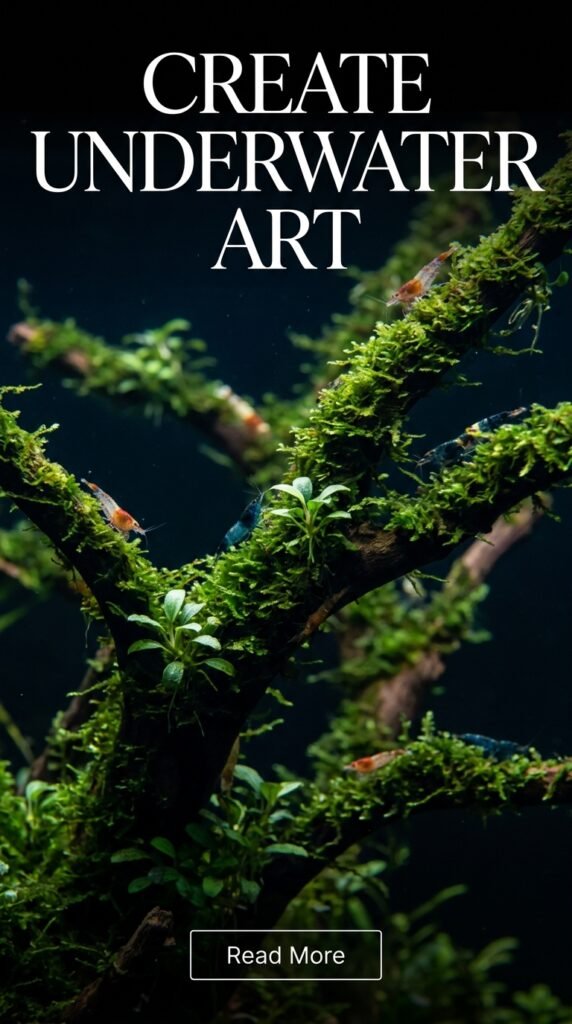
Driftwood forms the foundation of every tree aquarium.
Spider Wood
Spider wood is one of the most popular choices because its branches naturally resemble tree limbs.
Red Moor Wood
This driftwood features intricate branching, making it ideal for creating mature-looking trees.
Manzanita Wood
Manzanita has elegant, smooth branches that work well for modern aquascapes.
Malaysian Driftwood
Its thick, dark appearance creates realistic tree trunks and dramatic layouts.
Before placing driftwood in the aquarium, soak it thoroughly to reduce floating and minimize tannin release.
Building Aquarium Trees
Many aquascapers build custom trees using multiple pieces of driftwood.
Basic steps include:
- Select a thick driftwood piece for the trunk.
- Attach smaller branches using aquarium-safe glue or cotton thread.
- Cover the branch tips with aquatic moss.
- Allow the moss to grow naturally over time.
As the moss expands, it creates a dense canopy that resembles real leaves.
Best Moss for Tree Aquariums
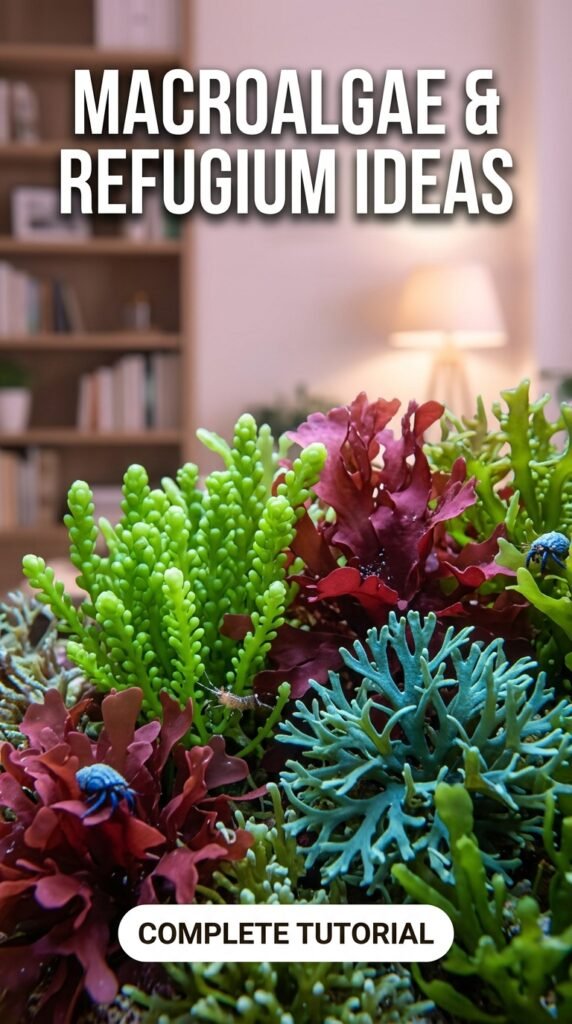
Moss creates the illusion of foliage.
Excellent choices include:
Java Moss
Easy to maintain and ideal for beginners.
Christmas Moss
Forms thick layers that resemble evergreen branches.
Weeping Moss
Creates graceful hanging foliage similar to willow trees.
Flame Moss
Its upright growth creates unique tree shapes.
Secure moss with aquarium-safe glue or fine thread until it naturally attaches to the wood.
Selecting the Right Substrate
A natural substrate enhances the forest theme.
Aquasoil
Provides nutrients for aquatic plants and carpeting species.
Fine Sand
Creates rivers, pathways, and open clearings.
Decorative Gravel
Can be used around rocks or tree roots.
Many tree aquariums combine aquasoil with decorative white sand to create winding forest paths.
Best Carpeting Plants
Carpeting plants create the appearance of grass beneath the trees.
Popular choices include:
- Monte Carlo
- Dwarf Hairgrass
- Glossostigma
- Marsilea
- Micranthemum
These plants spread across the foreground to produce a lush green landscape.
Background Plants
Tall plants create depth without distracting from the tree structures.
Recommended species include:
- Rotala
- Vallisneria
- Ludwigia
- Limnophila
- Hygrophila
Keep the background simple so the tree design remains the focal point.
Using Rocks
Natural stones make the aquascape look more realistic.
Popular options include:
- Dragon Stone
- Seiryu Stone
- Lava Rock
- River Stone
Position rocks around the base of the trees to resemble natural roots and hills.
Best Fish for a Tree Aquarium
Small, colorful fish enhance the illusion of scale.
Excellent choices include:
- Neon Tetras
- Cardinal Tetras
- Ember Tetras
- Harlequin Rasboras
- Chili Rasboras
- Green Neon Tetras
Their schooling behavior creates constant movement through the underwater forest.
Bottom-Dwelling Fish
Peaceful bottom dwellers complete the ecosystem.
Popular options include:
- Corydoras Catfish
- Otocinclus
- Kuhli Loaches
These species help keep the aquarium clean while remaining gentle around plants.
Shrimp and Snails
Shrimp and snails contribute to algae control.
Good choices include:
- Amano Shrimp
- Cherry Shrimp
- Nerite Snails
- Mystery Snails
These invertebrates help maintain a healthy aquarium without disturbing the aquascape.
Lighting Requirements
Healthy plants require quality lighting.
A full-spectrum LED aquarium light should provide:
- Eight to ten hours of daily lighting
- Adjustable brightness
- Balanced spectrum for plant growth
Avoid excessive lighting to reduce algae problems.
CO₂ Injection
Although optional, CO₂ can greatly improve plant health.
Benefits include:
- Faster carpet growth
- Denser moss
- Brighter plant colors
- Healthier aquascape
Low-tech tree aquariums can also succeed using hardy plants and regular fertilization.
Aquarium Filtration
Good filtration keeps the water crystal clear.
Suitable options include:
- Canister filters
- Hang-on-back filters
- Internal filters
Choose gentle water flow to protect delicate plants and moss.
Tree Aquarium Layout Ideas
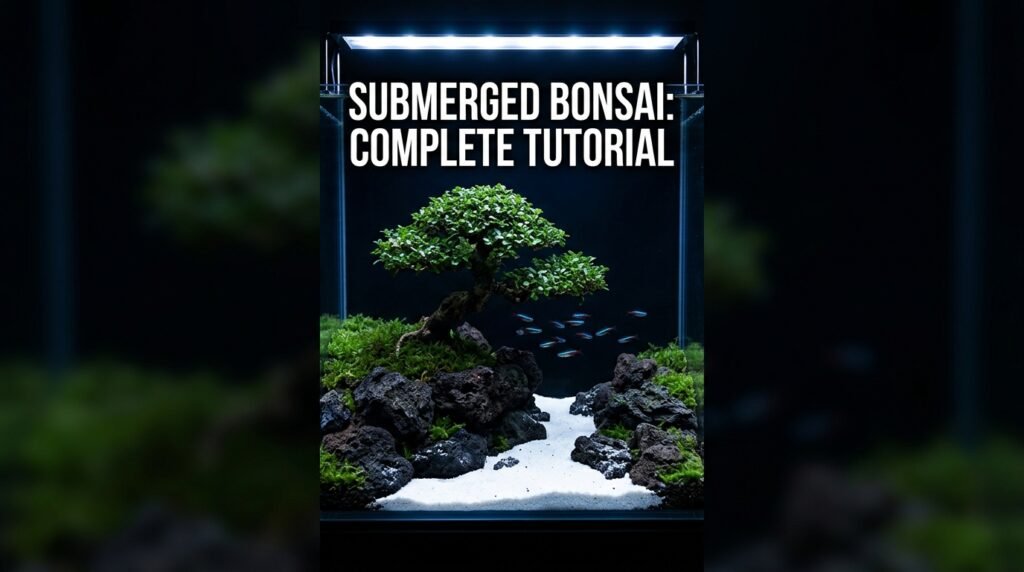
Bonsai Tree Aquarium
A single driftwood bonsai becomes the centerpiece of the tank.
Underwater Forest
Arrange several tree structures of varying heights to create a realistic woodland.
River Forest
A white sand pathway winding through the aquarium resembles a forest stream.
Mountain Forest
Combine rocky hills with tree formations for dramatic scenery.
Floating Tree Layout
Position branches to create the illusion of suspended underwater trees.
Maintenance Tips
Regular maintenance keeps the aquarium healthy and attractive.
Weekly Water Changes
Replace 20% to 30% of the water every week.
Trim Moss
Prune moss regularly to maintain realistic tree canopies.
Trim Carpet Plants
Prevent overgrowth while preserving open pathways.
Clean Aquarium Glass
Remove algae with an aquarium-safe scraper.
Maintain the Filter
Clean filter media using aquarium water to preserve beneficial bacteria.
Monitor Water Parameters
Check:
- Temperature
- pH
- Ammonia
- Nitrite
- Nitrate
Stable water quality ensures healthy fish and plants.
Common Mistakes to Avoid
Using Too Much Driftwood
Overcrowding makes the aquarium appear cluttered.
Ignoring Scale
Choose fish and decorations that maintain the illusion of a miniature forest.
Poor Moss Attachment
Secure moss properly to prevent it from floating away.
Inadequate Lighting
Insufficient light slows plant growth and reduces carpet density.
Neglecting Plant Trimming
Regular pruning preserves the overall design.
Benefits of a Tree Aquarium
A tree aquarium offers many long-term rewards.
- Beautiful natural décor
- Creative aquascaping project
- Healthy habitat for fish
- Improved indoor aesthetics
- Educational experience
- Endless opportunities for customization
Each aquarium becomes a one-of-a-kind underwater landscape.
Conclusion
A tree aquarium is one of the most captivating forms of aquascaping, combining artistic design with the beauty of nature. By using driftwood to create realistic trees, adding lush mosses and carpeting plants, and selecting peaceful fish that complement the landscape, you can build an underwater forest that is both visually stunning and biologically healthy.
Whether you create a single bonsai-inspired centerpiece or an expansive underwater woodland, patience, regular maintenance, and thoughtful design will reward you with a thriving aquarium that becomes the highlight of your home.
Frequently Asked Questions
What is a tree aquarium?
A tree aquarium is a planted freshwater aquascape that uses driftwood and aquatic mosses to resemble miniature trees and forest landscapes beneath the water.
Which driftwood is best for making aquarium trees?
Spider wood, Red Moor wood, Manzanita wood, and Malaysian driftwood are the most popular choices because their branching structures closely resemble natural trees.
What plants are best for a tree aquarium?
Java Moss, Christmas Moss, Weeping Moss, Monte Carlo, Dwarf Hairgrass, Anubias, and Bucephalandra are excellent plants for creating realistic tree canopies and lush forest floors.
Can beginners build a tree aquarium?
Yes. Beginners can create a simple tree aquarium using one driftwood structure, easy-to-grow mosses, hardy carpeting plants, and low-maintenance tropical fish.
What fish look best in a tree aquarium?
Small schooling species such as neon tetras, ember tetras, cardinal tetras, harlequin rasboras, and chili rasboras enhance the illusion of a miniature underwater forest.
How often should I maintain a tree aquarium?
Perform weekly water changes of 20% to 30%, trim moss and carpeting plants every few weeks, clean the filter regularly, and monitor water quality to keep the aquarium healthy and beautiful.