
 By weeebooo70@gmail.com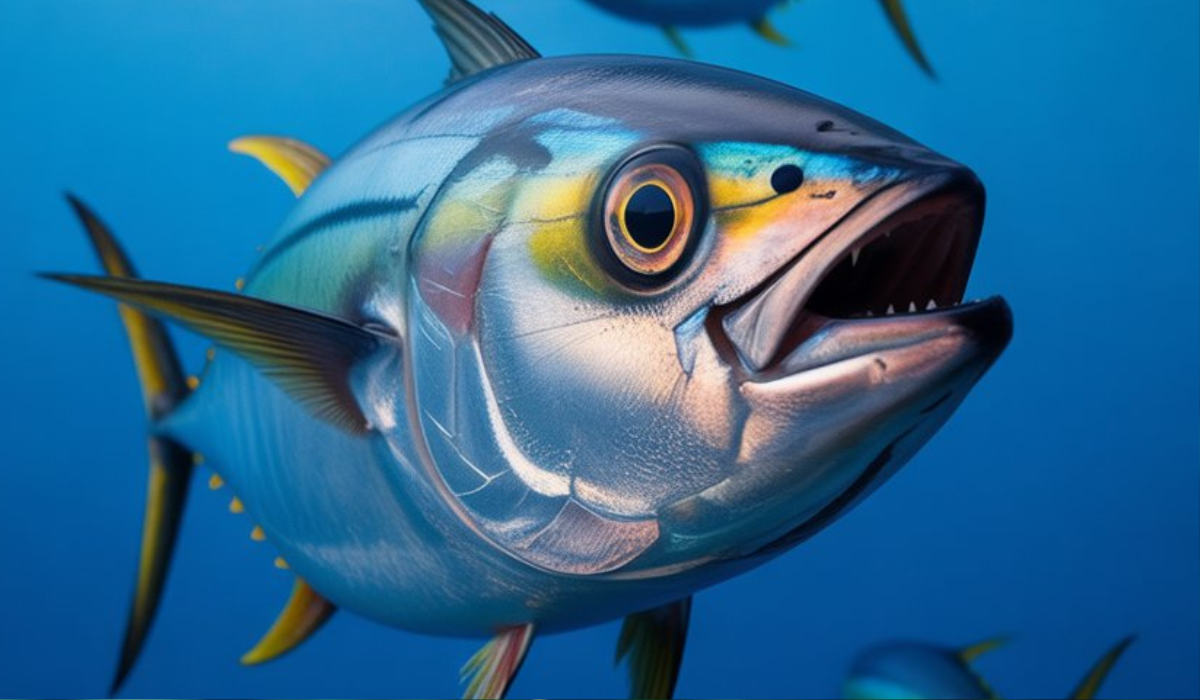
Tuna fish are among the most popular and valuable fish in the world. They are fast-swimming, ocean-dwelling predators known for their incredible strength, streamlined bodies, and nutritional richness. Whether you enjoy sushi, canned tuna, or grilled tuna steaks, this fish plays a major role in the global seafood market as well as in marine ecosystems.
This detailed guide explores everything you need to know about tuna fish — from their biology and behavior to types, distribution, health benefits, fishing industry, conservation, aquarium care, and much more.
What is Tuna Fish?
Tuna fish (family Scombridae, genus Thunnus) are large marine fish known for:
✔ Fast swimming ability
✔ Highly migratory behavior
✔ Strong, muscular bodies
✔ Excellent adaptation to deep seas
Unlike most fish, tuna are endothermic, meaning they can regulate their body temperature slightly higher than the surrounding water. This adaptation makes them faster and more efficient hunters.
Physical Characteristics of Tuna
Tuna have a very unique anatomy:
- Torpedo-shaped body for speed
- Powerful tail fin for strong propulsion
- Smooth, metallic skin with little drag
- Counter-shaded body (dark top and lighter belly for camouflage)
- Sharp eyesight to detect prey in open oceans
Some species of tuna, like the Bluefin tuna, can reach lengths over 3 meters (10 feet) and weigh more than 600 kg (1300 lbs) — making them one of the largest fish in the sea.
Habitat: Where Do Tuna Live?
Tuna are found in:
???? Pacific Ocean
???? Atlantic Ocean
???? Indian Ocean
???? Mediterranean Sea
They typically swim in:
- Open ocean (pelagic zones)
- Temperate, tropical, and subtropical waters
- Deep-water environments during feeding and migration
Tuna migrate long distances for breeding, feeding, and finding suitable water temperatures. Some species travel thousands of kilometers across oceans.
Behavior and Feeding Habits
Tuna are carnivorous predators that hunt:
- Sardines
- Mackerel
- Squid
- Crustaceans
- Smaller fish species
They live in groups called schools, which helps them catch prey efficiently and avoid predators such as sharks, orcas, and larger tuna.
Their high metabolism requires them to constantly swim, ensuring continuous oxygen flow over their gills.
Types of Tuna Fish
There are several species of tuna, each with unique characteristics. Below are the most important and commercially recognized types:
1. Bluefin Tuna
- Largest and most powerful tuna species
- Very fatty and rich flavor
- Commonly used in premium sushi and sashimi
- Can sell for extremely high market prices
Sub-types
- Atlantic Bluefin Tuna
- Pacific Bluefin Tuna
- Southern Bluefin Tuna
2. Yellowfin Tuna (Ahi Tuna)
- Sleek body with yellow fins
- Faster swimmers
- Popular in sashimi, grilling, and searing
Often found in tropical and subtropical waters.
3. Bigeye Tuna
- Enlarged eyes adapted for deep-water hunting
- High-quality meat with rich taste
- Often confused with Yellowfin but fatter
Best used for sushi and steaks.
4. Albacore Tuna
- White meat tuna commonly used in canned products
- Mild flavor and lower fat content
- Long pectoral fins and silver body
Also known as White Tuna in markets.
5. Skipjack Tuna
- Most common tuna used in canned tuna products
- Smaller size but very abundant
- Stripe-pattern on lower belly
Used to make tuna flakes, canned tuna chunks, pet food etc.
6. Blackfin Tuna
- Smallest species
- Found mostly in the western Atlantic
- Popular among sport fishing communities
Ideal for cooking fresh rather than canning.
7. Bonito Tuna
- Actually closely related but not a “true tuna”
- Strong flavor
- Often smoked, dried, or used in fish stock
Widely used in Asian cuisine.
Life Cycle of Tuna
Tuna reproduce through spawning, releasing millions of eggs into the ocean. Once the eggs hatch:
- Larvae – tiny and weak
- Juveniles – grow rapidly
- Adults – reach full strength and speed
- Mature breeders – continue the cycle
Some species live up to 40 years, while smaller species live only 5–8 years.
Importance of Tuna in Marine Ecosystems
Tuna play a crucial role in the balance of marine life:
- Maintain healthy food chains
- Control populations of smaller fish
- Serve as prey for larger predators
Their decline affects the entire oceanic ecosystem.
Tuna Fish as Food
Tuna is one of the most consumed fish in the world due to its:
- Delicious taste
- Versatile cooking options
- High nutritional value
Popular Culinary Uses
???? Sushi & Sashimi
???? Grilled tuna steaks
???? Baked tuna
???? Tuna sandwiches
???? Tuna salads
???? Canned tuna dishes
Nutritional Benefits of Tuna Fish
Tuna is a powerhouse of essential nutrients:
| Nutrient | Benefit |
|---|---|
| Protein | Muscle growth & repair |
| Omega-3 fatty acids | Heart & brain health |
| Vitamin D | Bone strength & immunity |
| Vitamin B12 | Nerve health & energy |
| Selenium | Antioxidant support |
| Iron | Increases hemoglobin |
Health Advantages
✔ Supports heart health
✔ Helps reduce inflammation
✔ Improves brain function
✔ Good for athletes and fitness people
✔ Low in calories and fat (except Bluefin which is fattier)
Concerns: Mercury in Tuna
Like other large ocean fish, tuna can accumulate mercury in their bodies. Pregnant women, children, and sensitive individuals should limit consumption of large species like Bluefin and Bigeye.
Skipjack and Albacore typically contain lower mercury levels and are considered safer for regular consumption.
Tuna Fishing Industry
Tuna is one of the most commercially important fish worldwide. It supports:
- Global trade and export
- Millions of jobs in fishing communities
- Seafood market economy
Fishing Methods
- Longline fishing
- Purse seine nets
- Pole-and-line fishing
- Trolling
Pole-and-line is considered the most sustainable and environmentally friendly method.
Challenges & Threats
Overfishing is the biggest threat tuna face. Species such as Bluefin tuna are endangered due to excessive demand in sushi markets.
Other threats include:
- Illegal fishing
- Marine pollution
- Climate change affecting breeding grounds
Tuna Conservation Efforts
To protect tuna populations, global organizations promote:
- Fishing quotas
- Seasonal bans
- Marine protected areas
- Sustainable fishing certifications
Consumers are encouraged to choose responsibly sourced tuna products.
Can You Keep Tuna Fish in Aquariums?
Tuna are not suitable for normal aquariums because:
- They are extremely large
- They need high-speed swimming space
- They require deep, open-water settings
- They need constant oxygen flow
Only major marine aquariums with massive tanks have successfully kept smaller tuna species temporarily. They do not survive long in captivity.
Fun Facts About Tuna Fish
???? Tuna can swim up to 75 km/h — faster than most marine animals
???? They never stop swimming from the moment they hatch
???? Bluefin tuna can dive over 1000 meters deep
???? Tuna can raise body temperature above seawater
???? Some tuna travel across entire oceans in their lifetime
How to Identify Fresh Tuna
Fresh tuna fish should have:
- Bright, shiny skin
- Firm flesh
- Fresh ocean-like smell
- Clear eyes (if whole fish)
- Deep red or pink meat (not brown)
Avoid tuna with dull color or fishy smell.
Tuna Farming (Aquaculture)
Due to declining wild stocks, tuna farming has increased. Young tuna are caught and then raised until mature size. However, this method still affects wild populations and requires responsible management for sustainability.
Conclusion
Tuna fish are truly remarkable creatures — powerful, nutritious, and essential to marine ecosystems. Their significance extends from the deep ocean to dining tables worldwide. To ensure tuna remain abundant for future generations, sustainability and responsible consumption are key.
Whether enjoying tuna as a healthy diet choice or appreciating their role in the ocean, understanding tuna fish helps us value and protect them better.
FAQs About Tuna Fish
1. Is tuna fish healthy to eat?
Yes, tuna is rich in protein, omega-3 fatty acids, vitamins, and minerals, making it an excellent healthy food option.
2. Which tuna has the most nutrition?
Bluefin tuna has the highest fat content and most omega-3s, while Yellowfin and Skipjack are leaner options.
3. Why do tuna swim so fast?
Their streamlined body, strong tail fin, and warm-blooded adaptation allow for high-speed swimming.
4. What is the difference between yellowfin and albacore tuna?
Yellowfin is larger and commonly used for steaks and sashimi, while Albacore is typically used for canned white tuna.
5. Are tuna endangered?
Some species like Bluefin tuna are endangered from overfishing, while others remain stable.
6. How long do tuna live?
Depending on the species, tuna can live from 5 to 40 years.
7. Can tuna be raised in aquariums?
No, tuna require enormous open ocean space and constant swimming, making them unsuitable for home aquariums.
8. Do tuna migrate?
Yes, tuna travel thousands of kilometers across oceans every year to feed and reproduce.