
 By admin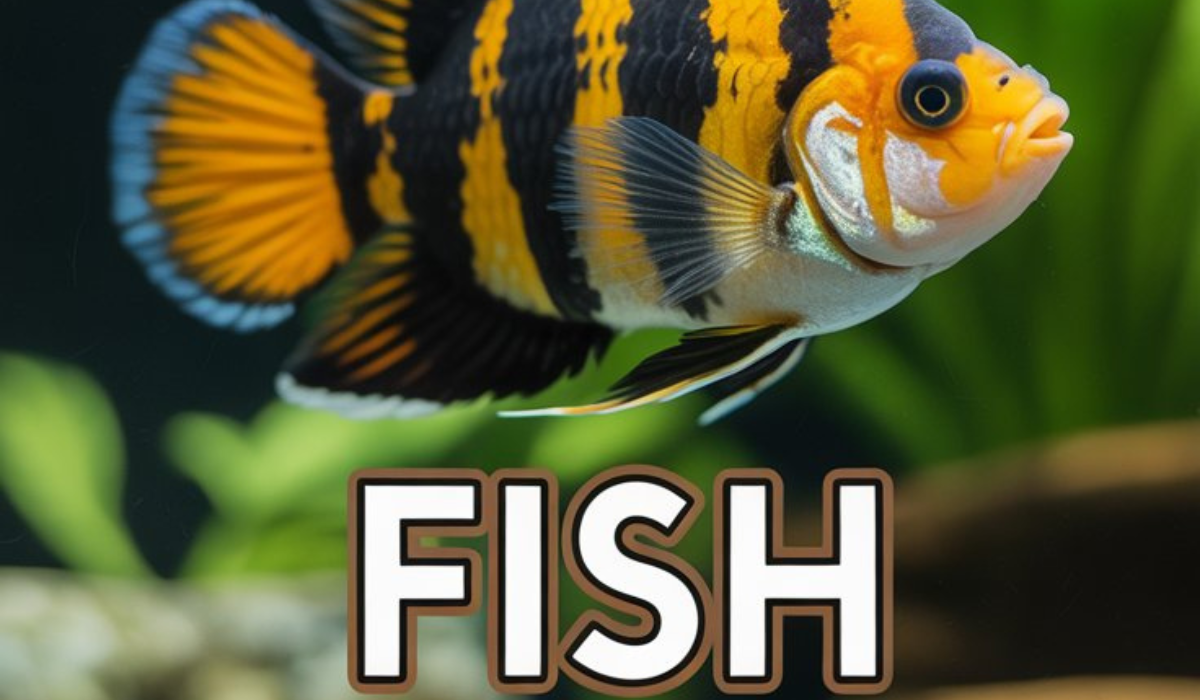
Oscar fish are undoubtedly one of the most intelligent and charismatic freshwater aquarium fish in the world. Famous for their bold personality, interactive nature, and stunning color varieties, Oscars have earned a special place in the hearts of aquarists everywhere. Scientifically known as Astronotus ocellatus, these cichlids are native to South America but are now cherished globally as show-quality aquarium pets.
This long-form guide covers everything you need to know about Oscar fish including their lifespan, ideal tank setup, diet, breeding, and all major types available in the fish-keeping hobby.
What Is an Oscar Fish?
The Oscar fish is a large, tropical cichlid belonging to the Cichlidae family. They are known for their powerful bodies, fast growth, and striking pigmentation. Oscars are highly intelligent — they can recognize their owners, beg for food, and even respond to hand gestures.
Key Facts
| Description | Details |
|---|---|
| Scientific Name | Astronotus ocellatus |
| Other Names | Velvet Cichlid, Tiger Oscar |
| Origin | Amazon River Basin, South America |
| Adult Size | 10–14 inches on average |
| Lifespan | 10–20 years in captivity |
| Temperament | Semi-aggressive |
| Tank Level | Intermediate to advanced hobbyists |
With captivating patterns, fast learning ability, and dynamic behavior, Oscars are like underwater pets with real personality.
Appearance and Body Structure
Oscar fish have a deep, oval-shaped body with large heads and strong jaws. Their fins are wide and rounded, giving them great agility. Their base colors usually include a mixture of black, brown, orange, red, and yellow depending on the variety.
Young Oscars may appear dull in color but develop their full pigmentation within a few months as they grow.
Unique Adaptations
- Oscars have excellent memory and display territorial behavior.
- They can change color slightly depending on mood and health.
- They communicate with body movements during mating or aggression.
Natural Habitat in the Wild
Oscar fish originate from the slow-moving, dark waters of:
- Amazon River
- Orinoco Basin
- Smaller streams and floodplains in Brazil, Peru, Colombia
Their habitat contains submerged roots, sandy bottoms, and murky conditions with warm temperatures. This is why they prefer warm water and dim lighting in aquariums.
Oscar Fish Temperament and Behavior
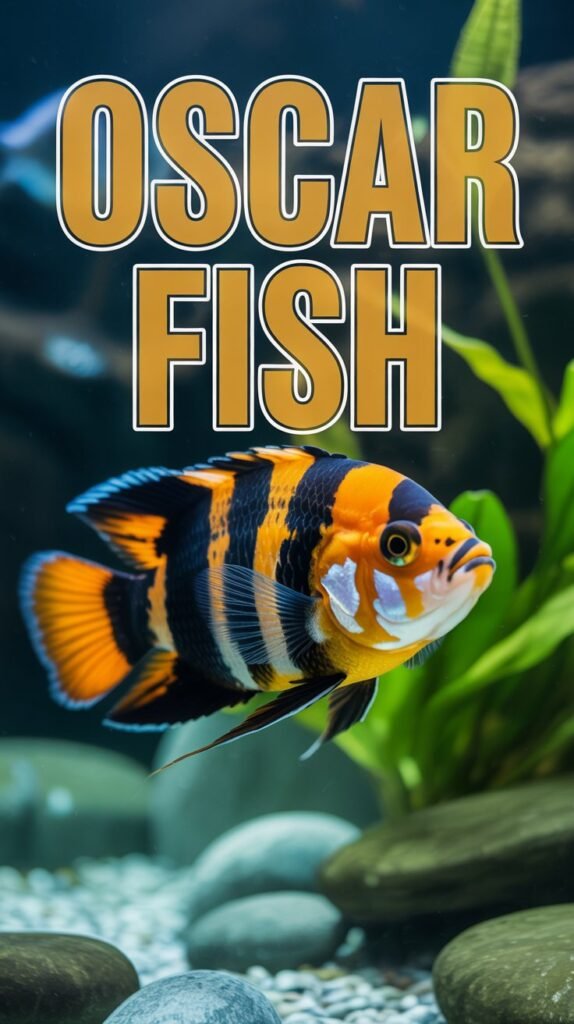
Oscars are highly territorial, especially as adults. They will defend their space aggressively against other similar-sized fish. Despite their aggression, Oscars are very social with humans and may follow you around the tank or take food from your hand.
They enjoy rearranging aquarium décor, digging substrate, and sometimes uprooting plants. Their playful but dominant nature is what makes them fascinating.
Oscar Fish Tank Requirements
Because Oscars grow large and are messy eaters, they require a spacious aquarium with strong filtration.
???? Ideal Tank Setup
| Requirement | Ideal Range |
|---|---|
| Minimum Tank Size | 75–125 gallons per adult Oscar |
| Water Temperature | 74–82°F (23–28°C) |
| pH Level | 6.5–7.5 |
| Water Hardness | 5–20 dGH |
| Filtration | Powerful filtration system — high waste load |
| Substrate | Sand preferred; smooth gravel okay |
| Lighting | Moderate to dim |
Décor and Arrangement
✔ Heavy rocks
✔ Driftwood
✔ Strongly rooted plants (or artificial plants)
✔ Large open swimming space
❌ Sharp decorations
❌ Fragile plants (they will dig them up)
Oscars are known for destroying things they don’t like — so décor must be sturdy.
Best Tank Mates for Oscar Fish
Tank mates must be similar in size and able to stand their ground without being overly aggressive.
Compatible Fish
- Severums
- Jack Dempseys
- Silver Dollars
- Plecos
- Firemouth Cichlids
- Red Tail Sharks (in huge tanks)
Avoid Keeping With
- Small fish like guppies or tetras (will be eaten)
- Overly aggressive large predators (can cause fights)
Housing multiple Oscars together is possible, but the tank must be large and fish introduced as juveniles to avoid severe aggression.
Diet and Feeding
Oscars are omnivores but prefer a protein-rich diet. In the wild, they eat insects, worms, crustaceans, and smaller fish.
Best Food Options
- High-quality cichlid pellets
- Frozen shrimp
- Bloodworms
- Mealworms
- Crickets
- Earthworms
- Fish fillets (sparingly)
- Vegetables such as peas and spinach (for digestion)
Foods to Avoid
✖ Fatty meats like beef
✖ Goldfish as feeders (risk of disease)
✖ Chips, bread, or human food
Feed 2–3 small meals daily for juveniles and once daily for adults.
Oscar Fish Lifespan
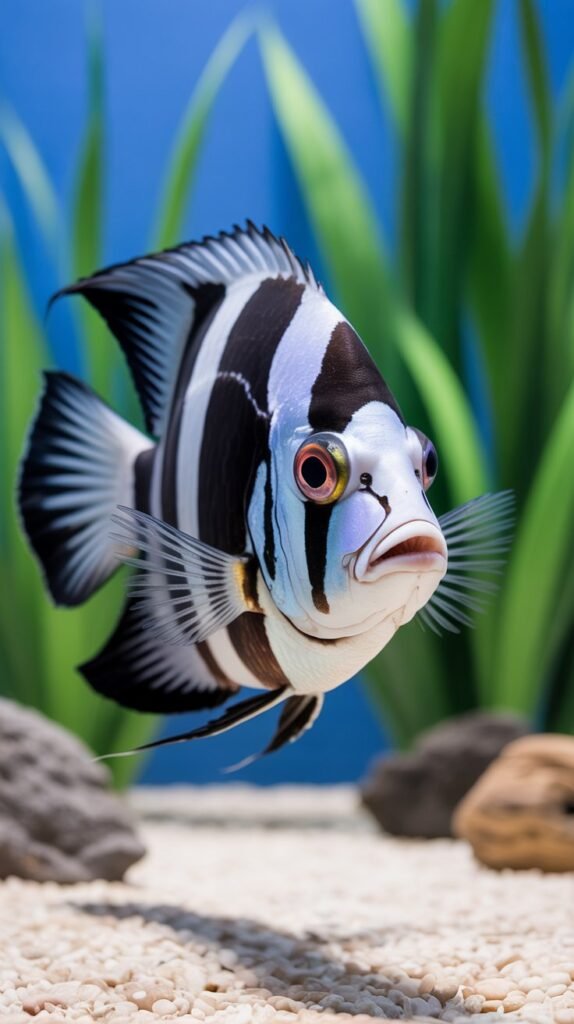
With excellent care, Oscars can live 10–20 years or more. Proper nutrition, clean water, and large tank space are the keys to a long, healthy life.
Breeding Oscar Fish
Breeding Oscars is quite achievable in home aquariums if conditions are right. They form monogamous pairs and show strong parenting instincts.
Breeding Process Overview
- Select a mature male and female (around 12–18 months old)
- Maintain pristine water and slightly elevated temperature (82°F)
- Provide a flat rock or slate for egg laying
- Female lays hundreds to thousands of eggs
- Parents actively guard and fan the eggs until they hatch
Oscar fry are delicate and need infusoria or newly hatched brine shrimp until they grow.
Oscar Fish Health & Maintenance
Oscar fish are generally hardy but can be prone to some health conditions:
| Disease | Cause | Prevention |
|---|---|---|
| Hole-in-the-Head Disease (HITH) | Poor diet, lack of minerals | Balanced diet with vitamins |
| Parasitic infections | Unquarantined fish/food | Quarantine all additions |
| Fin rot | Dirty environment | Regular water changes |
| Bloating | Overfeeding | Limit fatty foods |
Important Maintenance Tips
- Weekly water changes (30–40%)
- Clean filters regularly
- Test water parameters often
- Provide mental stimulation (toys, new décor)
Types of Oscar Fish
Oscar fish come in many color patterns selectively bred by hobbyists. The major types include:
???? 1. Tiger Oscar
- Classic black body with fiery orange stripes/spots
- Most common variety
???? 2. Red Oscar
- Deep red or orange body with darker back area
- Very vibrant and popular
???? 3. Albino Oscar
- White/pink base with red pattern
- Red eyes due to albinism
???? 4. Lutino Oscar
- Golden yellow and white body with red eyes
- Less pattern than albino
???? 5. Blue Oscar
- Blue or turquoise tint through scales
- Selectively bred, quite rare
???? 6. Veil Tail Oscar
- Long, flowing fins — elegant look
- Requires extra care due to fin damage risk
???? 7. Black Oscar
- Extremely dark body with faint orange pattern
- Striking and bold appearance
???? 8. White Oscar
- Pure white body with light yellow/orange shading
- Very premium variety
???? 9. Wild Oscar
- Original natural coloration — brownish-green with orange eye spots near tail
Many variations combine patterns, such as:
- Lemon Oscar
- Copper Oscar
- Jumbo Oscar line-bred for larger size
Growth Rate of Oscar Fish
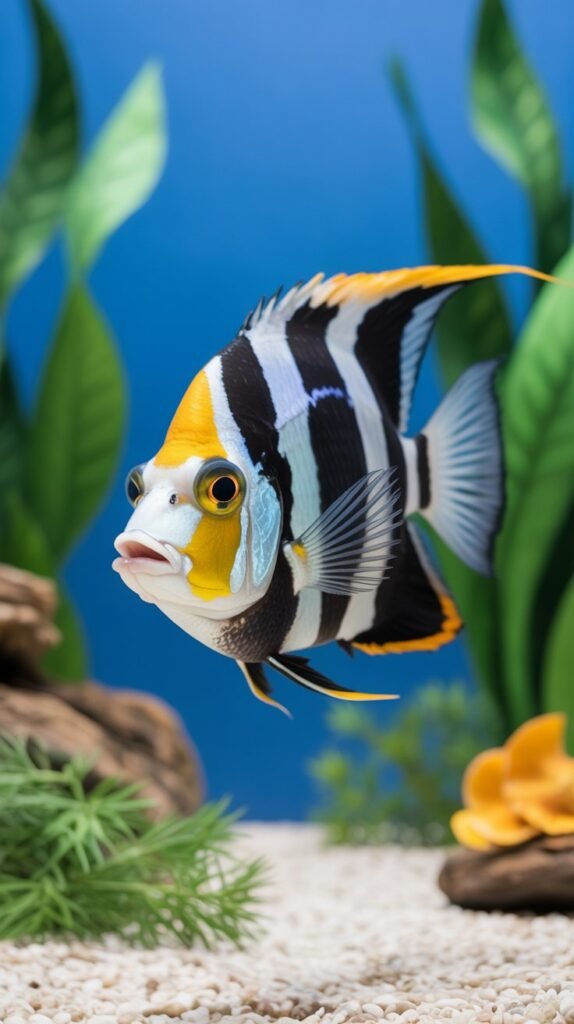
Oscars grow rapidly in their first year:
| Age | Average Size |
|---|---|
| 3 months | 3–4 inches |
| 6 months | 6–8 inches |
| 1 year | 10–12 inches |
A spacious tank is essential right from the start.
Why Oscars Are Popular Pets
- Unique interaction and intelligence
- Easy to train — will take food from your hand
- Show bold personality and mood changes
- Beautiful color varieties
- Long lifespan strengthens bond with owners
They are often compared to aquatic dogs due to their loyalty and playfulness.
Tips for Beginners
✔ Start with a large tank (minimum 75–100 gallons)
✔ Use strong filtration — they are messy eaters
✔ Avoid small tank mates
✔ Keep décor sturdy and secure
✔ Maintain warm and stable water conditions
✔ Feed a balanced and varied diet
FAQs About Oscar Fish
1. Are Oscar fish aggressive?
Yes, they are semi-aggressive, especially toward smaller or similar-sized fish invading their territory.
2. How long do Oscars live?
They can live 10–20 years with excellent care.
3. Can Oscars live in a community tank?
Yes, but only with similarly sized non-aggressive fish. Small fish will be eaten.
4. Do Oscars need a big tank?
Absolutely. They grow large and need space — 75 gallons minimum for one.
5. What should I feed my Oscar?
High-quality pellets, shrimp, worms, insects — avoid fatty meats and feeder goldfish.
6. Can Oscars recognize their owners?
Yes! They respond to visual cues, movement, and feeding routines.
7. Can Oscar fish breed in an aquarium?
Yes, if you have a compatible pair and a suitable environment.
8. Do Oscars damage plants?
Often yes — they dig and may uproot or destroy live plants.
9. Why is my Oscar changing color?
Mood, breeding, stress, and health can cause slight color shifts. Sudden, major fading may indicate illness.
Final Thoughts
Oscar fish are more than just aquarium pets — they are energetic companions full of intelligence and personality. For aquarists who love interaction, behavior, and stunning coloration, Oscars are the ideal choice. With the right environment, diet, and care routine, your Oscar can become the star of your aquarium for many years.