
 By admin
A fish tank stand is more than just a piece of furniture placed under an aquarium. It is a critical support system that ensures safety, stability, and long-term success for your fish tank. Many aquarium owners invest heavily in tanks, filters, lighting, and fish, yet underestimate the importance of a proper stand. Using the wrong stand can lead to tank damage, water leaks, or even complete aquarium failure.
In this detailed guide, you will learn what a fish tank stand is, why it is essential, how it works, and how to choose the best one for your aquarium. We will also cover all types of fish tank stands, materials, weight considerations, safety tips, and maintenance advice so you can make an informed decision.
What Is a Fish Tank Stand?
A fish tank stand is a specially designed structure built to support the weight of an aquarium, including water, substrate, decorations, equipment, and fish. Unlike regular tables or cabinets, a fish tank stand is engineered to distribute weight evenly and handle constant pressure over long periods.
Aquariums can weigh much more than they appear. Even a small tank becomes extremely heavy once filled with water, making a strong and stable stand absolutely necessary
Why a Fish Tank Stand Is Important

1. Supports Heavy Weight
Water weighs a lot, and a filled aquarium can weigh hundreds of kilograms. A proper fish tank stand is built to handle this load safely.
2. Ensures Safety
A weak or uneven stand can crack the tank glass or cause it to tip over, putting fish and people at risk.
3. Provides Stability
A good stand keeps the tank level, which is essential for preventing stress on the glass seams.
4. Enhances Appearance
Fish tank stands improve the overall look of the aquarium by giving it a clean and professional setup.
5. Storage Space
Many fish tank stands include cabinets or shelves to store food, filters, and maintenance tools.
How Much Weight Does a Fish Tank Stand Need to Hold?
Before choosing a fish tank stand, it is important to understand aquarium weight.
On average:
- 1 liter of water weighs about 1 kilogram
- Substrate, rocks, and decorations add extra weight
- Glass tanks are heavier than acrylic tanks
For example:
- A 50-gallon tank can weigh over 200 kilograms when fully set up
- A 100-gallon tank can exceed 450 kilograms
A fish tank stand must be rated to support more weight than the fully loaded aquarium.
Types of Fish Tank Stands

There are several types of fish tank stands available, each designed for different needs, tank sizes, and styles. Below is a complete explanation of all major fish tank stand types.
1. Wooden Fish Tank Stand
A wooden fish tank stand is one of the most popular and widely used options.
Advantages:
- Strong and durable
- Attractive natural appearance
- Available in many designs
- Suitable for medium to large tanks
Disadvantages:
- Can be damaged by water if not sealed
- Heavier than metal stands
Best for home aquariums where aesthetics and strength are both important.
2. Metal Fish Tank Stand
A metal fish tank stand is built using steel or iron frames.
Advantages:
- Extremely strong
- Slim and modern design
- Resistant to warping
- Ideal for large tanks
Disadvantages:
- Less decorative
- Can rust if not coated properly
Best for large aquariums, fish rooms, and professional setups.
3. Cabinet Fish Tank Stand
A cabinet fish tank stand includes enclosed storage space under the aquarium.
Advantages:
- Hides equipment and wires
- Clean and organized look
- Adds storage convenience
Disadvantages:
- Heavier and more expensive
- Limited ventilation if poorly designed
Best for living rooms and display aquariums.
4. Open Frame Fish Tank Stand
An open frame fish tank stand has a simple design with visible support legs.
Advantages:
- Easy access to equipment
- Good airflow
- Lightweight design
Disadvantages:
- No hidden storage
- Less decorative
Best for utility rooms and breeding setups.
5. Custom Fish Tank Stand
A custom fish tank stand is built specifically for your aquarium.
Advantages:
- Perfect fit for tank size
- Custom height and design
- Can support very large tanks
Disadvantages:
- Higher cost
- Longer build time
Best for large, unique, or custom aquariums.
6. DIY Fish Tank Stand
A DIY fish tank stand is built at home using wood or metal.
Advantages:
- Cost-effective
- Fully customizable
- Satisfying personal project
Disadvantages:
- Requires skill and tools
- Risk of mistakes if poorly designed
Best for experienced hobbyists who understand weight distribution.
7. Commercial Aquarium Stand
A commercial aquarium stand is manufactured specifically for branded aquariums.
Advantages:
- Designed for specific tank models
- Professional finish
- Reliable weight capacity
Disadvantages:
- Limited size compatibility
- Higher price
Best for matching factory-made aquariums.
Materials Used in Fish Tank Stands
Solid Wood
Strong and attractive but must be sealed against moisture.
Plywood
More affordable and stable than solid wood when properly constructed.
Steel
Extremely strong and ideal for heavy tanks.
Aluminum
Lightweight and corrosion-resistant but less strong than steel.
Choosing the Right Fish Tank Stand
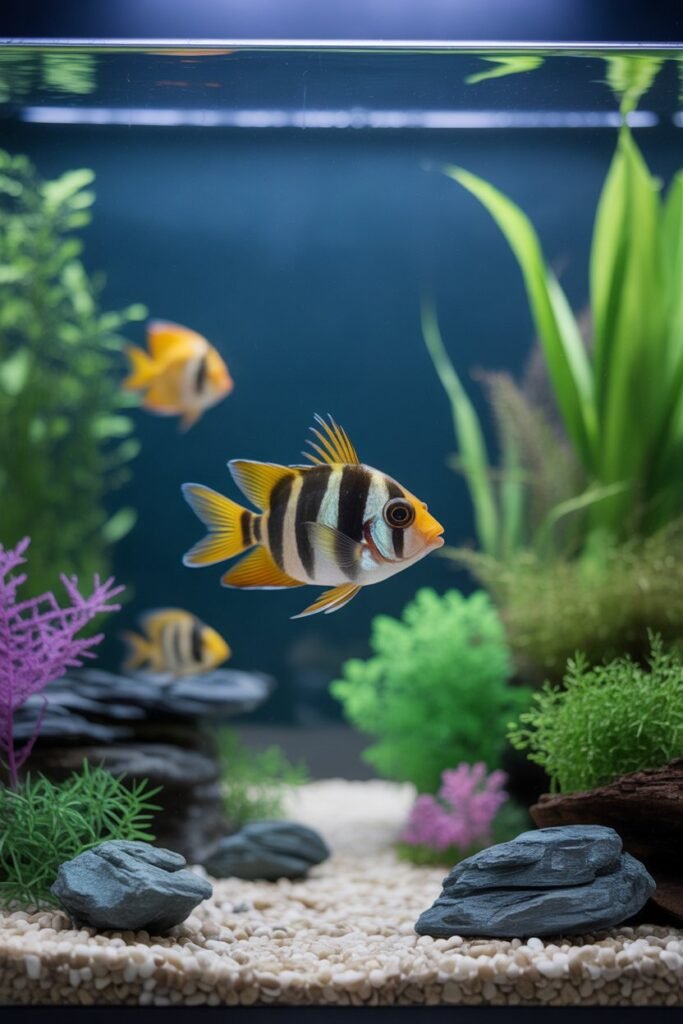
When selecting a fish tank stand, consider the following factors:
Tank Size and Shape
The stand must match the exact footprint of the tank.
Weight Capacity
Always choose a stand rated above your tank’s total weight.
Room Location
Consider floor strength, moisture, and space availability.
Height Preference
Choose a comfortable viewing height for your tank.
Style and Design
Match the stand with your room décor.
Fish Tank Stand Safety Tips
- Ensure the stand is perfectly level
- Place the stand on a strong floor
- Avoid placing tanks near edges
- Use foam mats if recommended
- Check screws and joints regularly
Safety should always be the top priority when setting up a fish tank stand.
Maintenance of a Fish Tank Stand
- Wipe water spills immediately
- Check for rust or wood swelling
- Tighten bolts periodically
- Ensure proper ventilation
- Keep the area clean and dry
Proper maintenance extends the life of your fish tank stand.
Common Fish Tank Stand Mistakes
- Using household furniture instead of a stand
- Ignoring weight limits
- Poor leveling
- Placing stand on weak flooring
- Overloading storage compartments
Avoiding these mistakes helps prevent accidents and tank damage.
Benefits of Using a Proper Fish Tank Stand
- Improved safety and stability
- Longer tank lifespan
- Better aquarium appearance
- Organized equipment storage
- Peace of mind
A quality fish tank stand is a foundation for a successful aquarium.
Fish Tank Stand FAQs
What is the best material for a fish tank stand?
Steel and solid wood are the most reliable materials for strength and durability.
Can I place a fish tank on a normal table?
No, regular tables are not designed to support the constant weight of an aquarium.
How tall should a fish tank stand be?
Most stands are designed to place the tank at eye level when seated or standing.
Do fish tank stands need to be level?
Yes, an unlevel stand can stress the tank glass and cause leaks or cracks.
Can I build my own fish tank stand?
Yes, but it must be properly designed to handle weight and pressure.
Do fish tank stands work for saltwater tanks?
Yes, but they must be corrosion-resistant and well-sealed.
How long does a fish tank stand last?
With proper care, a high-quality fish tank stand can last many years.
Final Thoughts
A fish tank stand is not just a supporting structure; it is the backbone of your aquarium setup. Choosing the right stand protects your investment, enhances the appearance of your tank, and ensures a safe environment for your fish. By understanding the different types, materials, and safety requirements, you can confidently select a fish tank stand that meets both functional and aesthetic needs.