
 By admin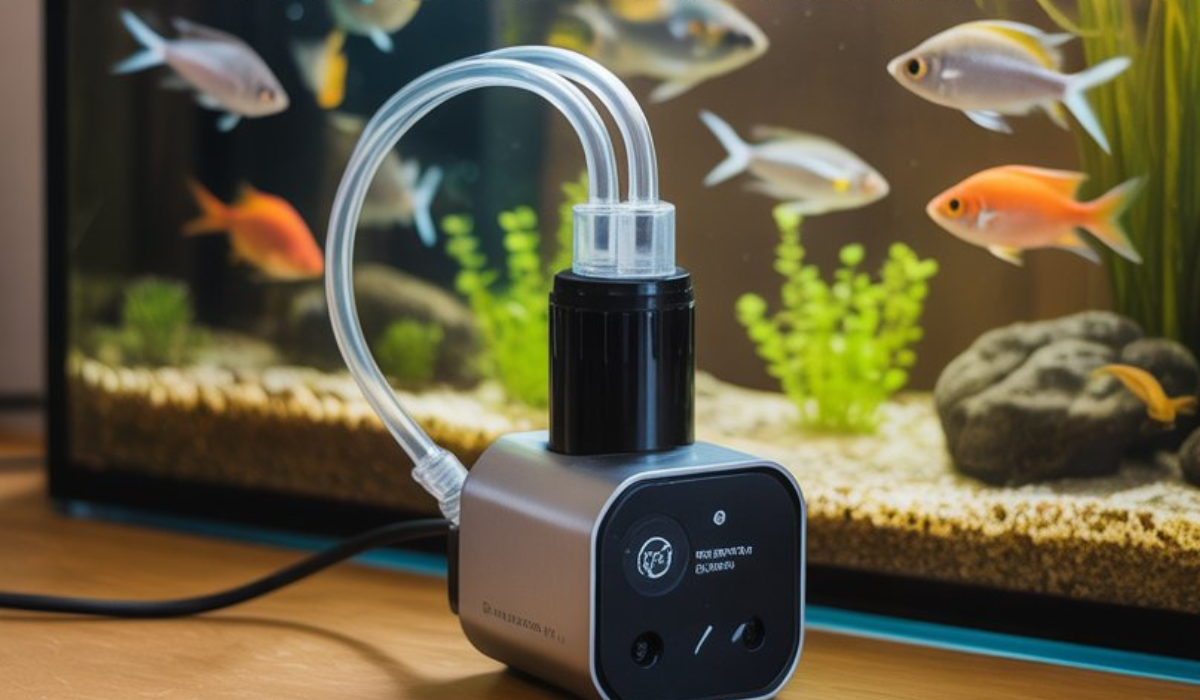
An air pump for fish tank setups is one of the most useful yet often misunderstood pieces of aquarium equipment. While many beginners believe air pumps are optional, experienced aquarists know that proper aeration can significantly improve fish health, water quality, and overall tank stability.
Whether you maintain a small home aquarium, a planted tank, a breeding setup, or a large community aquarium, choosing the right air pump for fish tank use can make a noticeable difference. This detailed guide explains everything you need to know, including types of air pumps, how they work, benefits, selection tips, installation, maintenance, and common mistakes.
What Is an Air Pump for Fish Tank?
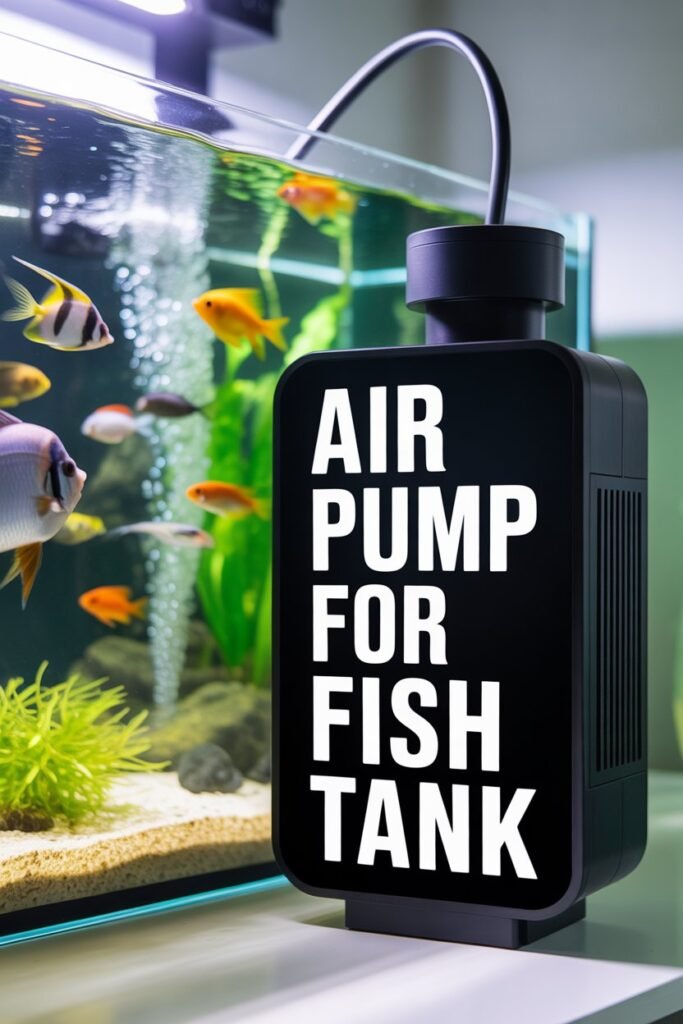
An air pump for fish tank is a device that pushes air through tubing into the aquarium. The air usually exits through an air stone, sponge filter, or decorative ornament, creating bubbles that help circulate water and improve gas exchange.
Although air pumps do not directly add oxygen to the water, they increase oxygen absorption by moving water at the surface. This movement releases carbon dioxide and allows fresh oxygen to dissolve into the tank.
Why an Air Pump for Fish Tank Is Important
Air pumps offer multiple benefits beyond just creating bubbles.
Improves Oxygen Levels
Better surface agitation helps oxygen dissolve into the water, especially important in crowded tanks.
Enhances Water Circulation
Prevents stagnant zones where waste and debris can build up.
Supports Beneficial Bacteria
Oxygen-rich environments help beneficial bacteria thrive, improving biological filtration.
Reduces Stress in Fish
Many fish species feel more comfortable in well-oxygenated water.
Essential During Power Failures
Battery-powered air pumps can keep fish alive during outages.
Do All Fish Tanks Need an Air Pump?
Not every aquarium requires an air pump, but many benefit from one.
Tanks That Benefit Most from an Air Pump
- Heavily stocked aquariums
- Warm water tanks (warm water holds less oxygen)
- Breeding tanks
- Tanks using sponge filters
- Aquariums with low water movement
Tanks That May Not Need an Air Pump
- Tanks with strong filtration causing surface agitation
- Lightly stocked planted aquariums
Even in these cases, an air pump can still be helpful as backup support.
How an Air Pump for Fish Tank Works
An air pump draws air from the surrounding environment and pushes it through airline tubing. The air exits into the aquarium as bubbles. As bubbles rise, they move water upward, creating surface movement that enhances oxygen exchange.
The key benefit comes from water movement, not the bubbles themselves.
Types of Air Pump for Fish Tank
Understanding different air pump types helps you choose the right one.
Single Outlet Air Pumps
These pumps have one air outlet and are ideal for:
- Small aquariums
- Nano tanks
- Single sponge filter setups
They are compact, quiet, and easy to use.
Dual Outlet Air Pumps
Dual outlet pumps can run two accessories at once, such as:
- Two air stones
- Two sponge filters
- One air stone and one ornament
They offer better airflow control and flexibility.
Multi Outlet Air Pumps
Designed for larger aquariums or multiple tanks, these pumps:
- Supply air to several devices
- Provide stronger airflow
- Are common in fish rooms and breeding setups
Adjustable Air Pumps
Adjustable air pumps allow control over airflow strength, making them suitable for:
- Sensitive fish
- Shrimp tanks
- Betta aquariums
Flow control prevents excessive turbulence.
Battery Operated Air Pumps
Battery-powered air pumps are essential for:
- Emergency situations
- Power outages
- Transporting fish
They may not be strong but can save fish lives.
USB Air Pumps
USB air pumps are modern, compact, and energy-efficient. They are suitable for:
- Small tanks
- Desktop aquariums
- Portable setups
Linear Piston Air Pumps
These are high-performance pumps used in:
- Large aquariums
- Commercial setups
- Breeding facilities
They are powerful, durable, and designed for continuous operation.
Accessories Used with an Air Pump for Fish Tank
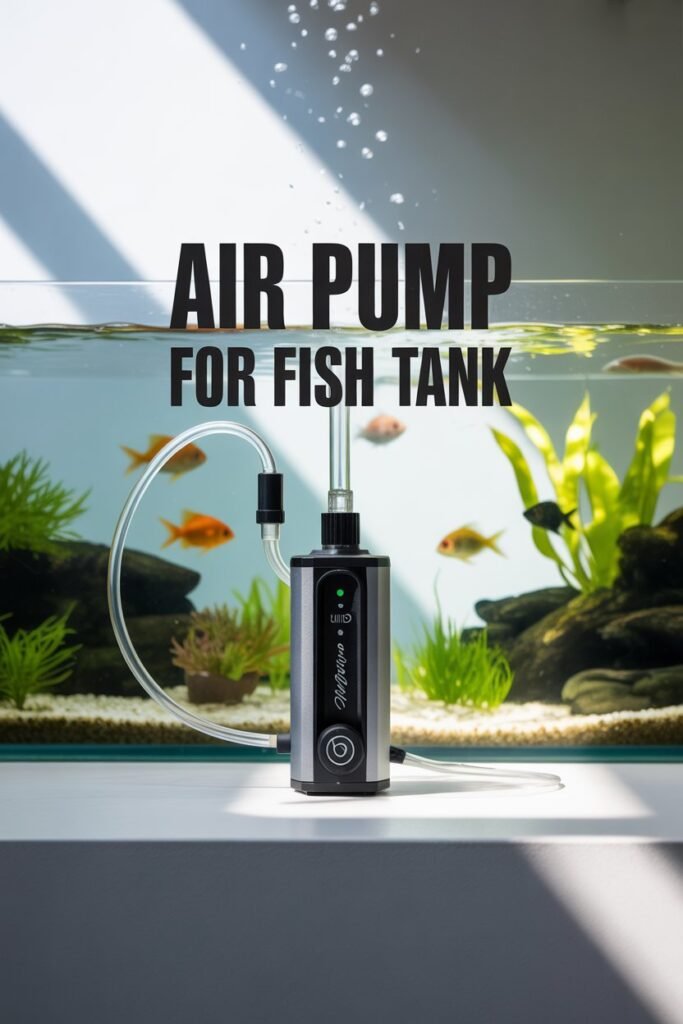
An air pump alone is not enough. Supporting accessories are essential.
Airline Tubing
Connects the pump to accessories inside the tank.
Air Stones
Break air into fine bubbles for better water movement.
Sponge Filters
Provide filtration and aeration simultaneously.
Check Valves
Prevent water from flowing back into the air pump.
Control Valves
Regulate airflow strength.
Air Diffusers
Distribute air evenly across the tank.
Benefits of Using an Air Pump for Fish Tank
Healthier Fish
Fish show better activity, appetite, and coloration.
Improved Water Quality
Better oxygen levels support beneficial bacteria.
Enhanced Filtration
Sponge and undergravel filters rely on air pumps.
Visual Appeal
Bubbles add movement and beauty to aquariums.
Backup Oxygen Source
Vital during filter failures or power outages.
Choosing the Right Air Pump for Fish Tank
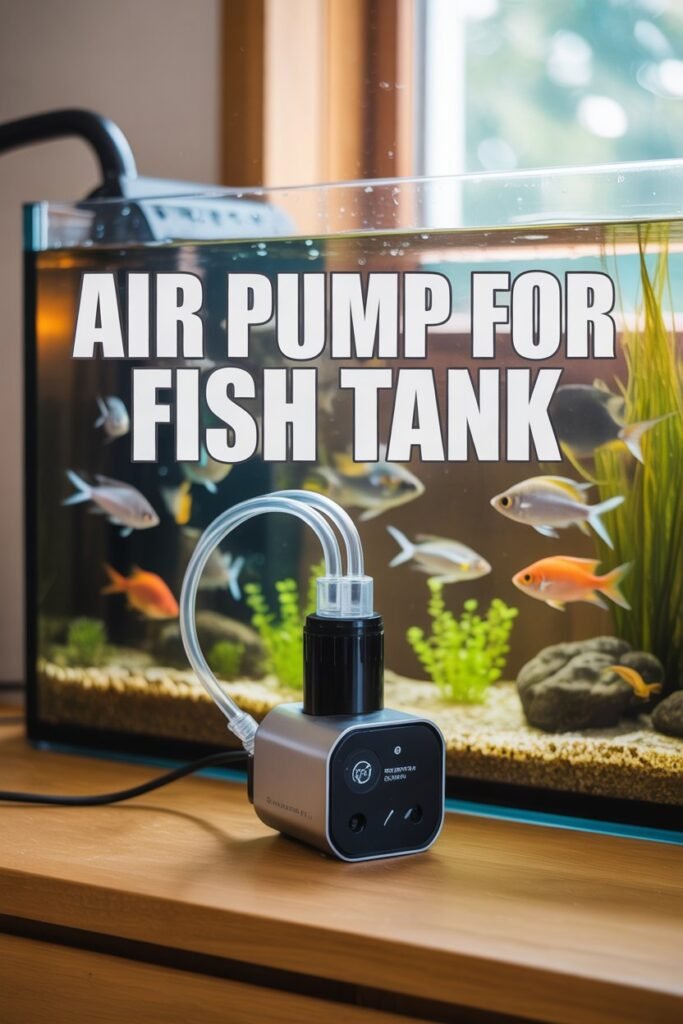
Consider Tank Size
Air pump capacity should match aquarium volume.
Fish Species
Some fish prefer calm water, others enjoy movement.
Noise Level
Choose a quiet pump for bedrooms or offices.
Power Consumption
Energy-efficient pumps reduce long-term costs.
Number of Accessories
Ensure the pump can handle all connected devices.
Air Pump for Fish Tank Size Guide
- Nano tanks: Low-output single outlet pump
- 10–30 gallon tanks: Adjustable single or dual outlet
- 40–75 gallon tanks: Dual outlet or medium pump
- Large tanks: Multi outlet or piston pump
Installing an Air Pump for Fish Tank
- Place the pump above water level if possible
- Attach airline tubing securely
- Add a check valve in the tubing
- Connect air stone or sponge filter
- Plug in and adjust airflow
Proper installation prevents leaks and noise issues.
Common Problems with Air Pumps and Solutions
Excessive Noise
Use rubber padding or hang the pump to reduce vibration.
Weak Airflow
Check tubing for kinks or clogged air stones.
Water Backflow
Always install a check valve.
Too Much Flow
Add a control valve to reduce pressure.
Air Pump for Fish Tank Maintenance
- Clean air stones regularly
- Replace worn tubing
- Keep air intake dust-free
- Inspect pump diaphragms periodically
Well-maintained air pumps last for years.
Air Pump for Fish Tank in Special Setups
Betta Fish Tanks
Use low-flow adjustable air pumps to avoid stress.
Shrimp Tanks
Gentle airflow prevents shrimp from being blown around.
Breeding Tanks
Air pumps support sponge filters and fry safety.
Planted Aquariums
Moderate airflow prevents oxygen depletion at night.
Myths About Air Pumps for Fish Tank
Myth 1: Air Pumps Directly Add Oxygen
They improve gas exchange, not oxygen injection.
Myth 2: Bubbles Stress Fish
Only excessive flow causes stress.
Myth 3: Air Pumps Are Old Technology
Modern air pumps are efficient and essential tools.
Advantages and Disadvantages of Air Pumps
Advantages
- Improves oxygen levels
- Supports filtration
- Affordable and easy to use
- Enhances tank appearance
Disadvantages
- Can add noise
- Requires accessories
- Overuse can disturb calm fish
Are Air Pumps Safe for Fish?
Yes, air pumps are safe when:
- Flow is adjusted properly
- Accessories are aquarium-safe
- Installation is correct
Improper setup, not the pump itself, causes problems.
Frequently Asked Questions (FAQs)
What does an air pump for fish tank do?
It improves water circulation and oxygen exchange.
Is an air pump necessary for all fish tanks?
Not always, but it is highly beneficial in most setups.
Can fish live without an air pump?
Yes, if filtration provides enough surface movement.
How strong should my air pump be?
It depends on tank size and number of accessories.
Are air pumps noisy?
Modern air pumps are designed to be quiet.
Can I run an air pump 24/7?
Yes, air pumps are designed for continuous use.
Do air pumps stress fish?
Only if airflow is too strong.
How long does an air pump last?
With proper maintenance, several years.
Final Thoughts
An air pump for fish tank use is a simple yet powerful tool that improves aquarium health, supports filtration, and enhances fish well-being. From small nano tanks to large community aquariums, the right air pump ensures better oxygen levels and water movement.
By choosing the correct type, installing it properly, and maintaining it regularly, an air pump becomes a reliable partner in creating a thriving aquarium environment.