
 By admin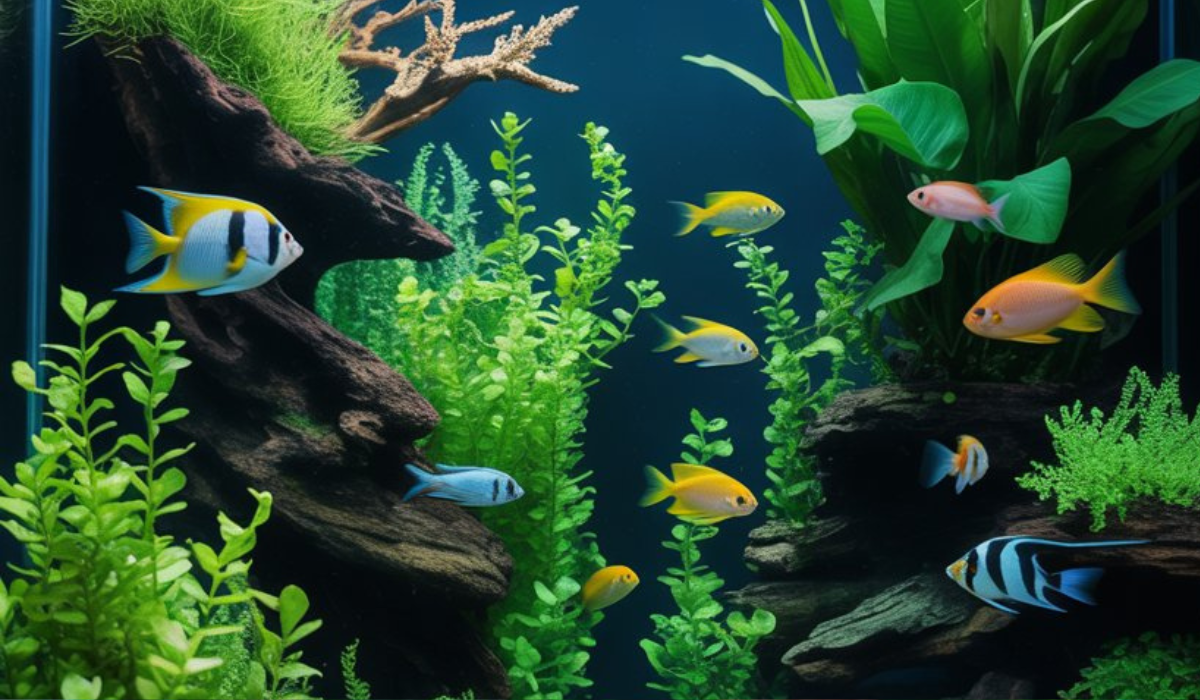
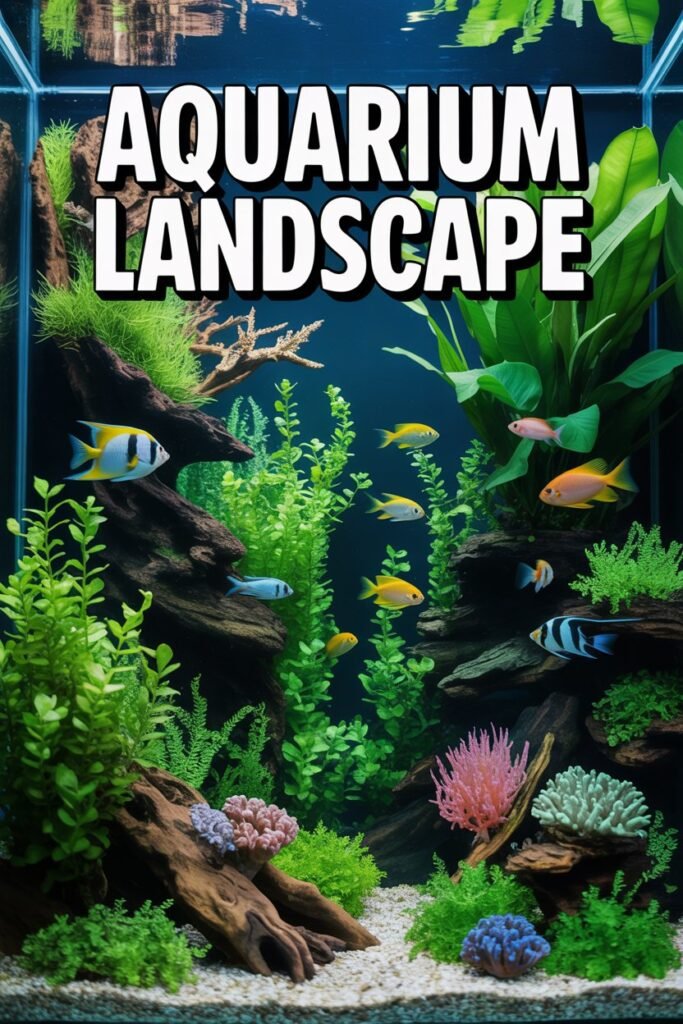
An aquarium landscape transforms a simple fish tank into a living piece of art. It focuses on arranging plants, rocks, driftwood, and substrate in a way that mimics natural underwater environments. A well-designed aquarium landscape not only enhances visual beauty but also creates a healthier and more comfortable habitat for fish and aquatic life.
From minimal layouts to complex natural scenes, aquarium landscape ideas allow endless creativity while maintaining balance and functionality.
What Is an Aquarium Landscape
An aquarium landscape refers to the overall visual structure and layout inside an aquarium. It includes hardscape elements such as stones and wood, softscape elements like plants, and the way space, depth, and perspective are used.
Unlike decorative aquariums that rely on artificial ornaments, aquarium landscapes aim for a natural and harmonious look inspired by rivers, lakes, forests, and mountains.
Importance of Aquarium Landscaping
Aquarium landscaping is important because it directly affects fish behavior, water quality, and long-term stability. A thoughtfully designed landscape provides hiding spaces, swimming zones, and resting areas.
Good landscaping reduces stress in fish, encourages natural behavior, and supports beneficial bacteria growth, making maintenance easier over time.
Core Principles of Aquarium Landscape Design
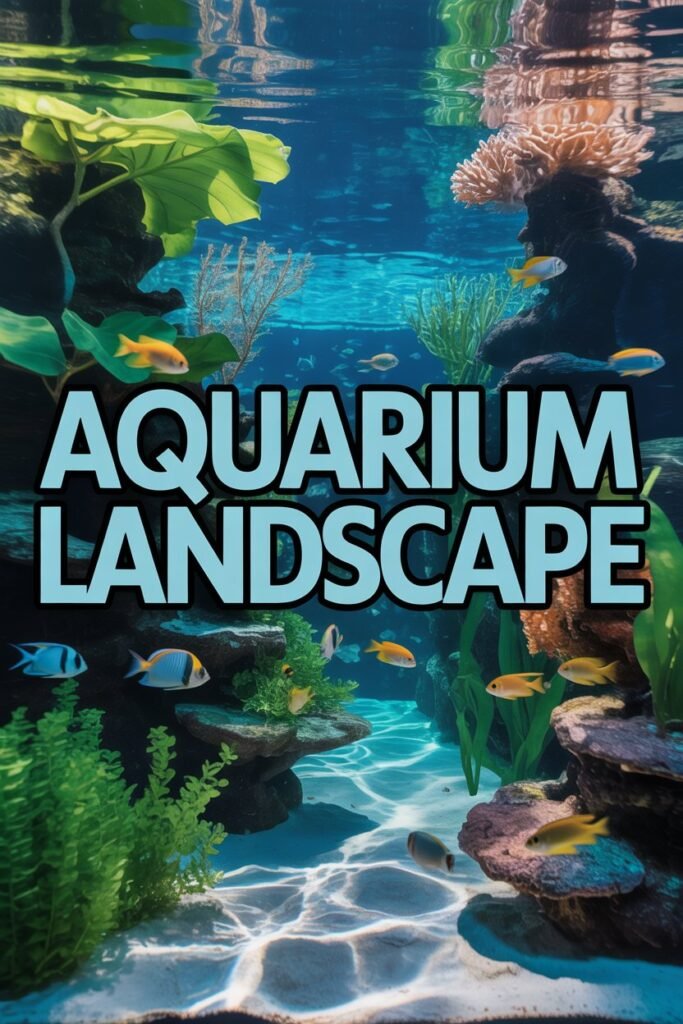
Balance is the foundation of aquarium landscaping. Elements should be placed so the tank feels stable and natural rather than crowded or empty.
Depth is created by placing smaller plants and details in the foreground and larger elements toward the background. Contrast in texture and color helps create focal points without overwhelming the viewer.
Simplicity ensures that the landscape remains visually pleasing and easy to maintain.
Natural Style Aquarium Landscape Ideas
Natural-style landscapes replicate real underwater scenes. These designs often resemble forest floors, riverbanks, or mountain valleys.
Driftwood is used to create tree-like structures, while stones represent hills and cliffs. Live plants grow around these elements to complete the natural look.
Rock-Based Aquarium Landscape Designs
Rock-based landscapes focus on stones as the main structural feature. The arrangement of rocks determines the flow and harmony of the tank.
This style often uses minimal plants to highlight stone shapes and textures. Rock landscapes are ideal for clean, modern aquariums.
Planted Aquarium Landscape Ideas
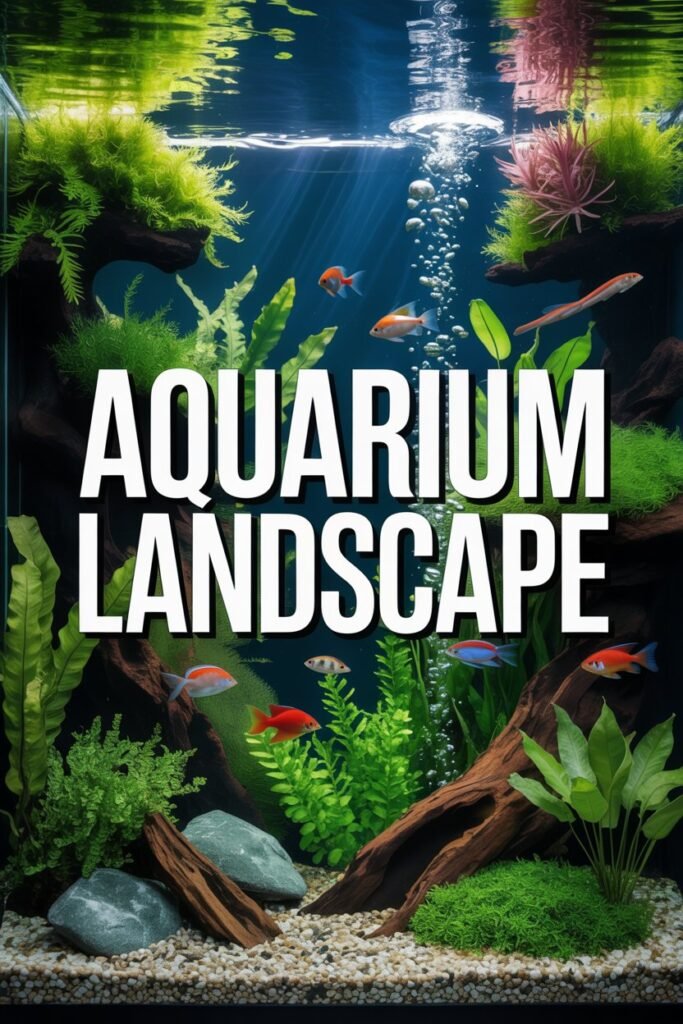
Planted aquarium landscapes emphasize lush greenery and natural growth patterns. Plants are arranged in layers to create depth and movement.
Low-maintenance plants are suitable for beginners, while advanced aquascapers use a wider variety of species to create detailed scenes.
Minimalist Aquarium Landscape Concepts
Minimalist aquarium landscapes use fewer elements and open space to create a calm and elegant appearance. A single focal point such as a rock or piece of driftwood becomes the center of attention.
This style works well for small aquariums and modern interior designs.
Aquarium Landscape Ideas for Small Tanks
Small aquariums can still have impressive landscapes when designed carefully. Using fine substrate, small stones, and compact plants creates a sense of scale.
Simple layouts are more effective in limited space and easier to maintain.
Aquarium Landscape Ideas for Large Tanks
Large aquariums allow more complex and immersive landscapes. Multiple focal points, layered plants, and varied textures create a dramatic and realistic scene.
Large landscapes often include open swimming areas combined with dense planted zones.
Choosing the Right Substrate for Aquarium Landscapes
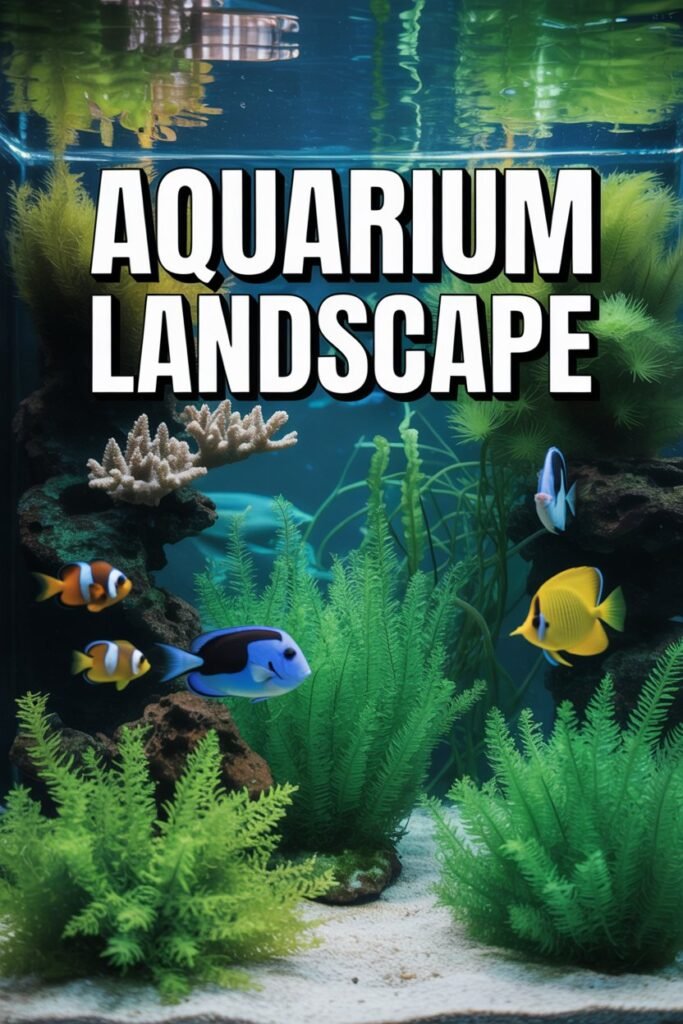
The substrate sets the foundation for the entire landscape. Sand creates a clean and smooth appearance, while gravel adds texture.
Planted substrates support plant growth and help shape slopes and elevations, adding depth to the landscape.
Selecting Plants for Aquarium Landscaping
Plants play a crucial role in aquarium landscapes. Foreground plants create carpets, midground plants add structure, and background plants provide height.
Using plants with different leaf shapes and shades enhances visual interest while maintaining harmony.
Hardscape Materials for Aquarium Landscapes
Hardscape materials include rocks and driftwood. These elements should be aquarium-safe and free of harmful substances.
Proper placement of hardscape creates structure and guides the viewer’s eye through the landscape.
Lighting and Aquarium Landscape Appearance
Lighting enhances colors, textures, and depth in aquarium landscapes. Balanced lighting highlights focal points and supports plant growth.
Consistent lighting schedules help maintain stability and prevent algae issues.
Maintenance of Aquarium Landscapes
Regular trimming and cleaning help preserve the original design. As plants grow, adjustments are necessary to maintain balance and visibility.
Water changes and filter maintenance support long-term health and clarity.
Common Aquarium Landscaping Mistakes
Overcrowding elements can make the tank look cluttered. Poor planning leads to uneven layouts and difficult maintenance.
Ignoring fish needs while focusing only on appearance can result in stress and health issues.
Aquarium Landscape Style Comparison Table
| Landscape Style | Difficulty Level | Visual Effect | Maintenance |
|---|---|---|---|
| Natural Style | Medium | Organic and Realistic | Medium |
| Rock-Based | Medium to Advanced | Clean and Bold | Low to Medium |
| Planted Landscape | Beginner to Advanced | Lush and Green | Medium |
| Minimalist | Beginner | Calm and Modern | Low |
| Large Scenic Layout | Advanced | Dramatic and Immersive | High |
Aquarium Landscape as Interior Décor
Aquarium landscapes enhance interior spaces by adding movement, color, and tranquility. They serve as living décor pieces that blend nature with design.
Choosing a landscape style that matches furniture and room lighting improves overall aesthetics.
Long-Term Value of Aquarium Landscaping
Aquarium landscapes evolve over time, becoming more beautiful as plants grow and settle. Each tank becomes unique, reflecting creativity and care.
The process of designing and maintaining a landscape is both relaxing and rewarding.
Frequently Asked Questions About Aquarium Landscape
What is the best aquarium landscape style for beginners?
Minimalist and simple planted landscapes are best for beginners due to easy maintenance.
Can aquarium landscapes be created in small tanks?
Yes, with proper scale and simplicity, small tanks can have stunning landscapes.
Do aquarium landscapes require live plants?
Live plants are recommended, but some landscapes can use artificial plants with careful design.
How long does an aquarium landscape take to mature?
Most landscapes take several weeks to months to fully develop.
Is aquarium landscaping expensive?
Costs vary depending on materials and plants, but budget-friendly options are available.
Can fish damage an aquarium landscape?
Some fish may dig or uproot plants, so species selection is important.
Are aquarium landscapes suitable for home use?
Yes, aquarium landscapes are ideal for homes and offices.