
 By admin
 Angel fish are among the most elegant and popular freshwater aquarium fish. Known for their tall fins, graceful movement, and calm beauty, angel fish add a peaceful and decorative presence to home aquariums. Their adaptability, variety of colors, and relatively manageable care requirements make them a favorite choice for both beginner and experienced fish keepers.
This detailed guide covers everything you need to know about angel fish, including their types, tank setup, feeding habits, behavior, compatibility, and long-term care.
What Is an Angel Fish
Angel fish, scientifically known as Pterophyllum, are freshwater cichlids native to the Amazon River basin in South America. They naturally inhabit slow-moving rivers and flooded forest areas.
Despite being cichlids, angel fish are generally more peaceful than many other members of the cichlid family.
Physical Characteristics of Angel Fish
Angel fish have flat, triangular bodies with long, flowing dorsal and anal fins. Their shape allows them to glide gracefully through the water.
They come in a wide range of colors and patterns, including silver, black, marble, gold, and striped varieties.
Popular Types of Angel Fish
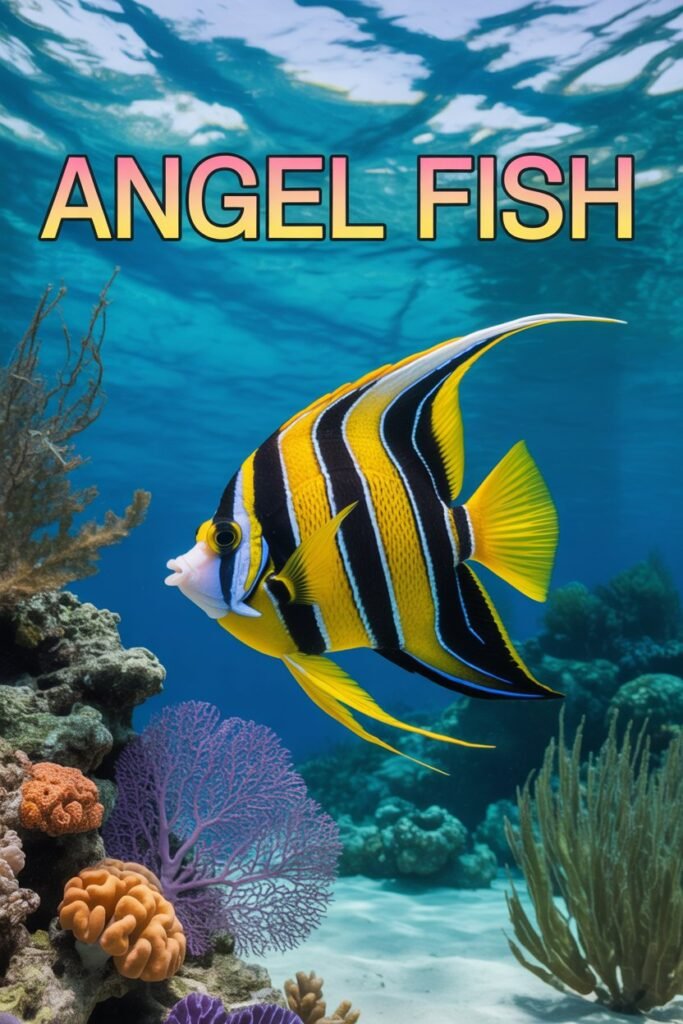
There are many angel fish varieties developed through selective breeding, each with unique visual appeal.
Silver Angel Fish
Silver angel fish are the classic variety with vertical black stripes on a silver body.
Marble Angel Fish
Marble angel fish have irregular black and white patterns, giving them a unique appearance.
Gold Angel Fish
Gold angel fish display warm golden hues and a smooth, elegant look.
Black Angel Fish
Black angel fish are deep, dark in color and add a bold contrast to planted aquariums.
Veil Tail Angel Fish
Veil tail angel fish have extended, flowing fins that enhance their graceful movement.
Natural Habitat of Angel Fish
In the wild, angel fish live among dense aquatic plants, submerged roots, and slow-moving waters. They prefer calm environments with plenty of vertical structures.
This natural habitat explains their preference for tall tanks and planted setups.
Ideal Tank Size for Angel Fish
Angel fish need adequate space to accommodate their body shape and fin length. Taller tanks are especially important.
Crowded tanks can cause stress and aggression.
Aquarium Setup for Angel Fish
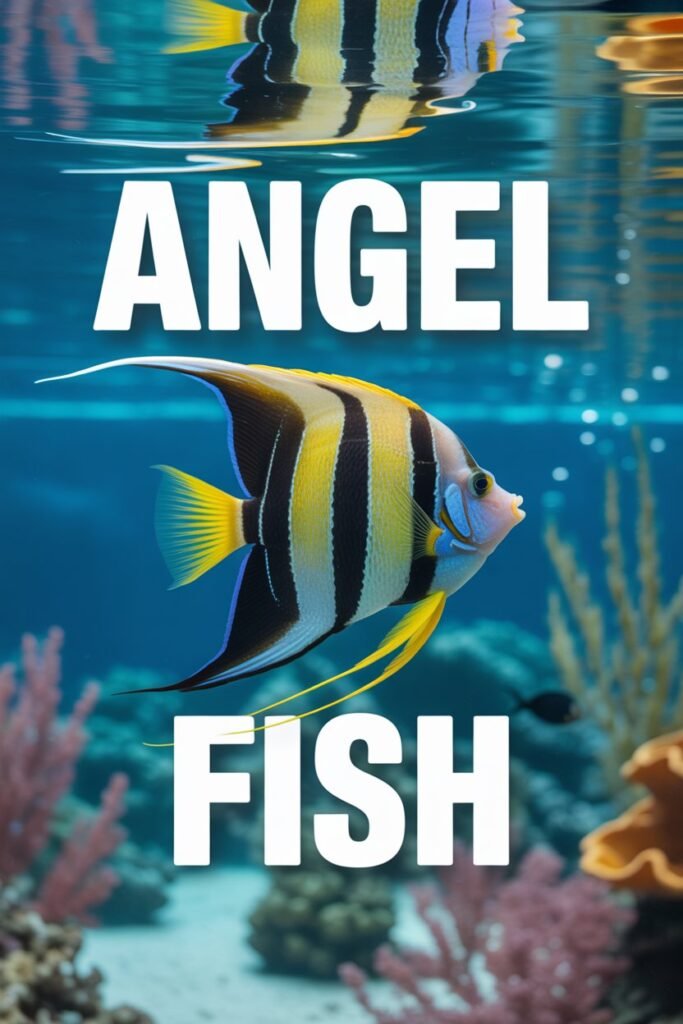
An angel fish aquarium should include vertical plants, open swimming space, and gentle water flow. Smooth decorations and driftwood are suitable additions.
Avoid sharp objects that could damage their fins.
Water Parameters for Angel Fish
Angel fish thrive in warm, clean water with stable conditions. Sudden changes in water parameters can stress them and lead to illness.
Regular water changes help maintain optimal health.
Filtration and Water Flow
Moderate filtration is ideal for angel fish. Strong currents should be avoided, as angel fish prefer calm waters.
Efficient filtration helps keep the aquarium clean without disturbing their swimming.
Diet and Feeding Habits
Angel fish are omnivorous and require a balanced diet. High-quality flakes or pellets should form the base of their diet.
Supplementing with frozen or live foods improves coloration and vitality.
Feeding Schedule
Angel fish should be fed in controlled portions once or twice a day. Overfeeding can lead to water quality issues.
A varied diet supports long-term health.
Behavior and Temperament
Angel fish are generally peaceful but can become territorial during breeding. They are curious, intelligent, and interactive fish.
Their calm behavior makes them suitable for community aquariums when properly matched.
Compatibility with Other Fish
Angel fish can live with many peaceful species. Tank mates should not be small enough to be eaten or aggressive enough to harass them.
Careful selection ensures a harmonious aquarium.
Table: Angel Fish Care Overview
| Feature | Description |
|---|---|
| Size | Medium |
| Temperament | Semi-peaceful |
| Diet | Omnivorous |
| Tank Type | Freshwater |
| Skill Level | Beginner to intermediate |
Breeding Angel Fish
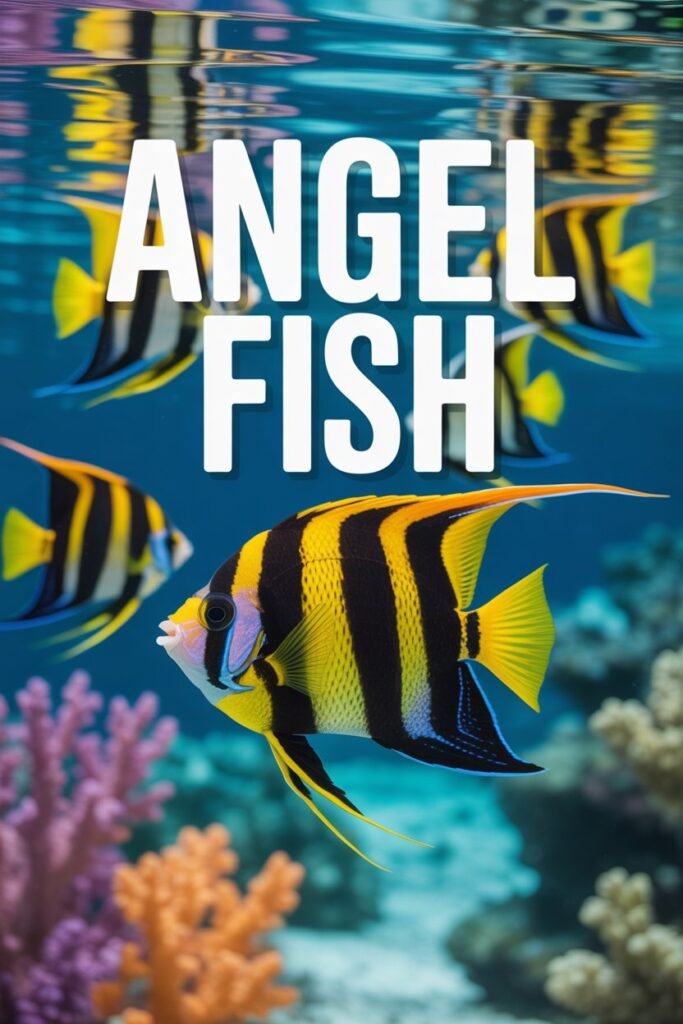
Angel fish are known for their interesting breeding behavior. They form pairs and lay eggs on flat surfaces.
Both parents usually guard the eggs and fry aggressively.
Caring for Angel Fish Fry
Angel fish fry require clean water and frequent feeding with fine foods. Separate breeding tanks improve survival rates.
Proper care ensures healthy growth.
Common Mistakes When Keeping Angel Fish
Keeping angel fish in small or short tanks is a common mistake. Mixing them with aggressive or fin-nipping fish also causes stress.
Inconsistent maintenance leads to health problems.
Health Issues in Angel Fish
Angel fish can suffer from common freshwater diseases if water quality is poor. Early signs include clamped fins and reduced appetite.
Preventive care is the best approach.
Lifespan of Angel Fish
With proper care, angel fish can live for many years. Stable water conditions and a balanced diet contribute to longevity.
They often become long-term companions for aquarists.
Are Angel Fish Suitable for Beginners
Angel fish are suitable for beginners who are willing to learn basic aquarium care. They are hardy but still require attention to water quality.
Starting with healthy fish increases success.
Long-Term Care Tips
Maintain clean water, provide a balanced diet, and observe behavior regularly. Avoid overcrowding and sudden changes.
A calm environment promotes healthy growth.
Final Thoughts on Angel Fish
Angel fish are graceful, adaptable, and visually stunning aquarium fish. Their peaceful nature and elegant appearance make them an excellent choice for freshwater aquariums.
With proper care and thoughtful setup, angel fish thrive and bring beauty to any home aquarium.
Frequently Asked Questions
Are angel fish aggressive?
They are generally peaceful but can become territorial during breeding.
Can angel fish live in community tanks?
Yes, with compatible tank mates.
How big do angel fish get?
They grow to a medium size in aquariums.
Do angel fish need a heater?
Yes, they prefer warm water.
Can angel fish eat flakes?
Yes, high-quality flakes are suitable.
Are angel fish good for beginners?
Yes, with proper care and setup.
How long do angel fish live?
They can live many years with good care.