
 By admin
Gourami fish are popular freshwater aquarium fish known for their elegant appearance, calm temperament, and fascinating behavior. With their flowing fins and unique breathing ability, gouramis are a favorite among both beginner and experienced aquarists. Their wide variety of colors and sizes makes them suitable for many different aquarium setups.
What Is a Gourami Fish
Gourami fish belong to the Osphronemidae family and originate mainly from Southeast Asia. They are part of the labyrinth fish group, meaning they possess a special organ that allows them to breathe air directly from the surface.
This adaptation enables gouramis to survive in low-oxygen environments where other fish may struggle.
Natural Habitat and Distribution
In the wild, gourami fish inhabit slow-moving waters such as ponds, swamps, rice paddies, and streams. These environments are often warm, shallow, and rich in vegetation.
Gouramis prefer calm water with plenty of plant cover, which provides shelter and breeding areas.
Physical Characteristics
Gourami fish vary widely in size depending on the species. Smaller varieties may grow only a few inches long, while larger species can reach over a foot in length.
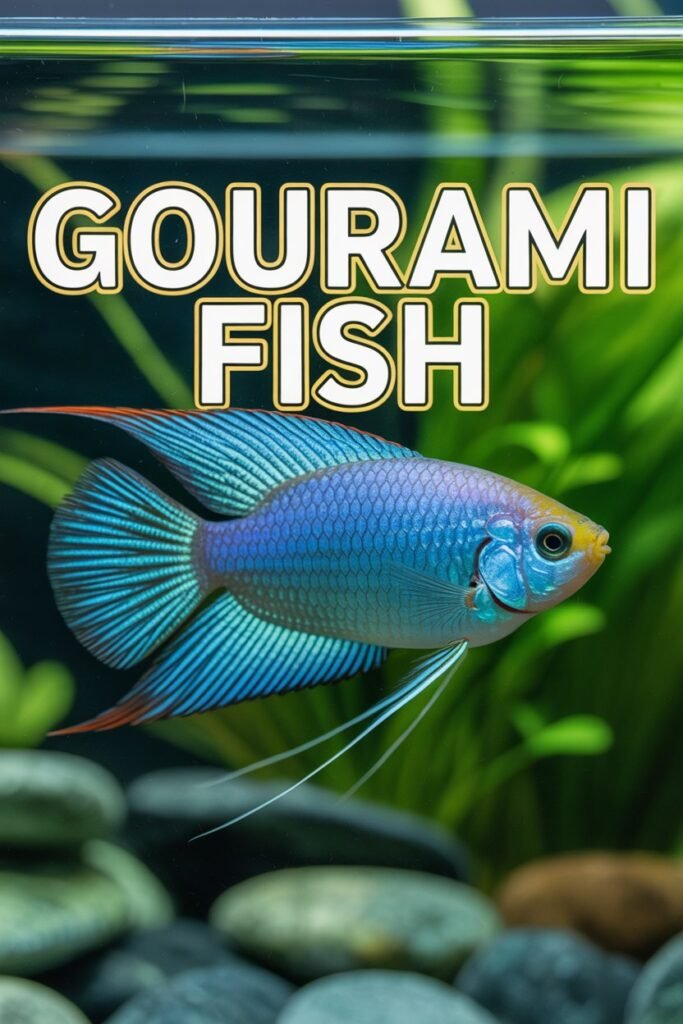
They have compressed bodies, long fins, and thread-like pelvic fins that act as sensory organs. Colors range from soft silver and gold to vibrant blues, reds, and marbled patterns.
Types of Gourami Fish

There are many gourami species commonly kept in aquariums.
Dwarf gourami are small, colorful, and ideal for community tanks.
Pearl gourami have a spotted pattern and gentle temperament.
Blue gourami are hardy and adaptable.
Honey gourami are peaceful and beginner-friendly.
Kissing gourami are larger and known for their mouth-to-mouth interactions.
Giant gourami are very large and best suited for advanced keepers.
Each type has slightly different care and space requirements.
Gourami Fish Behavior
Most gourami fish are peaceful, though males can be territorial, especially during breeding. They are slow, graceful swimmers and often explore the middle and upper levels of the tank.
Gouramis may interact with their owners and display curiosity, making them enjoyable to observe.
Gourami Fish Tank Requirements
Gouramis thrive in well-planted aquariums with gentle water flow. They appreciate floating plants that provide shade and access to the surface for breathing.
Tank size depends on the species, but overcrowding should always be avoided.
Ideal Tank Setup Overview
| Requirement | Ideal Condition |
|---|---|
| Tank Size | 20–40 gallons |
| Water Type | Freshwater |
| Temperature | 24–28°C |
| pH Range | 6.0–7.5 |
| Filtration | Gentle |
| Temperament | Mostly peaceful |
Water Quality and Maintenance

Stable water conditions are essential for gourami health. Regular partial water changes help maintain water quality and prevent disease.
Because gouramis breathe air, they should not be kept in tanks with strong surface agitation.
Gourami Fish Diet and Feeding
Gourami fish are omnivores. In the wild, they eat insects, larvae, algae, and plant matter.
In aquariums, they accept flakes, pellets, frozen food, and live food. A varied diet enhances coloration and overall health.
Breeding Gourami Fish
Many gourami species are bubble nest builders. Males create floating nests made of bubbles and plant material, where eggs are placed after spawning.
The male guards the nest until the fry hatch. Breeding is easier in calm, warm, and well-planted tanks.
Common Gourami Fish Diseases
Gouramis are generally hardy but can be prone to stress-related diseases if water quality declines. Common problems include ich, fin rot, and bacterial infections.
Good tank maintenance and proper diet are the best prevention methods.
Gourami Fish Tank Mates
Suitable tank mates include tetras, rasboras, corydoras, peaceful barbs, and other calm fish. Fin-nipping or aggressive species should be avoided.
Keeping only one male per tank helps reduce aggression.
Lifespan of Gourami Fish
Depending on the species and care, gourami fish can live between 4 and 8 years. Larger species may live even longer in ideal conditions.
Interesting Facts About Gourami Fish
Gouramis can breathe atmospheric air.
They use their long pelvic fins to feel their surroundings.
Males build bubble nests during breeding.
Some gouramis recognize feeding routines.
FAQs About Gourami Fish
Are gourami fish good for beginners
Yes, many species like honey and dwarf gouramis are beginner-friendly.
Do gourami fish need a heater
Yes, they require stable warm water to thrive.
Can gourami fish live alone
They can, but they generally do well in community tanks with peaceful fish.
Are gourami fish aggressive
Most gouramis are peaceful, but males can be territorial.
How big do gourami fish get
Size varies by species, ranging from a few inches to over a foot.
Final Thoughts
Gourami fish are graceful, intelligent, and rewarding aquarium inhabitants. Their unique breathing ability, calm nature, and visual appeal make them a standout choice for freshwater tanks. With proper care, suitable tank mates, and stable conditions, gourami fish can thrive and become a beautiful focal point in any aquarium.