
 By admin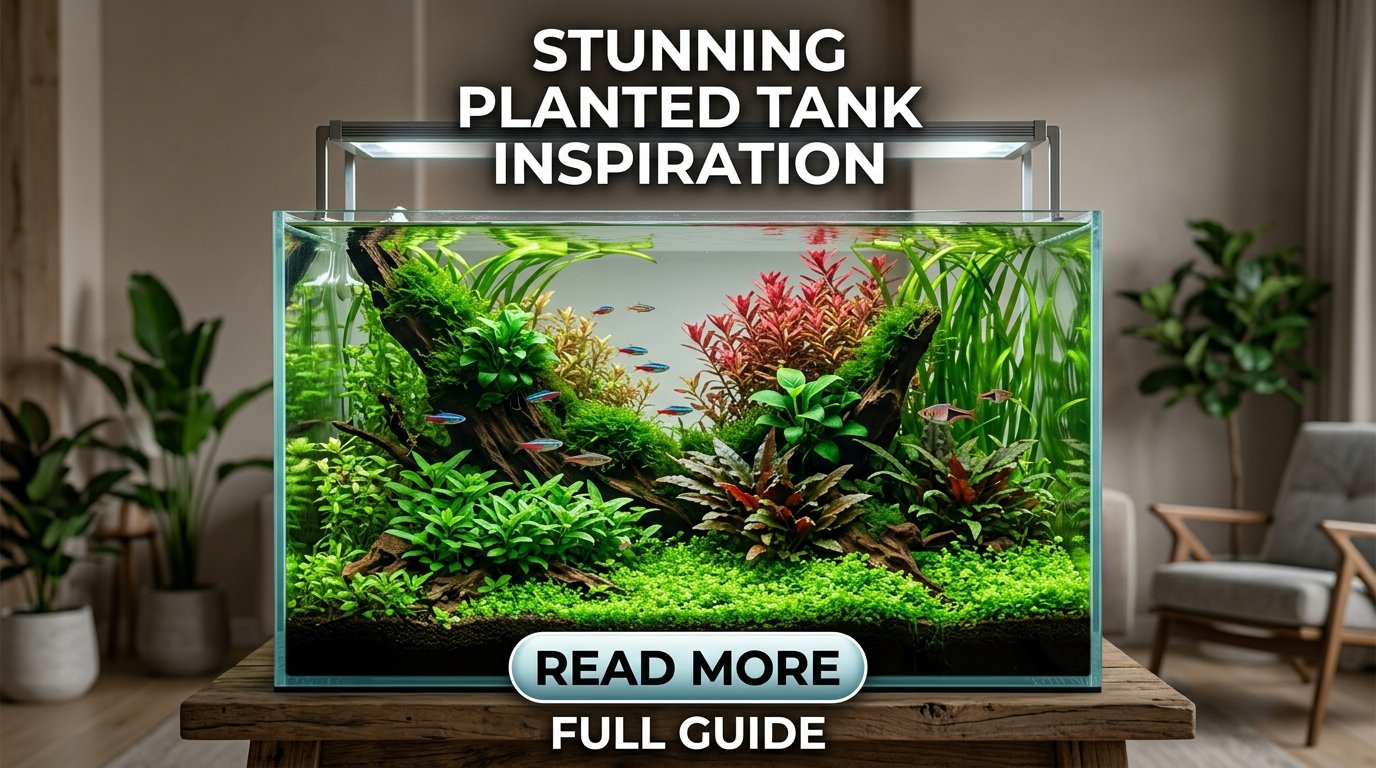
A plant fish tank is one of the most attractive and natural aquarium styles available to hobbyists. By combining healthy fish with live aquatic plants, a planted aquarium creates a thriving underwater ecosystem that is both visually stunning and beneficial for aquatic life. From beginner-friendly setups to advanced aquascapes, plant fish tanks have become increasingly popular among aquarium enthusiasts worldwide.
A well-designed plant fish tank can transform any room into a relaxing and vibrant space while providing fish with a healthier and more natural habitat.
What Is a Plant Fish Tank?
A plant fish tank is an aquarium that contains live aquatic plants alongside fish and other aquatic inhabitants. Unlike traditional aquariums that rely mainly on decorations, planted tanks use living plants as a key part of the aquarium ecosystem.
These plants help create a more natural environment while improving water quality and enhancing the aquarium’s appearance.
Benefits of a Plant Fish Tank
There are many reasons why aquarists choose planted aquariums.
Improved Water Quality
Live plants absorb excess nutrients and help maintain healthier water conditions.
Natural Habitat for Fish
Plants provide:
- Shelter
- Breeding areas
- Resting spots
- Security from stress
Beautiful Appearance
A lush planted aquarium resembles an underwater garden and often becomes the centerpiece of a room.
Oxygen Production
Healthy plants contribute oxygen during daylight hours, benefiting fish and other aquatic life.
Algae Control
Plants compete with algae for nutrients, helping reduce algae growth in many aquariums.
Types of Plant Fish Tanks
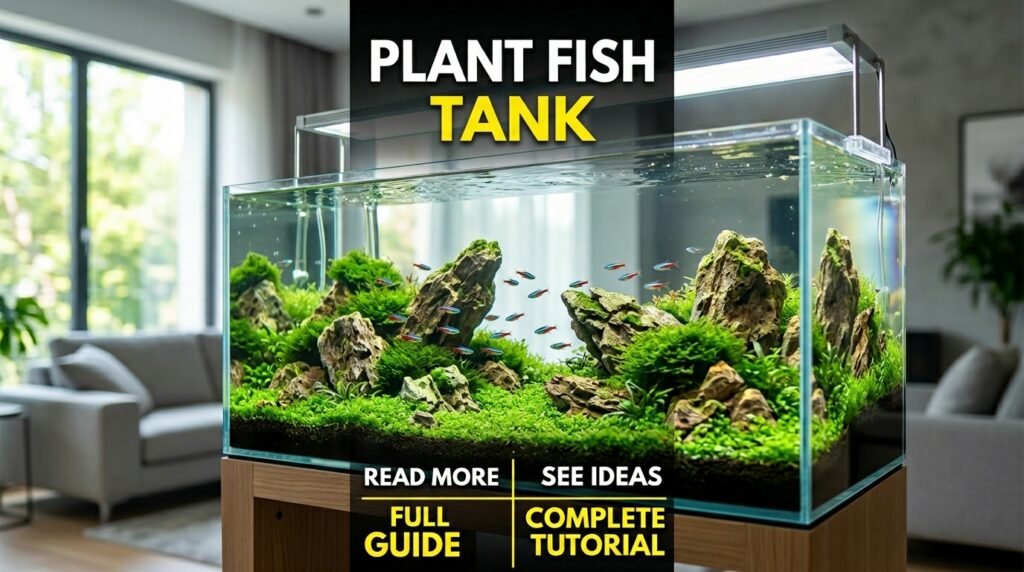
Low-Tech Planted Aquarium
A low-tech plant fish tank is ideal for beginners.
Features:
- No CO₂ injection
- Moderate lighting
- Easy-care plants
Benefits include:
- Lower cost
- Simpler maintenance
- Beginner-friendly setup
High-Tech Planted Aquarium
High-tech systems focus on maximizing plant growth.
Features:
- CO₂ injection
- Advanced lighting
- Nutrient dosing
These aquariums often produce rapid plant growth and professional-level aquascapes.
Nature Aquarium
Nature aquariums were popularized by Takashi Amano.
Common elements include:
- Natural rocks
- Driftwood
- Dense plant growth
- Artistic layouts
Nature aquariums resemble miniature landscapes.
Jungle Aquarium
A jungle-style plant fish tank contains dense vegetation.
Characteristics include:
- Thick plant coverage
- Natural appearance
- Minimal trimming
This style creates a lush and wild underwater environment.
Best Plants for a Plant Fish Tank
Anubias
Anubias is one of the easiest aquarium plants to maintain.
Benefits:
- Low light requirements
- Slow growth
- Beginner-friendly
Java Fern
Java Fern is a hardy plant that grows well in various conditions.
Advantages include:
- Easy care
- Adaptability
- Attractive appearance
Java Moss
Java Moss is extremely versatile.
Uses include:
- Covering driftwood
- Creating natural accents
- Supporting shrimp habitats
Amazon Sword
Amazon Sword plants create a lush tropical appearance.
Features:
- Large leaves
- Excellent background plant
- Beginner-friendly care
Water Wisteria
Water Wisteria grows quickly and helps improve water quality.
It is often recommended for beginners.
Floating Plants
Floating plants add visual interest and natural shade.
Popular options include:
- Frogbit
- Salvinia
- Red Root Floaters
- Water Lettuce
Floating plants are especially useful in fish tanks containing surface-dwelling species.
Best Fish for a Plant Fish Tank
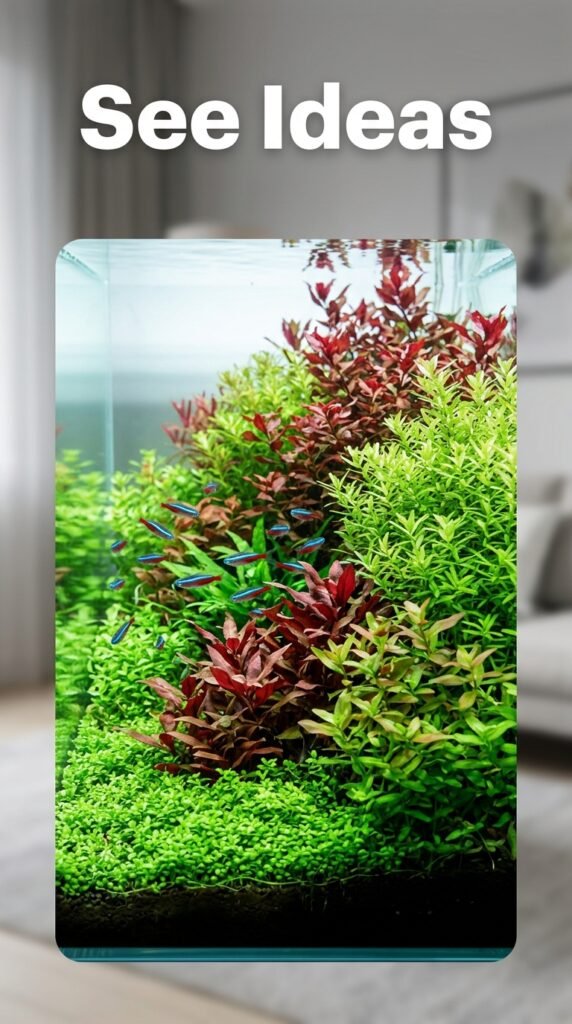
Many fish species thrive in planted aquariums.
Popular choices include:
Guppies
Guppy are colorful and active.
Neon Tetras
Neon tetra provide vibrant schooling behavior.
Betta Fish
Betta fish often thrive in planted environments.
Corydoras Catfish
Corydoras are excellent bottom dwellers.
Harlequin Rasboras
Harlequin rasbora are peaceful and attractive community fish.
Choosing the Right Substrate
Substrate is important for plant growth.
Popular choices include:
Aquasoil
Benefits:
- Nutrient-rich
- Excellent plant growth
- Professional aquascaping appearance
Gravel
Advantages:
- Affordable
- Easy maintenance
Sand
Benefits:
- Natural appearance
- Suitable for many fish species
Choose substrate based on your plant requirements.
Hardscape Ideas
Hardscape forms the structure of a planted aquarium.
Popular materials include:
Driftwood
Provides a natural look and creates focal points.
Rocks
Common options:
- Dragon stone
- Seiryu stone
- Lava rock
Hardscape enhances the visual depth of the aquarium.
Lighting for a Plant Fish Tank
Plants require proper lighting to grow successfully.
Popular options include:
- LED aquarium lights
- Full-spectrum plant lights
- Adjustable smart lighting systems
The amount of light should match the needs of your plants.
CO₂ Systems
Carbon dioxide supports plant growth.
Benefits:
- Faster growth
- Improved coloration
- Healthier plants
Many beginner-friendly plant fish tanks can thrive without CO₂.
Fertilization
Plants require nutrients for healthy growth.
Common nutrients include:
- Nitrogen
- Phosphorus
- Potassium
- Iron
Fertilizers can be added through liquid supplements or nutrient-rich substrates.
Setting Up a Plant Fish Tank
Step 1: Choose the Aquarium
Select a tank size suitable for your space and goals.
Step 2: Add Substrate
Install a plant-friendly substrate.
Step 3: Arrange Hardscape
Position driftwood and rocks before planting.
Step 4: Add Plants
Plant species according to their size and growth habits.
Step 5: Fill the Aquarium
Add water carefully to avoid disturbing the layout.
Step 6: Install Equipment
Set up:
- Filter
- Heater
- Lighting
Step 7: Cycle the Aquarium
Allow beneficial bacteria to establish before fully stocking fish.
Maintenance Tips
Regular maintenance helps keep a plant fish tank healthy.
Weekly Tasks
- Water changes
- Glass cleaning
- Water testing
Monthly Tasks
- Plant trimming
- Filter maintenance
- Equipment inspection
Consistency promotes long-term success.
Common Mistakes to Avoid
Avoid these common beginner errors:
- Excessive lighting
- Overfertilizing
- Overstocking fish
- Ignoring water quality
- Choosing difficult plants initially
Starting with hardy plants often leads to better results.
Why Plant Fish Tanks Are So Popular
Plant fish tanks have become increasingly popular because they combine fishkeeping with aquascaping and interior design. Many hobbyists enjoy creating miniature underwater gardens that look natural and support healthy aquatic ecosystems.
The combination of vibrant fish, lush plants, and artistic layouts makes planted aquariums one of the most rewarding aquarium styles.
Final Thoughts
A plant fish tank offers the perfect blend of beauty, functionality, and natural balance. Whether you choose a simple low-tech setup or an advanced aquascape, live plants can dramatically improve the appearance and health of your aquarium.
With the right plants, fish, equipment, and maintenance routine, a planted aquarium can become a thriving underwater ecosystem and a stunning focal point in your home.
FAQs
What is the easiest plant for a beginner aquarium?
Anubias and Java Fern are among the easiest aquarium plants to maintain.
Do plant fish tanks need CO₂?
Not always. Many beginner-friendly plants grow well without CO₂ injection.
What fish are best for planted aquariums?
Guppy, Neon tetra, and Betta fish are excellent choices.
How often should I trim aquarium plants?
Most plants benefit from trimming every few weeks depending on growth rate.
Are planted aquariums difficult to maintain?
Low-tech planted aquariums are generally easy to maintain and are suitable for beginners.