
 By admin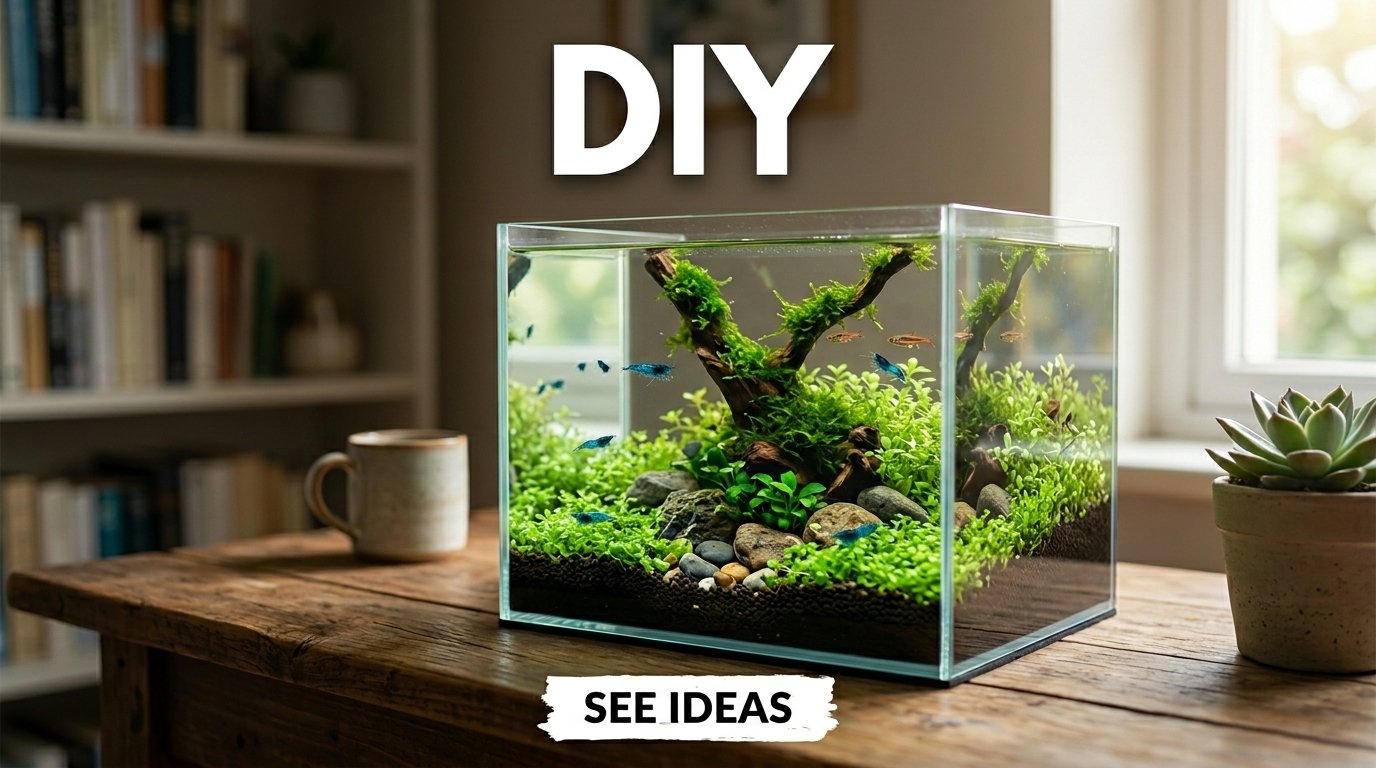
A DIY fish tank is one of the most rewarding projects for aquarium enthusiasts. Instead of purchasing a ready-made aquarium, many hobbyists choose to design and build their own fish tanks to create a custom setup that perfectly fits their space, budget, and vision. Whether you want a small desktop aquarium, a large planted tank, or a unique aquascaping masterpiece, a DIY fish tank allows complete control over every aspect of the design.
Building your own aquarium can save money, provide valuable experience, and result in a one-of-a-kind display that showcases your creativity. However, proper planning and construction are essential to ensure the tank is safe, durable, and suitable for aquatic life.
What Is a DIY Fish Tank?
A DIY fish tank is an aquarium that is built or customized by the owner rather than purchased as a finished product. DIY aquarium projects can range from simple modifications of existing tanks to completely custom-built aquariums made from glass or acrylic panels.
Some hobbyists build tanks from scratch, while others focus on creating custom stands, backgrounds, filtration systems, or aquascapes.
Benefits of Building a DIY Fish Tank
There are many reasons why aquarium enthusiasts choose DIY projects.
Complete Customization
You can design the tank to fit a specific location, style, or purpose.
Cost Savings
Depending on the materials and size, building your own aquarium may be less expensive than purchasing a custom-made tank.
Creative Freedom
DIY projects allow you to create unique designs that are not available in stores.
Learning Experience
Building an aquarium teaches valuable skills related to construction, aquascaping, and aquarium maintenance.
Personal Satisfaction
Successfully completing a DIY fish tank project provides a sense of accomplishment and pride.
Planning Your DIY Fish Tank
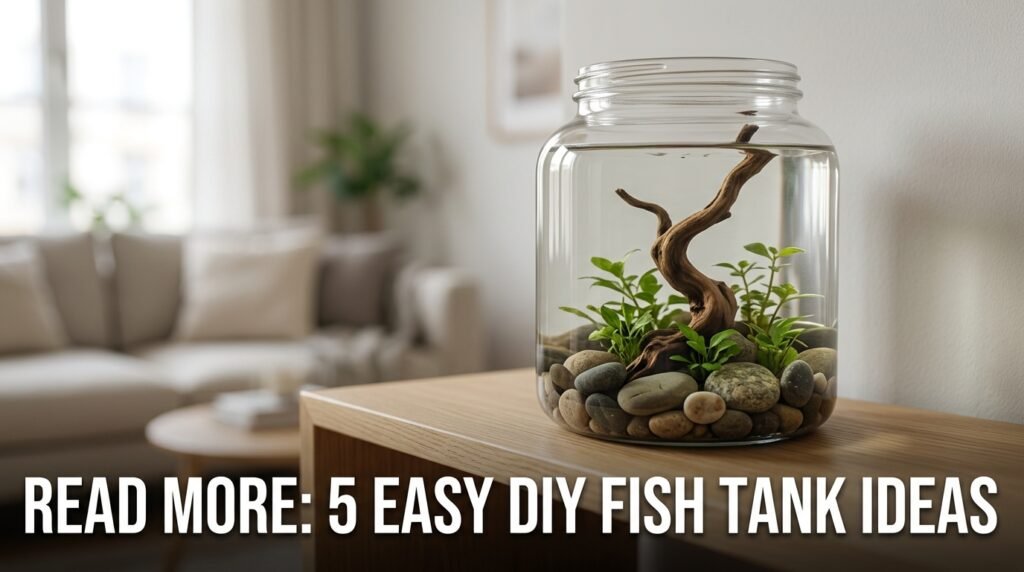
Careful planning is the most important step in any aquarium project.
Before beginning construction, consider:
- Tank dimensions
- Fish species
- Aquarium location
- Water volume
- Filtration requirements
- Lighting needs
- Budget
A detailed plan helps avoid costly mistakes later.
Choosing the Right Aquarium Size
The size of your aquarium affects construction methods, equipment requirements, and fish selection.
Small Tanks
- 5 to 20 gallons
- Suitable for desktops and small rooms
- Easier to build
- Limited fish options
Medium Tanks
- 20 to 55 gallons
- Popular among hobbyists
- Good balance between size and maintenance
Large Tanks
- 75 gallons and above
- Impressive displays
- Greater stability
- Require stronger materials and support
Larger aquariums are often easier to maintain because water conditions remain more stable.
Glass vs. Acrylic Aquariums
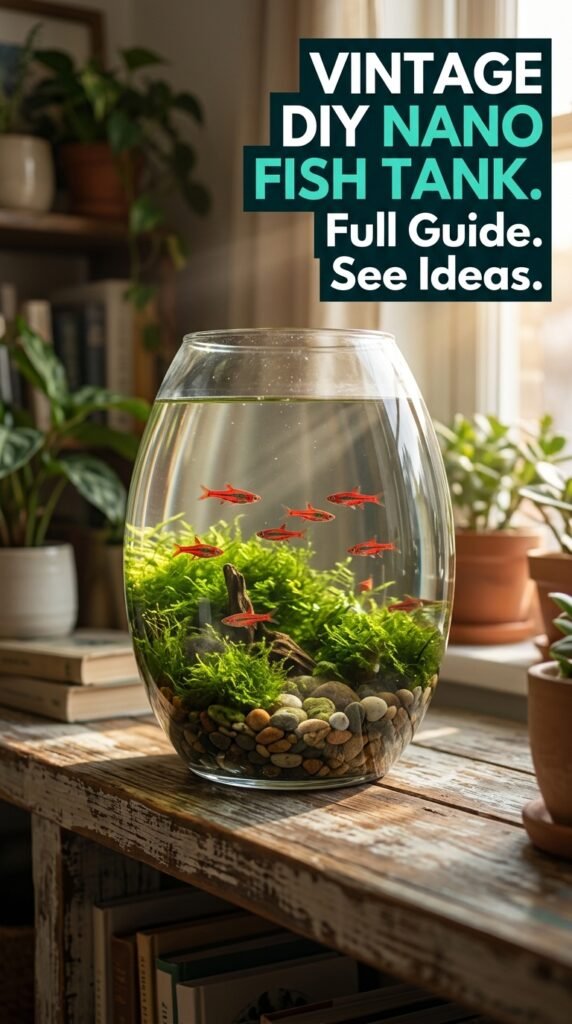
The two most common materials used in DIY fish tanks are glass and acrylic.
Glass Aquariums
Advantages:
- Scratch resistant
- Excellent clarity
- Lower cost
- Easy to clean
Disadvantages:
- Heavy weight
- Can crack if mishandled
Acrylic Aquariums
Advantages:
- Lightweight
- Stronger impact resistance
- Easier to shape
Disadvantages:
- Scratches more easily
- Usually more expensive
For most DIY beginners, glass is the preferred option.
Materials Needed for a DIY Fish Tank
Basic materials include:
- Glass panels
- Aquarium-safe silicone
- Masking tape
- Measuring tape
- Razor blade
- Level surface
- Cleaning cloth
Additional materials may include aquarium stands, lighting systems, and filtration equipment.
Understanding Glass Thickness
Glass thickness depends on the aquarium’s size and water pressure.
Common recommendations include:
| Aquarium Height | Recommended Glass Thickness |
|---|---|
| Up to 12 inches | 6 mm |
| 12–18 inches | 8 mm |
| 18–24 inches | 10 mm |
| Over 24 inches | 12 mm or more |
Using glass that is too thin can lead to structural failure.
Designing the Aquarium
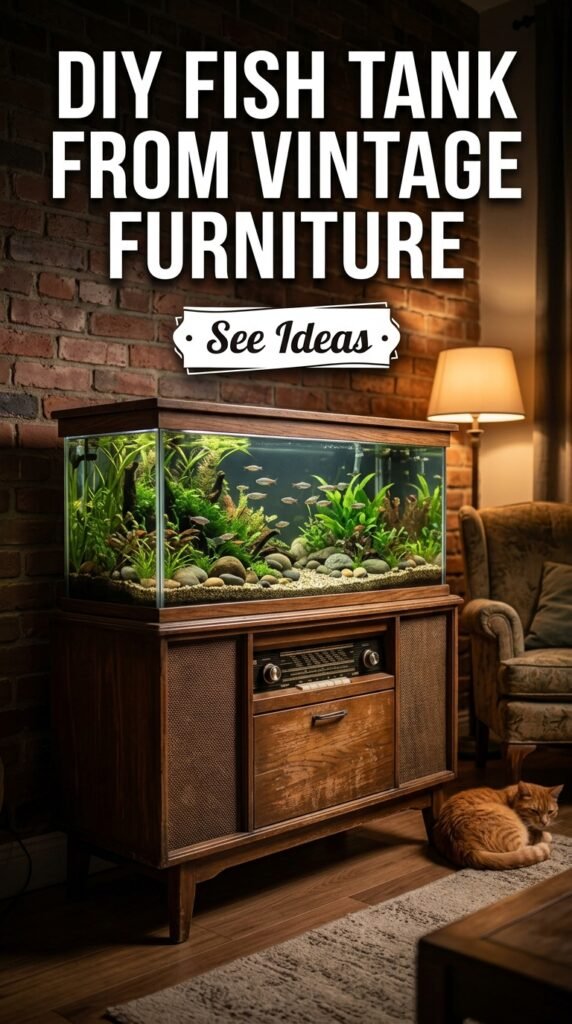
A well-designed aquarium should consider:
Viewing Angle
Determine which sides will be visible.
Aquascaping Goals
Plan where plants, rocks, and driftwood will be placed.
Equipment Placement
Consider filter intakes, heaters, and lighting locations.
Maintenance Access
Ensure easy access for cleaning and water changes.
Building a Glass DIY Fish Tank
Step 1: Measure and Cut Panels
Accurate measurements are essential for proper assembly.
Typical panels include:
- Front panel
- Back panel
- Bottom panel
- Two side panels
Many hobbyists have glass professionally cut for precision.
Step 2: Clean the Glass
Remove dust, fingerprints, and debris before assembly.
Clean surfaces help silicone bond properly.
Step 3: Apply Masking Tape
Masking tape creates clean silicone lines and improves appearance.
Step 4: Apply Aquarium Silicone
Use aquarium-safe silicone specifically designed for aquatic environments.
Apply a continuous bead along all joining edges.
Step 5: Assemble Panels
Carefully position each panel and ensure everything remains square and level.
Step 6: Allow Silicone to Cure
Most silicone products require at least 48 to 72 hours to cure fully.
Never rush this step.
Leak Testing the Aquarium
Leak testing is critical before introducing fish.
Procedure
- Place the aquarium in a safe location.
- Fill it with water.
- Check all seams carefully.
- Leave it filled for 24–48 hours.
If no leaks appear, the aquarium is ready for setup.
Building a DIY Aquarium Stand
A strong stand is essential.
Considerations
- Total aquarium weight
- Material strength
- Floor support
- Storage needs
A filled aquarium can weigh several hundred pounds.
Popular Materials
- Hardwood
- Plywood
- Steel framing
The stand should be level and capable of supporting the tank long-term.
DIY Aquarium Background Ideas
Backgrounds improve appearance and hide equipment.
Popular Options
- Black vinyl
- Frosted film
- Rock walls
- 3D foam backgrounds
- Nature scenes
Custom backgrounds can dramatically enhance visual appeal.
DIY Aquarium Lid Options
Lids help reduce evaporation and prevent fish from jumping.
Popular DIY lid materials include:
- Glass panels
- Acrylic sheets
- Mesh screens
- Polycarbonate panels
Choose a design that allows easy feeding and maintenance.
DIY Filtration Systems
Many hobbyists create custom filtration systems.
Sponge Filters
Affordable and beginner-friendly.
Hang-On-Back Modifications
Improve filtration efficiency.
Sump Systems
Ideal for larger aquariums.
DIY Canister Filters
Suitable for experienced hobbyists.
Good filtration is essential for maintaining water quality.
DIY Lighting Solutions
Lighting affects both fish appearance and plant growth.
LED Lighting
Advantages:
- Energy efficient
- Long lifespan
- Adjustable brightness
DIY LED systems can be customized for planted aquariums.
DIY Aquascaping Ideas
Aquascaping transforms a simple aquarium into a work of art.
Nature Aquarium
Inspired by natural rivers and streams.
Iwagumi Layout
Features carefully arranged stones.
Jungle Aquascape
Dense plant growth creates a lush underwater forest.
Island Layout
A central focal point surrounded by open water.


6
Best Plants for DIY Fish Tanks
Popular beginner-friendly plants include:
- Anubias
- Java fern
- Java moss
- Amazon sword
These plants are hardy and suitable for most freshwater aquariums.
Best Fish for a DIY Aquarium
Beginner-friendly species include:
- Guppy
- Neon tetra
- Corydoras
- Molly fish
- Betta fish
Choose fish that match your tank size and water conditions.
Common DIY Fish Tank Mistakes
Using Incorrect Silicone
Only aquarium-safe silicone should be used.
Skipping Leak Tests
Always test the aquarium before adding fish.
Underestimating Weight
Large aquariums are extremely heavy when filled.
Poor Planning
Rushing the design process often leads to expensive problems.
Overstocking Fish
Avoid adding too many fish too quickly.
Maintaining Your DIY Fish Tank
Regular maintenance keeps the aquarium healthy.
Weekly Tasks
- Water changes
- Glass cleaning
- Water testing
Monthly Tasks
- Filter maintenance
- Equipment inspection
- Plant trimming
Consistent care ensures long-term success.
Why DIY Fish Tanks Are So Popular
DIY fish tanks combine creativity, craftsmanship, and aquarium keeping into one enjoyable project. They allow hobbyists to create unique aquatic environments tailored to their exact needs while developing valuable skills and gaining a deeper understanding of aquarium systems.
Many enthusiasts find that building the aquarium themselves makes the finished result even more rewarding.
Conclusion
A DIY fish tank offers unlimited opportunities for creativity and customization. Whether you build a simple freshwater aquarium, a planted aquascape, or a large custom display, careful planning and quality construction are the keys to success.
By selecting the right materials, designing thoughtfully, and maintaining the aquarium properly, you can create a beautiful underwater world that provides years of enjoyment for both you and your fish.
Frequently Asked Questions
Is it cheaper to build a DIY fish tank?
For custom sizes, a DIY tank can sometimes be less expensive than purchasing a custom-made aquarium.
What silicone should I use?
Only aquarium-safe silicone designed for aquatic use should be used.
Is glass or acrylic better?
Glass is more scratch-resistant and affordable, while acrylic is lighter and stronger.
How long should silicone cure?
Most aquarium silicone requires 48–72 hours before water testing.
Can beginners build a fish tank?
Yes, beginners can successfully build small to medium-sized aquariums with proper planning, quality materials, and careful attention to detail.