
 By admin
Fish swimming is one of nature’s most fascinating forms of movement. Fish have evolved over millions of years to move efficiently through water using their fins, muscles, and streamlined bodies. Whether it’s a tiny tropical fish gliding through an aquarium or a powerful predator racing through the ocean, swimming is essential for survival, feeding, reproduction, and avoiding predators.
The graceful movement of swimming fish is one reason aquariums are so relaxing and enjoyable to watch. Understanding how fish swim can help aquarium hobbyists better appreciate their aquatic pets and recognize signs of healthy behavior.
What Is Fish Swimming?
Fish swimming is the process by which fish propel themselves through water using coordinated body and fin movements.
Swimming allows fish to:
- Search for food
- Escape predators
- Find mates
- Explore habitats
- Maintain position in currents
Different fish species have evolved unique swimming styles depending on their environment and lifestyle.
How Fish Swim
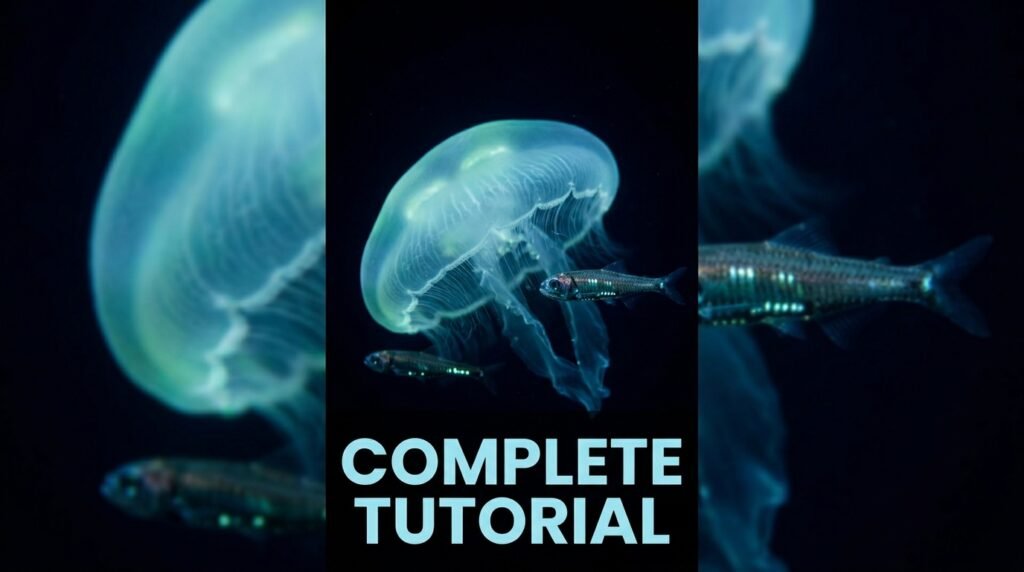
Fish move through water primarily by contracting muscles along their bodies.
Muscle Movement
Muscles on opposite sides of the body contract alternately, creating wave-like motions.
These waves travel from the head toward the tail, pushing water backward and propelling the fish forward.
Tail Power
The tail fin, also called the caudal fin, provides most of the forward thrust.
A stronger tail generally produces faster swimming speeds.
Body Shape and Swimming
Fish body shape plays a major role in swimming ability.
Streamlined Fish
Examples include:
- Tuna
- Salmon
These fish are built for speed and long-distance swimming.
Deep-Bodied Fish
Examples include:
- Angelfish
- Discus
They are slower but highly maneuverable.
Eel-Shaped Fish
Examples include:
- Moray eel
These fish use snake-like body movements to swim.
Functions of Fish Fins
Fish use different fins for specific purposes.
Caudal Fin (Tail Fin)
Provides forward propulsion.
Dorsal Fin
Helps maintain stability and prevents rolling.
Anal Fin
Assists with balance.
Pectoral Fins
Used for steering, braking, and hovering.
Pelvic Fins
Aid maneuverability and stability.
Types of Fish Swimming
Cruising
Fish swim steadily over long distances.
Examples include:
- Tuna
- Mackerel
Burst Swimming
Short periods of rapid acceleration.
Used for:
- Catching prey
- Escaping danger
Hovering
Some fish remain nearly stationary in the water.
Examples include:
- Clownfish
- Seahorse
Gliding
Certain fish conserve energy by gliding through water.
The Swim Bladder
Many fish possess a swim bladder.
Purpose
The swim bladder helps regulate buoyancy.
It allows fish to:
- Stay suspended in water
- Rise or sink with minimal effort
- Maintain balance
Without a functioning swim bladder, many fish struggle to swim normally.
Fish Swimming in Aquariums
Healthy aquarium fish display active and natural swimming patterns.
Normal Behavior
- Exploring the tank
- Searching for food
- Schooling with companions
- Resting periodically
Observing swimming behavior helps monitor fish health.
Schooling Fish
Some fish swim together in coordinated groups called schools.
Popular schooling fish include:
- Neon tetra
- Harlequin rasbora
Benefits of Schooling
- Protection from predators
- Improved navigation
- Greater feeding efficiency
Schooling behavior creates beautiful displays in aquariums.
Fastest Swimming Fish
Some fish are incredibly fast swimmers.
Notable Examples
- Sailfish
- Marlin
- Tuna
These species are built for speed and endurance.
Why Fish Swim Continuously
Many fish constantly swim because they need to:
- Find food
- Maintain oxygen flow
- Stay with their group
- Navigate their environment
Some species even need constant movement to survive.
Signs of Healthy Swimming
Healthy fish generally:
- Swim smoothly
- Maintain balance
- Respond to food
- Explore their environment
Consistent, natural swimming is often a sign of good health.
Abnormal Swimming Behavior
Watch for signs such as:
- Swimming upside down
- Floating uncontrollably
- Rapid darting
- Lethargy
- Difficulty staying upright
These behaviors may indicate illness, injury, stress, or poor water quality.
Swimming Adaptations in Different Fish
Reef Fish
Reef fish often have excellent maneuverability.
River Fish
River species are adapted to strong currents.
Deep-Sea Fish
Deep-water species often conserve energy with slower movements.
Predatory Fish
Predators frequently combine stealth with sudden bursts of speed.
Why Watching Fish Swim Is Relaxing
Many people find fish swimming calming because of:
- Smooth movements
- Gentle water flow
- Natural behavior
- Peaceful aquarium environments
Aquariums are commonly used in homes, offices, and waiting rooms for this reason.
Fun Facts About Fish Swimming
Fish Are Efficient Swimmers
Many species use less energy than similarly sized land animals.
Some Fish Can Swim Backward
Certain species use their pectoral fins to reverse direction.
Flying Fish Can Glide
Flying fish can leap from the water and glide through the air.
Seahorses Swim Differently
Seahorse use tiny dorsal fins to propel themselves.
Conclusion
Fish swimming is a remarkable combination of biology, physics, and evolution. Through specialized fins, powerful muscles, streamlined bodies, and buoyancy control systems, fish have become some of the most efficient swimmers in the animal kingdom.
Whether observing tropical fish in an aquarium or watching marine species in the wild, understanding how fish swim provides a deeper appreciation for their beauty and adaptability.
Frequently Asked Questions
How do fish swim?
Fish swim by creating wave-like muscle movements that push water backward, generating forward motion.
Which fin helps fish move forward?
The caudal fin, or tail fin, provides most of the propulsion.
What is a swim bladder?
A swim bladder is an internal organ that helps many fish control buoyancy.
Why do some fish swim in schools?
Schooling offers protection, navigation benefits, and improved feeding opportunities.
What are signs of unhealthy swimming?
Difficulty balancing, floating, swimming upside down, or lethargy may indicate health or water-quality issues.